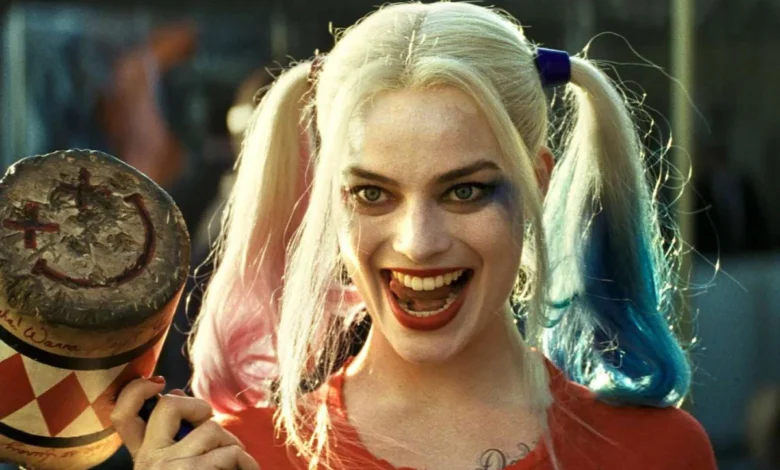
The future of one of modern cinema’s most recognizable comic book adaptations remains in the hands of its most celebrated interpreter, according to DC Studios co-CEO James Gunn. During a recent installment of the DC Studios Showcase podcast, Gunn addressed ongoing speculation surrounding the casting of Harley Quinn within the newly minted DC Universe (DCU). Clarifying his stance on continuity, casting, and creative vision, Gunn confirmed that Australian actress Margot Robbie retains the absolute right of first refusal to reprise the role of the anarchic antihero should she choose to return.
The announcement provides clarity to fans who have spent months parsing cryptic statements from studio executives regarding which actors would transition from the defunct DC Extended Universe (DCEU) into the freshly structured DCU. While Gunn has implemented sweeping casting overhauls for core pillars of the franchise—such as replacing Henry Cavill with David Corenswet for Superman and casting Kyle Chandler as an older iteration of Green Lantern—his approach to characters originating from his own pre-reboot projects has proven more flexible. Consequently, the status of Harley Quinn has emerged as one of the most intriguing logistical puzzles in modern superhero franchise management.
The Evolution of a Cinematic Icon
Margot Robbie first inhabited the role of Dr. Harleen Quinzel in David Ayer’s 2016 feature Suicide Squad. Despite mixed critical reception and a polarized response to the film’s narrative structure, Robbie’s performance was universally praised as a breakout highlight of the production. Her portrayal successfully captured the chaotic energy, dangerous unpredictability, and underlying vulnerability of the character, who originated not in comic books, but in a 1992 episode of Batman: The Animated Series written by Paul Dini and Bruce Timm.
Robbie subsequently reprised the role in Cathy Yan’s 2020 feature Birds of Prey (and the Fantabulous Emancipation of One Harley Quinn), a film that repositioned the character independently of her toxic relationship with the Joker. She returned to the role once more under the direction of James Gunn in 2021’s soft reboot, The Suicide Squad, cementing her status as the definitive live-action embodiment of the Gotham City antihero.
However, the cinematic landscape surrounding the character has continued to diversify. Most recently, pop icon Lady Gaga took on a musical, psychological iteration of the role alongside Joaquin Phoenix in Todd Phillips’ Joker: Folie à Deux. Concurrently, actress Kaley Cuoco has lent her voice to the acclaimed, adult-animated Harley Quinn series on Max, while comic book iterations continue to evolve across multiple publishing lines. These varied interpretations have broadened the character’s cultural footprint while simultaneously complicating the cinematic continuity expectations of the average moviegoer.
Navigating the DCU Canon and Continuity
The question of how the new DCU will handle legacy continuity has been a primary concern for industry analysts and fandom communities alike since Gunn and co-CEO Peter Safran assumed control of DC Studios. Gunn, who has frequently described himself as a "balanced canon guy," has maintained that events from his previous DC outings—specifically The Suicide Squad and the television spinoff Peacemaker—largely remain canonical within the new framework, provided they do not directly contradict upcoming narrative arcs.
During the special podcast episode, which featured appearances by Peacemaker cast members Jennifer Holland and Steve Agee, Gunn elaborated on the specific challenges of integrating Harley Quinn into this shifting paradigm.
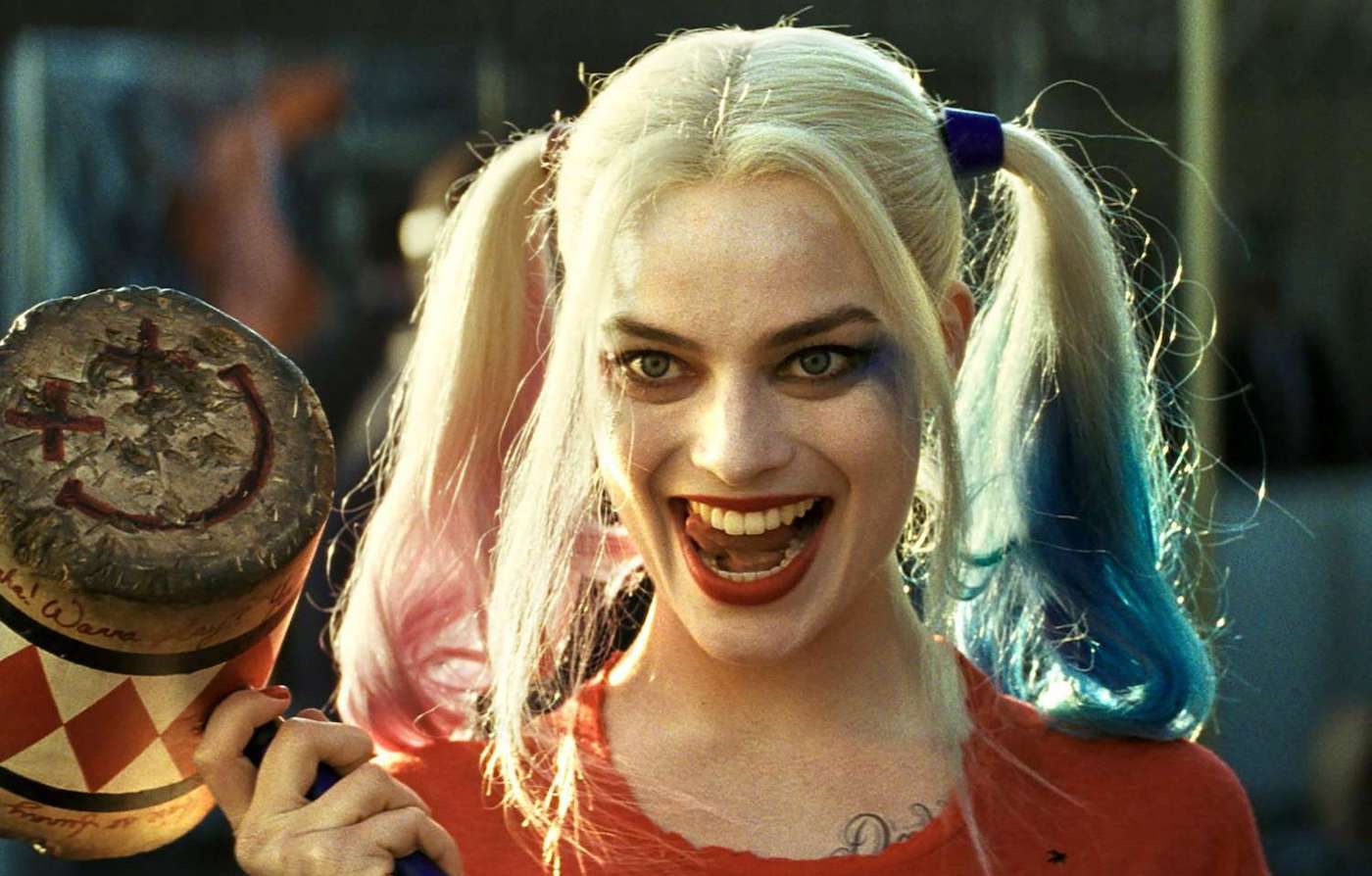
"Harley is a character I’m almost certainly going to use in the DCU, and if Margot wants to play her, then I’ll bend over backwards to explain that in the world," Gunn stated during the broadcast. "Pero if she doesn’t, then I might have to go with someone else, where I don’t have to acknowledge what happened to Harley in this universe."
This pragmatic approach highlights the unique balancing act required by studio leadership in the modern franchise era. Rather than forcing a hard recasting or engineering an elaborate, continuity-breaking multiverse explanation unnecessarily, Gunn has chosen to defer to the availability and interest of the original performer. Should Robbie express a desire to return, the creative team is prepared to construct the necessary narrative bridges to fit her history into the broader DCU tapestry. Conversely, a refusal on her part would likely prompt a clean slate, allowing a newly cast actor to step into the role without the baggage of prior cinematic events.
Scheduling Realities and Industry Implications
The primary obstacle to Robbie’s return may ultimately come down to logistics rather than creative differences. In the years following her initial appearances as the character, Robbie’s professional profile has expanded exponentially. Her production company, LuckyChap Entertainment, has spearheaded numerous high-profile cinematic projects, including 2023’s global box office phenomenon Barbie, in which she also starred.
Balancing a demanding production slate, growing responsibilities as a major Hollywood producer, and potential franchise commitments presents significant scheduling challenges. While Gunn has made it clear that the door is wide open, industry observers note that the actor’s extensive commitments could preclude her from diving back into a major, multi-film comic book contract in the immediate future.
The implications of Gunn’s announcement extend beyond a single casting decision, offering further insight into the operational philosophy of DC Studios. By prioritizing creative rapport and narrative flexibility over rigid, top-down continuity mandates, Gunn and Safran are signaling a departure from the rigid blueprint models utilized by competing studios.
Furthermore, the decision underscores the enduring value of established talent alignment. In an era where superhero franchises are increasingly reliant on audience recognition and brand loyalty, retaining an actor who has successfully defined a cultural touchstone for nearly a decade represents a distinct strategic advantage. At the same time, establishing a clear contingency plan ensures that the overarching narrative plans for the DCU will not be held hostage by the availability of any single individual.
As development continues on upcoming DCU chapters—including the highly anticipated Superman film and subsequent television projects—the formal status of Harley Quinn remains one of the most closely monitored variables in Hollywood. Whether Robbie chooses to pick up the mallet once more or the studio pivots toward a fresh interpretation, the character’s eventual reemergence in the DCU is virtually guaranteed. For now, the next move rests entirely with the actor, leaving fans in a state of suspended anticipation that aligns fittingly with the nature of Gotham City’s most unpredictable agent of chaos.