Winnie-the-Pooh: Blood and Honey 3 Trailer Drops, Bringing Absolute Carnage to a Terrifying Circus Setting

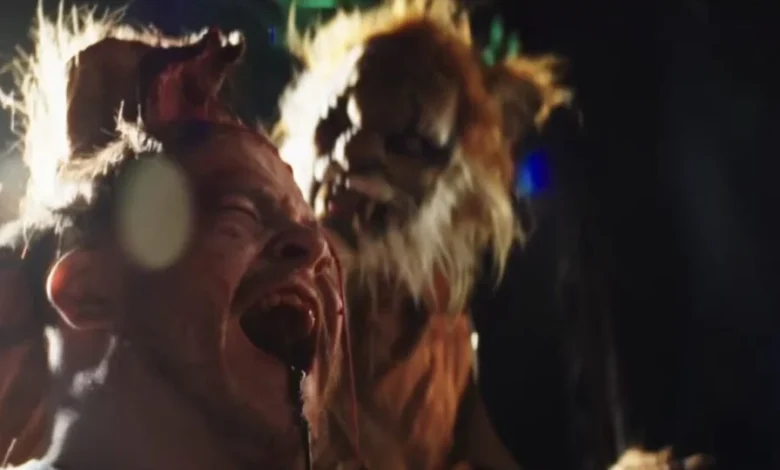
The evolution of childhood literary icons into figures of modern cinematic terror continues to expand, marked most recently by the official release of the first trailer for Winnie-the-Pooh: Blood and Honey 3. Scheduled for an ITN Distribution release in late January 2027, this third installment in the microbudget slasher franchise transports classic A.A. Milne characters—specifically Pooh, Tigger, and Rabbit—into the dark, dystopian confines of a blood-soaked circus. The project signifies a deliberate pivot in tone, creative leadership, and narrative scope for a series that began as a low-budget viral experiment and has since blossomed into a multi-film cinematic universe.
Behind the Scenes: A Shift in Creative Leadership
The production of Winnie-the-Pooh: Blood and Honey 3 features a notable transition behind the camera. Scott Chambers, who served as a producer on the first two films in the franchise and recently directed Peter Pan’s Neverland Nightmare, assumes primary directing responsibilities. Series creator Rhys Frake-Waterfield, who helmed the initial chapters of the killer-character saga, steps back to focus on producing.
Furthermore, the screenplay is penned by acclaimed filmmaker Richard Stanley, best known for his work on Hardware and Color Out of Space. Stanley’s involvement introduces a distinctive genre pedigree to the script, suggesting an elevation in atmospheric dread and narrative structure compared to previous entries. According to statements from the production team, this installment embraces a significantly darker and more serious tone, distancing itself from the campy novelty of the original 2023 release while doubling down on unrestrained horror.
Plot Overview: Inside the Woozles Circus

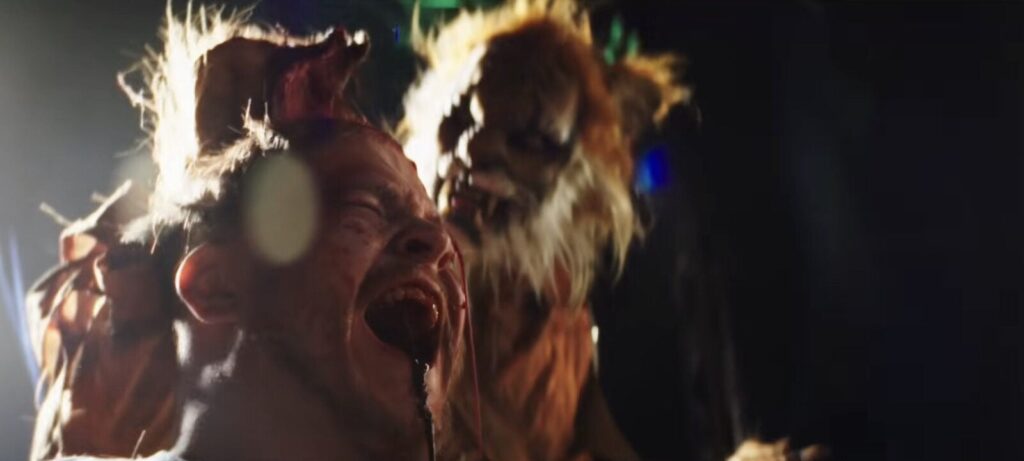
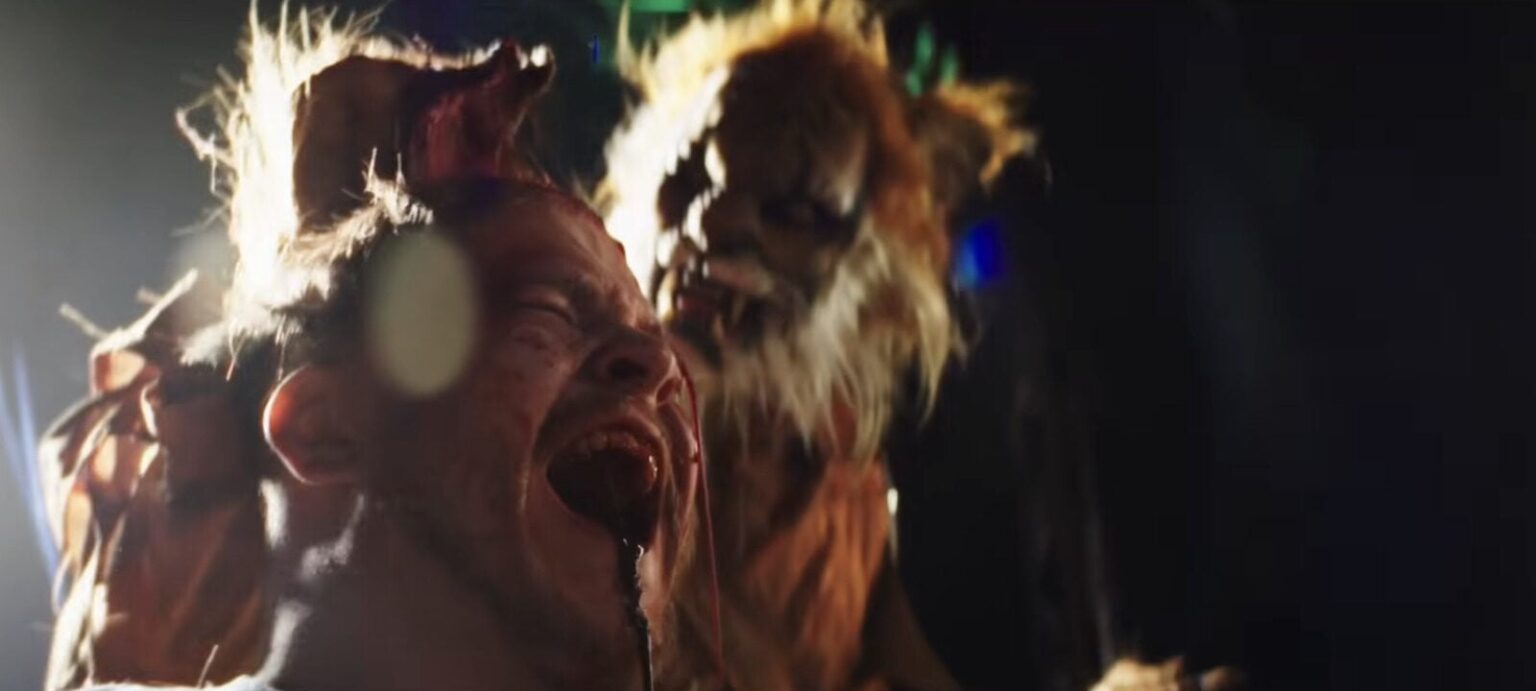
According to the official synopsis provided to media outlets, the narrative of Blood and Honey 3 picks up fifteen years after the primary antagonists—Pooh, Tigger, and Rabbit—were captured by the sinister Woozles Circus and placed on permanent, macabre display.
The story centers on Momo, an orphan portrayed by Josephine Blazier, who secures employment with the traveling carnival while on a desperate search for her missing mother. As Momo delves deeper into the inner workings of the circus, she uncovers a labyrinth of horrors, including drugged half-human performers and a mounting tally of mysterious disappearances directly tied to the enterprise’s darkest secrets. This narrative framework shifts the focus from isolated woodland massacres to an institutionalized, psychological and physical house of horrors.
Cast and Returning Characters
The upcoming sequel blends returning franchise actors with fresh faces portraying the iconic, distorted inhabitants of the Hundred Acre Wood. Lewis Santer reprises his role as the erratic Tigger, alongside Eddy MacKenzie as Piglet and Marcus Massey as Owl. Meanwhile, the ensemble welcomes new performers George Drogo as Winnie-the-Pooh and Roger Jackson as Rabbit, stepping in to deliver the physicalities and terror associated with the mutated animals.
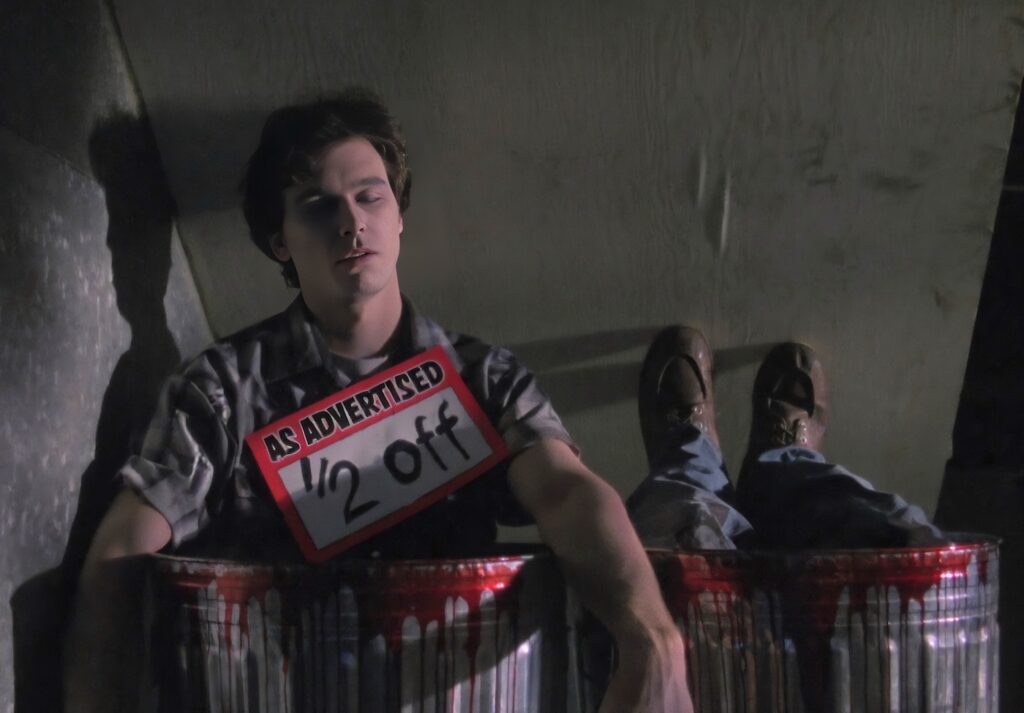
Director Scott Chambers has not hesitated to tease the sheer volume of violence featured in the script. During production, Chambers reportedly counted 20 distinct character deaths, describing the finished product as "absolute carnage." This escalation in the body count aligns with the franchise’s trajectory of delivering increasingly elaborate and high-impact set pieces for horror enthusiasts.
Chronology of the "Poohniverse" Expansion
The trajectory of the Winnie-the-Pooh horror franchise represents a unique case study in modern intellectual property exploitation, made possible by the original literary works entering the public domain.
- February 2023: Winnie-the-Pooh: Blood and Honey premieres in theaters, transforming A.A. Milne’s benevolent bear into a feral killer following a public domain transition. Despite receiving mixed critical reviews, the film achieves massive commercial success relative to its minute production budget, grossing millions worldwide.
- March 2024: Winnie-the-Pooh: Blood and Honey 2 expands the budget, introduces Tigger, and lays the groundwork for a broader interconnected narrative.
- Late 2025–2026: Production ramps up on adjacent public-domain horror titles, including Peter Pan’s Neverland Nightmare and Bambi: The Reckoning, orchestrated by Jagged Edge Productions and ITN Distribution.
- October 2026: The official red-band trailer for Winnie-the-Pooh: Blood and Honey 3 is released, revealing the circus setting and confirming a late January 2027 launch date.
- January 2027 (Projected): The third installment is slated for distribution, serving as a direct narrative lead-in to the much-anticipated crossover event, Poohniverse: Monsters Assemble.
Broader Implications for Public Domain Horror
The release of Winnie-the-Pooh: Blood and Honey 3 highlights a burgeoning trend in the film industry: the aggressive commercialization of classic literary properties as they transition into the public domain. Filmmakers are no longer bound by traditional copyright restrictions, allowing independent studios to construct shared universes out of beloved childhood characters.
The success of the Blood and Honey franchise has validated a business model centered on rapid production turnarounds, microbudgets, and high-concept premises that generate immediate internet discourse and robust box office returns. By transitioning from woodland slashers to structured institutional horror like the Woozles Circus, the creative team is attempting to retain audience engagement while maturing the cinematic universe. Furthermore, Blood and Honey 3 is positioned as a narrative bridge leading directly into Poohniverse: Monsters Assemble, a coordinated crossover event designed to unite various public domain horror icons in a manner mirroring major mainstream superhero franchises.
As the release date approaches in late January 2027, industry analysts and horror fans alike will be watching to see whether this escalation in scale, combined with the creative input of veterans like Richard Stanley and Scott Chambers, can successfully sustain consumer interest in an increasingly crowded subgenre of nostalgic subversion.