Spider-Man: Brand New Day brings a heartwarming story back to the Marvel Universe

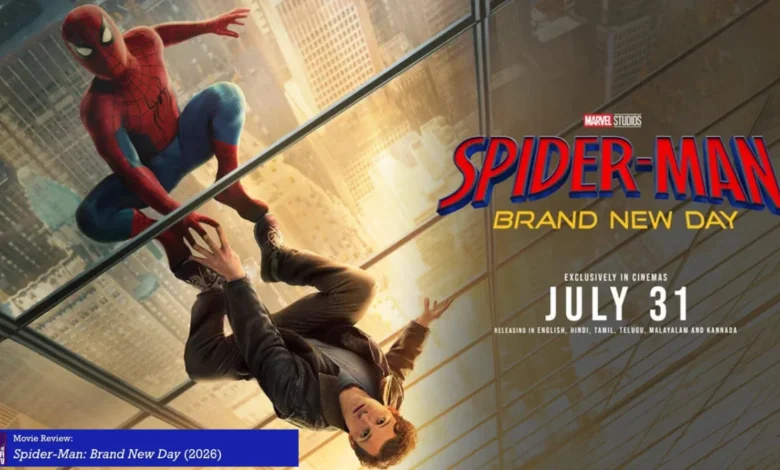
The release of Spider-Man: Brand New Day marks a significant milestone in the ongoing evolution of the Marvel Cinematic Universe (MCU), steering the iconic web-slinger into a deeply personal narrative framework. Film critics Noah Richman and Louis Howley have shared their comprehensive reviews of the latest installment, bestowing it with positive ratings of 4 stars and 3.5 out of 5 stars, respectively. Directed by Destin Daniel Cretton and scripted by the dynamic writing duo Chris McKenna and Erik Sommers, the film explores the poignant aftermath of global memory-erasure regarding Peter Parker’s dual identity. As the character navigates a world that has entirely forgotten him, the motion picture introduces a harmonious blend of intimate character study, high-stakes superhero action, and unexpected narrative twists. Industry analysts and reviewers alike stress that audiences will derive maximum enjoyment from the theatrical experience by deliberately avoiding trailers, plot leaks, and spoilers prior to viewing.
Plot Dynamics and Character Arc Evolution
The narrative premise of Spider-Man: Brand New Day finds Peter Parker operating as a full-time vigilante under unprecedented emotional and psychological strain. Following the reality-altering spell cast at the conclusion of previous MCU arcs, Peter must contend with absolute isolation. Friends, mentors, and loved ones no longer recognize him, forcing the young hero to watch from the sidelines as the people he cares about most move forward with their lives without him. This heavy burden acts as a catalyst for a profound internal transformation—a shift in demeanor and capability that threatens to test the absolute limits of Peter’s endurance.
Compounding these personal trials is the emergence of an insidious, invisible threat capable of operating entirely undetected within New York City. This menacing new adversary targets not only the city at large but specifically focuses on the vulnerable individuals remaining in Peter’s orbit. Despite the world’s collective amnesia concerning his true identity, Peter’s unwavering sense of responsibility compels him to protect a populace that no longer remembers his sacrifices. The screenplay by McKenna and Sommers leans heavily into the classic thematic dichotomy established by co-creators Stan Lee and Steve Ditko, balancing lighthearted heroism with heartbreaking personal sacrifice.
Cast and Production Pedigree
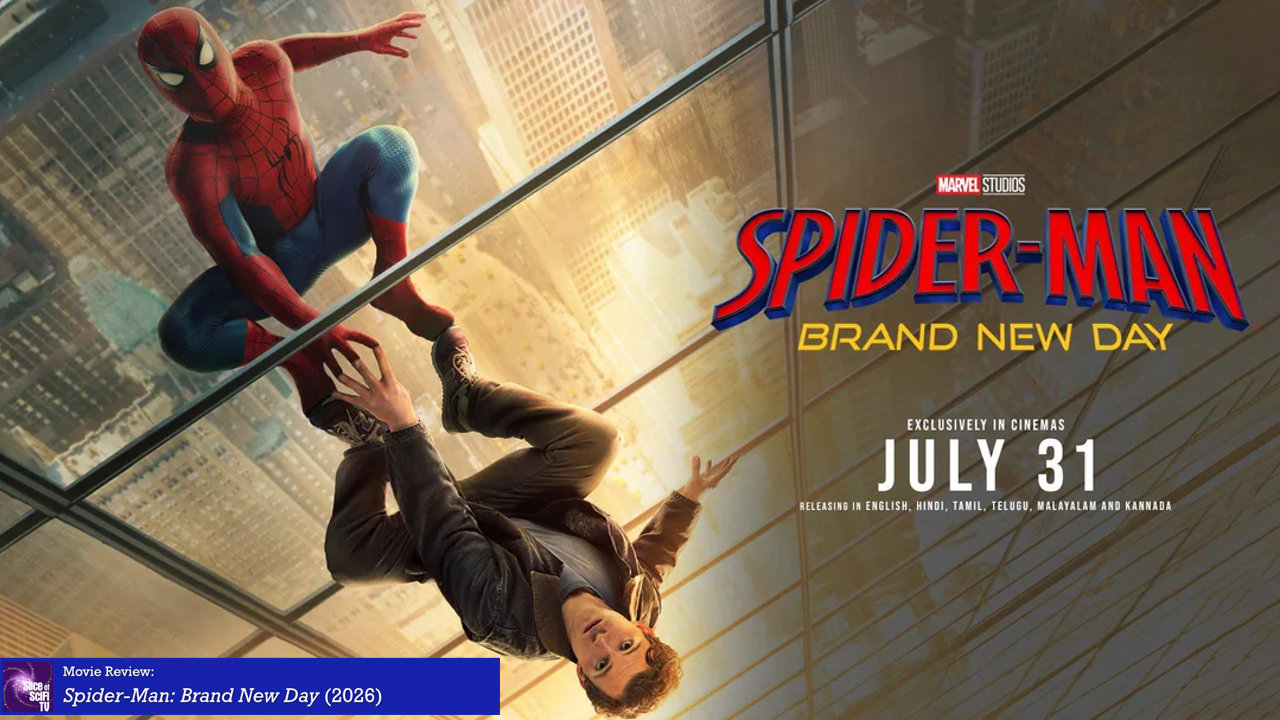
The production boasts an expansive, star-studded ensemble cast anchored by Tom Holland reprising his definitive role as Peter Parker, alongside Zendaya. The roster is further strengthened by the inclusion of Sadie Sink, Jacob Batalon, Jon Bernthal, Tramell Tillman, Michael Mando, and Mark Ruffalo. Directorial duties were helmed by Destin Daniel Cretton, whose distinct visual style and aptitude for grounding fantastical elements in genuine human emotion—demonstrated previously in major studio productions—lend the film a distinct texture.
Behind the camera, writers Chris McKenna and Erik Sommers return to the franchise, ensuring continuity in tone and voice from preceding chapters. The collaboration between Cretton, McKenna, and Sommers has resulted in a narrative praised by early reviewers for successfully injecting a heartwarming atmosphere back into a sprawling cinematic universe often dominated by cosmic-scale destruction. Furthermore, the strategic integration of cameo appearances aligns seamlessly with the current continuity of the MCU, though critics emphasize that these surprises—alongside pivotal plot twists—function best when experienced organically on the big screen.
Critical Reception and Reviewer Insights
Reviewers Noah Richman, President of the Phoenix Fantasy Film Society, and Louis Howley, a retired public librarian and film enthusiast, have both offered favorable assessments of the feature. Richman awarded the film a solid 4 stars, praising its ability to balance emotional resonance with superhero spectacle. Howley, contributing a 3.5 out of 5-star rating, highlighted the film’s narrative structure, specifically noting that certain plot twists and character crossovers warrant strict spoiler-avoidance measures to preserve their impact.
Both critics underscore the importance of entering the theater with a clean slate. In an era dominated by instantaneous social media discourse and digital leaks, the reviewers’ consensus highlights that the film’s emotional resonance relies heavily on genuine surprise. The synergy between Holland’s performance and Cretton’s direction receives particular commendation for reinvigorating the franchise’s human core, proving that even after extensive multiversal adventures, street-level storytelling remains a vital pillar for the character.
Contextual Chronology within the Marvel Cinematic Universe

To fully understand the narrative weight of Spider-Man: Brand New Day, it is necessary to examine the chronological progression of Peter Parker’s cinematic journey within the MCU. Introduced initially in Captain America: Civil War (2016), the character subsequently starred in multiple standalone features and crossover events, culminating in the multiversal crossover of Spider-Man: No Way Home (2021). That film concluded with a devastating status quo shift: in order to save the multiverse from collapsing, Doctor Strange cast a spell that erased Peter Parker from the memories of every living person on Earth.
Spider-Man: Brand New Day directly addresses the long-term socioeconomic and psychological fallout of this resolution. Rather than immediately reverting to a status quo of institutional support and mentorship—such as the resources previously provided by Tony Stark or S.H.I.E.L.D.—Parker is thrust into a gritty, independent reality. This progression mirrors classic comic book runs where the character must balance rent, academic isolation, and relentless crime-fighting entirely unaided, establishing a chronological bridge between his youthful origins and his maturation into a seasoned protector.
Broader Industry Implications and Audience Engagement
The release of Spider-Man: Brand New Day arrives at a pivotal juncture for the broader superhero film genre, which has faced increased scrutiny regarding audience fatigue and shifting box-office dynamics. By pivoting away from sprawling, multiversal exposition in favor of a localized, character-driven story, Marvel Studios demonstrates a strategic willingness to recalibrate its storytelling scope. Industry observers note that smaller-scale, emotionally resonant narratives may hold the key to sustaining long-term viewer engagement as cinematic universes mature.
Moreover, the collaborative ecosystem surrounding the film—ranging from critical analyses provided by specialized cultural platforms like Slice of SciFi to grassroots fan discussions—underscores the robust community engagement that continues to drive the franchise. As audiences continue to populate theaters, the success of Spider-Man: Brand New Day reinforces the enduring viability of classic comic book mythology adapted for contemporary cinema, proving that even in a universe of gods and monsters, the struggles of an ordinary-yet-extraordinary teenager remain universally compelling.