The Rise of Unlicensed AAA Remakes on Roblox Sparks Copyright and Moderation Concerns Across the Gaming Industry

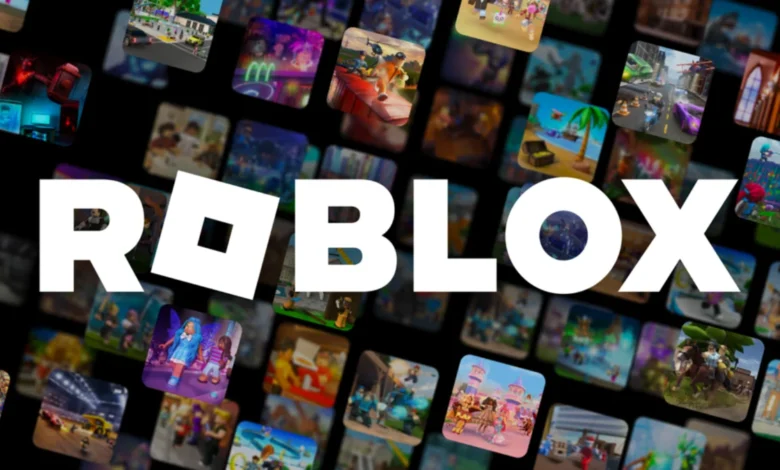
Roblox, the massively popular user-generated content platform boasting tens of millions of daily active users, has increasingly become a host for meticulous, unauthorized recreations of iconic video games. While the platform has historically been celebrated for encouraging creativity, coding skills, and community-driven development through its proprietary Roblox Studio engine, a troubling trend has emerged. Creators are bypassing traditional copyright protections by publishing virtually identical clones of beloved AAA and indie titles—ranging from Valve’s tactical shooter Counter-Strike to Activision’s cult classic The Simpsons: Hit and Run. These unauthorized ports, often published without the explicit knowledge, consent, or involvement of the original intellectual property holders, are shedding light on the complex moderation challenges facing modern digital sandbox platforms.
The Anatomy of Unauthorized Recreations on Roblox
The phenomenon of game cloning is not entirely new to the digital landscape, but the fidelity and scope of recent projects found within Roblox represent a significant escalation. Rather than drawing loose inspiration from popular genres, certain developers have engineered remarkably faithful, functional replicas of established commercial properties.
A prominent example involves a project uploaded by Roblox user Takeoff Interactive, which serves as a near-carbon copy of Valve’s seminal tactical shooter, Counter-Strike. Marketed as a non-monetized passion project, the experience replicates core gameplay loops, including the iconic bomb-defusal mode where two teams contest specific sites. Although minor technical discrepancies exist—such as altered sound effects, slightly downgraded smoke physics, and occasionally erratic artificial intelligence behaviors—the overall presentation mirrors the aesthetic and structural mechanics of the original property.

A more elaborate undertaking comes from user Redwing Works, who engineered a fully functional PlayStation 4 dashboard experience within the Roblox ecosystem. This virtual console interface incorporates a working media gallery, an integrated web browser, a trophy tracking system, and a server-based chat feature enabling communication among platform users. Most notably, the dashboard hosts seven playable games, including recognized titles such as ClusterTruck, Gang Beasts, Five Nights at Freddy’s, Undertale, PaRappaTheRapper, Superhot, and The Simpsons: Hit and Run.
Hands-on testing of these experiences reveals a striking adherence to the source materials. The Roblox adaptation of The Simpsons: Hit and Run allows users to navigate the fictional city of Springfield, complete vehicular missions, and cause open-world chaos, albeit accompanied by minor pathfinding inconsistencies in the objective guidance systems. Similarly, the platform’s rendition of Superhot retains the signature "time moves only when you move" mechanic, translating the minimalist shooter’s tense puzzle-combat framework into the Roblox engine, albeit with diminished visual fidelity compared to the original PC and console releases.

Historical Context: From Homage to Direct Replication
To understand the current state of copyright adherence on Roblox, it is necessary to examine how the platform’s creator culture has evolved. Historically, community developers frequently drew inspiration from established hits to create derivative works. Well-known examples include Counter Blox, a tactical first-person shooter utilizing standard Roblox assets to mimic tactical shooters, and Arsenal, which adapts the classic "Gun Game" progression mode popularized by the Counter-Strike franchise.
These earlier projects generally maintained a distinct separation in branding, asset utilization, and overall visual identity, establishing themselves as homages rather than direct ports. However, the emergence of advanced scripting capabilities, sophisticated asset importation tools, and sophisticated user-generated user interfaces has enabled creators to bridge the gap between inspiration and literal replication.

This shift has intensified friction between independent creators, major publishers, and the platform’s administration. The tolerance for derivative works is being severely tested as exact replicas of commercially available products populate public search directories, occasionally competing directly with official software releases in terms of user engagement.
Industry Fallout and Intellectual Property Concerns
The appearance of unapproved software ports on a major commercial platform raises significant legal and ethical questions regarding intellectual property rights in digital spaces. Major publishers invest heavily in the development, marketing, and legal protection of their franchises. When third parties reproduce these works without authorization—even under the guise of non-monetized passion projects—it creates a complex gray area in digital rights management.

Frustration within the independent development community regarding unauthorized platform adaptations has been vocalized previously. For instance, the creators of the indie title Peak recently expressed vehement opposition to derivative copies hosted on Roblox, publicly encouraging consumers to pirate their original software rather than engage with what they characterized as "microtransaction-riddled ripoff slop" within the sandbox environment.
While some creators of Roblox ports disclaim commercial intent, asserting that their projects are non-profit tributes, the platform itself operates within a robust economy driven by Robux, the virtual currency. Even if a specific clone disables direct monetization at launch, the presence of high-profile intellectual property frequently drives significant user traffic, profile visibility, and algorithmic promotion within the Roblox discovery engine. This indirect benefit complicates assertions of purely altruistic fan projects.

Platform Policies and Moderation Challenges
Roblox Corporation enforces strict community guidelines and intellectual property policies intended to protect copyright holders. Under the platform’s Digital Millennium Copyright Act (DMCA) compliance framework, rights holders can submit takedown notices to request the removal of infringing content. Historically, however, moderation on massive user-generated content platforms has been reactive rather than proactive. With millions of assets and experiences uploaded daily, identifying unauthorized code, assets, and branding requires substantial automated filtering alongside manual reporting.
The sheer variety of cloned content—ranging from functional operating system emulators to complete level-by-level game ports—highlights the difficulties automated systems face in distinguishing between transformative fan works and direct copyright infringement. Unless a copyright holder actively monitors the platform and issues formal takedown requests, unauthorized experiences can frequently remain accessible to the public for extended periods.

Ongoing Investigations and Corporate Responses
As the scope of these unauthorized ports garners broader attention from games media and industry analysts, accountability remains a central question. Major multinational corporations whose properties have been replicated—including Sony Interactive Entertainment, Activision, and the copyright holders associated with independent titles—face the ongoing task of policing digital ecosystems that extend far beyond traditional storefronts.
In response to the recent appearance of the PlayStation 4 dashboard and associated game ports, media outlets including Eurogamer have formally contacted Sony Interactive Entertainment, Activision, and relevant independent developers for official statements regarding copyright enforcement and platform safety measures. As of press time, formal responses from the respective corporate entities are pending.

Broader Implications for the Future of User-Generated Content
The proliferation of AAA game clones on Roblox underscores a critical juncture for the future of user-generated content platforms. As engine technology democratizes game development, empowering everyday users to build complex, high-fidelity interactive environments, the boundaries separating original creation, homage, and intellectual property theft continue to blur.
For Roblox Corporation, maintaining developer freedom while safeguarding the intellectual property of external creators remains an ongoing operational challenge. Failure to effectively address unauthorized direct ports risks straining relationships with major publishers and independent developers alike, potentially inviting heightened regulatory scrutiny and legal challenges. Conversely, overly aggressive automated moderation risks alienating a creative community that forms the foundational engine of the platform’s massive global economy.

Ultimately, the presence of Counter-Strike, The Simpsons: Hit and Run, and Superhot within the Roblox ecosystem serves as a vivid illustration of the challenges defining modern digital spaces: balancing the boundless creativity of a passionate user base against the established legal frameworks protecting intellectual property in the interactive entertainment industry.