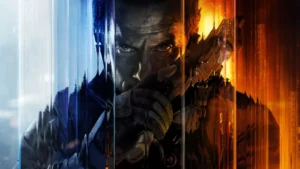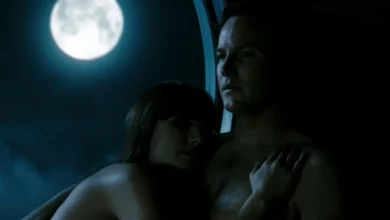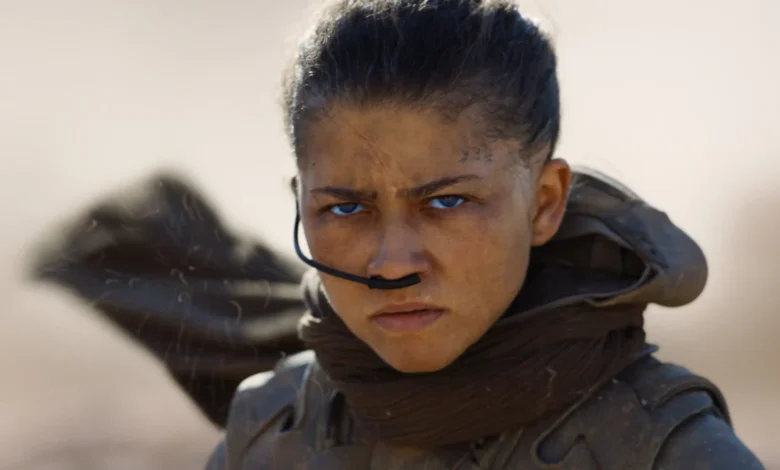
The release of the final theatrical trailer for Denis Villeneuve’s upcoming epic Dune: Part Three has sent shockwaves through both the devoted literary fanbase and mainstream cinema enthusiasts. Based on Frank Herbert’s seminal 1969 novel Dune Messiah, the final preview for the forthcoming Warner Bros. release confirms that the trilogy’s narrative trajectory is poised to diverge significantly from its source material, specifically regarding the character arc of Chani, portrayed by Zendaya.
For decades, readers of Herbert’s original sci-fi chronicles have understood the overarching thesis of the Dune universe. Far from being a traditional power-fantasy adventure, the foundational novels were explicitly structured by Herbert as a cautionary tale against charismatic leadership, hero worship, and authoritarian governance. As Paul Atreides—played by Timothée Chalamet—descends further into autocracy following his ascent to the imperial throne, the central tension of Dune Messiah has traditionally rested upon the political machinations of the empire, the agony of religious fanaticism, and the internal strains within Paul’s immediate circle. However, the newly debuted footage indicates that Villeneuve is taking unprecedented narrative liberties, recasting a core protagonist into a direct antagonist and fundamentally reshaping the dramatic stakes of the trilogy’s conclusion.
Chronology and Background Context of the Narrative
Set twelve years after the cataclysmic events of Dune: Part Two, the narrative landscape of Dune: Part Three finds the galactic empire reeling from the holy war, or jihad, waged in Paul Atreides’ name by the fiercely loyal Fremen. Paul now rules supreme as Emperor, a position that has accumulated him formidable enemies across the known universe.
The institutional power structures sidelined by Paul’s meteoric rise—most notably the religious order of the Bene Gesserit, the monopolistic mercantile cartel known as the Spacing Guild, and the biological innovators of the Tleilaxu—begin coordinating a sophisticated, multifaceted conspiracy to dismantle his regime. Central to this political maneuverings are Princess Irulan, portrayed by Florence Pugh, who remains Paul’s legal wife despite his unwavering emotional devotion to Chani, and Scytale, a Tleilaxu face dancer with the ability to mimic human appearance and identity, played by Robert Pattinson.
In Frank Herbert’s novel, the conspiracy unfolds largely behind closed doors, relying on psychological warfare, political intrigue, and philosophical debates rather than the grand-scale planetary warfare seen in the first two cinematic installments. The conspirators introduce a resurrected clone of Duncan Idaho—known as Hayt, brought to life by Jason Momoa—into Paul’s household to serve as both an intellectual distraction and an insidious psychological weapon, aiming to exploit the vulnerabilities of Paul and his telepathically gifted sister, Alia, portrayed by Anya Taylor-Joy.
The Cinematic Departure: Chani’s Role Reimagined
The primary point of divergence highlighted in the final trailer centers on Chani. In the literary chronology of Dune Messiah, Chani remains steadfastly by Paul’s side, acting as his concubine and confidante while navigating the treacherous waters of imperial court politics alongside a hostile Princess Irulan. Though Paul and Chani face immense personal tragedy—including the birth of their twin children, Leto II and Ghanima, and the looming threat of assassination plots—their bond remains a steadfast emotional anchor amid the corruption of absolute power.
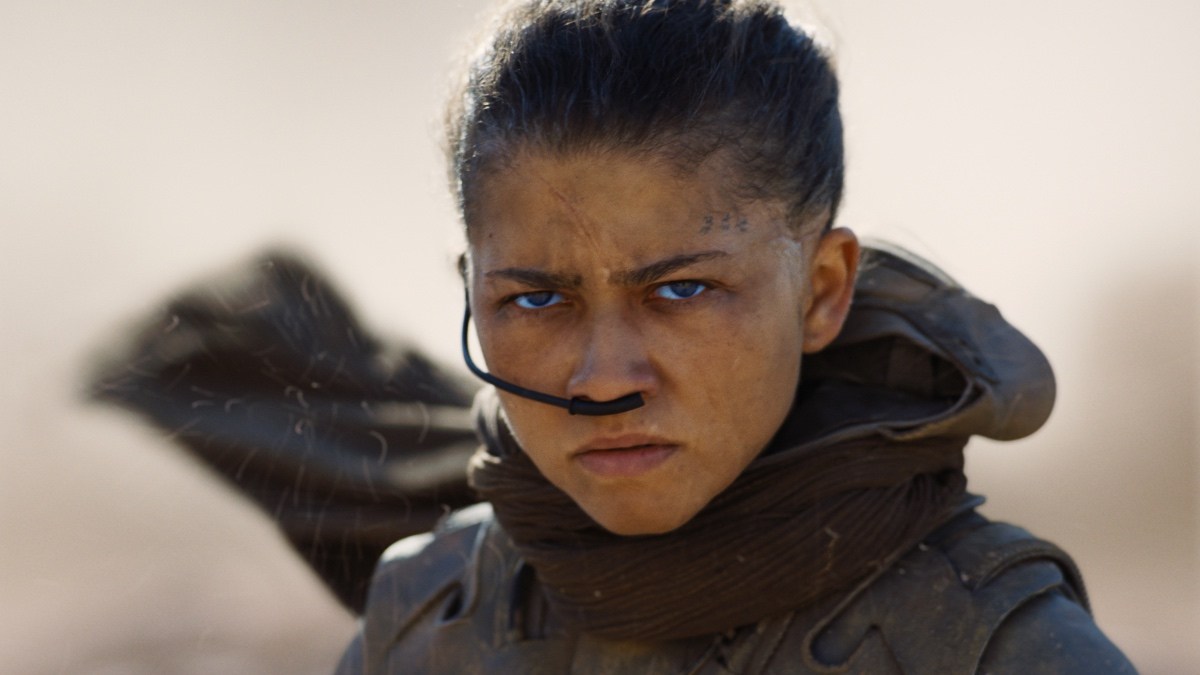
However, the final trailer for Dune: Part Three depicts Zendaya’s Chani in active, aggressive opposition to Paul. Rather than retreating quietly or remaining a passive observer to her lover’s imperial corruption, Chani is shown openly fighting against the Atreides regime, seemingly aligning herself with the coalition working to overthrow him.
This creative choice does not arrive without thematic precedent. Director Denis Villeneuve established a distinct autonomy for Chani across his previous adaptations. In 2021’s Dune and 2024’s Dune: Part Two, Chani was positioned as a skeptical observer of Fremen religious fundamentalism, openly questioning the prophecies that elevated Paul to the status of the Lisan al Gaib. Her dramatic, independent exit at the conclusion of Part Two—where she walked away from Muad’Dib into the deserts of Arrakis—signaled to audiences that Villeneuve’s adaptation would not adhere strictly to her literary passivity. By transforming her into a primary antagonist or a driving force within the political conspiracy, the trilogy alters the personal tragedy at the heart of Herbert’s narrative, replacing internal domestic tension with externalized ideological warfare.
Analysis of Implications and Industry Reception
The revelation has ignited intense debate across literary forums, cinematic communities, and trade analyses. Adapting Frank Herbert’s Dune Messiah has long been considered a monumental challenge for filmmakers. Unlike the classic hero’s journey of the first novel, Dune Messiah is an internal, downbeat, and philosophical post-mortem on tyranny, where the protagonist is already trapped by the inevitability of his own precognitive visions.
By elevating Chani to an active combatant against Paul, Villeneuve may be solving a structural pacing issue inherent in the source material. A purely internal narrative risks translating poorly to a high-budget blockbuster format. Giving Paul a direct, deeply personal foil on the battlefield of resistance provides a tangible emotional engine for the narrative climax, bridging the gap between grand political thriller and intimate romantic tragedy.
Nevertheless, the inclusion of master-manipulator elements introduces a layer of narrative ambiguity. Given the presence of Scytale—the Tleilaxu face dancer capable of shifting form and impersonating anyone—industry observers and fans have begun speculating whether the character of Chani seen fighting Paul in the trailer is genuinely her, or a meticulously crafted psychological illusion engineered by the conspirators to fracture the Emperor’s resolve. The deliberate editing of the promotional material leaves this question unanswered, heightening anticipation for the film’s theatrical release.
Deep Cuts and Supporting Details for Franchise Fans
Beyond the seismic shift in Chani’s character arc, the final trailer rewards longtime enthusiasts of the franchise with several subtle nods to the expanded universe of the novels. Brief sequences feature Isaach de Bankolé as Farok, a veteran Fremen warrior of the desert jihad whose eventual disillusionment with the imperial machine mirrors the broader cultural decay of Arrakis’s native population. Furthermore, keen-eyed viewers have noted the apparent inclusion of Leto II and Ghanima, Paul and Chani’s twin children, whose unique genetic attributes and prescient awareness dictate the trajectory of subsequent literary volumes.
The inclusion of Charlotte Rampling reprising her role as the formidable Reverend Mother Gaius Helen Mohiam underscores the persistence of Bene Gesserit machinations, working in tandem with the Tleilaxu to reclaim control over the galactic breeding program and political hierarchy.
Production and Distribution Status
Dune: Part Three is produced by Legendary Pictures and distributed globally by Warner Bros. Pictures. Helmed by Academy Award-nominated filmmaker Denis Villeneuve, the project represents the culmination of a multi-year cinematic undertaking that has revitalized hard science fiction at the box office. With a screenplay adapted by Villeneuve and co-writers, the film brings back the acclaimed creative team behind the previous installments, including director of photography Greig Fraser, production designer Patrice Vermette, and composer Hans Zimmer.
As anticipation reaches a fever pitch, industry box office trackers project strong opening-weekend metrics, driven by the massive commercial success of Dune: Part Two, which grossed over $714 million worldwide.
Dune: Part Three is scheduled to premiere exclusively in theaters and IMAX formats on December 18, 2026, where audiences will finally discover the definitive resolution to the Atreides saga and witness the full extent of Denis Villeneuve’s departure from Frank Herbert’s canonical text.