Marvel Studios implements rigorous brand oversight to align Spidey and His Amazing Friends with the broader Marvel Cinematic Universe.

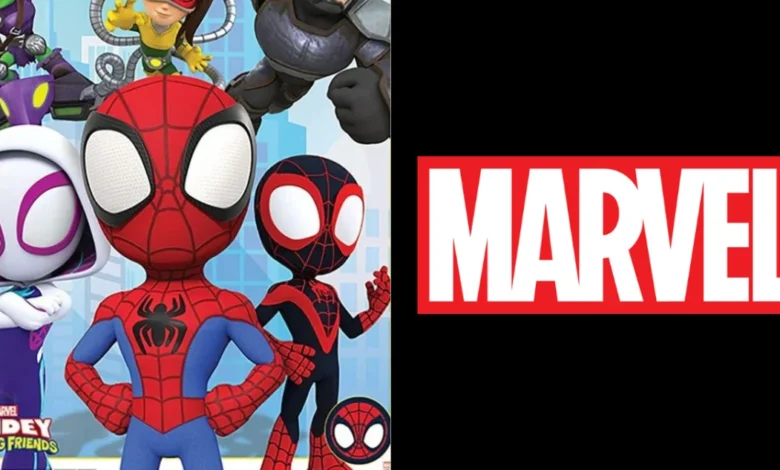
The Disney Junior animated series Spidey and His Amazing Friends has established itself as a juggernaut in the preschool demographic, introducing a new generation of viewers to the iconography of Marvel’s most famous web-slinger. While the show is largely considered tangential to the complex, interconnected narrative of the Marvel Cinematic Universe (MCU), recent reports have confirmed that the production team behind the series operates under a strict "master plan" mandated by Marvel leadership. This strategic alignment is designed to ensure that the events, character arcs, and villain introductions within the animated series do not conflict with the creative trajectory of the live-action blockbuster films.
The Mechanism of Brand Synchronization
According to recent disclosures, there is frequent, high-level communication between the creative teams of Spidey and His Amazing Friends and the overseers of the MCU. This oversight is not merely a suggestion but a requirement to maintain brand integrity across all platforms. As the Marvel brand continues to expand its reach, the company faces the challenge of maintaining a cohesive identity that spans media ranging from adult-oriented live-action dramas to educational programming for children under the age of five.
By coordinating these narrative threads, Marvel prevents potential continuity errors that could confuse casual viewers or complicate the development of future theatrical projects. This process of synchronization acts as a safeguard, ensuring that the version of Spider-Man presented in the animated preschool series does not inadvertently "use up" characters, plot devices, or villains that Marvel Studios has earmarked for live-action development.
Chronology of Expansion and Oversight
The development of the MCU has historically been characterized by meticulous planning, beginning with the release of Iron Man in 2008. Over nearly two decades, the scope of the universe has grown to include television series, streaming specials, and animated projects. Spidey and His Amazing Friends, which premiered on Disney Junior in August 2021, arrived at a point when Marvel was looking to solidify its footprint in early childhood media.
The show quickly became a ratings success, consistently ranking as a top-performing series for its demographic. However, as the show reached its 100th episode milestone, the complexity of its narrative grew. Producers and writers for the series have noted that they are in constant dialogue with the studio’s central creative teams. This communication ensures that the show’s creative liberties—such as the inclusion of the symbiote character Symbie—do not clash with the "master plan" that governs the live-action Spider-Man, currently portrayed by Tom Holland.
The Strategic Value of Intellectual Property Control
The decision to exert such tight control over a preschool show is a testament to the long-term value Marvel places on its intellectual property. By introducing concepts like Doc Ock, Ultron, or specific symbiote lore to children at an early age, the company is cultivating a lifelong audience. However, if the animated version of these characters occupies a space that the film division wishes to explore, it could lead to audience fatigue or narrative redundancy.
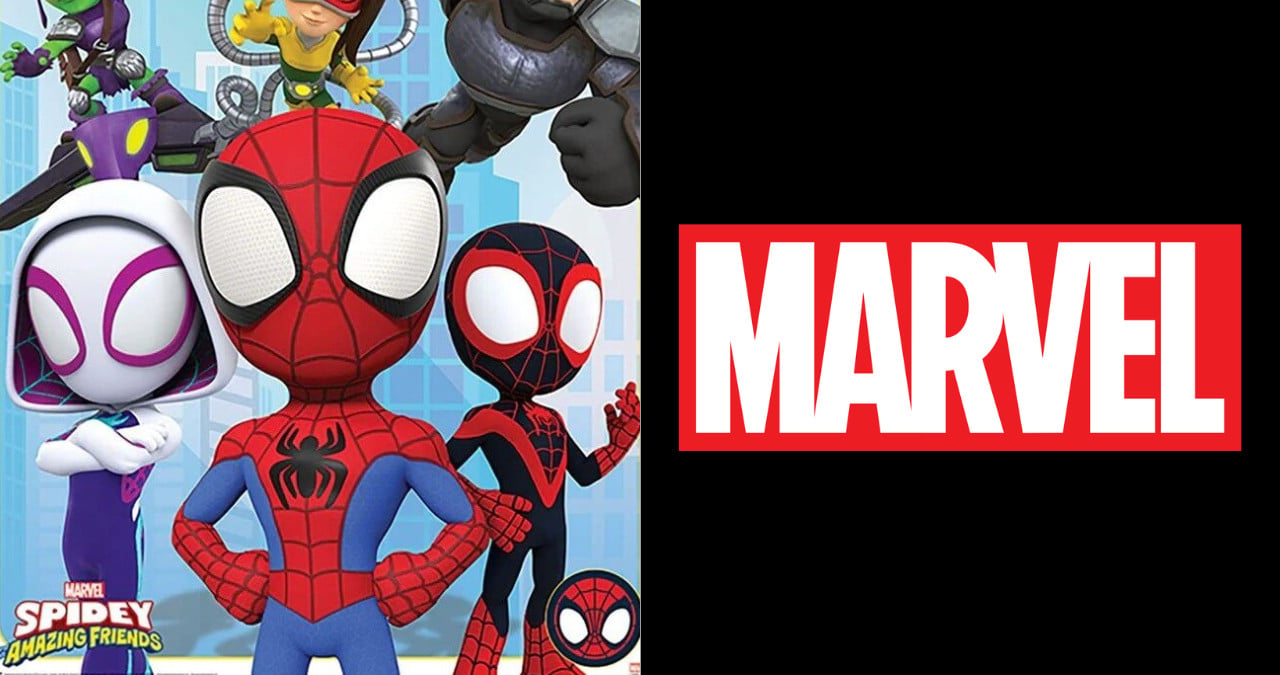
For example, the recent inclusion of a female Doc Ock in the animated series effectively "claims" that character iteration for the younger demographic. Industry analysts suggest that this implies Marvel Studios has no immediate intention of featuring a female-led version of the character in a major live-action theatrical release. By managing these character assignments, Marvel ensures that each division of the company can operate within its own lane without stepping on the toes of other departments.
Analyzing the Impact on Future Cinematic Releases
The implications of this oversight are significant for fans of the live-action MCU. If the "master plan" dictates that certain characters or plot points are restricted from appearing in the animated series to preserve them for film, the reverse is also true: if a character is featured in the animated series, they are effectively off-limits for the MCU, or at the very least, subject to significant development hurdles.
This creates a "quarantine" effect for certain narrative elements. Villains like Ultron, who have already seen significant screen time in the MCU, are used in the animated series as standard antagonists. However, newer characters or niche comic book entities introduced in the preschool show are often there by design to prevent their use elsewhere. This meticulous inventory management allows the creative leadership to maintain a clean slate for future live-action projects, such as the upcoming Spider-Man: Brand New Day, scheduled for release on July 31, 2026.
Official Perspectives on Narrative Harmony
Representatives for the production team of Spidey and His Amazing Friends have highlighted that while the series is not a direct prequel or side-story to the MCU, the level of cooperation is unprecedented. The directive to ensure that "nothing the Disney show is planning will conflict with what the larger MCU is doing" suggests that the Marvel creative apparatus is more integrated than previously understood by the general public.
This approach is symptomatic of a larger industry trend where major studios treat their entire catalog as a single, unified ecosystem. For Marvel, which manages a library of thousands of characters, the ability to coordinate across different animation styles, target demographics, and delivery platforms is essential to maintaining the "Marvel" label as a mark of consistent quality and continuity.
Broader Implications for the Media Landscape
The practice of harmonizing content across vastly different age groups serves as a case study for modern media management. As franchises become increasingly ubiquitous, the need for a "master plan" becomes a logistical necessity. While fans of the live-action films may find the connectivity between a preschool show and a multi-billion dollar cinematic franchise unexpected, it underscores the importance of the brand as a cohesive unit.
Furthermore, this strategy protects the longevity of the Spider-Man character. With multiple versions of the hero currently existing across various media—from the animated Spider-Verse films to the MCU—the ability to differentiate these iterations while keeping their underlying stories compatible is a complex task. By keeping the lines of communication open, Marvel ensures that its most valuable asset remains relevant to every generation, from toddlers watching their first episode of Spidey and His Amazing Friends to long-time fans anticipating the next major film premiere.
As the industry moves toward 2026 and the release of new theatrical content, this behind-the-scenes coordination will likely continue to evolve. The success of the current approach suggests that Marvel Studios will maintain its stringent oversight, ensuring that no matter the medium, the stories of their heroes remain protected, consistent, and strategically aligned with the broader vision of the Marvel Cinematic Universe. Through this process, the studio manages not just individual projects, but the very perception of its brand in the eyes of an ever-growing global audience.