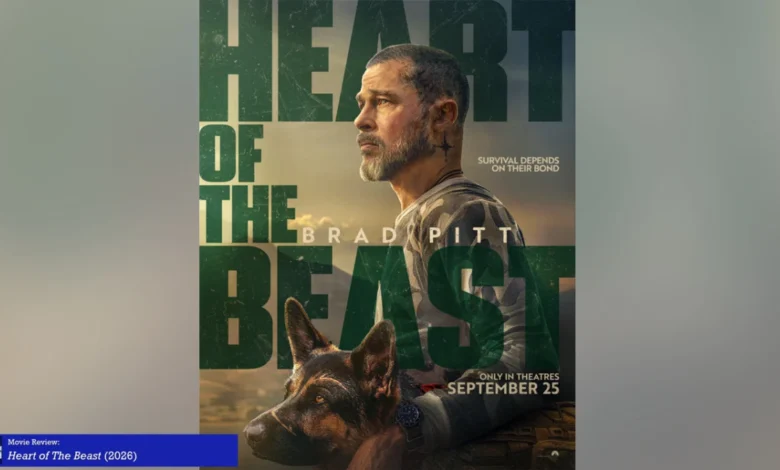
The upcoming survival adventure film Heart of the Beast, directed by acclaimed filmmaker David Ayer and written by Cameron Alexander, explores the profound psychological and physical interdependence between a former combatant and a retired military working dog. Anchored by performances from Brad Pitt as Special Forces veteran James Belmont and a quartet of related German Shepherds portraying the canine lead, Odin, the movie navigates themes of trauma, post-traumatic stress disorder (PTSD), and wilderness survival. Produced under executive producer Damien Chazelle, the feature blends traditional survival-genre tropes with a contemporary focus on the invisible wounds carried by both human and animal veterans of modern conflict.
Narrative Overview and Chronology
The film utilizes a framing device, opening with a scene on an Alaskan highway where a driver named Amber, portrayed by Anna Lambe, encounters a large dog standing alone on the asphalt. The narrative then shifts backward by one week, transporting the audience to the remote, verdant backcountry of Alaska, where a Cessna pontoon aircraft touches down on a pristine mountain lake.
James Belmont and his canine companion, Odin—distinguished by facial battle scars and a prosthetic foreleg—disembark to begin an expedition into the rugged wilderness. Early scenes establish their daily routine: James observes a passing moose through his rifle scope without firing, while Odin successfully navigates the local waters to retrieve fresh food. As the narrative progresses, it is revealed that Odin is a decorated veteran of military service, having served alongside James in active combat zones including Iraq and Afghanistan. Both characters experience flashbacks and manifest symptoms of PTSD, establishing a psychological parity between man and animal.
A brief disruption occurs with the arrival of an enigmatic wanderer named Watkins, played by J.K. Simmons, who inserts himself into their campsite before departing downriver in a canoe, never to return. Shortly thereafter, meteorological conditions deteriorate. As James pilots their plane above a developing storm front, he suffers a sudden, debilitating heart attack. Incapacitated by cardiac arrest, James loses consciousness, causing the aircraft to descend rapidly through the tree line. The impact throws Odin through the passenger-side door before the fuselage submerges in a remote alpine lake.
Regaining consciousness underwater, James navigates an air pocket, escapes the sinking aircraft, and locates Odin. Finding the dog largely uninjured, James dives back into the frigid waters to salvage essential cargo, organizing a survival kit to trek toward civilization using a map and compass.
Production and Cinematic Execution
Filmed primarily on location in New Zealand—which successfully stands in for the Alaskan wilderness—Heart of the Beast relies heavily on technical execution to establish its atmospheric tension. Because the narrative features minimal dialogue, the emotional success of the film hinges entirely on the non-verbal chemistry between Pitt and the animal actors. Odin is played by four related German Shepherds: Uber, Ryker, Hondo, and Zika. Production notes highlight the rigorous physical preparation undertaken by Pitt to authentically portray a Special Forces operative, complementing his nuanced physical interactions with the canine performers.
Cinematographer choices emphasize the dual nature of the wilderness: alternating between sweeping, macro-scale framing shots of snow-capped peaks and verdant valleys, and intimate, close-quarters framing during the characters’ camp life. Visual effects are utilized to supplement the New Zealand landscape, creating hyper-realistic sequences involving regional wildlife such as bears, wolves, and moose. The editing maintains a fluid momentum, particularly during complex action sequences including the plane crash, a turbulent river descent, and high-stakes predatory encounters.
Character Analysis and Narrative Reception
Critical analysis of the film centers on its structural dichotomy. While reviewers note that the survival-in-the-wild premise follows a well-trodden cinematic path reminiscent of classic adventure films, the integration of military working dog dynamics introduces a distinct emotional core. The inclusion of the Watkins character has drawn varied interpretations from critics; while some view the verbose wanderer as an unnecessary narrative detour designed primarily to prompt expository dialogue regarding James’s past, others trace his inclusion to the collaborative history between Simmons and executive producer Damien Chazelle, who previously directed Simmons in Whiplash.
Certain survival sequences, including an extreme river transit and a high-risk predatory confrontation, test the boundaries of audience credulity. The filmmakers lean heavily on James’s elite military training to rationalize his endurance of extreme physical trauma; however, these heightened elements occasionally challenge realistic suspension of disbelief. Nevertheless, the central relationship remains grounded, propelled by committed lead performances and high production values.
The Role and Legacy of Military Working Dogs
Beyond its entertainment value, Heart of the Beast brings mainstream visibility to the contributions and post-service challenges faced by military working dogs (MWDs). Historically utilized by armed forces for tracking, explosive detection, and tactical patrols, thousands of dogs have served alongside human handlers in modern conflicts.
Veterinary science and military advocacy groups have increasingly recognized that combat-deployed animals frequently exhibit physiological and psychological conditions analogous to human PTSD, including hypervigilance, anxiety, and aversion to loud noises. Legislative milestones, such as Robby’s Law passed in 2000, ensured that military dogs could be successfully adopted by their former handlers upon retirement rather than being classified as surplus military equipment. Films like Heart of the Beast reflect a growing cultural awareness regarding the lifelong care, rehabilitation, and deep psychological bonds required to transition these animals from active combat roles to civilian life.
Distribution and Release Details
Distributed by major studios with a wide theatrical rollout anticipated, Heart of the Beast is slated to reach audiences as a premier entry in the action-adventure and drama genres. With a runtime suited for a standard feature narrative and an MPAA rating influenced by intense wilderness peril and realistic predatory animal attacks, the film balances family-accessible themes of loyalty with mature survival sequences.
As the marketing campaign continues to roll out official trailers and behind-the-scenes featurettes, industry analysts project strong interest from demographic segments drawn to survival thrillers and canine-centric narratives alike. By combining technical filmmaking expertise with a timely exploration of veteran welfare—both human and canine—Heart of the Beast positions itself as a notable addition to the modern adventure cinema landscape.