Square Enix marks the 25th anniversary of Final Fantasy 10 with a new vinyl release and an experimental electronic music collection

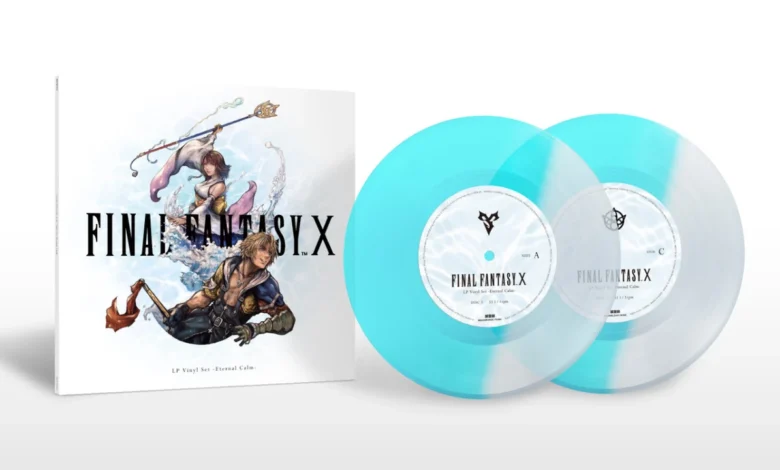
The legendary role-playing game Final Fantasy 10, originally released by Square (now Square Enix) for the PlayStation 2 in 2001, is celebrating its 25th anniversary with a comprehensive slate of commemorative releases. As the title approaches this milestone, the publisher has announced a premium vinyl soundtrack collection alongside the digital release of Final Fantasy 10: House Grooves, a genre-bending remix album that reimagines the game’s iconic score through the lens of modern electronic dance music. These initiatives underscore the enduring commercial viability of the Final Fantasy franchise’s musical library, which has become a cornerstone of the company’s merchandising strategy over the past two decades.
A Legacy of Sound: The Context of Final Fantasy 10
Released in July 2001, Final Fantasy 10 represented a significant technical and artistic leap for the series. It was the first entry to feature voice acting and a fully 3D environment, supported by a score composed by Nobuo Uematsu, Masashi Hamauzu, and Junya Nakano. The music, ranging from the melancholic piano ballad To Zanarkand to the frantic intensity of the boss battle themes, is widely cited by critics and fans alike as one of the most significant soundtracks in gaming history.
For the past twenty-five years, Square Enix has consistently monetized this intellectual property through various formats, including orchestral concerts like Distant Worlds, piano arrangement albums, and limited-edition physical media. The decision to produce a high-fidelity vinyl set aligns with the broader industry trend of prioritizing collectible physical media for "legacy" titles, appealing to a demographic of aging fans with increased disposable income.
The Evolution of the House Grooves Experiment
Following the successful reception of a similar experimental collection for Final Fantasy 9, Square Enix has expanded its sonic catalog with Final Fantasy 10: House Grooves. This release features a curated selection of tracks from the game’s original soundtrack, rearranged into house, deep house, and ambient dance arrangements.
The project represents a shift in how the publisher manages its intellectual property. Rather than merely remastering the original compositions, the House Grooves series utilizes the source material as a foundation for genre-specific experimentation. This approach serves two purposes: it introduces the classic themes to a younger audience accustomed to contemporary electronic production, and it creates a new "lifestyle" product line that extends the reach of the Final Fantasy brand beyond the gaming console and into the digital music streaming ecosystem.

Musical Analysis: Bridging Two Worlds
The fusion of the original, often emotionally heavy compositions with house music beats presents a unique challenge in sound design. For instance, the track To Zanarkand—originally a somber piano piece meant to evoke a sense of loss and memory—has been reworked with rhythmic structures typically found in lounge and club music.
This juxtaposition has been met with mixed reactions from audiophiles. Tracks such as Phantoms, which feature atmospheric textures, translate more naturally to the chillwave and ambient-house genres, given their inherently spacious composition. Conversely, more emotionally charged tracks like Wandering—associated with one of the most tragic narrative beats in the game—present a thematic friction when paired with a dance-oriented tempo. The production team behind the album appears to have focused on balancing the "vibe" of the original track with the functional requirements of a dance floor, resulting in an album that is less about faithful reproduction and more about thematic reinterpretation.
Market Implications and Collector Value
The strategy of releasing high-end vinyl editions for specific anniversaries is a proven financial model for Square Enix. According to industry data regarding physical media, vinyl sales within the video game category have seen a steady year-over-year increase since 2018. Collectors often seek these items not only for their audio fidelity but as tangible artifacts of cultural history.
The 25th-anniversary vinyl collection, which includes curated tracks from the game’s massive soundscape, is positioned as a "must-have" for enthusiasts. By bundling these releases with limited-edition artwork and high-quality pressing materials, Square Enix is able to command a premium price point, which consistently outperforms standard digital soundtrack sales.
Official Stance and Future Projections
While Square Enix has not issued a formal press release detailing the specific sales projections for the House Grooves album, the company’s recent financial reports have consistently highlighted the "Music and Merchandising" division as a stable revenue stream. The trend suggests that the publisher will continue to leverage its back catalog in increasingly creative ways.
Industry analysts suggest that the success of these niche music projects provides Square Enix with valuable data regarding which legacy titles command the most loyal fanbases. If the Final Fantasy 10: House Grooves collection performs well on streaming platforms, it is highly probable that subsequent entries in the series—such as Final Fantasy 7 or Final Fantasy 8—will receive similar electronic reimaginings.

A Cultural Milestone: The 25-Year Retrospective
As the franchise moves toward its 25th-anniversary celebrations, the focus remains on the intersection of nostalgia and modern consumption. Final Fantasy 10 remains a focal point of this strategy because it occupies a specific space in the collective memory of the early 2000s gaming generation.
The chronology of these releases—starting with the original PS2 launch, followed by the HD Remaster on modern consoles, and now the expansion into high-fidelity physical collectibles and genre-reimagined albums—illustrates a comprehensive lifecycle for a digital product. It effectively keeps the title relevant in the public consciousness without the need for a full-scale remake, thereby maintaining brand awareness at a lower cost relative to game development.
Conclusion: The Path Forward
The dual release of the 25th-anniversary vinyl collection and the House Grooves album serves as a case study in modern brand management. Square Enix is not merely selling a game; it is selling the emotional attachment that players formed with the music of Spira over two and a half decades.
Whether these experimental remixes will find a place in the wider dance music community remains to be seen. However, within the microcosm of the Final Fantasy fandom, the project is a success in terms of engagement. It provides a new context for familiar melodies, proving that even twenty-five years later, the musical identity of Final Fantasy 10 remains flexible enough to evolve. As the company looks toward the next quarter-century, it is clear that the legacy of its soundtracks will be just as integral to its business model as the games themselves.
Related posts: