The Evolution of the Knightfall Saga
The original "Knightfall" comic book arc, which ran from 1993 to 1994, remains a cornerstone of 1990s comic culture. It was conceived as a high-stakes narrative designed to fundamentally challenge the status quo of the Batman mythos. The core premise—that Batman could be physically broken and defeated—shattered the long-standing perception of the hero as an invincible force. The saga was divided into three distinct movements: "Knightfall," in which Bane orchestrates the exhaustion and ultimate defeat of Bruce Wayne; "Knightquest," which explores the rise of a new, more lethal Batman; and "KnightsEnd," the climactic return of the original Dark Knight.
By adapting this story into an animated trilogy, Warner Bros. is revisiting a narrative that served as a pivotal turning point for the character, transitioning him from a grim vigilante into a more nuanced figure forced to contend with the consequences of his own legacy. The transition to the screen allows for a modern re-examination of the themes of morality, succession, and the inherent dangers of the vigilante lifestyle.
Plot Dynamics and Narrative Direction
The official synopsis for the upcoming film highlights the immediate aftermath of the tragedy that concluded the first entry. With Bruce Wayne paralyzed and his spine fractured following his encounter with Bane, Gotham City enters a period of unprecedented vulnerability. The narrative focus shifts toward Jean-Paul Valley, an enigmatic figure previously operating under the mantle of Azrael.
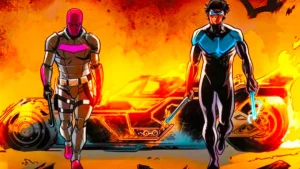
The central conflict of the second film lies in the ideological divide between the original Batman and his successor. Valley’s approach to crime-fighting is characterized by a reliance on advanced, weaponized technology and a lack of moral restraint, standing in stark contrast to Wayne’s disciplined, non-lethal methodology. This shift in tactics creates a volatile atmosphere in Gotham. As the criminal underworld reacts to this "new" Batman, the audience is expected to witness the degradation of the city’s safety as Valley’s brutality fails to address the root causes of the crime he seeks to eliminate. This dynamic serves as a dark mirror to Bruce Wayne’s philosophy, raising questions about what the city actually requires: a symbol of order or a force of raw, unchecked power.
Production and Creative Leadership
The project is helmed by director Jeff Wamester, a veteran of the DC Animated Movie Universe who has demonstrated a keen ability to handle large-scale, high-intensity action sequences. The screenplay is penned by Jeremy Adams, whose extensive work within the DC animation sphere has been lauded for its balance of character-driven drama and faithful adherence to source material. Production is being overseen by an experienced team, including Jim Krieg, Rick Morales, and Kimberly S. Moreau, ensuring a high level of visual and narrative consistency across the three-part project.
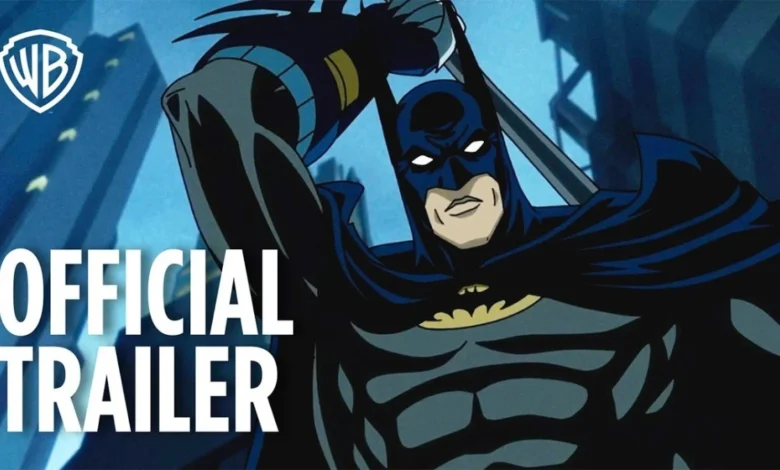
The release of the official trailer has sparked immediate discourse regarding the animation style and the tone of the adaptation. By maintaining a grounded, gritty aesthetic, the production team aims to honor the 1990s roots of the source material while utilizing modern animation techniques to heighten the intensity of the fight choreography and the claustrophobic nature of Gotham’s dark alleys.
Historical Context and Industry Significance
The decision to adapt "Knightfall" in a three-part format reflects a broader trend within Warner Bros. Home Entertainment to capitalize on long-form, prestige animated projects. Unlike standalone features, this trilogy structure allows for a more granular exploration of character development and world-building.
When the original comics were published, they generated massive sales figures, marking a high point in the 90s comic book boom. The "Knightfall" arc, specifically, was a response to the "grim and gritty" comic trends of the era, and it has since become a standard by which all subsequent Batman challenges are measured. The 2026 release of Knightquest is not merely an adaptation; it is a calculated effort to reintroduce this iconic arc to a new generation of fans who may be more familiar with modern cinematic interpretations of the character.
Supporting Data and Timeline
The chronology of the trilogy is designed to mimic the three-act structure of the source material:
- Late 2024/2025 (Projected): Initial release and reception of the first part, establishing the defeat of Bruce Wayne.
- Late 2026: Release of Batman: Knightfall, Part Two: Knightquest, focusing on the instability of the new Batman.
- 2027-2028 (Anticipated): Release of the final chapter, KnightsEnd, likely focusing on the return of Bruce Wayne and the confrontation with the pretender.
From an analytical standpoint, the success of these films hinges on the characterization of Jean-Paul Valley. If the audience finds him too sympathetic or too villainous, the tension of the middle act could falter. However, early promotional materials suggest that the film will focus on his descent into a psychological break, mirroring the chaos he brings to Gotham. This creates a compelling narrative arc that transcends typical "hero versus villain" tropes.
Implications for the DC Animated Universe
The broader impact of the Knightfall trilogy on the DC Animated Universe cannot be understated. By dedicating multiple years and high-level creative resources to a single story arc, Warner Bros. is signaling a shift toward more serialized, mature storytelling. This approach mirrors the success of live-action comic book cinematic universes but maintains the creative flexibility afforded by animation.
Furthermore, the choice to tackle "Knightfall" suggests an interest in exploring "legacy" characters—the idea that the mantle of Batman is not a permanent state but a burden that can be transferred, corrupted, or reclaimed. This thematic exploration is highly relevant in current media, where audiences are increasingly interested in the deconstruction of traditional heroism.
Public and Critical Anticipation
Social media discourse, particularly on platforms like X (formerly Twitter) and Bluesky, indicates a strong, polarized interest in the project. Die-hard fans of the 90s comics have expressed excitement about seeing iconic scenes—such as the breakdown of the Batman suit—brought to life with contemporary technology. Conversely, some viewers have raised questions about how the film will handle the specific brand of violence that defined the "Knightquest" era, which is famously brutal even by comic standards.
Warner Bros. has confirmed that the film will be available on both physical media (4K UHD and Blu-ray) and digital platforms, catering to both the collector market and the growing trend of digital-first consumption. This dual-distribution strategy underscores the studio’s commitment to maximizing the visibility of its animated slate.
Future Prospects and Conclusion
As the production moves toward its 2026 launch, fans should expect further teasers and character design reveals. The focus will likely remain on how the creative team differentiates this version of Gotham from previous iterations. The inclusion of the "Knightquest" chapter serves as the vital bridge in the trilogy; it is the point where the loss of the hero is felt most deeply, and where the hope for his return is at its most fragile.
With a proven creative team, a deep well of source material to draw from, and a clear, serialized narrative strategy, Batman: Knightfall, Part Two: Knightquest is poised to be a significant entry in the Batman filmography. Whether it succeeds in capturing the nuance and impact of the original comic remains to be seen, but the intent to honor the legacy of the "Knightfall" saga is evident. The industry will be watching closely to see if this ambitious adaptation can sustain its momentum through the entirety of its three-part journey, ultimately cementing the "Knightfall" event as the definitive animated interpretation of one of the Dark Knight’s darkest hours. As the release date approaches, the anticipation continues to build, marking a major milestone for DC fans globally.