Marvel Studios Prepares for a Massive Reboot: Inside the 9-Movie Slate and Grand Strategy for MCU Phase Seven

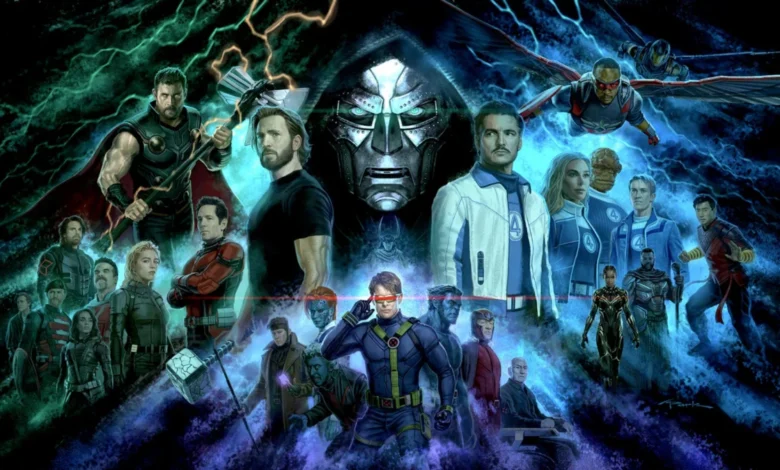
The landscape of the Marvel Cinematic Universe as audiences have known it for nearly two decades is rapidly approaching a definitive turning point. With the culmination of the "Multiverse Saga" drawing near through the highly anticipated releases of Avengers: Doomsday and Avengers: Secret Wars, Marvel Studios is preparing to wipe the slate clean. These upcoming crossover blockbusters are designed to collapse and reshape the existing multi-franchise continuity, clearing the path for an entirely rebooted and consolidated cinematic universe. According to recent insider reports, Marvel Studios has mapped out an ambitious strategy for this new era, beginning with Phase Seven. While initial details trickled out during San Diego Comic-Con and the D23 Expo, comprehensive industry intelligence suggests that the studio’s internal roadmap is far more expansive than previously disclosed to the public, signaling a structural reorganization of how modern superhero franchises will be managed.
The Shape and Structure of Phase Seven
Industry reports indicate that the inaugural phase of the post-Secret Wars era—widely designated as Phase Seven—will feature a tightly curated slate consisting of nine feature films. Rather than relying solely on the sprawling, interconnected solo franchises that defined the Infinity and Multiverse Sagas, Marvel Studios appears to be adopting a balanced distribution model. According to prominent industry insider leaks, the nine-film lineup is projected to comprise five solo character projects and four major team-up events, including a tentpole Avengers installment. This methodology suggests a deliberate shift by studio executives to prioritize high-impact crossovers and ensemble dynamics alongside foundational character studies, potentially mitigating audience fatigue associated with prolonged solo trilogies.

Operating under the traditional theatrical release cadence of three films per calendar year, Phase Seven is projected to span from 2028 through 2030. This structured pacing allows Marvel Studios to establish a distinct rhythm for the newly rebooted timeline. However, the decision to limit Phase Seven to nine films raises fundamental questions regarding the long-term architectural goals of Marvel President Kevin Feige and his creative team. It remains undetermined whether the studio will immediately commit to another multi-phase overarching narrative arc akin to the Infinity Stones or Kang Dynasty storylines, or if future phases will operate with greater narrative autonomy, relying on localized arcs and standalone thematic chapters.
Confirmed Releases and the 2028–2029 Timeline
The foundational blocks for Phase Seven have already begun to take shape through official announcements made during major convention appearances. Marvel Studios has locked in several key release dates and creative pairings for the immediate post-reboot era, anchoring the 2028 calendar with three high-profile projects:
- May 5, 2028: The official MCU X-Men Reboot, directed by Jake Schreier, who previously helmed Marvel’s Thunderbolts*. This project represents the long-awaited integration of mutantkind into the core sacred timeline as a foundational pillar rather than an ancillary element.
- July 28, 2028: A Ghost Rider feature film directed by Shawn Levy, known for Deadpool & Wolverine, featuring Ryan Gosling in the title role. This film aims to steer the supernatural side of the MCU into a high-budget, mainstream cinematic direction.
- December 15, 2028: Black Panther III, spearheaded by acclaimed filmmaker Ryan Coogler, ensuring continuity and creative stability for one of the studio’s most critically and commercially successful franchises.
With three major releases secured for 2028, six slots remain open across the projected 2029 calendar, corresponding to anticipated release windows on May 4, 2029; July 13, 2029; and November 9, 2029, alongside three additional slots likely positioned for 2030.
Fan Speculation and Potential Slate Additions
While Marvel Studios maintains tight security regarding unannounced titles, industry analysts and passionate fan communities have cross-referenced historical development slates, comic book source material, and ongoing narrative seeds to project the remaining six films of Phase Seven.
On the solo film front, logical continuations and overdue introductions dominate discussions. Following the unprecedented box office dominance of Sony and Marvel Studios’ collaborative Spider-Man projects—exemplified by historic domestic returns—a fifth installment focusing on Tom Holland’s web-slinger is widely considered an inevitability. Furthermore, projects that have languished in development or required specific narrative setups, such as Nova, Doctor Strange 3, and Shang-Chi 2, are viewed as prime candidates to occupy the remaining solo slots. Additionally, characters whose narrative arcs require deep mystical or cosmic exploration, such as the Scarlet Witch, are heavily rumored for standalone cinematic reintroductions following the multiverse collapse.
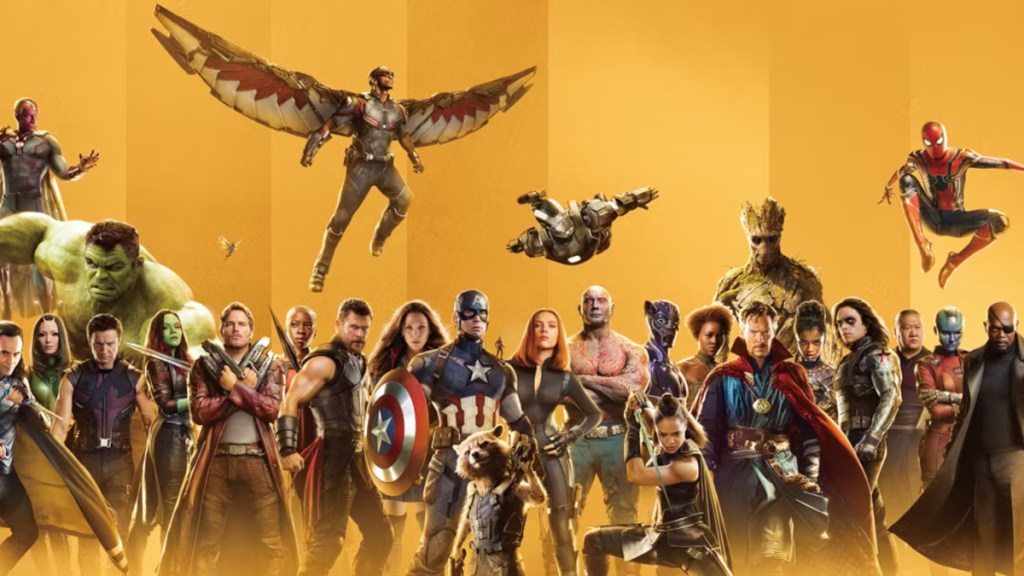
For the four projected team-up and ensemble films, the slate offers significant creative potential. Aside from the confirmed X-Men reboot and the inevitable seventh Avengers installment, properties such as a Fantastic Four sequel—built upon the foundation laid during the Multiverse Saga—are expected to anchor the cosmic and scientific side of the new universe. Furthermore, long-seeded initiatives pointing toward a Young Avengers or Champions configuration, combined with darker supernatural proposals like the Midnight Sons (uniting characters like Ghost Rider and Blade) and military-ops variants like X-Force, represent viable directions for Marvel’s ensemble strategy.
Strategic Implications and the Post-Multiverse Era
The transition into Phase Seven marks a critical juncture for The Walt Disney Company and Marvel Studios. For over fifteen years, the cinematic landscape has been dominated by a continuous, highly serialized storytelling format that required viewers to consume dozens of films and television series to fully appreciate overarching crossover events. While this formula generated historic box office revenues, culminating in multi-billion-dollar global phenomena, it also introduced significant barriers to entry for casual moviegoers.
By utilizing the reality-altering events of Avengers: Doomsday and Avengers: Secret Wars to reset the cinematic universe, Marvel Studios is presented with a rare systemic opportunity. A rebooted timeline allows writers and directors to streamline complex continuity, remove decades of accumulated narrative baggage, and present clean, accessible entry points for a new generation of audiences. The integration of established powerhouse intellectual properties—specifically the X-Men and the Fantastic Four—directly into the foundational bedrock of Phase Seven, rather than as late additions, ensures that Marvel’s most iconic comic book teams will drive the narrative engine from day one.
As production on the current Multiverse Saga concludes and pre-production ramps up for the 2028 theatrical slate, industry observers will closely monitor how Marvel Studios balances the commercial imperative of cinematic universe cohesion with the artistic necessity of standalone storytelling. The success or failure of Phase Seven will ultimately determine whether the superhero genre can successfully reinvent itself for the next decade of cinema.
Related posts: