City of Six Moons is a radical new solo board game that forces players to translate an alien language to learn the rules.

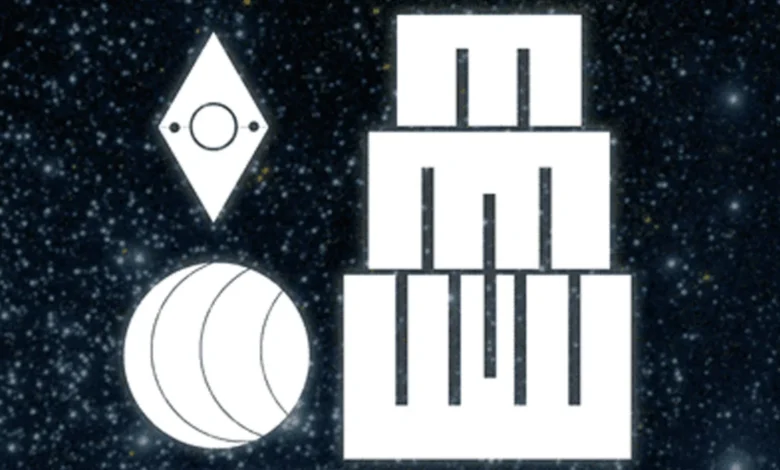
The upcoming board game, published by the acclaimed boutique studio Hollandspiele, represents a paradigm shift in how tabletop experiences are communicated to players. Designed by Amabel Holland, the project aims to simulate the experience of encountering a truly foreign intelligence. Unlike traditional games that prioritize accessibility and standardized rulebooks, City of Six Moons intentionally creates an environment of cognitive dissonance by presenting its entire instructional manual in a proprietary system of icons, glyphs, and non-human symbols.
The Philosophy of Alien Design
The core premise of the title is rooted in the "xenolinguistic" approach to game design. Amabel Holland has stated that the game is not merely about an alien civilization; it is designed as if it were a physical artifact produced by one. This requires players to abandon the safety of human logic and linguistic structures. The gameplay loop, therefore, begins before the first piece is moved on the board. Players must engage in a process of semiotic decoding, attempting to discern the mechanics, objectives, and limitations of the game through visual analysis.
This design choice serves as a commentary on the nature of rule interpretation. In modern board gaming, the "rules lawyer"—a player who insists on strict adherence to the written text—is a common archetype. By removing the ability to verify rules through conventional language, Holland effectively neutralizes this archetype, forcing players to rely on intuition and environmental cues.
Chronology and Development
The announcement of City of Six Moons follows a period of experimentation within the solo board gaming market, where titles like Final Girl or Robinson Crusoe have established high standards for thematic immersion. However, Holland’s project moves beyond thematic flavor text into the realm of structural gameplay.
- Initial Concept Phase: Early 2024 saw Holland exploring the boundaries of minimalist, icon-based instruction, drawing inspiration from historical cryptography and semiotics.
- Announcement: The project was formally teased via Hollandspiele’s social media channels and further clarified through discussions on platforms like Bluesky and BoardGameGeek throughout mid-2024.
- Upcoming Launch: The game is currently scheduled for a commercial release in late 2024, with the physical components being finalized by the Hollandspiele team, led by Amabel and co-owner Mary Holland.
The Mechanics of Uncertainty
One of the most provocative aspects of this release is the designer’s commitment to ambiguity. In an era where digital support, FAQ documents, and active community forums allow players to resolve any ambiguity in a rulebook within minutes, City of Six Moons rejects this safety net. Amabel Holland has explicitly stated she will not provide clarifications or corrections for the rules.
This creates a state of "permanent mystery." Players may reach a point where they believe they have deciphered the game, but they will never possess the objective certainty that their interpretation matches the designer’s original intent. This is a deliberate design choice meant to mimic the frustration and wonder of archaeological discovery. The game asks: What happens when the creator is absent, and the user must define the rules of the system themselves?
Implications for the Tabletop Industry
The release of City of Six Moons is likely to spark a broader debate within the hobbyist community regarding the balance between "player accessibility" and "artistic intent." Historically, the board game industry has trended toward simplifying rules to increase mass-market appeal. From the rise of "gateway games" in the early 2000s to the prevalence of simplified "how-to-play" videos, the barrier to entry for complex games has been systematically lowered.
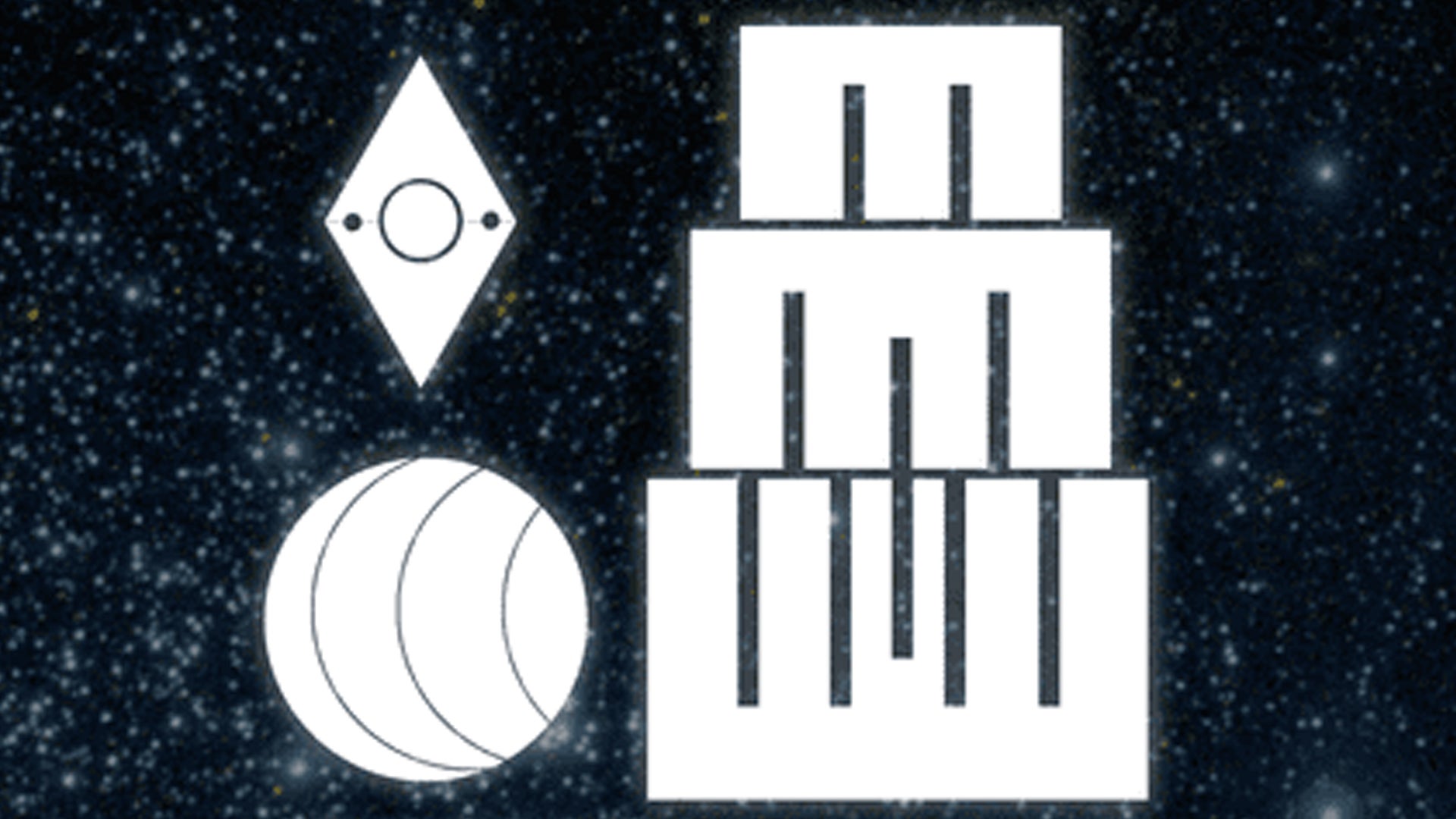
Holland’s project represents a counter-movement. By treating the rulebook as a primary component of the gameplay rather than a peripheral document, the game shifts the focus from "learning a system" to "exploring a culture." If successful, this could inspire a new sub-genre of "cryptographic games," where the mechanical experience is secondary to the intellectual challenge of deciphering the game’s own existence.
Statistical Context and Market Reception
While niche, the solo board game market has seen a CAGR (Compound Annual Growth Rate) of approximately 7-9% over the last five years. The rise of "solitaire-first" games has been driven by both the global shift toward remote recreation and the increased complexity of modern AI-driven board game opponents.
However, City of Six Moons faces a significant hurdle: player retention. Data from tabletop community metrics suggest that titles with high "learning curves" often suffer from rapid player attrition. By making the rules themselves a puzzle, Holland risks alienating players who prefer the comfort of a standard, clear manual. Conversely, for the "puzzle-solver" demographic, the game offers a unique value proposition that no other title currently provides.
The Experience of Loss
Perhaps the most philosophical contribution of the title is the concept of "losing the mystery." Holland has acknowledged that once a player successfully deciphers the iconographic code, the game effectively "dies" as an alien mystery and becomes a standard, functional tabletop game.
This transition—from a state of pure discovery to a state of mastered logic—is intended to be a poignant experience. The "loss" of the unknown is a central pillar of the game’s emotional arc. It forces the player to engage with the reality that, in many of life’s pursuits, the process of learning is often more profound than the eventual mastery of the subject matter.
Looking Ahead
As the release date approaches, the board game community remains divided between those who view this as a pretentious exercise in obfuscation and those who celebrate it as a bold, avant-garde experiment in ludic design.
Regardless of the outcome, City of Six Moons is poised to be one of the most discussed titles of the year. Whether it becomes a collector’s item for its sheer audacity or a case study in the limits of game design, its impact on the industry is already secured. By challenging the fundamental social contract between the designer and the player, Amabel Holland is forcing the industry to ask a vital question: Does a game exist to be played, or does it exist to be understood?
For those who purchase the game next month, the challenge will be to find the answer—without any help from the creator.
Related posts: