Carry the Darkness: Talking with Doug Forrester, Joel Meyers, Helen Laser The Horror Collective’s newest feature debuts on BloodStream TV this month

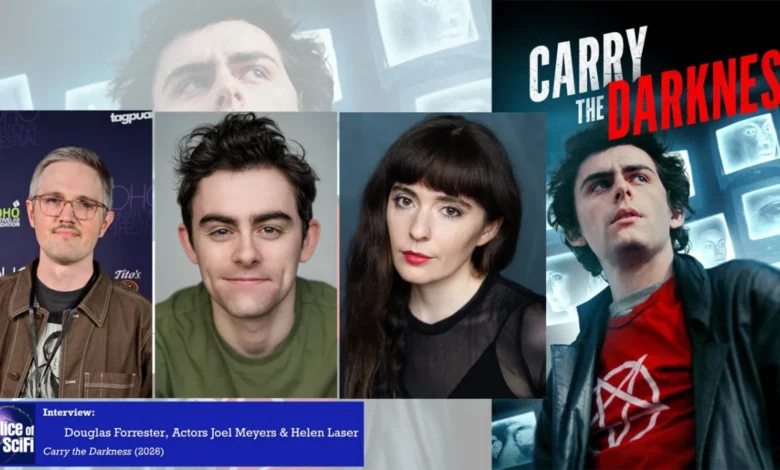
The landscape of independent horror is expanding once again with the arrival of The Horror Collective’s latest feature, Carry the Darkness. The film, which draws thematic inspiration from atmospheric television classics like Twin Peaks, officially premieres on the horror-dedicated streaming platform BloodStream TV on Friday, August 14. Ahead of the release, writer-director Douglas Forrester, alongside principal cast members Joel Meyers and Helen Laser, sat down for an in-depth discussion about the creative journey, historical inspirations, and painstaking production process that brought the movie to life.
For horror enthusiasts and aficionados of psychological thrillers, the release marks a significant milestone for a project that has been in development and production for several years. Merging the eerie isolation of rural mysteries with the heavy societal paranoia of the late-20th-century Satanic Panic, Carry the Darkness aims to explore not only supernatural terror, but the devastating human cost of false allegations and rigid public consensus.
From Woods Monster to Psychological Mystery
The genesis of Carry the Darkness traces back to a much simpler concept. According to writer-director Douglas Forrester, the project originally began as a modest short film centered on an ambiguous, unknown monster lurking in the woods. However, as Forrester continued to develop the narrative, the scope expanded organically into a feature-length exploration of human fear and institutional paranoia.
In transforming the short into a full-scale feature, Forrester infused the script with elements reminiscent of the 1990s cultural phenomenon surrounding the Satanic Panic. This era, characterized by widespread societal anxiety, unsubstantiated allegations of occult rituals, and a rush to judgment by communities and media outlets alike, provided a rich backdrop for the film. Rather than relying solely on traditional creature-feature tropes, Carry the Darkness uses the panic as a pressure cooker, examining how quickly communities turn on individuals when rumors solidify into accepted "truth."
For lead actors Joel Meyers and Helen Laser, stepping into this tense narrative required a deep exploration of character psychology. During discussions about their roles, Meyers and Laser emphasized the unique challenge of portraying individuals trapped in a web of preconceptions. A central theme of their performances revolves around the sheer frustration and helplessness of trying to convince people whose opinions have already hardened. When society—or a close-knit community—decides who you are based on malicious gossip or false allegations, any attempt to defend yourself can paradoxically be twisted as guilt. The actors noted that this dynamic forms the emotional core of the film, compounding the external terror with a suffocating sense of injustice.
Crafting the Atmosphere: Sound, Style, and Setting
Recreating a specific historical and atmospheric mood required meticulous attention to detail across every department of production. Forrester detailed the extensive efforts made to source period-accurate clothing and music that reflected the era in which the film is set. To ensure the auditory landscape matched the visual aesthetic, the production utilized curated playlists to establish specific emotional tones for various scenes.
This musical foundation complemented the work of composer Travis Bacon, who designed the film’s atmospheric incidental music. However, the auditory experience of Carry the Darkness extends far beyond a traditional score. The soundtrack features prominent contributions from heavy underground musical acts, including Sanhedrin and Vicious Blade, alongside tracks from Travis Bacon’s own band, Contracult. This eclectic blend of heavy, driving sounds serves to heighten the tension, anchoring the psychological dread in a visceral, gritty reality.
The dedication to the film’s auditory worldbuilding will also extend to physical and digital consumer markets. Alongside the digital rollouts, composer Travis Bacon announced that the official film score will be released on September 10, complete with a planned limited-run cassette tape for collectors and audiophiles.
Production Timeline and Behind-the-Scenes Challenges
Bringing Carry the Darkness from script to screen was a marathon effort spanning multiple years. Principal photography for the independent feature commenced in the fall of 2021, capturing the bleak, isolated landscapes necessary to establish the film’s chilling atmosphere.
Following the initial shoot, the production entered an extended post-production phase throughout 2022 and 2023. This period involved rigorous editing, minor pickup shoots, and specialized insert filming to ensure narrative cohesion. Notably, Douglas Forrester took a hands-on approach to the film’s creation, personally tackling a wide variety of special effects over time, in addition to overseeing complex picture and audio editing tasks. In independent filmmaking, such multi-role responsibility is often necessary, and Forrester’s sustained commitment over the multi-year post-production window highlights the sheer tenacity required to finish a feature-length genre film.
Distribution Roadmap and Home Media Details
Following its exclusive streaming debut on BloodStream TV on August 14, Carry the Darkness is slated for a comprehensive distribution rollout designed to capture both streaming audiences and physical media collectors.
Major digital platforms—including Amazon, Apple TV, DirecTV, Google Play, and Vimeo—will host the film following its initial streaming window. For physical media enthusiasts, The Horror Collective has scheduled a dedicated Blu-ray release for September 8. This physical edition is tailored for fans of special features, including three exclusive deleted scenes and a comprehensive audio commentary track with the filmmakers and cast.
Broader Implications for Independent Genre Cinema
The release of Carry the Darkness on BloodStream TV and subsequent platforms highlights the evolving distribution landscape for independent horror. In an era where genre films increasingly find targeted audiences through niche streaming services rather than traditional theatrical runs, platforms like BloodStream TV provide a vital home for mid-budget and indie projects.
Furthermore, the thematic resonance of Carry the Darkness taps into a growing appetite for elevated horror and psychological thrillers that reflect historical anxieties. By examining the mechanics of public shaming, false accusations, and community hysteria through a genre lens, Forrester’s film mirrors contemporary conversations regarding misinformation and social polarization.
As independent filmmakers continue to leverage boutique distributors like The Horror Collective, projects with distinct artistic visions—backed by dedicated multi-year efforts in practical effects, custom soundtracks, and atmospheric worldbuilding—demonstrate the enduring vitality of the indie horror sector. With its multi-platform release strategy and robust physical media package, Carry the Darkness positions itself as a notable entry in the 2024 horror calendar, offering viewers a blend of supernatural mystery and deeply grounded human tragedy.