Na Hong-jin Returns With Hope: A Genre-Blending Sci-Fi Action Feature That Tests the Limits of Visual Effects and Storytelling

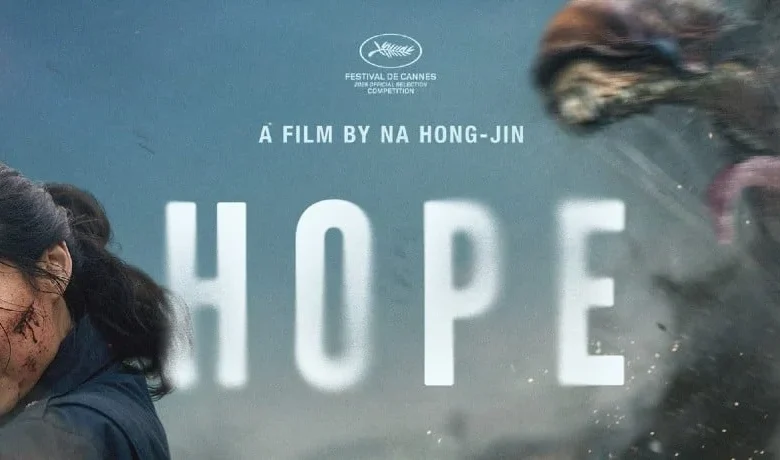
Ten years after the international success of his psychological thriller The Wailing, acclaimed South Korean filmmaker Na Hong-jin has returned to the director’s chair with Hope, an ambitious and structurally unconventional feature film. Blending elements of large-scale science fiction, small-town creature features, and high-octane action-horror destruction, the film serves as a foundational chapter for an intended multi-part franchise. Premiering to considerable discussion within the global festival circuit, Hope has already garnered critical attention, earning special recognition for Excellence in Action Cinema at the New York Asian Film Festival.
However, the film’s rollout has also sparked robust debates among critics and audiences regarding its tonal shifts, chaotic narrative structure, and a stark juxtaposition between practical effects and polarizing computer-generated imagery. Featuring an international ensemble cast and a high-concept premise involving extraterrestrial visitation, Hope represents one of the most eccentric and polarizing major productions to emerge from South Korean cinema in recent years.
Chronology of the Narrative and Plot Structure
The narrative of Hope begins with an ostensibly routine disturbance in the isolated coastal hamlet of Hope Harbor. Police Chief Ko Bum-seok, portrayed by Hwang Jung-min, is dispatched to investigate an unusual obstruction on a rural road: the mauled and bloodied carcass of a dead cow. Shortly thereafter, Bum-seok’s second cousin, Ko Sung-ki (played by Zo In-sung), hypothesizes that a wild predator, specifically a tiger, has escaped into the local wilderness. Organizing a hunting party, Sung-ki ventures deep into the surrounding forests to track the supposed beast.
However, the initial assumption of a terrestrial animal attack is quickly upended. Upon returning to the waterfront village, Chief Bum-seok discovers that Hope Harbor has been subjected to catastrophic devastation. A massive, aggressive, and exceptionally fast entity has torn through the settlement. This discovery initiates a frantic sequence of events as Bum-seok joins forces with retired military personnel and heavily armed law enforcement.
Teaming up with retired Colonel Ahn Nak-yeon (Lee Sang-hee) and a fiercely equipped rookie officer named Im Sung-ae (portrayed by Jung Ho-yeon), Bum-seok attempts to restore order and uncover the origins of the catastrophe before Hope Harbor can be officially declared safe. The narrative subsequently shifts from a traditional investigative mystery into an aggressive creature-feature onslaught, punctuated by the arrival of extraterrestrial combatants.
Character Dynamics and International Ensemble Cast
Na Hong-jin has assembled a prominent cross-cultural cast for Hope, blending veteran South Korean talent with internationally recognized Hollywood actors. The human contingent is anchored by Hwang Jung-min, whose portrayal of the frequently overwhelmed and reluctant Police Chief Ko Bum-seok introduces an element of dark comedy and grounded realism. Jung Ho-yeon provides a striking counterbalance as the trigger-happy rookie Im Sung-ae, whose tactical proficiency and heavy weaponry evoke classic 1980s action cinema tropes.
The extraterrestrial antagonists are similarly embodied by a distinct lineup of international performers utilizing advanced facial-scanning technology to map human expressions onto all-digital avatars. Cameron Britton portrays Va’migere, a hag-like humanoid creature characterized by feral mobility and devastating physical strength.
Michael Fassbender, Alicia Vikander, and Taylor Russell round out the alien faction as near-indestructible entities, each equipped with specialized combat attributes:
- Ma’veyyo (Michael Fassbender): A mutant guard entity exhibiting wolverine-like tactical aggression.
- Empress J’aur (Alicia Vikander): A dominant commander featuring defensive antler-like skeletal spikes protruding from her spine.
- Ai’dovor (Taylor Russell): A lethal combatant wielding a specialized one-handed weapon.
By applying detailed characterization to both the terrified human survivors and the invading extraterrestrial species, Na establishes a complex dynamic that sets the groundwork for planned cinematic sequels.
Critical Reception and Technical Analysis
While Hope has been widely praised for its visceral choreography, audacious tone, and unrelenting pacing, it has also faced substantial scrutiny regarding its technical execution—specifically its digital visual effects. Cinematographer Hong Kyung-pyo delivers sweeping, visually stunning vistas, capturing high-speed chases on horseback through landscapes such as Romania’s Retezat Mountains.
However, these organic, beautifully lensed sequences frequently clash with the film’s computer-generated alien avatars. Critics have noted that characters like Ma’veyyo frequently appear as clunky, under-rendered digital constructs that fail to integrate seamlessly into their natural environments. This visual dissonance is further highlighted by the film’s practical effects work; sequences involving the autopsy of a deceased extraterrestrial organism display intricate, high-quality physical craftsmanship that sharply contrasts with the pixel-heavy action scenes.
Despite these technical inconsistencies, the film’s action sequences have received widespread acclaim for their uncompromising brutality and kinetic energy. The encounters between the alien invaders and local militia forces are characterized by high-velocity impacts, inventive choreography, and memorable fatalities that subvert standard creature-feature tropes.
Tone, Humor, and Narrative Ambition
A defining characteristic of Hope is its willingness to pivot unpredictably between high-stakes science fiction dread, visceral violence, and pitch-black, absurdist comedy. The script routinely undercuts its own dramatic gravity by injecting mundane, often vulgar comedic elements into critical moments. Notably, a pivotal scene wherein a survivor delivers essential exposition regarding the alien invaders is juxtaposed with graphic, humorous complaints regarding a severe bout of spicy pork-induced illness.
This tonal elasticity reflects Na Hong-jin’s distinct directorial voice, which prioritizes subversion over traditional narrative conventions. By blending battlefield gore, moments of profound excitement, and eccentric humor, the filmmaker constructs a cinematic experience that resists easy categorization.
Broader Impact and Industry Implications
Hope arrives at a critical juncture for international genre cinema, demonstrating an increasing appetite for high-budget, cross-cultural co-productions that push traditional narrative and visual boundaries. By pairing prominent South Korean cinematic talent with internationally recognized Hollywood stars, the production highlights the ongoing globalization of the South Korean film industry in the wake of preceding cinematic milestones.
Furthermore, the film’s design as a franchise starter indicates a long-term strategic investment by its creators. While industry analysts have noted that the polarizing visual effects and erratic pacing may alienate certain mainstream demographics, Hope ultimately reaffirms Na Hong-jin’s status as one of contemporary cinema’s most daring and uncompromising visionaries. By challenging audience expectations and redefining the parameters of the modern creature feature, Hope establishes a complex foundation for whatever cinematic universe the filmmaker chooses to construct next.