James Gunn Clarifies the Creative Inspirations Behind Man of Tomorrow and Addresses Panic in the Sky Rumors

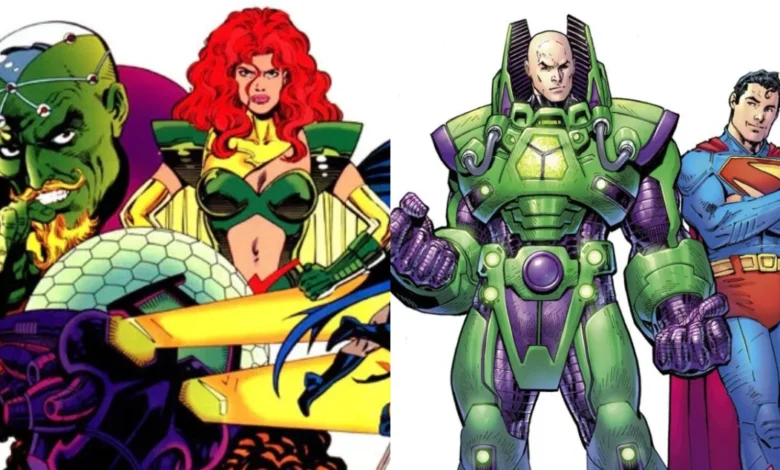
The creative direction of the upcoming DC Universe (DCU) project, Man of Tomorrow, has remained a subject of intense public discourse as fans and industry observers alike attempt to piece together the narrative foundations of the highly anticipated film. Following months of circulating speculation regarding the potential influence of the classic DC comic storyline Panic in the Sky on the film’s plot, DC Studios co-CEO James Gunn has provided a definitive clarification. Addressing inquiries directly via his social media presence on Threads, Gunn has refuted the theory that the 1992 Panic in the Sky arc serves as a blueprint for the sequel, offering a more nuanced explanation of his collaborative research process regarding the iconic antagonist Brainiac.
The Origin and Evolution of the Speculation
The rumor mill surrounding Man of Tomorrow began to accelerate shortly after official announcements confirmed the film’s development. Initially, significant public attention was directed toward the potential introduction of Wonder Woman into the burgeoning DCU narrative. When James Gunn publicly debunked the reports regarding the Amazonian princess’s participation in the film, the void left by that theory was rapidly filled by secondary speculation.
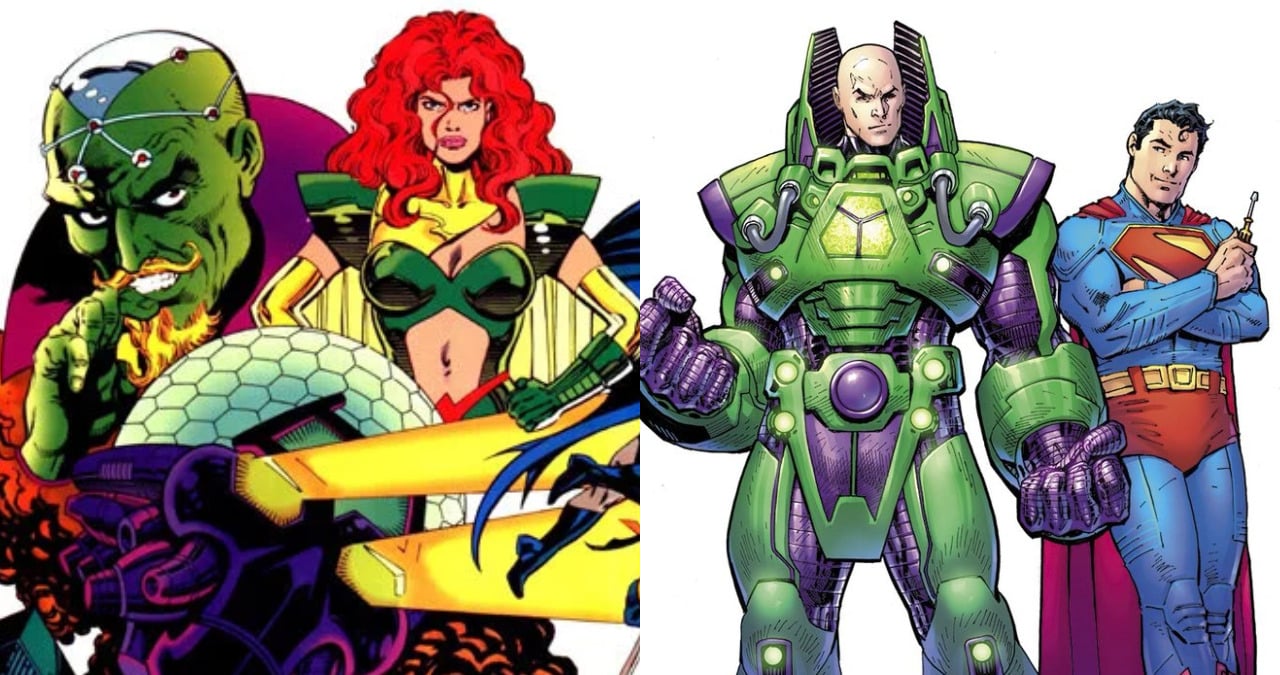
The subsequent narrative shift focused on the character of Maxima, an intergalactic warrior often associated with Superman’s rogue’s gallery. Because Maxima features prominently in the Panic in the Sky event—a major crossover storyline in which Brainiac attempts to conquer Earth—fans and industry pundits inferred a causal link. The logic followed that if Brainiac were the primary threat in Man of Tomorrow, the source material featuring his most significant team-ups and conflicts would naturally serve as the primary narrative framework for the film. This led to a widespread, albeit unverified, belief that Panic in the Sky was the foundational pillar upon which the film’s script was constructed.
James Gunn’s Clarification on Creative Process
In a direct response to fan inquiries regarding these theories, James Gunn clarified that while the film’s treatment of Brainiac is rooted in deep research, the influence is not derived from a single source material. Gunn stated, "Fun story but not really, no. More specifically: I read almost every Brainiac story to put Brainiac in Man of Tomorrow together and used bits and pieces I thought worked best. But Panic in the Sky wasn’t a key influence on the story."
This statement serves as a significant corrective to the ongoing rumors. By indicating that he performed a comprehensive survey of Brainiac’s publishing history rather than relying on one specific arc, Gunn highlights a production methodology that favors synthesis over adaptation. This approach suggests that the DCU’s version of Brainiac may be a composite character, drawing from various iterations across decades of DC Comics history, rather than a direct translation of a 1990s crossover event.
Contextualizing the DCU Production Timeline
To understand the weight of these rumors, it is necessary to look at the timeline of the DCU’s expansion. Since the announcement of the "Gods and Monsters" slate in early 2023, James Gunn and Peter Safran have been tasked with building a cohesive narrative universe that balances established lore with fresh, original storytelling.
- January 2023: DC Studios announces the first chapter of the DCU, outlining a roadmap that includes major projects like Superman and Man of Tomorrow.
- Late 2025 – Early 2026: Casting rumors and plot theories begin to proliferate on social media platforms, with fans analyzing every minor detail, including potential villain appearances.
- February 2026: Speculation peaks regarding the inclusion of Maxima and the structural reliance on Panic in the Sky.
- Mid-2026: James Gunn formally addresses and clarifies the extent of the inspiration for the script.
- July 9, 2027: Current scheduled theatrical release for Man of Tomorrow.
This chronology illustrates a consistent pattern: as the release date for a major DC project approaches, the vacuum of information is filled by fan-generated theories. When these theories gain enough traction, they often necessitate official clarification from studio leadership to manage audience expectations and maintain the integrity of the project’s marketing.
Analyzing the Impact of the Clarification
The debunking of the Panic in the Sky connection carries broader implications for how audiences should interpret upcoming DCU announcements. First, it suggests that the studio is prioritizing a "best of" approach for character development. By pulling "bits and pieces" from various Brainiac storylines, Gunn is signaling that the DCU will not be beholden to any single comic book run, allowing for a more flexible and potentially unpredictable narrative.
Second, the clarification has immediate consequences for the rumors surrounding Maxima. If Panic in the Sky is not a foundational text, the secondary assumption—that Maxima must be included because she appeared in that specific comic—loses its logical support. Furthermore, industry reports suggesting that casting directors were searching for an "athletic woman" for a major role may have been misinterpreted or taken out of context. If the script does not follow the Panic in the Sky template, the necessity for Maxima’s presence is significantly reduced. This leaves the door open for other antagonists or supporting characters to take the spotlight, reinforcing the idea that the film may be charting a path independent of the most commonly predicted comic book arcs.
The Role of Fan Speculation in Modern Cinema
The discourse surrounding Man of Tomorrow highlights a unique phenomenon in modern franchise filmmaking: the "theory-first" consumer experience. In the era of social media, audiences are no longer passive recipients of information; they are active investigators who treat franchise development as a collaborative, albeit sometimes inaccurate, process.
The tendency for fans to link specific comic book titles to upcoming films is a testament to the depth of the source material. However, as evidenced by Gunn’s clarification, this process can lead to a disconnect between audience expectations and the studio’s actual creative strategy. The professional journalistic consensus remains that while source material provides the DNA for these films, the creative teams at DC Studios are operating with the intent to synthesize and innovate, rather than merely replicate.
Looking Ahead to July 2027
With the confirmation that Man of Tomorrow will rely on a wide-ranging synthesis of Brainiac’s history, anticipation now shifts toward the reveal of the film’s actual cast and plot specifics. The July 9, 2027, release date remains the target, and as production continues, the focus will likely transition from speculative theories to verified production assets, such as official character designs and casting announcements.
The clarification provided by James Gunn is a vital component of the studio’s communication strategy. By addressing the Panic in the Sky rumor directly, the studio minimizes the risk of audience disappointment that might arise if viewers were expecting a direct adaptation of a specific comic book event. It sets a clearer expectation: Man of Tomorrow is a product of comprehensive research and creative curation, designed to honor the legacy of the character while establishing a new, distinct identity for the DC Universe.
As the project moves into its next phases of production, the industry will continue to monitor the balance between honoring the rich history of DC Comics and the necessity of crafting a compelling, original cinematic experience. For now, the "secret handbook" to the DCU remains, as ever, in the hands of the architects behind the lens, who continue to navigate the fine line between satisfying long-term fans and surprising new audiences.