Revisiting classic cinema from the 20th century often provides a profound sense of historical detachment. While major historical markers like fashion trends, classic automobiles, and iconic architectural backdrops are immediately noticeable, the subtlest shifts in everyday human behavior offer the most striking sociological contrast. Modern audiences watching films produced before the widespread adoption of smartphones, the internet, and sweeping indoor public health regulations frequently encounter casual, routine actions that would be entirely obsolete, legally prohibited, or socially anomalous today.

These narrative and visual relics operate as inadvertent time capsules. They document an era when communication required physical proximity or scheduled coordination, when urban spaces functioned under entirely different regulatory frameworks, and when privacy and connectivity existed in a delicate balance starkly opposed to contemporary hyper-connectivity. Examining these fifteen persistent tropes reveals not only the evolution of cinematic storytelling conventions, but also the rapid, systemic transformation of daily life over the past several decades.
The Ubiquity of Indoor Public Smoking
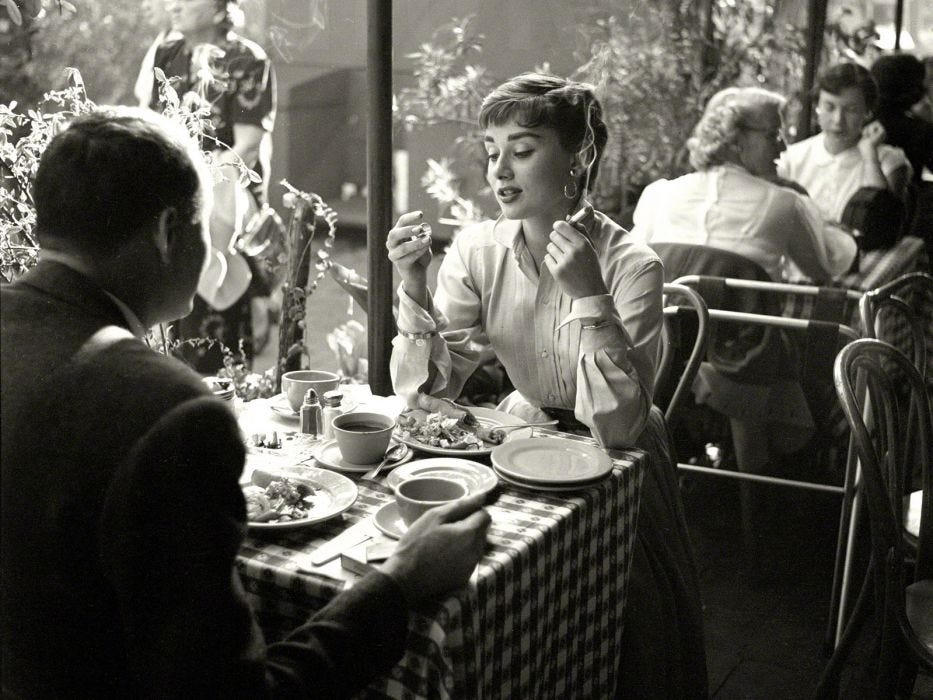
Few visual markers separate contemporary life from mid-to-late 20th-century cinema as decisively as the omnipresence of cigarette smoke. In older films, characters casually light up in environments that are now strictly regulated zones of health and safety. Dining tables in upscale restaurants, bustling corporate offices, hotel rooms, hospital maternity wards, and even commercial airline cabins regularly served as indoor smoking lounges.

This cinematic reality reflects a profound historical shift in public health policy and cultural attitudes toward tobacco. According to historical public health data from the World Health Organization and the Centers for Disease Control and Prevention, comprehensive indoor smoking bans began gaining legislative momentum in the late 1980s and accelerated rapidly throughout the 1990s and 2000s. Today, indoor smoking is virtually eradicated in public commercial spaces across most developed nations, making historical cinematic depictions of indoor smoking feel less like creative fiction and more like an alternate reality.
The Mechanics of Disconnection: Landlines and the Absence of Cellular Devices
The narrative architecture of suspense and drama in older films relied heavily on physical geography and the limitations of telecommunication technology. Before the ubiquitous integration of cellular devices in the late 1990s and early 2000s, characters frequently vanished from contact for hours or even days without triggering panic. Being unreachable was a standard, accepted baseline of human existence.
When communication was necessary, households relied on a single shared landline telephone. Private conversations required strategic maneuvering—such as retreating to a bedroom, unwinding a lengthy coiled cord to stretch into a hallway, or waiting until other family members vacated the premises. The absence of instant messaging meant that social coordination depended entirely on punctuality, explicit pre-planning, and an unwavering trust that participants would arrive at agreed-upon destinations without the safety net of a real-time update.
Urban Navigation and Analog Information Retrieval
Before the advent of global positioning systems (GPS) and digital mapping applications, urban landscapes functioned through physical infrastructure and interpersonal interaction. Characters lost in an unfamiliar city did not consult a pocket-sized screen; instead, they routinely stopped strangers on the sidewalk to ask for verbal directions. These interactions often yielded complex, multi-step instructions that had to be memorized or hastily scribbled onto a scrap of paper.

When spatial navigation required vehicular travel, road trips necessitated the use of massive, accordion-folded paper road maps. Drivers and passengers wrestled with these unwieldy documents spread entirely across the dashboard and passenger seat, attempting to trace routes while moving at highway speeds. Similarly, identifying a business or locating a residential phone number required physically leafing through hefty printed directories like the Yellow Pages or White Pages, a methodical and time-consuming process that underscores the friction inherent in pre-digital information access.
Public Telecommunications Infrastructure
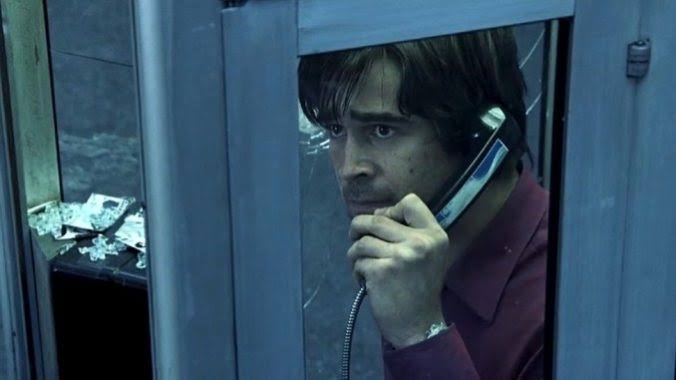
The physical architecture of the modern streetscape has been fundamentally reshaped by the obsolescence of the public payphone and the neighborhood phone booth. Once fixtures of urban street corners, transport hubs, and diner lobbies, phone booths were essential narrative devices for urgent narrative turns, clandestine meetings, or characters stranded without transit fare.
Operating these public units required carrying exact denominations of loose change. The necessity of locating a functioning payphone, waiting in line, and depositing coins added a tactile layer of urgency to cinematic emergencies. Running out of coins mid-conversation meant an abrupt disconnection, a narrative tension point entirely alien to an audience accustomed to ubiquitous, battery-powered personal handsets.
Analog Media Processing and Delayed Documentation
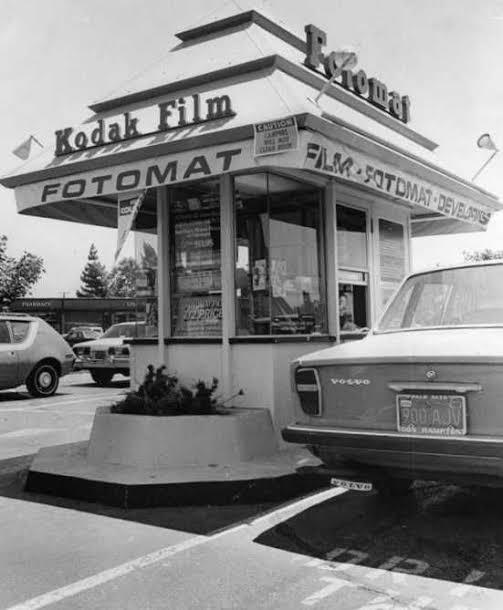
The transition from analog to digital photography fundamentally altered how human memories are captured and reviewed. In older films, capturing a photograph was merely the first step in a multi-stage process. Characters could not instantly review an image on an LCD screen, delete flawed shots, or transmit files globally via wireless networks.
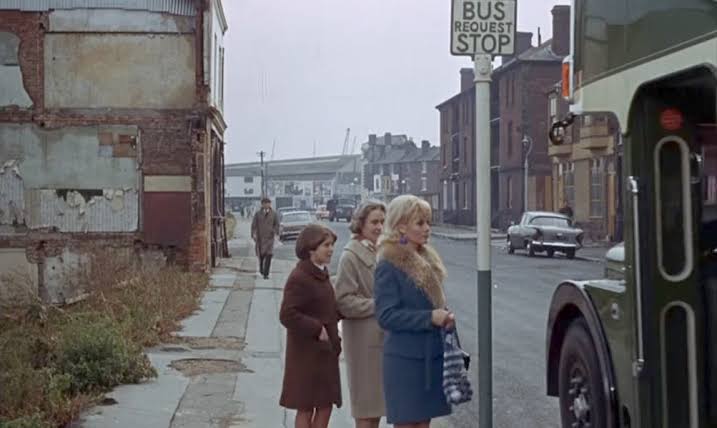
Instead, taking pictures required physical film rolls that had to be physically brought to a commercial photo laboratory. Characters experienced a deliberate waiting period—ranging from one hour to several days—before discovering whether exposure, lighting, or framing had succeeded. This enforced delay added narrative anticipation to plot points involving photographic evidence, vacation memories, or covert surveillance.
Asynchronous Communication and Domestic Logistics
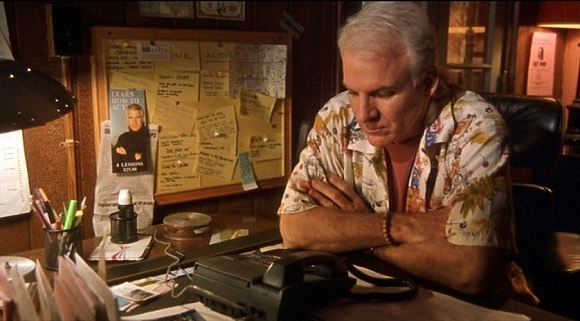
Home communication relied heavily on hardware that accommodated absence. Answering machines—initially utilizing magnetic cassette tapes and later digital storage—acted as the primary gatekeepers of domestic messages. Characters routinely spoke into recording devices, leaving brief explanations or requests without any certainty regarding when the intended recipient would return home to listen.
This asynchronous model of communication extended directly to transportation logistics, particularly at major transit hubs like airports. Greeting arriving passengers at the gate or baggage claim required absolute faith in flight schedules and punctuality. Without the ability to send a quick text message notifying a waiting party of a weather delay, mechanical failure, or missed connection, loved ones simply stood at the terminal gates indefinitely, trusting the scheduled arrival time.
Traditional Office Workflows and Physical Commerce
The modern workplace has undergone an equally dramatic technological overhaul. Office environments depicted in older films feature clacking mechanical or electric typewriters as standard equipment. Correcting a typographical error required physical intervention using specialized correction fluid, painstaking erasure, or retyping an entire document from scratch.
Simultaneously, financial transactions operated on a cash-heavy basis. Wallets stuffed with paper currency and minted coinage were standard for everyday purchases, including restaurant meals, taxi fares, retail shopping, and entertainment. The expectation that a merchant would process electronic debit, credit, or mobile-device payments was virtually nonexistent, requiring consumers to plan their liquidity in advance of daily excursions.
Cultural Norms Surrounding Youth Independence and Entertainment
Beyond technology and commerce, older films capture distinct shifts in cultural expectations regarding domestic safety and childhood autonomy. Depictions of children and adolescents roaming neighborhoods, riding bicycles across town, visiting local parks, and remaining entirely unsupervised for hours at a time were standard narrative tropes. Parents rarely tracked their children’s geographical coordinates via digital applications, reflecting a prevailing mid-to-late 20th-century standard of public safety and community trust.
At-home leisure time operated under similar constraints of scarcity. Television viewing was dictated strictly by real-time broadcast schedules. Audiences sat down to watch whatever linear programming networks were transmitting at that precise hour, entirely devoid of video-on-demand libraries, algorithmic recommendation engines, pause buttons, or multi-episode streaming capabilities.
Broader Implications and Sociological Impact
The growing gulf between contemporary life and the realities depicted in classic cinema highlights the rapid pace of technological innovation over the past half-century. Media historians and sociologists note that these films serve as accidental archives, preserving the daily frictions, communication barriers, and social rituals that defined human interaction before the digital revolution. While modern conveniences have optimized efficiency, speed, and connectivity, reviewing these cinematic artifacts offers a nostalgic reminder of a slower-paced world where physical presence, patience, and serendipity governed everyday life.
Related posts: