Level-5 President and CEO Akihiro Hino Confirms Generative AI Usage in Recent Showcase, Sparks Fan Backlash and Industry Debate

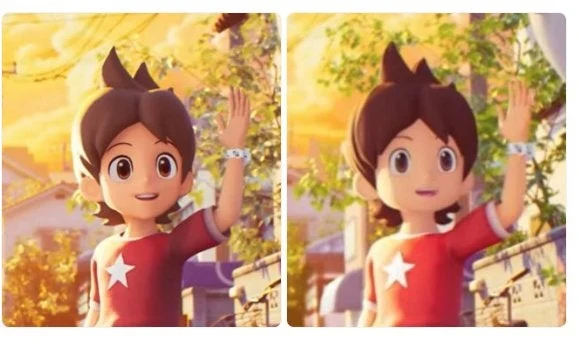
Level-5 president and chief executive officer Akihiro Hino has formally confirmed that generative artificial intelligence tools were utilized in the production of footage for the studio’s recent high-profile digital showcase. The revelation comes directly in response to widespread fan scrutiny and public outcry on social media, where sharp-eyed observers quickly identified telltale signs of undisclosed AI-generated content within trailers for highly anticipated titles such as Professor Layton, Decapolice, and Yo-Kai Watch. The controversy highlights a growing tension within the interactive entertainment sector as legacy developers grapple with the integration of emerging technologies amidst a backdrop of consumer skepticism.
The digital showcase, which aired globally last week to massive fan excitement regarding the revival of several dormant franchises, quickly turned into a focal point for digital forensics. Viewers took to platforms such as X, formerly Twitter, to dissect the presentation frame by frame. Community members pointed out visual artifacts, inconsistencies in character movements, and bizarre background anomalies typical of early-iteration generative video tools. While initial reactions to the event’s lineup were overwhelmingly positive regarding the return of beloved intellectual properties, the euphoria rapidly soured as the community realized the promotional material may have bypassed traditional artisan pipelines.
In the wake of the mounting backlash, Hino addressed the community directly via social media, offering a formal explanation and an apology for any discomfort caused by the visual presentation. According to translations of his statements, the decision to incorporate generative AI into the showcase footage was driven by a desire to create a more spectacular and dynamic event. Hino characterized the implementation as an experimental trial designed to test the boundaries of the latest technological advancements in media production. He admitted that the execution missed the mark regarding audience expectations, acknowledging that the pervasive use of AI-generated assets left many fans feeling uneasy about the future trajectory of the studio’s creative output.
The chronology of the event traces a swift trajectory from celebration to controversy. Leading up to the broadcast, anticipation for Level-5 was at an all-time high, given the studio’s historical prominence in crafting narrative-driven adventures. Upon the premiere of the showcase, comments sections and forums flooded with praise for the return of iconic characters like Professor Layton. However, within hours, specialized gaming communities began sharing side-by-side comparisons and flagging suspicious rendering anomalies. By the end of the week, independent video game journalists and industry analysts picked up the story, prompting Hino to issue his public statement and clarification over the weekend.

Seeking to quell fears that its core video game development practices have been compromised, Hino strongly asserted that the fundamental elements defining the studio’s titles remain entirely human-crafted. He emphasized that critical creative pillars—including narrative scenarios, intricate character designs, and world-building settings—continue to be authored by human writers and artists. According to the CEO, Level-5’s internal adoption of AI focuses strictly on workflow efficiency rather than creative replacement. Specifically, the technology is utilized to streamline repetitive technical chores, such as translating original human-drawn artwork into functional polygon models and digitizing analog creative assets. Hino explicitly assured the player base that no simplistic, unedited AI-generated output data is included in the actual code or assets of the video games slated for commercial release.
Furthermore, Hino contextualized the experiment within a broader corporate strategy aimed at restructuring studio operations. Level-5 has been vocal about its internal mandate to radically shorten its typical game development cycles, aiming to slash production timelines from an average of five years down to a more manageable two-year window. In the high-pressure modern gaming landscape, where ballooning budgets and elongated development cycles have led to widespread studio closures and burnout, executives are increasingly pressured to explore technological shortcuts to maintain operational viability. Hino explained that the studio used the presentation as a testbed for trial-and-error methodologies to see how emerging tools could accelerate promotional asset creation, acknowledging that this particular experiment went too far in its scope.
The incident at Level-5 reflects a much larger, systemic shift occurring across the global video game industry. Major publishers and mid-tier developers alike are aggressively investing in artificial intelligence, viewing the technology as a necessary evolution to combat rising development costs and consumer demand for richer, more expansive virtual worlds. Industry giants such as Krafton have publicly declared themselves "AI-first" companies, embedding machine learning at the core of their problem-solving architectures. Similarly, Square Enix has outlined aggressive strategies to automate up to seventy percent of its quality assurance processes using generative models by 2027. Electronic Arts has echoed these sentiments, frequently citing artificial intelligence as the fundamental core of its future business model.
Data compiled by industry organizations, including recent reports from the Tokyo Game Show organizers, indicate that over half of Japanese game development companies are currently experimenting with or actively utilizing artificial intelligence in various stages of production. This widespread adoption is largely fueled by the severe labor shortages, high specialization costs, and economic pressures facing the sector. While corporate leadership views these tools as essential for maintaining competitiveness in a rapidly accelerating market, the consumer base remains fiercely protective of human artistry. The friction between corporate efficiency goals and player appreciation for artisanal craftsmanship creates a volatile public relations landscape for studios attempting to navigate the transition.
As the dust settles on the Level-5 showcase controversy, the studio has pledged to take the incident as a valuable learning experience. Hino concluded his statement by assuring fans that the feedback will directly inform how future presentations and promotional materials are handled. For an industry watching closely, the episode serves as a cautionary tale about transparency and audience expectations. While developers race to harness the efficiency of machine learning, the boundary between enhancing human creativity and replacing it remains a sensitive threshold. Level-5’s future presentations will undoubtedly be scrutinized by a watchful community, eager to see how the studio balances its ambitious modernization goals with the distinct charm and individuality that won over millions of fans in the first place.
Related posts: