Seven Profound Quotes from Frieren: Beyond Journey’s End That Resonate Beyond the Anime Screen


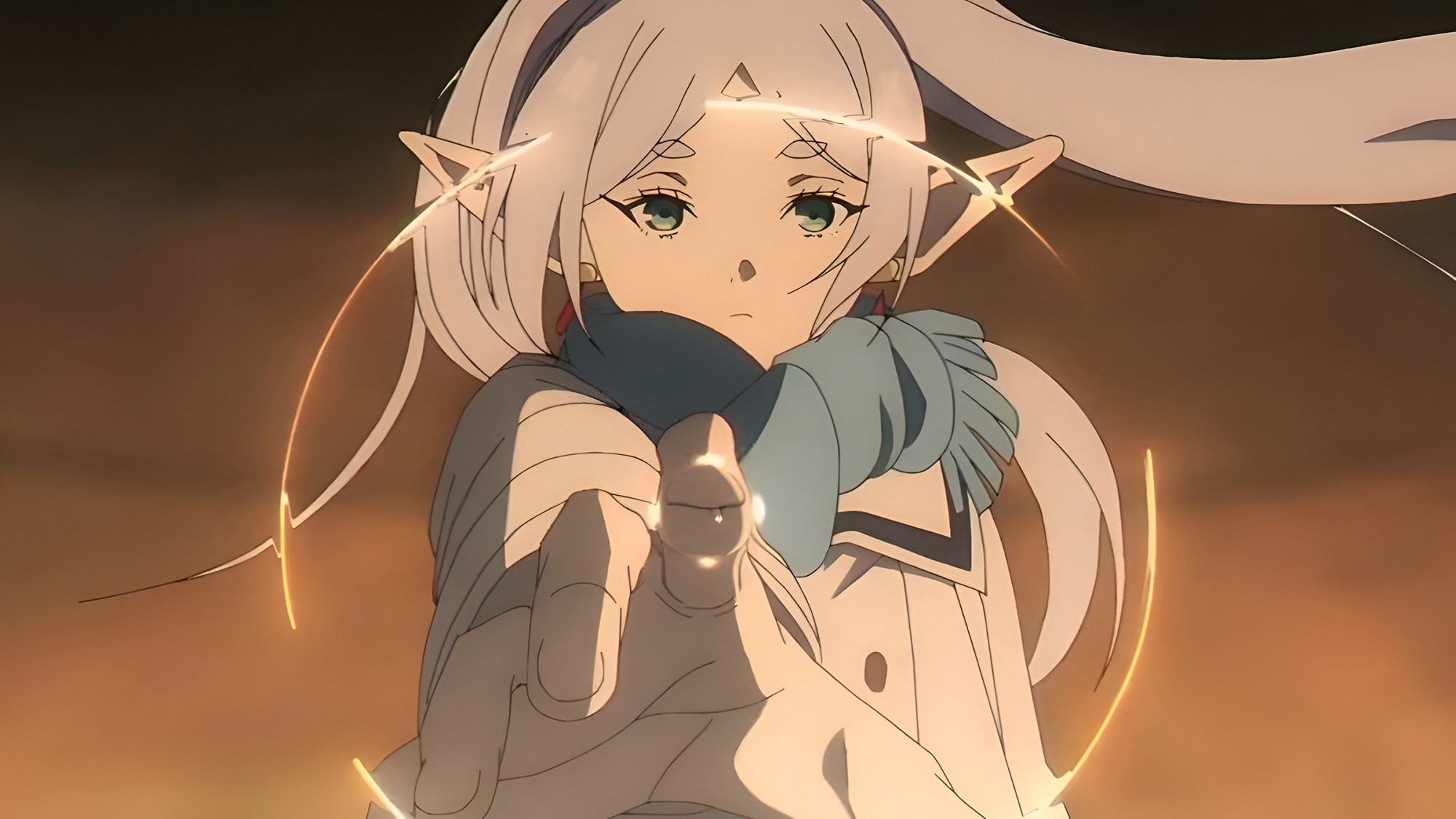
The cultural footprint left by the fantasy-drama anime and manga series Frieren: Beyond Journey’s End has expanded significantly since its debut, capturing the hearts of millions worldwide through its poignant exploration of grief, mortality, and time. Produced by studio Madhouse and adapted from the manga written by Kanehito Yamada and illustrated by Tsukasa Abe, the narrative centers on the elven mage Frieren. Having outlived her original adventuring party—comprising the hero Himmel, the priest Heiter, and the warrior Eisen—Frieren embarks on a retrospective journey alongside her new disciples, Fern and Stark. Because elves experience time on a vastly different scale than humans, Frieren initially struggles with emotional detachment. However, as she retraces the path of her past heroic quest, she confronts the weight of lost connections, deep-seated nostalgia, and the undeniable fragility of human life. The series has become celebrated not merely for its fluid animation and rich world-building, but for its philosophical dialogue. Across its foundational episodes and evolving arcs, several key quotes encapsulate the emotional core of the series, offering profound life lessons that resonate deeply with audiences navigating the complexities of human relationships and personal growth.
The Philosophical Weight of Mortality and Memory
At the heart of Frieren’s narrative framework is a stark exploration of time. Unlike standard high-fantasy epics that prioritize grand battles and political machinations, Frieren focuses on the mundane aftermath of a legendary victory. The juxtaposition between Frieren’s immortal perspective and the fleeting nature of human existence drives the emotional urgency of the story. Flashbacks serve as a narrative bridge, allowing Frieren to decode present challenges with Fern and Stark by examining the wisdom imparted by her former companions. Through these reflections, the series addresses universal human anxieties, including the fear of oblivion, the desire to be remembered, and the necessity of emotional vulnerability.
Examining the chronology of Frieren’s memories reveals a deliberate structural pacing by the creators. Each flashback is strategically placed to mirror Frieren’s current emotional development, transforming her from a detached observer into an active participant in her relationships. This narrative progression underscores the broader implications of the series: that understanding the past is essential for forging meaningful connections in the present.

Chronology and Context of the Journey
The narrative structure of Frieren relies heavily on a dual timeline, juxtaposing the current journey to Ende—the resting place of souls—with flashbacks to the original ten-year quest to defeat the Demon King.
- The Original Quest: Spanning a decade, Frieren, Himmel, Heiter, and Eisen journeyed together, though Frieren famously regarded this period as a mere "blink of an eye" relative to her lifespan.
- The Death of Himmel: The catalyst for the entire narrative occurs decades after the party disbands, when Himmel passes away of old age. Frieren’s inability to process her grief at his funeral sparks her renewed journey to understand humanity.
- The New Generation: Frieren takes on Heiter’s ward, Fern, as an apprentice, and later recruits Eisen’s ward, Stark, establishing a mirrored dynamic that forces Frieren to reevaluate her relationships.
- The Pilgrimage to Ende: The current expedition retraces the exact path of the original party’s heroic journey, serving as a physical and psychological reckoning with unresolved memories.
Seven Defining Quotes and Their Broader Implications
1. "The final destination for those who kept on living despite all of life’s hardships shouldn’t be oblivion."
In Season 1, Episode 5, Frieren recalls a conversation with the priest Heiter while watching Eisen pray. Struggling to comprehend human mortality from her elven perspective, Frieren questions Heiter’s devotion to the Goddess. Heiter reveals that his prayers stem from a desire to attain a serene afterlife, arguing that individuals who endure life’s struggles deserve peace rather than nothingness. This sentiment highlights the human need for closure and hope in the face of inevitable mortality, providing a comforting philosophical framework for viewers grappling with the concept of loss.

2. "Living means someone knows you and remembers you."
During a poignant flashback in Episode 22, Frieren reflects on Himmel’s frequent requests to help strangers and erect statues in his honor. Himmel admits his underlying human desire to leave a positive imprint on the world and be remembered by others. This quote emphasizes the profound impact of daily interactions and small kindnesses. In the context of the narrative, it serves as the realization that Himmel’s legacy persists not through stone monuments, but through the enduring memories held by those whose lives he touched.
3. "Anyone who works hard is a warrior."
Introduced by Eisen in the first season and passed down to his young apprentice Stark, this simple affirmation provides solace to those doubting their own progress. Stark, despite possessing immense physical strength, struggles with chronic self-doubt and fear. Eisen’s phrase reassures him—and the audience—that incremental, daily effort holds inherent value, even when tangible results or immediate recognition are absent.

4. "Why didn’t I try to get to know him better?"
Perhaps the most heartbreaking line in the series, Frieren tearfully laments her failure to learn more about Himmel during their decade-long journey. Despite sharing daily experiences, her elven detachment prevented her from investing emotionally in his inner life. This moment serves as a universal cautionary tale about the finite nature of relationships, reminding audiences to actively engage with and appreciate the people in their lives before time runs out.
5. "It’s not just children who need emotional support."
In Episode 17, while navigating a harsh blizzard, Fern falls ill. Stark suggests that Frieren comfort Fern with physical touch. Although Fern initially resists, considering herself mature, Frieren recalls a past instance when Himmel comforted her in the exact same manner. Himmel’s accompanying advice—that emotional support is a universal human requirement regardless of age or independence—validates the importance of vulnerability, encouraging viewers to lean on their support systems during difficult times.

6. "It is my fear that has brought me this far."
When recruiting Stark in Season 6, Frieren and Fern discover that the young warrior has never actually fought a monster and is paralyzed by fear. Frieren reassures him by sharing that Eisen, renowned for his bravery, was similarly terrified before every major battle. This quote reframes fear not as a weakness to be eradicated, but as a natural instinct that drives caution, preparation, and ultimate resilience in the face of adversity.
7. "There’s nothing wrong with being a fake hero."
In Episode 12, the party encounters a legendary sword meant for a true hero, only for Frieren to reveal that Himmel actually failed to pull it from the stone. Despite this, Himmel chose to shoulder the responsibilities of a hero simply because it was the right thing to do. This subversion of the Chosen One trope delivers a powerful message: moral agency is a choice. True heroism does not require fated greatness, but rather the conscious dedication to fighting for a better future.

Analytical Reception and Cultural Impact
Media analysts and critics have consistently praised Frieren: Beyond Journey’s End for its mature approach to fantasy tropes. By subverting traditional action-heavy pacing in favor of introspective character studies, Yamada and Abe created a narrative that speaks directly to adult audiences dealing with grief, aging, and the passage of time. The integration of philosophy into character dialogue has elevated the series from a conventional shonen or seinen adaptation into a recognized work of modern literary merit within the anime medium. As production continues and anticipation builds for subsequent seasons, the cultural resonance of Frieren’s philosophical insights ensures its status as a timeless exploration of the human condition.