Ungraded launches 3D imaging marketplace to revolutionize raw trading card authentication and sales

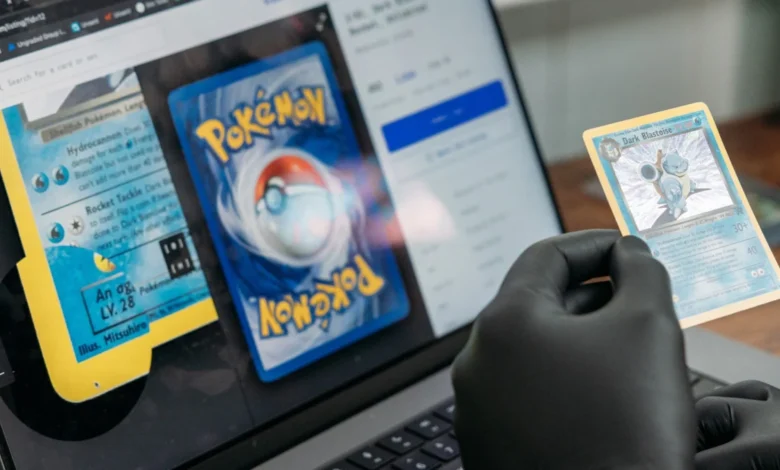
The landscape of the secondary trading card market is poised for a significant transformation this July with the launch of Ungraded, a new digital marketplace designed to address the persistent challenges of authenticity and condition assessment in the "raw" card sector. Founded by a team of enthusiasts based in Cornwall, United Kingdom, the platform aims to eliminate the ambiguity and risks currently associated with online peer-to-peer card transactions by utilizing high-fidelity 3D imaging technology.
The Problem with the Current Secondary Market
For decades, the trading card industry—encompassing giants like Pokémon, Magic: The Gathering (MTG), and Yu-Gi-Oh!—has operated on a tiered system of trust. At the apex, high-value assets are typically sent to professional grading services such as PSA, BGS, or CGC. These companies encapsulate cards in tamper-evident plastic cases, providing an objective numerical grade that acts as a standardized currency for collectors. However, this process is expensive, time-consuming, and often economically unviable for the vast majority of mid-to-low-tier cards that change hands daily on platforms like eBay or Facebook Marketplace.
The current reliance on standard 2D photography creates a significant information asymmetry. Sellers often provide images that fail to capture microscopic surface scratches, centering issues, or edge wear. Conversely, buyers frequently struggle to verify the authenticity of high-value raw cards, leading to a climate of skepticism that hinders market liquidity. Ungraded intends to bridge this gap by acting as an intermediary that processes physical cards through an proprietary imaging suite before they are listed for public sale.
Technical Innovation and the 3D Imaging Process
At the core of the Ungraded business model is an imaging technology that captures hundreds of ultra-high-definition photographs of a single card. By synthesizing these images, the platform creates a digital 3D twin. Unlike static photography, this digital replica allows prospective buyers to manipulate the viewing angle, zoom in on specific textures, and observe the card under varying light conditions.

According to the founders, this level of granularity is sufficient to reveal microscopic details, including CMYK print patterns, which are critical for identifying modern counterfeit cards. By allowing buyers to inspect the physical condition of a card—including scuffs, creases, and edge whitening—from their own devices, Ungraded claims it can provide the assurance typically reserved for professionally graded cards, without the wait times or premium costs of traditional encapsulation.
Chronology of the Launch and Operational Roadmap
The development of the platform has followed a phased approach, with the team preparing for a full-scale public release in mid-2024. The roadmap is as follows:
- Pre-Launch Phase (Late Spring 2024): The company initiated a series of "auction drops" starting in late May. These events serve as a stress test for the platform’s infrastructure, focusing on a curated selection of Pokémon, Yu-Gi-Oh!, and Magic: The Gathering inventory.
- Official Marketplace Launch (July 2024): The platform transitions to a full, public-facing marketplace. This phase will see the integration of the complete user interface, allowing collectors to list their own raw cards for processing and sale.
- Long-Term Integration: The company plans to expand its logistical support, offering integrated postage and insurance coverage as part of the transaction process, effectively removing the shipping risk from the seller.
Fee Structures and Economic Implications
The platform’s economic model is tiered based on the value of the assets. For sellers, listing is free. However, the buyer-side costs are calculated as a percentage of the final sale price, creating a tiered incentive structure:
- Cards valued up to £250: Buyers pay a 20% premium over the hammer price.
- Cards valued between £250 and £1,000: The buyer fee is reduced to 17.5%.
- Cards valued above £1,000: The fee is further reduced to 15%.
For fixed-price listings, the structure shifts slightly, with sellers assuming a 15% fee, while items below the £25 threshold are subject to a minimum £5 fee to ensure the operational costs of the imaging process remain sustainable. A notable feature of this model is the "unsold fee." Any card remaining on the platform for more than 30 days incurs a 1% charge of the average price every month thereafter, a policy clearly designed to encourage realistic pricing and increase turnover velocity on the marketplace.
Market Context and Industry Analysis
The growth of the trading card market has been exponential since 2020. Data from industry analysts suggests that the global trading card market, valued at approximately $15 billion in 2023, is projected to continue growing as collectors increasingly view cards as alternative investment assets.

However, the industry has faced mounting pressure to professionalize. Increased incidences of sophisticated counterfeiting—particularly in the Pokémon TCG space—have forced platforms to adopt more rigorous authentication methods. Ungraded’s focus on the "raw" segment is a strategic response to this trend. By offering a middle-ground solution—authentication through imaging rather than physical encapsulation—they are targeting the "collector-trader" demographic: individuals who appreciate the aesthetic of raw cards but lack the time or inclination to navigate the complexities of traditional grading services.
Potential Challenges and Future Outlook
While the technological promise is significant, the platform faces challenges common to any startup in the collectibles sector. The primary hurdle will be building trust in the accuracy of its digital imaging. For collectors, the physical "feel" and light reflection of a card are often the final verification step. If the 3D rendering technology shows any latency or fails to accurately represent the depth of surface damage, the platform could face pushback from the purist community.
Furthermore, the logistics of a centralized hub—where sellers must mail their cards to be imaged—introduces a single point of failure. The company has stated it will handle postage and insurance to mitigate these risks, but the scalability of this physical operation will be the ultimate test of their business model.
Industry observers note that if Ungraded succeeds, it could set a new standard for online transactions in the hobby. By shifting the burden of inspection from the buyer’s intuition to a transparent, data-driven 3D preview, the platform could significantly reduce the volume of disputes, returns, and fraudulent claims that currently plague larger, non-specialized marketplaces.
As the July launch approaches, the hobbyist community remains cautious but optimistic. The intersection of high-resolution digital imaging and the tangible asset market represents a logical step forward for an industry that has, in many ways, remained technologically stagnant for the better part of two decades. Should the "Ungraded" concept gain traction, it may well force established players to modernize their own listing standards, potentially marking the end of the "blurry photo" era in online card collecting.