The Resurgence of Classic Narratives: Examining Sci-Fi Remakes That Surpassed Expectations

In the expansive annals of cinematic history, the concept of a remake often elicits a collective groan from audiences and critics alike. The prevailing sentiment typically leans towards skepticism, with many viewing such endeavors as uninspired cash grabs that risk tarnishing the legacy of beloved originals. However, within the speculative realms of science fiction, a distinct counter-narrative has emerged, proving that remakes can not only live up to the formidable hype but, in rare and exceptional cases, transcend their predecessors. This phenomenon is particularly challenging when the original films are already etched into the cultural consciousness as fan favorites. Yet, when executed with precision, vision, and a deep understanding of the source material, these new interpretations can breathe fresh life into classic stories, introduce them to new generations, and leverage advancements in filmmaking to enhance the narrative in ways previously unimaginable. Conversely, some remakes achieve success by rectifying the perceived shortcomings of an earlier adaptation, finally delivering the definitive version of a story that an initial attempt may have failed to fully realize.
This examination delves into a selection of science fiction remakes that defied the odds, ranging from a profound alien invasion narrative that resonated with contemporary anxieties to a film that initially floundered at the box office only to be posthumously recognized as a masterpiece of sci-fi horror. These films represent the zenith of what a remake can achieve, demonstrating that revisiting established narratives can be a path to artistic and commercial triumph, rather than merely a creative concession.
The Challenging Landscape of Sci-Fi Remakes
The science fiction genre, with its reliance on imaginative concepts, often complex world-building, and evolving technological capabilities, presents a unique canvas for remakes. Early sci-fi films, constrained by the special effects technology of their era, sometimes struggled to fully visualize their ambitious concepts. This gap between conceptual ambition and technical execution often leaves room for later adaptations to flourish. However, the true challenge lies not just in technological upgrades but in reinterpreting themes, updating socio-political allegories, and crafting a narrative that feels both familiar and fresh. The films highlighted here exemplify this delicate balance, demonstrating how a new directorial vision, coupled with improved resources, can elevate a story to new heights.

Dune (2021): An Epic Reimagined with Unprecedented Scope
Frank Herbert’s seminal 1965 novel, Dune, has long been considered one of science fiction’s most challenging literary works to adapt for the screen due to its intricate political machinations, philosophical depth, and vast universe. This difficulty was starkly illustrated by David Lynch’s 1984 film adaptation. Despite a significant budget of approximately $40 million and the involvement of acclaimed director David Lynch, the production was plagued by creative conflicts and studio interference. Producers Dino and Raffaella De Laurentiis ultimately whittled Lynch’s intended three-hour cut down to a disjointed 137-minute theatrical release. The result was a critically panned and commercially disappointing film, grossing only around $30.9 million domestically against its budget. Lynch himself largely disowned the final product, which, while later acquiring a cult following for its unique aesthetic, failed to capture the novel’s essence for most audiences.
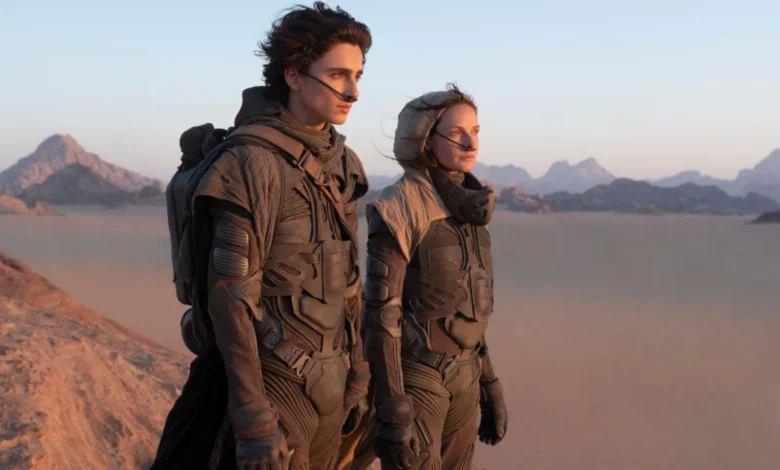
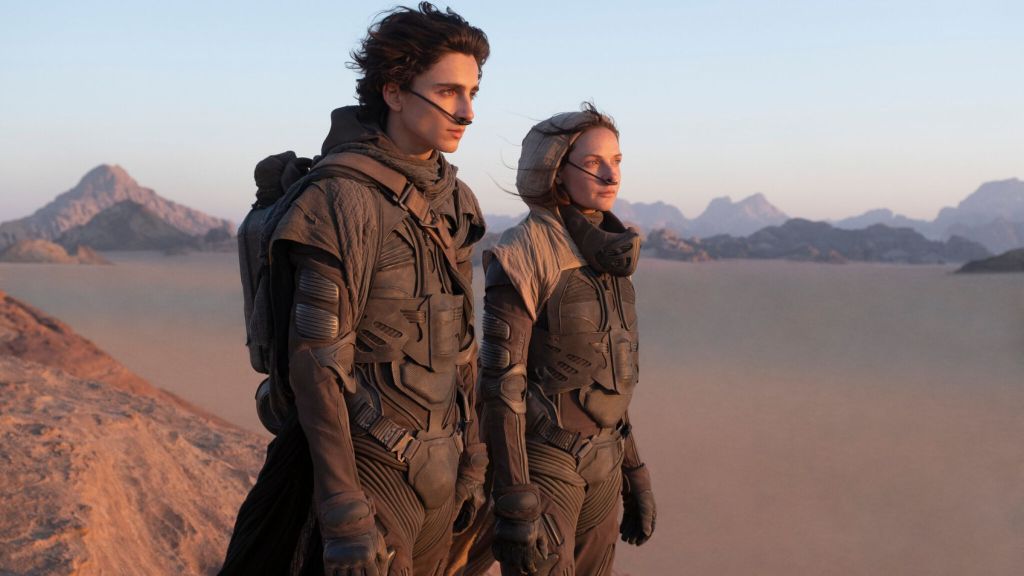
Fast forward to 2021, when director Denis Villeneuve, known for his atmospheric and intellectually stimulating sci-fi works like Arrival and Blade Runner 2049, embarked on his ambitious vision for Dune. Crucially, Villeneuve was granted the opportunity to adapt the first novel across multiple films, with Dune: Part One (2021) covering roughly the first half of the book, and Dune: Part Two (2024) completing the initial narrative. A third installment, based on Herbert’s sequel Dune Messiah, is already confirmed for December 2026. This multi-film approach proved instrumental, allowing Villeneuve to meticulously build the world of Arrakis, develop characters, and explore the novel’s complex themes without the severe narrative compression that hindered its predecessor.
The 2021 film was a critical and commercial triumph. It garnered widespread acclaim for its stunning visuals, immersive sound design, powerful performances, and faithful yet accessible adaptation of the source material. Critics lauded Villeneuve’s ability to translate Herbert’s intricate lore into a visually spectacular and emotionally resonant cinematic experience. Dune: Part One earned over $402 million worldwide against a production budget of $165 million, a significant achievement considering its release during the COVID-19 pandemic. It received ten Academy Award nominations, winning six, primarily for its technical brilliance, including Best Original Score, Best Cinematography, Best Production Design, Best Film Editing, Best Sound, and Best Visual Effects. Dune: Part Two further solidified the franchise’s success, surpassing its predecessor’s critical and commercial performance, indicating that Villeneuve has not only surpassed the 1984 version but has established Dune as one of the definitive epic sci-fi sagas of the 21st century.
Invasion of the Body Snatchers (1978): A Masterclass in Paranoia
Don Siegel’s 1956 film Invasion of the Body Snatchers stands as a seminal work in science fiction cinema. Released during the height of the Cold War and the McCarthy era, the film masterfully tapped into pervasive anxieties about conformity, political subversion, and the erosion of individual identity. Its story of an alien invasion where humans are replaced by emotionless duplicates, known as pod people, served as a potent allegory for the fear of an unseen enemy infiltrating society from within. It was a groundbreaking film for its time, lauded for its suspense and thematic depth, despite a modest budget and B-movie origins.
Twenty-two years later, in 1978, director Philip Kaufman undertook the challenging task of remaking this classic. Rather than merely rehashing the original, Kaufman’s Invasion of the Body Snatchers delivered a shockingly superior and profoundly unsettling experience that transcended its predecessor. While retaining the core premise, the 1978 version amplified the psychological horror and existential dread. It shifted the allegorical focus from explicit political paranoia to a broader, more existential commentary on the loss of humanity in an increasingly alienating modern society.
Kaufman assembled an exceptional ensemble cast, including Donald Sutherland, Brooke Adams, Jeff Goldblum, Leonard Nimoy, and Veronica Cartwright, all delivering performances that imbued the narrative with heightened tension and vulnerability. The film’s updated special effects, particularly the gruesome and organic transformations of the pod people, were revolutionary for their time, contributing significantly to its visceral impact. A memorable meta-reference to the original came in the form of a cameo by Kevin McCarthy, who starred in Siegel’s 1956 film, reprising his role as a frantic survivor. Critics universally praised the 1978 remake for its chilling atmosphere, compelling performances, and its ability to modernize the classic story while deepening its thematic resonance. It earned critical acclaim, holding a 92% "Certified Fresh" rating on Rotten Tomatoes, and performed solidly at the box office, grossing $25 million domestically. Its legacy endures as not only one of the finest sci-fi remakes but also as one of the most effective and terrifying horror films ever made, influencing countless alien invasion narratives that followed.
Dredd (2012): Righting a Comic Book Wrong
The iconic British comic book character Judge Dredd, a law enforcer in a dystopian future empowered to act as judge, jury, and executioner, debuted in the anthology series 2000 AD in 1977. Despite his long-standing popularity and rich mythology, Hollywood’s first attempt to bring him to the big screen was a notorious misfire. The 1995 film Judge Dredd, starring Sylvester Stallone, was a colossal disappointment for fans and critics alike. The film deviated significantly from the source material, introducing unnecessary comedic elements (most notably through Rob Schneider’s character), and famously had Stallone removing Dredd’s helmet—a cardinal sin against the character’s stoic, faceless representation of the law. Grossing $113.5 million worldwide against a $90 million budget, it was considered a commercial failure and remains widely regarded as one of the worst comic book adaptations.
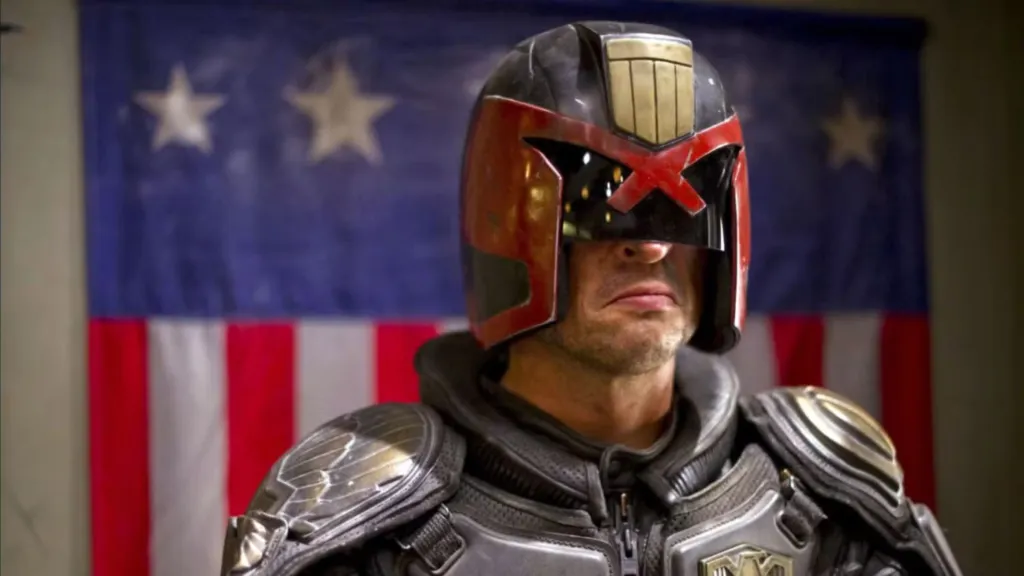
Seventeen years later, in 2012, Dredd arrived, finally delivering the brutal, faithful, and stylistically distinct adaptation that fans had long craved. Directed by Pete Travis and written by Alex Garland, the film starred Karl Urban, who fully embraced Dredd’s grim, unyielding persona, keeping the character’s helmet on for the entirety of the film. Set primarily within a single high-rise megastructure, Peach Trees, the film presented a contained, gritty, and hyper-violent narrative that perfectly captured the bleak, futuristic urban landscape of Mega-City One. The innovative use of "Slo-Mo" drug sequences provided stunning visual flair, enhancing the film’s immersive and visceral action.

Despite receiving overwhelmingly positive reviews from critics, who praised its faithful adaptation, intense action, and Urban’s performance, Dredd struggled at the box office, grossing only $41.5 million worldwide against a $50 million budget. Its release coincided with The Raid: Redemption, a similarly themed action film set in a high-rise building, leading to unfair comparisons and potentially overshadowing Dredd‘s unique strengths. However, the film quickly gained a massive cult following on home video and streaming platforms. Its critical standing has only grown over time, with many now considering it a benchmark for R-rated action and comic book cinema. The persistent fan campaigns for a sequel or a Judge Dredd: Mega-City One television series underscore its enduring impact and its definitive status as the superior cinematic portrayal of the iconic Judge.
The Fly (1986): A Gruesome Masterpiece of Body Horror
The 1958 film The Fly, starring Vincent Price, was a classic B-movie creature feature of its era. It told the story of Andre Delambre, a scientist whose teleportation experiment goes awry, leading to his genetic fusion with a common housefly. While a fun and memorable film for its time, particularly for Price’s compelling performance as the scientist’s brother, it was undeniably a product of its modest budget and the filmmaking sensibilities of the late 1950s. Its horror was largely implied, with the creature design limited by practical effects, making it more of a sci-fi thriller with horror elements rather than a visceral body horror experience.
Enter David Cronenberg, the undisputed master of body horror, who took the reins for the 1986 remake of The Fly. Cronenberg’s vision was to fully embrace and amplify the gruesome, transformative potential inherent in the original premise, delving deep into the psychological and physical horrors of a man’s agonizing metamorphosis. With a significantly larger budget and advances in special effects technology, Cronenberg crafted a film that was not merely a remake but a profound reinterpretation, turning a quaint sci-fi premise into a deeply disturbing and tragic love story.
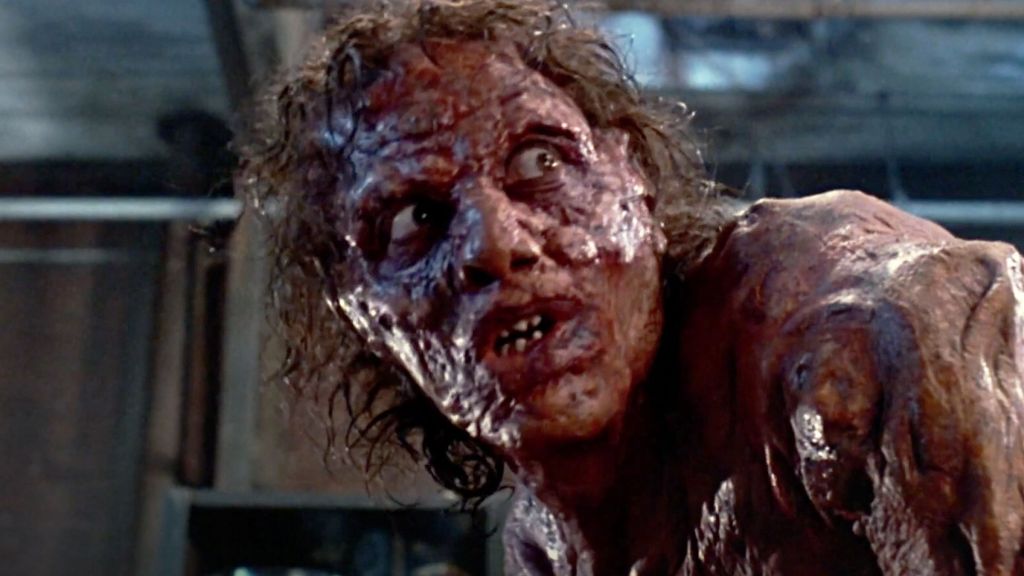
Jeff Goldblum delivered a career-defining performance as Seth Brundle, the brilliant but increasingly grotesque scientist, brilliantly conveying his character’s intellectual decay and physical disintegration. Geena Davis, as his love interest Veronica Quaife, grounded the film’s emotional core amidst the escalating horror. The practical effects, masterminded by Chris Walas and Stephan Dupuis, were groundbreaking and revolting in equal measure, depicting Brundle’s gradual transformation into "Brundlefly" with unprecedented detail and visceral impact. The film was a critical darling, praised for its intelligent script, powerful performances, and, most notably, its horrifyingly effective special effects. It was also a commercial success, grossing over $60 million worldwide against a $15 million budget. The Fly received the Academy Award for Best Makeup, a well-deserved recognition for Walas and Dupuis’s revolutionary work, and remains the only Oscar won by a Cronenberg-directed film. Its legacy is immense, solidifying Cronenberg’s status as a visionary director and redefining the boundaries of body horror in cinema.
The Thing (1982): A Retrospective Masterpiece
John Carpenter’s 1982 film The Thing is perhaps the quintessential example of a sci-fi remake that transcended its original, endured initial critical and commercial failure, and ultimately achieved widespread recognition as a masterpiece. The film is a remake of Howard Hawks’ 1951 production The Thing from Another World, but both films are adaptations of John W. Campbell Jr.’s 1938 novella "Who Goes There?". While the 1951 film is a respected classic of its era, known for its suspense and creature feature elements, it significantly deviated from Campbell’s source material by portraying the alien as a humanoid plant creature, rather than the shape-shifting entity described in the novella.
Carpenter’s The Thing returned to Campbell’s original vision, delivering a much more faithful and terrifying adaptation. Starring Kurt Russell as R.J. MacReady, the film follows a group of American researchers in an isolated Antarctic outpost who encounter a malevolent, shape-shifting extraterrestrial organism. This alien can assimilate and perfectly imitate any living creature, leading to intense paranoia and distrust among the small, trapped crew. The film masterfully exploits themes of isolation, psychological terror, and the chilling realization that anyone could be "the thing."
The practical special effects, primarily created by Rob Bottin, were revolutionary and remain incredibly effective to this day, showcasing grotesque, biological transformations that are still lauded as some of the best in cinema history. However, upon its initial release, The Thing was a critical and commercial failure. It opened just two weeks after Steven Spielberg’s E.T. the Extra-Terrestrial, a feel-good alien film that dominated the box office and captured the public’s imagination. Critics at the time largely dismissed Carpenter’s bleak, nihilistic vision and extreme gore. The film grossed only $19.6 million domestically against a $15 million budget, effectively stalling Carpenter’s career and costing him a directorial opportunity for Firestarter.
Yet, over the subsequent decade, The Thing experienced a massive critical re-evaluation, largely fueled by its performance on home video and cable television. Audiences discovered its profound artistry, technical brilliance, and enduring suspense. It is now widely considered a seminal work in the horror and sci-fi genres, praised for its atmosphere, practical effects, claustrophobic tension, and its allegorical depth (often interpreted as a Cold War-era commentary on unseen enemies and internal distrust). The Thing is not merely better than the 1951 film; it is a cinematic landmark, a testament to Carpenter’s vision, and an enduring example of how a film’s true impact can be realized long after its initial release.
The Enduring Legacy of the Successful Sci-Fi Remake
The success stories of Dune, Invasion of the Body Snatchers, Dredd, The Fly, and The Thing illustrate that remakes, particularly within the science fiction genre, are not inherently flawed. Instead, they highlight a confluence of factors that contribute to their triumph. These films were often guided by visionary directors who deeply understood and respected the source material, even when choosing to reinterpret it. They leveraged advancements in cinematic technology to enhance narrative immersion and visual spectacle, delivering on promises that earlier iterations, constrained by their times, could not fully achieve. Crucially, many of these successful remakes dared to deepen the thematic content, updating allegories to resonate with contemporary anxieties or exploring philosophical questions with greater nuance.
These films serve as a powerful counter-argument to the pervasive cynicism surrounding remakes, demonstrating that revisiting classic narratives can be a path to artistic innovation and cultural relevance. They remind us that the true measure of a film lies not in its originality of concept alone, but in the execution, the vision, and its ability to connect with audiences, both old and new, on a profound and lasting level. The bar for future sci-fi remakes has been set extraordinarily high by these definitive cinematic achievements.
Related posts: