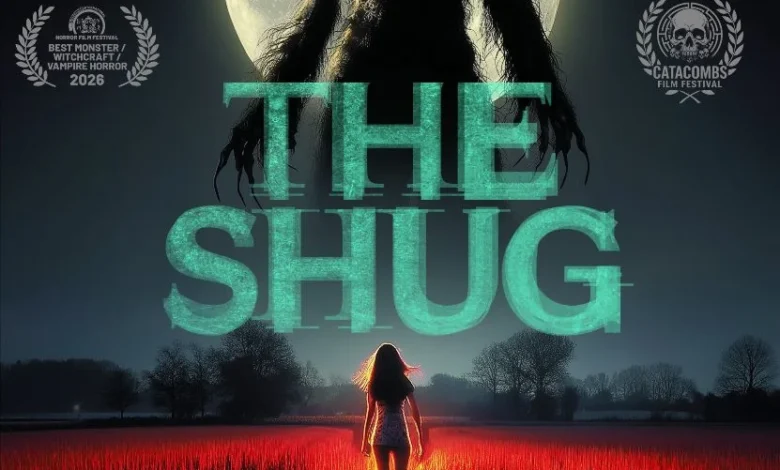
BLACK MANDALA has unveiled its latest cinematic offering, THE SHUG, a new folk horror film directed by Martin J. Pickering, poised to delve into the unsettling depths of British folklore and contemporary societal anxieties. The film, slated for release, draws inspiration from alleged real-life encounters with the legendary "Shug Monkey" and incorporates a recorded interview with an individual claiming direct experience with the creature. This narrative foundation is then transposed onto the fractured socio-political landscape of post-Brexit Britain, aiming to weave a tapestry of supernatural terror with grounded emotional realism.
THE SHUG is positioned as a narrative that confronts themes of alcoholism, generational trauma, family breakdown, and the persistent, damaging influence of unresolved past events. The film’s premise is set in the summer of 2024, a period marked by a resurgence of reports concerning the dreaded creature known as "The Shug" across the British countryside. This resurgence triggers a reluctant confrontation for John, a character grappling with alcoholism and the lingering psychological scars of a violent encounter with the creature during his adolescence.
Background and Folklore of "The Shug"
The Shug, or Shug Monkey, is a figure steeped in British folklore, often described as a spectral or demonic ape-like creature. While its origins are varied and often localized, the legend frequently associates the creature with dark woods, isolated rural areas, and misfortune. Accounts often depict it as a malevolent entity, capable of causing fear, dread, and sometimes physical harm. The creature’s presence is often linked to periods of social unrest or ecological distress, feeding into its enduring mystique and its capacity to tap into collective anxieties.
Historically, such cryptid and folklore figures have served as a cultural mechanism for processing fears and uncertainties within communities. The re-emergence of the Shug legend in contemporary times, as depicted in the film, suggests a potential resonance with current societal anxieties, which can include economic instability, environmental concerns, and the psychological impact of political division. The film’s decision to place these elements within the context of post-Brexit Britain is particularly noteworthy, as it allows for an exploration of how national identity and collective unease might manifest through folkloric narratives.
Narrative Threads and Character Arcs
At the heart of THE SHUG’s narrative is John, a protagonist whose personal demons – specifically his struggle with alcoholism – are inextricably linked to his past encounter with the Shug. His attempt to suppress these memories and overcome his addiction is shattered by the renewed sightings, forcing him to confront a nightmare he has long sought to escape. This internal conflict is likely to be a central focus, exploring how past trauma can resurface and impact present-day well-being, especially within the context of a society also perceived as fractured and unsettled.
As fear begins to permeate the rural communities experiencing the heightened activity of the Shug, John finds himself drawn into an investigation. He is joined by Alice Bowmer, a journalist presumably seeking to uncover the truth behind the escalating reports, and "The Hobbo Adventurer," a paranormal YouTuber whose online presence suggests a keen interest in the unexplained and a potential for reaching a wider audience through digital media. The convergence of these disparate characters – the haunted local, the professional investigator, and the digital influencer – provides a framework for exploring different perspectives on the supernatural and the nature of belief.
The investigative journey undertaken by John, Alice, and "The Hobbo Adventurer" is expected to lead them down a path where the truth behind the Shug legend transcends simple monstrous encounters. The film’s synopsis hints at a revelation that is "far darker—and far more personal—than any of them imagined." This suggests that the Shug may not be an external entity operating in isolation but rather a manifestation or catalyst for deeper, more intimate horrors connected to the characters themselves or the fabric of their community.
Thematic Resonance in Post-Brexit Britain
The choice of post-Brexit Britain as the film’s setting is a deliberate one, offering a rich backdrop for exploring themes of isolation, division, and the lingering consequences of significant societal change. The period following the United Kingdom’s withdrawal from the European Union has been characterized by ongoing debates about national identity, economic adjustments, and social cohesion. This atmosphere of uncertainty and fragmentation can serve as fertile ground for a folk horror narrative, where the land itself and its inhabitants are often depicted as vulnerable to ancient, malevolent forces.
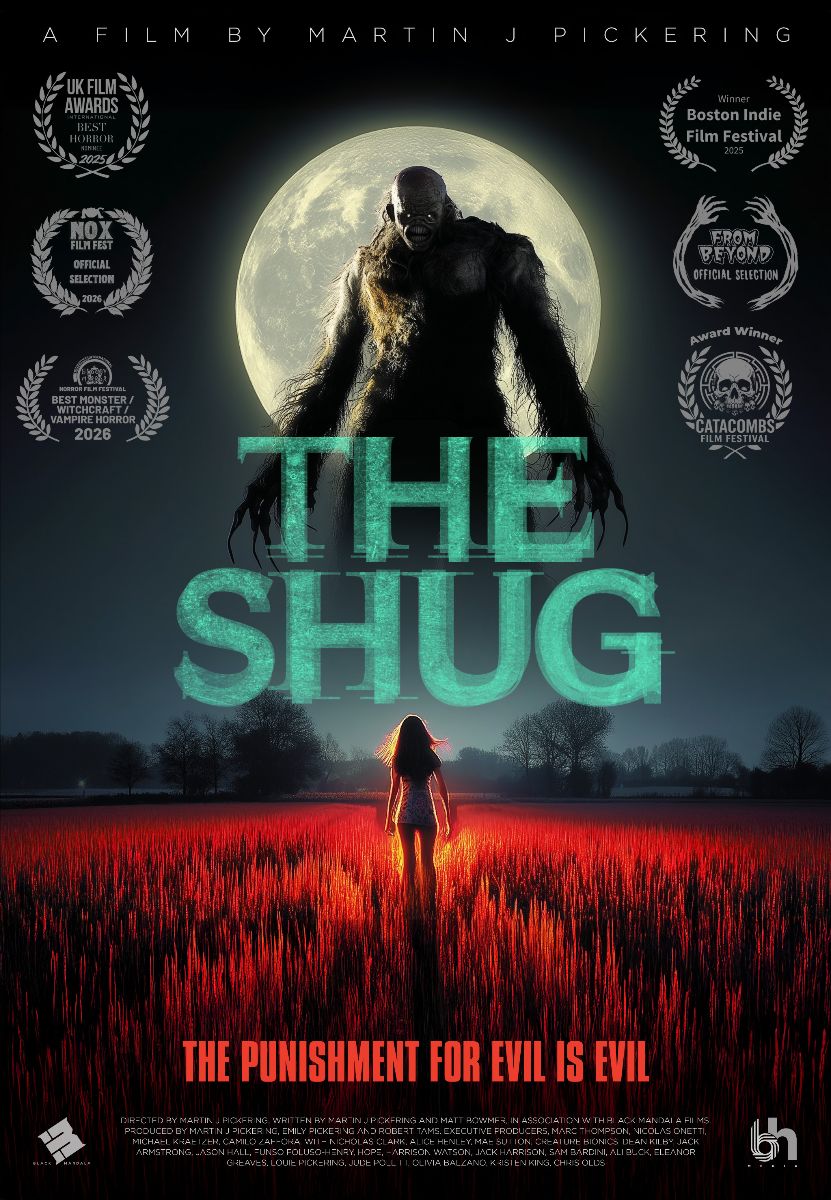
Folk horror, as a genre, often utilizes the landscape as a character, imbuing it with history, myth, and a sense of primal power. In the context of post-Brexit Britain, this can translate to exploring how anxieties about the nation’s future and its relationship with the past are projected onto the rural environment. The resurgence of the Shug could be interpreted as a symbolic representation of unresolved issues, a return of the repressed, or a manifestation of the collective unease that pervades the nation.
Moreover, the film’s focus on alcoholism and generational trauma can be seen as parallel narratives to the broader societal challenges faced by the UK. The breakdown of family structures and the struggle with addiction are often exacerbated by economic hardship and a sense of disenfranchisement, issues that have been widely discussed in the wake of Brexit. By intertwining these personal struggles with the supernatural threat of the Shug, director Martin J. Pickering appears to be crafting a film that is both a chilling horror experience and a nuanced commentary on the human cost of societal upheaval.
Production and Creative Team
BLACK MANDALA, the production company behind THE SHUG, has a history of engaging with genre filmmaking, and their involvement suggests a commitment to delivering a visually compelling and thematically resonant horror experience. Director Martin J. Pickering’s vision for the film, which blends supernatural terror with emotional realism, indicates an ambition to elevate folk horror beyond simple jump scares and into a realm of psychological depth and social relevance.
The inspiration drawn from alleged real-life sightings and recorded interviews suggests a dedication to grounding the fantastical elements of the film in a sense of tangible, albeit unsettling, reality. This approach is a hallmark of effective folk horror, which often thrives on the blurring of lines between the mundane and the mythical, making the horror feel more immediate and believable.
While specific details about the cast and further production elements are not yet widely available, the announcement of THE SHUG signals a significant new entry into the folk horror subgenre, a corner of the horror landscape that has seen a resurgence in recent years. Films like "The Witch," "Midsommar," and "Hereditary" have demonstrated the genre’s capacity for delivering both critical acclaim and commercial success, suggesting a strong appetite among audiences for these types of atmospheric and psychologically driven narratives.
Anticipated Reception and Industry Impact
The release of THE SHUG is anticipated to generate interest among fans of folk horror and those who appreciate films that tackle complex social themes through the lens of the supernatural. The film’s premise, which directly addresses contemporary societal anxieties within a traditional folkloric framework, positions it as a potentially timely and impactful piece of cinema.
The success of THE SHUG could further solidify the resurgence of folk horror as a viable and popular genre, encouraging more filmmakers to explore similar narrative avenues. By connecting ancient legends with modern-day concerns, the film has the potential to resonate with a broad audience, offering both a thrilling cinematic experience and a thought-provoking examination of the human condition in a world grappling with change.
The inclusion of elements such as alcoholism and generational trauma, alongside the supernatural threat, suggests that THE SHUG aims to be more than just a creature feature. It seeks to delve into the psychological and emotional underpinnings of fear, making the horror more profound and relatable. This multi-layered approach is often a key factor in a film’s ability to leave a lasting impression on audiences and critics alike.
As the film moves closer to its release, further details regarding its promotional campaign, festival circuit appearances, and theatrical distribution are expected to emerge. These will provide a clearer picture of BLACK MANDALA’s strategy for introducing THE SHUG to the global cinematic market and its potential to become a significant talking point within the horror community. The intersection of folklore, contemporary social commentary, and supernatural terror in THE SHUG positions it as a compelling prospect for audiences seeking a horror film that is both terrifying and thought-provoking.