Analog Horror’s Ascent from Niche Internet Phenomenon to Mainstream Hollywood Contender Sparks Industry Debate

Entertainment trends are a perennial fixture in the creative landscape, often following a predictable trajectory: a specialized, niche concept garners significant organic popularity, drawing the attention of larger media entities eager to capitalize on its burgeoning appeal. This dynamic frequently benefits dedicated fans, providing them with more content, often with elevated production values, and sometimes giving birth to entirely new subgenres or cinematic movements. This pattern is currently unfolding within the realm of horror, specifically with the ascendance of "analog horror."
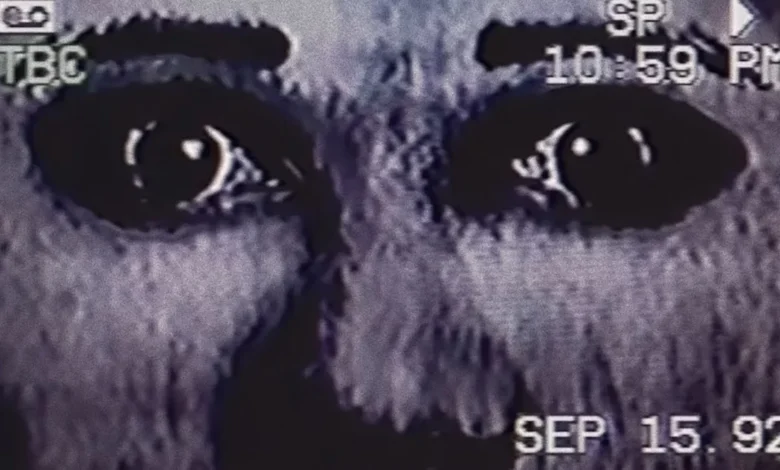
Analog horror, a subgenre distinguished by its adoption of a contemporary retro aesthetic, typically leverages visual and audio elements reminiscent of older media formats such as VHS tapes, CRT monitors, and public access television broadcasts. These stylistic choices are employed to craft chilling and disturbing narratives, often set in unsettling liminal spaces or depicting insidious, unseen threats. The terror in analog horror derives less from conventional jump scares or overt gore, and more from a profound sense of psychological dread, uncanny realism, and the unsettling manipulation of familiar imagery. Until recently, this subgenre thrived predominantly on online platforms such as YouTube channels, niche message boards, and short-form content platforms like TikTok, cultivating a dedicated but largely independent following. However, the commercial success of projects like Backrooms and Obsession—the latter, while not strictly analog horror, originating from a young, independent creator and demonstrating significant audience appetite for original, internet-born content—has prompted major Hollywood studios to take notice. While the prospect of seeing these unique explorations of fear translated to the big screen is met with excitement, it simultaneously raises critical questions about whether mainstream adaptation will enhance or inadvertently dilute the distinctive qualities that make analog horror so compelling.
The Digital Roots of a Retro Fear: A Chronology of Analog Horror
The foundations of analog horror can be traced back to earlier forms of digital folklore and unconventional filmmaking. Precursors include the found-footage horror movement, famously popularized by The Blair Witch Project (1999), which demonstrated the power of verisimilitude and implied terror over explicit visuals. Even more direct influences emerged from the internet’s early days with the rise of creepypastas—short, user-generated horror stories spread virally online. The Slender Man phenomenon, originating on the Something Awful forums in 2009, is a prime example, evolving from a fictional character into a multi-media narrative encompassing stories, artwork, and ultimately, independent video series that embraced a low-fidelity, "found media" aesthetic.
The true genesis of analog horror as a distinct subgenre began to crystallize on YouTube in the mid-2010s. Creators, often working with minimal budgets, harnessed the platform’s accessibility to experiment with unsettling narratives presented through simulated vintage media. Local 58 (2015), created by Kris Straub, is widely considered a foundational work. It presented a series of disturbing broadcasts seemingly hijacked from a public access television channel, employing grainy visuals, distorted audio, and cryptic messages to create an atmosphere of impending cosmic horror and governmental conspiracy. Following its success, other notable series emerged, such as Gemini Home Entertainment (2019) by Remy Abode, which built an elaborate, interconnected narrative through a collection of faux educational videos and nature documentaries, each subtly revealing a terrifying extraterrestrial threat. Alex Kister’s The Mandela Catalogue (2021) further propelled the genre, utilizing public service announcements and surveillance footage to depict a world plagued by malevolent, mimicry-based entities known as "Alternates."
These early pioneers established the core tenets of analog horror:
- Retro Aesthetic: The deliberate use of visual and audio imperfections characteristic of older recording technologies (VHS tracking errors, static, desaturated colors, degraded audio fidelity) to enhance realism and a sense of unease.
- Liminal Spaces: A frequent reliance on mundane, transitional, or deserted environments (empty corridors, abandoned stores, unidentifiable backrooms) that evoke a sense of uncanny familiarity and existential dread.
- Psychological Terror: A focus on dread, paranoia, and the unknown, often eschewing explicit violence for implied threats and unsettling suggestions. The horror stems from what is not shown, or what is subtly distorted within the mundane.
- Found Media Narratives: Stories often unfold through fragmented pieces of "found footage" or simulated broadcasts, requiring viewers to piece together a larger, often horrifying, narrative puzzle.
The interactive nature of these online narratives, coupled with the communal experience of decoding lore and sharing theories on platforms like Reddit and Discord, significantly contributed to their viral spread and cultural impact, solidifying analog horror as a vibrant and innovative corner of the horror genre.
Hollywood’s Expanding Gaze: From Viral Success to Studio Acquisition
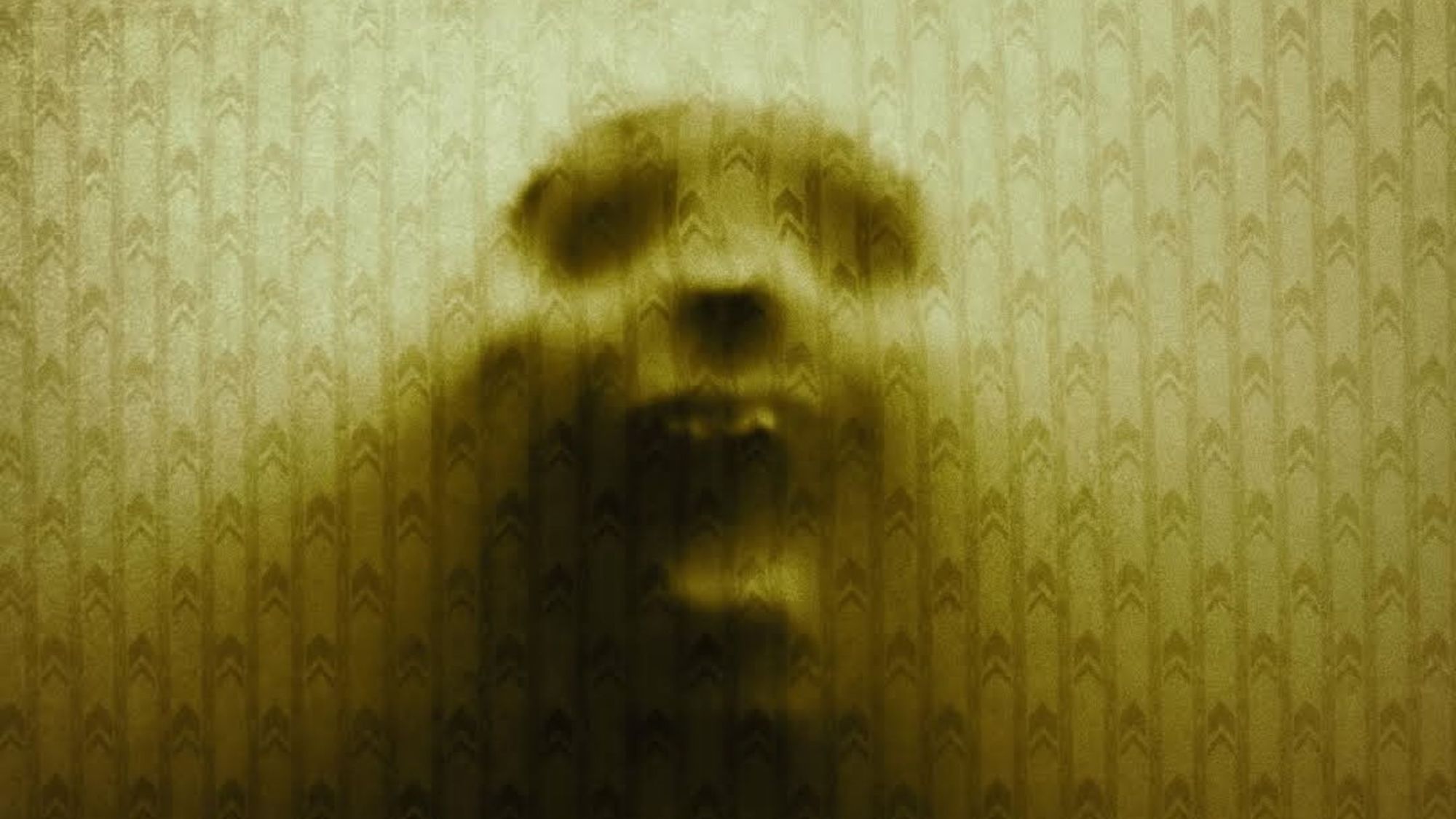
The independent success of analog horror did not go unnoticed by mainstream media. The phenomenon of The Backrooms serves as a quintessential example of how a grassroots internet concept can capture global attention. Originating from an unsettling image posted on 4chan in 2019, depicting a seemingly endless expanse of yellow-wallpapered rooms, The Backrooms quickly evolved into a creepypasta, with internet users collaboratively building lore around its "levels," hostile entities, and escape narratives. However, it was Kane Pixels’ YouTube series, launched in 2022, that truly brought The Backrooms to a wider audience, garnering hundreds of millions of views with its impressively cinematic yet low-fidelity depiction of the titular spaces. The series demonstrated a clear appetite for this type of psychological, aesthetically driven horror.
Similarly, while Obsession is distinct from analog horror in its stylistic approach, its success underscores a broader trend: the power of original storytelling from young, independent creators to resonate with audiences. This indicated to studios that innovative, non-traditional horror concepts, particularly those with a strong online following, represented a lucrative, untapped market.
The most definitive signal of Hollywood’s earnest interest arrived with the announcement earlier this month that United Artists’ Scott Stuber, Amblin’s Steven Spielberg, and Amazon MGM Studios had jointly acquired the film rights to Alex Kister’s viral YouTube series, The Mandela Catalogue. This acquisition is a watershed moment for analog horror. The involvement of industry titans like Steven Spielberg, whose Amblin Entertainment has a long history of impactful filmmaking, lends significant credibility and resources to the adaptation. It indicates a strategic move by major studios to directly integrate a highly successful, independent digital property into their production pipelines. Studio executives, keen on identifying emerging trends and diversifying their content portfolios, recognize the inherent value in properties that have already demonstrated immense organic engagement and a built-in fanbase.
This move aligns with broader trends in the entertainment industry. The horror genre consistently performs well at the box office, often delivering high returns on relatively modest investments. For instance, films like Smile (2022) and Terrifier 2 (2022), while not analog horror, showcased that audiences are actively seeking original, boundary-pushing horror experiences beyond established franchises. Studios are increasingly looking for intellectual property that can be developed into new, potentially long-running, horror series or cinematic universes, and the rich lore and distinct aesthetics of analog horror properties like The Mandela Catalogue present compelling opportunities. The acquisition suggests a calculated risk-assessment, balancing the genre’s niche appeal with its proven virality and a desire to tap into the creative energy of a new generation of filmmakers.
The Creative Crossroads: Preserving Authenticity Amidst Commercialization
The transition of analog horror from its DIY, independent roots to mainstream Hollywood production presents a creative crossroads, fraught with both immense opportunities and significant challenges.
Opportunities for a New Age of Horror:
- Elevated Production Values (Judiciously Applied): While the low-fidelity aesthetic is crucial, larger budgets could allow for subtle enhancements in set design, practical effects, and narrative scope without sacrificing the core visual style. This could facilitate more complex world-building and longer-form storytelling that might be difficult to achieve independently.
- Wider Audience Reach: Studio backing guarantees a global distribution platform, introducing analog horror to millions who might never encounter it on YouTube. This expanded viewership could foster a new generation of horror fans and creators.
- Support for Emerging Talent: Hollywood’s interest provides financial support, mentorship, and professional opportunities for the young creators who pioneered the genre. This could empower them to develop more ambitious projects and further innovate within horror and filmmaking at large.
- Genre Innovation: Analog horror offers a refreshing alternative to conventional horror tropes. By investing in it, studios could encourage a broader shift towards psychological, atmospheric, and conceptually driven horror, pushing the entire genre in new and exciting directions.
- Original Storytelling: In an era often dominated by sequels, reboots, and established intellectual property, analog horror represents a wellspring of truly original narratives. Its successful adaptation could validate the industry’s pursuit of fresh voices and concepts.
Challenges and Risks of Aesthetic Dilution:
- Loss of Authenticity: The very essence of analog horror often lies in its "handmade" feel—the imperfections, the deliberate crudeness, and the sense of genuine found media. Replicating this with a multi-million dollar budget risks making it feel artificial or overtly staged, undermining the uncanny realism that makes it terrifying. The "roughness" is not a limitation but an integral artistic choice.
- Over-Polishing and Misinterpretation: Studios might be tempted to "polish" the aesthetic, remove ambiguities, or insert more conventional horror elements (e.g., explicit monster reveals, jump scares) to appeal to a broader audience. This could strip away the subtle, psychological dread that defines analog horror, transforming it into something generic.
- Creative Control Disputes: Independent creators, accustomed to absolute artistic freedom, may face pressures to compromise their vision when collaborating with major studios. While financial backing is welcome, maintaining the integrity of the original concept can become a point of contention.
- Market Saturation and Burnout: If The Mandela Catalogue or similar projects succeed, a rapid influx of poorly conceived or imitative analog horror films could flood the market, leading to audience fatigue and quickly diminishing the genre’s appeal, much like what happened with found-footage horror after its initial boom.
- Narrative Translation Difficulties: Many analog horror series thrive on fragmented narratives, implied lore, and open-ended questions that are ideally suited for episodic web series or short films. Translating this into a cohesive, feature-length film without losing its mystique or becoming overly expository will be a significant creative hurdle.
Industry observers note that independent creators often express concerns about maintaining artistic integrity when transitioning to larger productions, fearing that commercial imperatives might overshadow creative vision. Conversely, studio executives are often focused on maximizing market potential and ensuring broad audience accessibility, which can sometimes lead to artistic compromises. The delicate balance between funding and creative freedom will be paramount.

The Mandela Catalogue: A Bellwether for the Genre’s Future
The acquisition and upcoming production of The Mandela Catalogue as a feature film represents the first major real-world test of Hollywood’s ability to successfully adapt analog horror. Alex Kister’s original YouTube series is lauded for its intricate lore, deeply unsettling imagery, and innovative use of faux public service announcements, instructional videos, and surveillance footage to tell a story of malevolent entities subtly replacing humanity. Its horror is derived from an existential dread and a pervasive sense of helplessness against an unknowable threat.
Translating this unique blend of narrative and aesthetic to a big-budget cinematic format presents formidable challenges. How will a studio maintain the low-fidelity, "found footage" aesthetic without it feeling contrived or overly produced? How will the fragmented, puzzle-like storytelling be adapted into a coherent, feature-length narrative that satisfies both long-time fans and new viewers? The subtle, often ambiguous nature of The Mandela Catalogue‘s horror relies heavily on suggestion and the viewer’s imagination; a misstep towards overt exposition or conventional monster reveals could severely undermine its effectiveness.
The success or failure of The Mandela Catalogue will likely serve as a crucial bellwether for the entire analog horror subgenre in mainstream cinema. A successful adaptation, one that respects the original’s aesthetic and narrative integrity while leveraging studio resources to enhance its impact, could open the floodgates for more such projects. It would demonstrate that audiences are ready for nuanced, psychologically intense horror and that Hollywood can responsibly adapt internet-born phenomena. Conversely, if the adaptation falters, it could signal to studios that analog horror’s unique charm is too fragile for the mainstream, potentially discouraging future investments. The stakes for Kister and the broader analog horror community are exceptionally high, as this project will set a precedent for how a highly specific, internet-native artistic movement is translated into a global entertainment product.
Conclusion: An Evolving Landscape of Fear
The trajectory of analog horror, from a niche online fascination to a significant contender for mainstream adaptation, exemplifies the fluid and ever-evolving nature of entertainment trends. While Hollywood’s interest promises unprecedented visibility and resources for a subgenre born from creative constraint, it simultaneously ignites a critical debate about the preservation of authenticity. The core appeal of analog horror lies in its raw, often unpolished aesthetic and its reliance on psychological terror over conventional scares—qualities that are inherently difficult to replicate with large budgets and commercial pressures.
The upcoming adaptation of The Mandela Catalogue stands as a pivotal moment, poised to either validate the potential for a new age of innovative, original horror storytelling or serve as a cautionary tale of creative dilution. Regardless of the outcome, this phenomenon underscores the profound impact of independent digital creators in shaping popular culture and the continuous interplay between grassroots innovation and mainstream adaptation. The future of fear, it seems, will continue to be written and re-written at the intersection of technological advancement, creative ingenuity, and the enduring human fascination with the unsettling unknown.