The eagerly anticipated second season of Marvel Animation’s X-Men ’97 is set to feature a remarkable reunion of talent, drawing directly from the iconic cast of Star Trek: The Next Generation. This strategic casting choice underscores the producers’ deep appreciation for both franchises and their commitment to delivering a rich, voice-driven narrative. While one prominent Star Trek alum was revealed in the season one finale, the upcoming season will introduce two additional beloved voices from the Enterprise-D crew, further blurring the lines between these beloved science fiction and superhero universes. All of these actors bring extensive experience in voice acting for animated projects, making their integration into the X-Men ’97 universe a natural and exciting progression.
A Powerful Lineup of Star Trek Veterans
The synergy between Star Trek: The Next Generation and X-Men ’97 is becoming increasingly evident, with several key voice actors from the former now integral to the latter. This collaborative approach not only appeals to fans of both franchises but also highlights the enduring appeal and talent of the TNG cast. Their established careers in voice acting ensure a high level of performance and authenticity for their new mutant personas.
Gates McFadden as Mother Askani / Rachel Summers
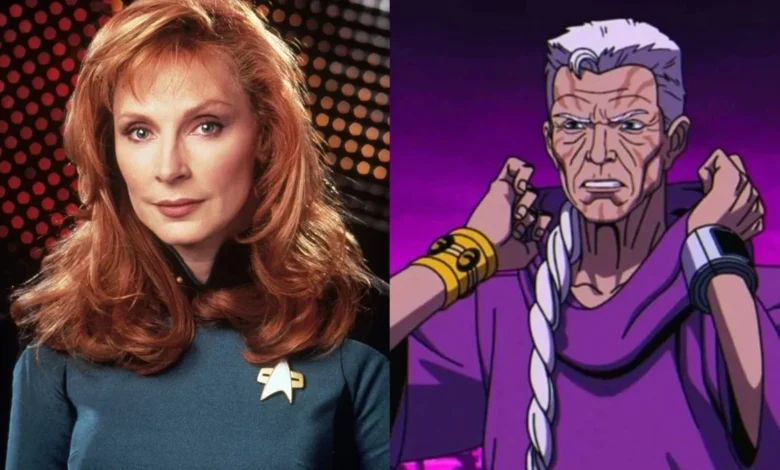
The first Star Trek: The Next Generation star to join the X-Men ’97 ranks, whose casting was confirmed in the season one finale, is Gates McFadden, reprising her role as Dr. Beverly Crusher. In X-Men ’97, McFadden lends her distinctive voice to Mother Askani, a pivotal character introduced in the season one episode "Days of Past Future." This episode saw Cyclops and Jean Grey journeying into the distant future, encountering the formidable leader of Clan Askani. Mother Askani is revealed to be a much older version of Rachel Summers, the future daughter of Scott Summers (Cyclops) and Jean Grey. Her mission in the narrative is to transport her parents to the future to raise her brother, Nathan, a crucial plot point in the mutant lore. McFadden’s portrayal of the compassionate yet strong Dr. Crusher on Star Trek: The Next Generation for seven seasons, as well as in subsequent films and Star Trek: Picard, has cemented her status as a fan favorite. Her ability to convey depth and authority makes her a natural fit for the significant role of Mother Askani, a character central to the future of mutantkind. Her past voice acting credits, though less extensive than some of her TNG co-stars, showcase her versatility.

Michael Dorn as Baal
Adding another layer of Star Trek gravitas to X-Men ’97, Michael Dorn, famously known for his portrayal of the Klingon warrior Worf, is set to voice the warrior Baal. Baal is introduced in the third episode of X-Men ’97, "The Rise of Apocalypse Part I," as the adoptive father of En Sabah Nur, who would become the apocalyptic villain Apocalypse. Dorn’s casting is particularly fitting, given his extensive experience playing powerful, warrior-like characters. Baal is depicted as a fearsome and barbaric fighter who instills in Apocalypse the brutal "survival of the fittest" philosophy that defines his reign. Dorn’s iconic role as Worf, spanning seven seasons of Star Trek: The Next Generation, four seasons of Star Trek: Deep Space Nine, five Star Trek films, and a season of Star Trek: Picard, has made him a recognizable and respected figure in science fiction. Beyond his live-action roles, Dorn possesses a prolific voice acting career, lending his resonant voice to numerous animated projects, including Invincible and Justice League, among others. This extensive background makes him exceptionally well-suited to bring the complex and imposing character of Baal to life.
John de Lancie as Pharaoh Rama-Tut (Kang)
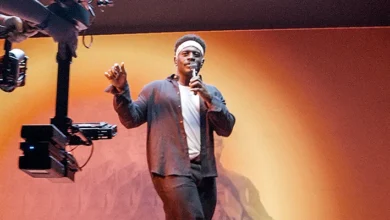
The third significant Star Trek: The Next Generation alumnus joining the X-Men ’97 roster is John de Lancie, who will voice the villainous time-traveler Pharaoh Rama-Tut. De Lancie is universally recognized for his captivating performance as Q, the omnipotent, reality-bending being from the Q Continuum, who debuted in the very first episode of Star Trek: The Next Generation, "Encounter at Farpoint," and became a recurring antagonist and ally throughout the series. The character of Rama-Tut is a well-established variant of Kang the Conqueror within the Marvel Comics canon, a master of time and advanced technology who establishes himself as a divine ruler in ancient Egypt. The parallel between Q’s godlike power and Rama-Tut’s deification of himself among ancient Egyptians makes de Lancie’s casting particularly inspired. His ability to embody characters with immense power and a penchant for manipulation is precisely what is required for a formidable villain like Rama-Tut. De Lancie’s extensive work as Q, a character known for his enigmatic pronouncements and profound impact on humanity’s development, has prepared him for the nuanced portrayal of a character like Rama-Tut, who wields immense power and influences historical events.
The Significance of Inter-Franchise Casting
The deliberate inclusion of Star Trek: The Next Generation actors in X-Men ’97 is more than just a nod to nostalgic fan bases; it represents a strategic decision to leverage established vocal talent and their associated audience appeal. This practice is not new in the animation and voice acting industry, where actors often move between diverse projects, but the direct lineage from a seminal science fiction series to a beloved superhero animation carries particular weight. It suggests a shared creative vision that values strong character performance and recognizes the power of familiar voices to enhance new narratives.
The casting choices also speak to the producers’ understanding of character archetypes. Mother Askani, a future mother tasked with a monumental responsibility, echoes the nurturing yet authoritative presence of Dr. Crusher. Baal, a warrior who shapes the destiny of another, finds a parallel in Worf’s journey as a warrior navigating complex loyalties and responsibilities. And Rama-Tut, a being who wields immense power and views himself as superior, is a natural extension of Q’s cosmic arrogance and influence.

A Deeper Dive into the Characters and Their Origins
The characters brought to life by these Star Trek veterans play crucial roles in the evolving narrative of X-Men ’97.
Mother Askani/Rachel Summers: Rachel Summers is a significant figure in X-Men lore, particularly in storylines involving time travel and the Summers family. Her mutant ability to psionically tap into the Phoenix Force makes her an incredibly powerful entity. The "Askani" are a group of mutants in the far future who fought against Apocalypse. Mother Askani’s role as the matriarch of this clan and her connection to the Summers lineage are vital to understanding the long-term struggles of mutantkind against its most ancient foes. Gates McFadden’s portrayal is expected to bring a mature gravitas to this character, reflecting the weight of her mission and the future she represents.
Baal: Baal’s introduction as Apocalypse’s adoptive father positions him as a foundational influence on one of Marvel’s most formidable villains. His philosophy of survival of the fittest, passed down to En Sabah Nur, directly informs Apocalypse’s worldview and his brutal methods of culling what he perceives as weak populations. Michael Dorn’s deep voice and commanding presence are ideal for a character who would instill such a harsh ideology. His previous role as Worf, a character who grappled with honor, duty, and the Klingon warrior code, provides him with a rich foundation for exploring the motivations of a character like Baal.
Pharaoh Rama-Tut (Kang): The character of Rama-Tut is a testament to Marvel’s intricate and expansive mythology. As a temporal variant of Kang the Conqueror, Rama-Tut represents a specific era of Kang’s vast conquests. His ability to conquer ancient Egypt by leveraging future technology positions him as a god-like figure to the populace, a role that John de Lancie is uniquely positioned to inhabit. De Lancie’s performance as Q, a being who frequently tested humanity’s mettle and viewed them with a mixture of amusement and disdain, has honed his ability to portray characters who operate on a different plane of existence and possess an almost divine self-importance. The complexity of Kang’s character, often driven by a desire for order and conquest, provides ample opportunity for de Lancie to explore the darker facets of a powerful temporal manipulator.

The Broader Implications for X-Men ’97 and Beyond
The successful integration of these Star Trek actors into X-Men ’97 season two signals a promising future for the series, not only in terms of narrative depth but also in its ability to attract and retain a dedicated audience. The series, which has already been lauded for its faithful continuation of the original X-Men: The Animated Series narrative and its willingness to explore mature themes, is further bolstered by the caliber of its voice talent.
This casting strategy also raises questions about potential future collaborations. With Patrick Stewart, who famously portrayed Professor X in the live-action X-Men films and voiced the character in various animated iterations, already having strong ties to the X-Men franchise, speculation about his involvement in future animated projects is natural. However, the current focus remains on the established TNG cast members and their contributions to X-Men ’97.
The success of X-Men ’97 and its creative casting choices could also inspire further cross-pollination between major franchises. The enduring appeal of characters like those from Star Trek: The Next Generation and the vibrant world of the X-Men demonstrate the power of well-crafted stories and the actors who bring them to life. As X-Men ’97 continues to roll out new episodes every Wednesday on Disney+, fans will undoubtedly be keenly observing how these veteran voices shape the destiny of their beloved mutant heroes and villains. The possibility of an animated Star Trek: The Next Generation season 8, though a speculative desire among fans, is made more conceivable by the current momentum of these beloved actors working together in new animated capacities. The universe of possibilities, much like the final frontier and the multiverse of Marvel, remains vast and exciting.