Captain Price Will Probably Feature in the Upcoming Call of Duty Movie, Confirms Director Peter Berg

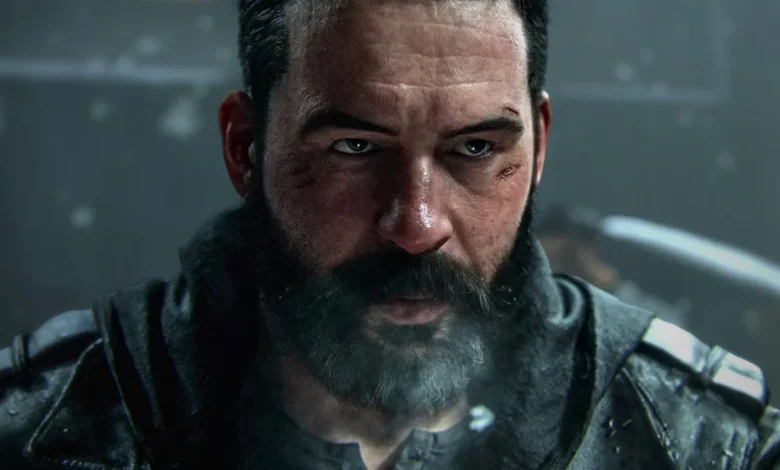
The cinematic adaptation of Activision’s multi-billion-dollar franchise is steadily moving forward, with filmmaker Peter Berg recently offering the clearest indication yet that the iconic British special forces operator, Captain John Price, will transition from the gaming screen to the silver screen. In a wide-ranging interview with entertainment publication Variety, Berg confirmed that the upcoming feature film will draw its primary narrative inspiration from the gritty, modern-day geopolitical conflicts of the Call of Duty: Modern Warfare sub-franchise. When directly queried about whether the fanbase’s most recognizable soldier would make an appearance, the director offered a confident, if slightly measured, response: "We’ve already said that we’re basing it on the ‘Modern Warfare’ universe. So you can probably expect to see Captain Price, I would think."
While the word "probably" leaves a slight margin for creative adaptation, industry analysts and franchise veterans interpret the comment as a heavy hint rather than a definitive denial. Captain Price has served as the undisputed emotional and tactical anchor of the Modern Warfare timeline since the inception of the original 2007 title developed by Infinity Ward. His eventual inclusion in a cinematic universe bearing the franchise’s namesake is viewed by most entertainment observers as an inevitability, given his status as the most recognizable and marketable human character in the entirety of Activision’s vast intellectual property catalog.
Production Background and High-Profile Creative Team
The development of a Call of Duty feature film represents a massive collaborative undertaking between Hollywood major studio Paramount Pictures and video game publisher Activision. The project has quietly assembled an A-list creative roster behind the scenes. Peter Berg, whose extensive directorial resume includes high-octane action and military-adjacent dramas such as Lone Survivor, Patriots Day, and The Kingdom, is slated to direct the feature while also contributing to the overarching narrative direction.
Significantly, the screenplay is being penned by Taylor Sheridan, one of the most sought-after and prolific writers in modern American media. Sheridan is widely celebrated for his gritty, realistic portrayals of crime, law enforcement, and frontier justice in works such as Sicario, Hell or High Water, Wind River, and the sweeping television phenomenon Yellowstone. The pairing of Berg’s kinetic, tactical action direction with Sheridan’s mastery of grounded, high-stakes political tension suggests that the Call of Duty film will attempt to distance itself from traditional, campy video game adaptations, aiming instead for a serious, grounded military thriller aesthetic.
Current Production Status and Casting Rumors
As pre-production accelerates, Berg has revealed that formal casting sessions are currently underway. While no specific actors have been officially signed or publicly announced to portray Captain Price, Task Force 141 members, or any of the planned antagonists, the casting process is expected to yield official talent announcements in the coming months. Finding an actor capable of stepping into the heavy combat boots of Captain Price—traditionally voiced and physically modeled after British actor Barry Sloane in recent franchise entries—presents a distinct creative challenge for the casting department.
The timeline for the film’s theatrical debut has already been established by Paramount Pictures, with the global release currently locked in for June 30, 2028. This generous runway allows the production team ample time to navigate complex special effects, large-scale tactical choreography, and authentic military consulting, ensuring that the film meets the rigorous visual and atmospheric standards expected by millions of dedicated franchise players.
Evolution of Captain Price in Gaming History
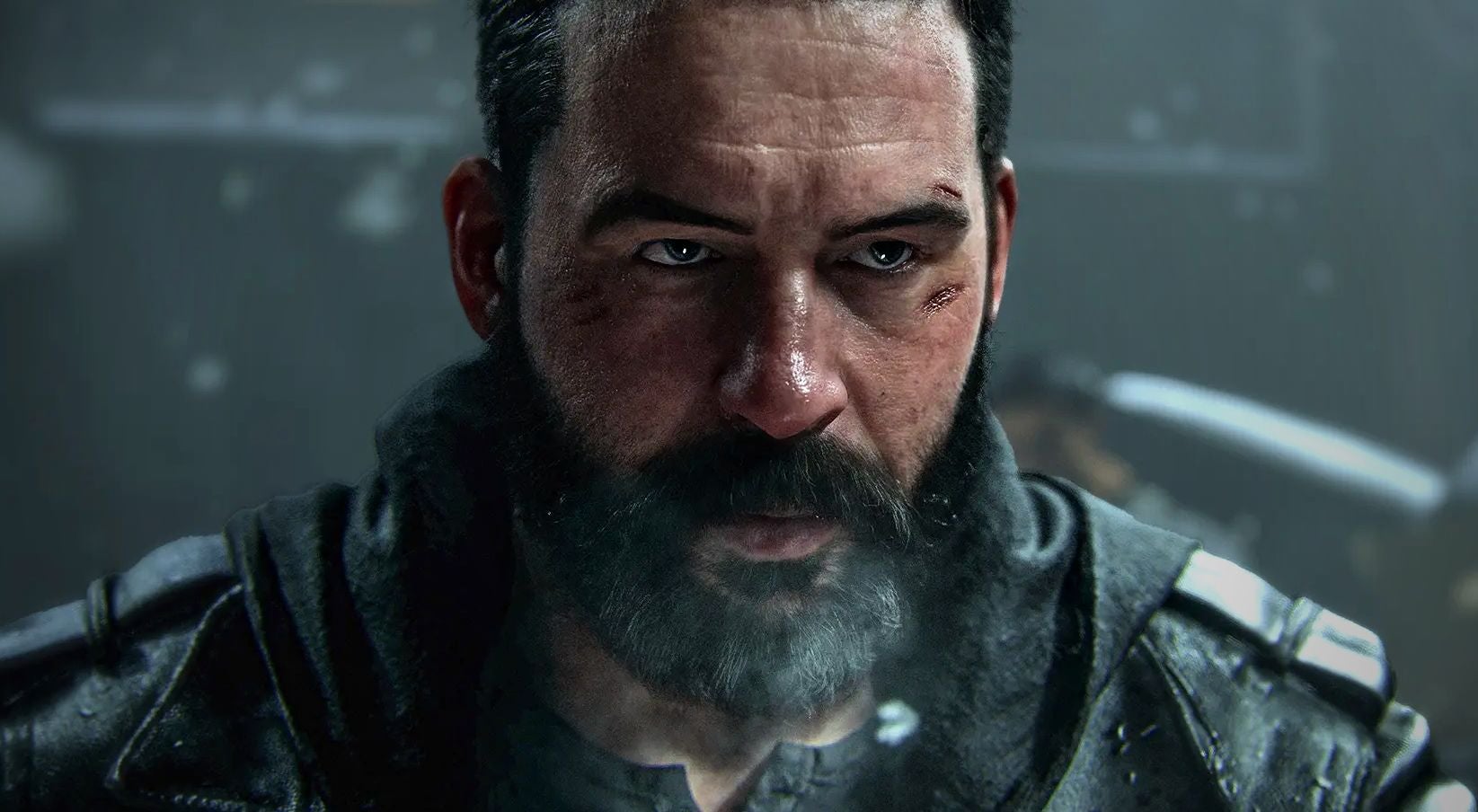
To understand the significance of Captain Price’s anticipated cinematic debut, one must examine his enduring legacy within the interactive medium. The character made his initial franchise appearance in the original 2003 Call of Duty title, which was set during the European and North African theaters of World War II. Though that early iteration of Price met an untimely end in a sinking battleship mission, the character was effectively rebooted and modernized when Infinity Ward shifted historical eras to contemporary asymmetric warfare in 2007’s Call of Duty 4: Modern Warfare.
Sporting his signature Boonie hat, formidable facial hair, and an unflinching penchant for tactical cigars, the modern incarnation of Captain Price quickly ascended to cultural icon status. He served as a mentor to beloved protagonists such as Sergeant John "Soap" MacTavish and Lieutenant Simon "Ghost" Riley. Price has since anchored every major iteration of the Modern Warfare continuity, including the critically acclaimed 2019 soft reboot and its subsequent multi-year sequels, cementing his status as the definitive face of the entire franchise.
Broader Industry Context and Franchise Pressures
The push to bring Call of Duty to the big screen arrives at a pivotal juncture for Activision and its parent company, Microsoft. For over two decades, the annual first-person shooter franchise has dominated global entertainment charts, consistently generating billions of dollars in annual revenue through software sales, microtransactions, and free-to-play spin-offs like Call of Duty: Warzone. However, the gaming ecosystem is experiencing unprecedented structural shifts.
Recent industry data underscores the fierce competition defining the contemporary entertainment landscape. Analysts recently noted that the monumental launch of Rockstar Games’ Grand Theft Auto 6 exerted a profound gravitational pull on the global gaming audience, temporarily drawing significant player populations away from established service games, including various iterations of Call of Duty. In light of shifting consumer engagement habits across gaming, television, and cinema, media conglomerates are increasingly leaning toward cross-media synergy. Translating proven intellectual properties into high-budget cinematic and streaming universes has become a primary strategy for retaining brand relevance and capturing mainstream audiences who may not actively play video games.
Implications of the Cinematic Adaptation
The commercial and critical stakes for the upcoming Call of Duty film are exceptionally high. Historically, video game adaptations have struggled to achieve critical acclaim or box-office longevity, frequently suffering from narrative dissonance, poor pacing, and an inability to translate interactive mechanics into compelling cinematic storytelling. However, recent successes—ranging from television adaptations like HBO’s The Last of Us and Amazon’s Fallout to cinematic milestones like The Super Mario Bros. Movie—have demonstrated that fidelity to source material, combined with top-tier creative talent, can yield massive commercial dividends.
By anchoring the film in the Modern Warfare universe and utilizing the narrative gravitas of characters like Captain Price, Paramount and Activision are signaling a commitment to a mature, grounded cinematic military drama. If Peter Berg and Taylor Sheridan succeed in capturing the tense camaraderie, complex geopolitical stakes, and visceral action sequences that define the video game series, the project could redefine the standard for military action cinema in the late 2020s.
As casting details emerge and production ramps up ahead of the scheduled June 2028 premiere, all eyes will remain fixed on Hollywood to see how one of interactive entertainment’s most legendary soldiers makes the ultimate transition to the silver screen.