Phasmophobia Update Resonance Brings Unity 6 Upgrade, Dowsing Rods, and Xbox Play Anywhere Support on November 24

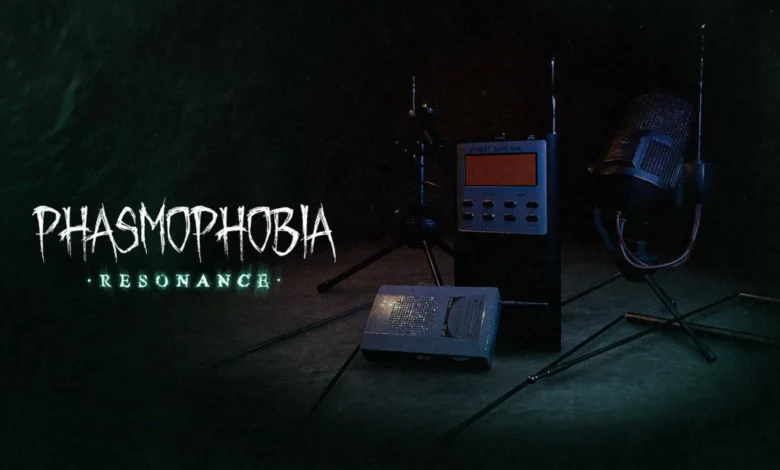
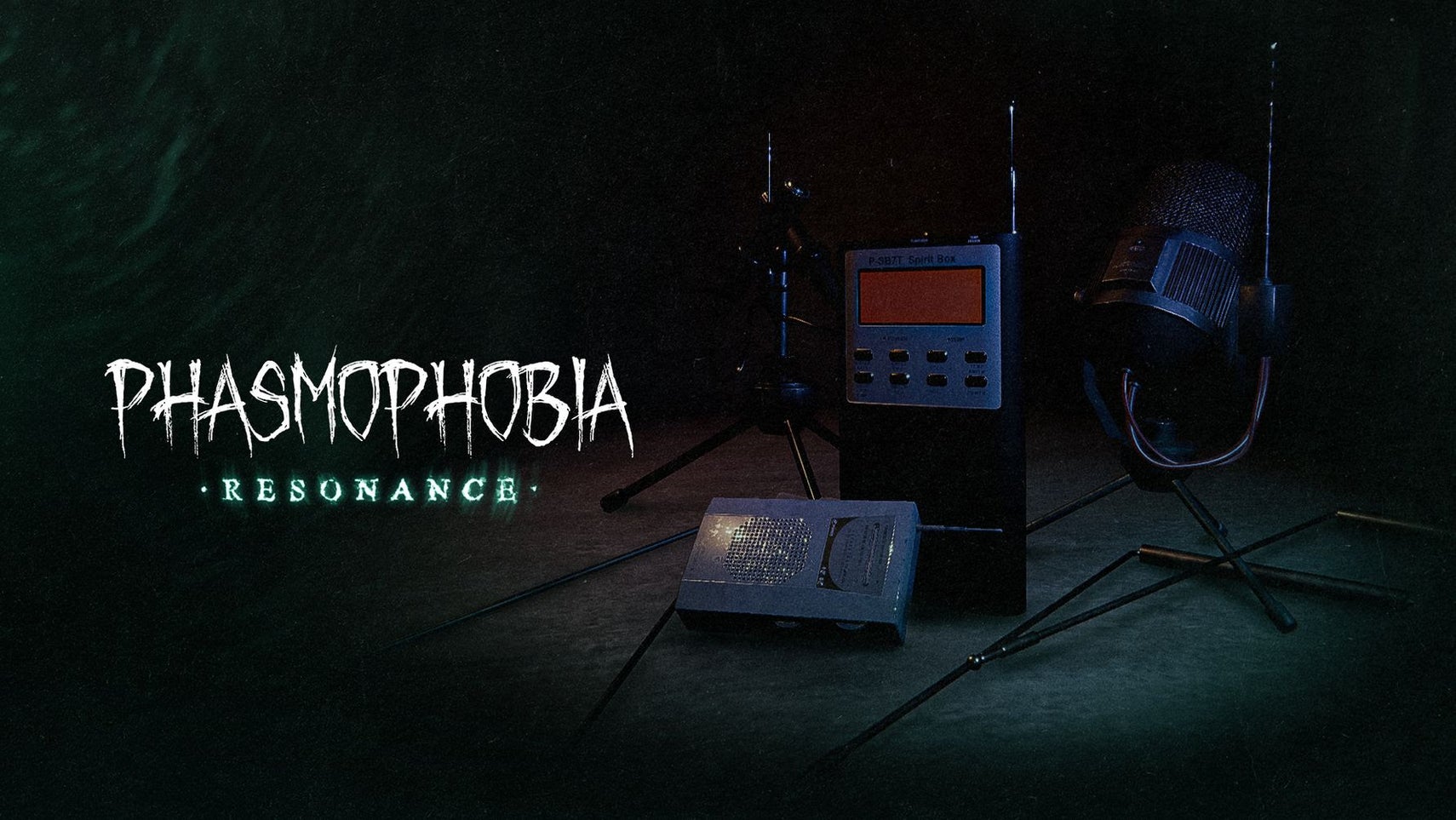
Kinetic Games has officially announced that Phasmophobia, the immensely popular cooperative psychological horror game, is scheduled to receive its next major content drop on November 24. Titled "Resonance," the forthcoming free update introduces a comprehensive suite of mechanical additions, hardware upgrades, and a foundational technical overhaul centered around the transition to the Unity 6 game engine. Designed to refine the core gameplay loop and improve the overall stability of investigations, the patch arrives across all supported platforms, including PC, PlayStation 5, PlayStation VR2, and Xbox Series X/S.
Main Facts and Headline Additions
The centerpiece of the Resonance update is the introduction of dowsing rods, a brand-new investigative tool specifically engineered to help players track down hidden bones across map environments. Particularly advantageous on sprawling, complex levels such as Brownstone High School, the dowsing rods function similarly to existing equipment tiers within Kinetic Games’ ecosystem. Higher tiers yield more precise readings; notably, Tier 3 Dowsing Rods possess the capability to pinpoint the exact floor on which a bone is located.
Alongside the dowsing rod, Kinetic Games has overhauled the Sound Sensor to provide clearer tactical data. The updated interface features refined visual indicators distinguishing between continuous noises and isolated, one-off audio cues. Furthermore, investigators will be able to cross-reference sound data with map layouts to identify ghost types based on their movement speeds.
The update also expands verbal interaction mechanics. Players can now issue voice commands directly instructing ghosts to interact with doors, toggle switches, and hurl nearby objects, with a comprehensive directory of usable phrases cataloged in the player Journal. To streamline lobby management, the contract selection screen is receiving a custom map-pool randomizer alongside quick-selection buttons categorized by small, medium, and large map sizes.
Technical Overhaul: The Transition to Unity 6
Beyond gameplay features, the migration to the Unity 6 engine represents a significant milestone for the title’s technical infrastructure. Daniel Knight, CEO and game director at Kinetic Games, emphasized the multifaceted benefits of the engine upgrade.
"We want to ensure every item in our Ghost Hunters’ kits can add as much value as possible in investigations," Knight stated regarding the equipment upgrades. Discussing the technical framework, he added, "Resonance also brings Phasmophobia’s move to Unity 6—while this transition is a technical upgrade first and foremost, it has allowed us to implement major lighting improvements to make the game even more immersive."
The move to Unity 6 delivers heightened visual fidelity through realistic lighting models, enhanced performance stability, and a broader suite of graphical options. Additionally, the engine integration introduces VR Eye Adaptation features and dedicated accessibility settings for colorblind players. Prominent bug fixes accompany the technical changes, alongside the implementation of a player conduct warning system designed to issue alerts prior to issuing outright bans, save for severe policy violations.
The update further expands ecosystem accessibility by incorporating Xbox Play Anywhere support. Players who own the digital edition on Xbox will gain cross-platform continuity, allowing seamless progression and play across Xbox Series X/S consoles, personal computers, and portable handheld gaming devices such as the ASUS ROG Ally.
Chronology and Development Context
The arrival of Resonance comes at a critical juncture in Phasmophobia’s development lifecycle. Earlier this year, Kinetic Games adjusted its roadmap, officially announcing that the game’s anticipated version 1.0 full launch had been delayed from its original window into 2027. The studio explained that the postponement was necessary to prioritize long-term quality over speed, particularly in the wake of a challenging reception to the Player Character Update.

Following the release of the character update, the development team faced sharp criticism from the player base regarding performance regressions and unfulfilled expectations. Kinetic Games issued a formal apology to the community, acknowledging that the update "missed the mark" and "didn’t deliver on our promises." Since that period, the studio has focused heavily on iterative quality-of-life updates, community transparency, and foundational optimizations to rebuild player trust ahead of the eventual full commercial release.
Community Initiatives and Broader Impact
In addition to ongoing development efforts, Phasmophobia’s active player base has continued to demonstrate significant engagement outside the core gameplay loop. Earlier this month, the community successfully concluded a charity fundraising campaign, raising more than $230,000 (approximately £173,000) for the American Heart Association. The milestone more than doubled the total raised by the community during the previous year’s philanthropic initiative, highlighting the enduring loyalty and social organization of the game’s player base.
Looking forward, the roadmap for Phasmophobia extends beyond the immediate scope of the Resonance update. While current-generation consoles and PC remain the primary focus, Kinetic Games has previously confirmed plans to bring the title to the Nintendo Switch 2, though an official release date for that platform remains unannounced.
As Phasmophobia approaches its November 24 deployment date for Resonance, the combination of targeted equipment additions, expanded accessibility, and the backend stability of Unity 6 positions the cooperative horror hit for sustained growth throughout its extended early access period.