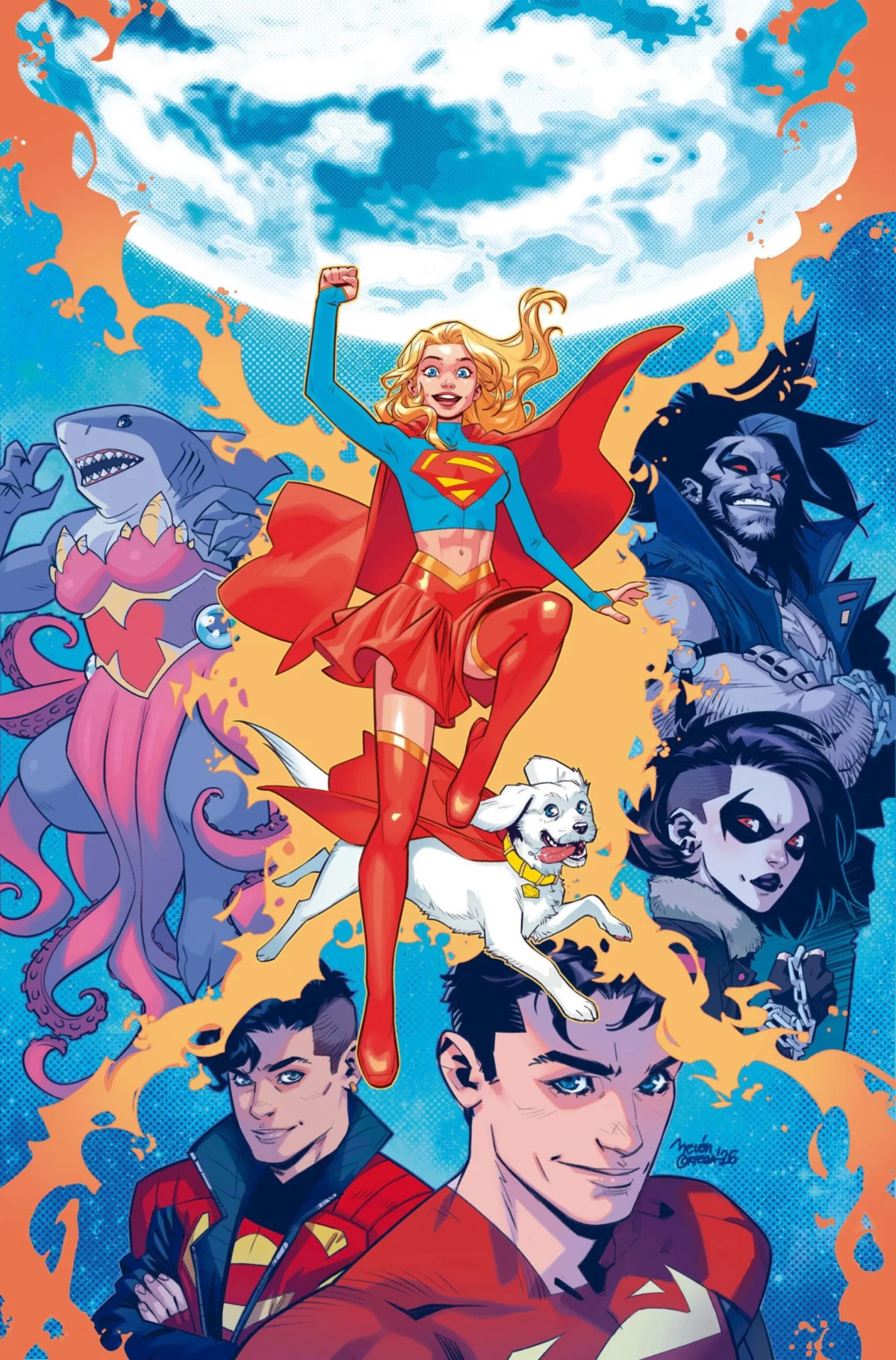
DC Comics has unveiled an ambitious expansion of its celebrated Elseworlds imprint, confirming the launch of three distinct new comic book series set to debut across May, June, and July of 2026. This strategic move signals a renewed commitment to exploring alternate realities and reimagined narratives for its iconic characters, leveraging the creative freedom that defines the Elseworlds banner. The upcoming titles, Superman: Father of Tomorrow, Supergirl: Survive, and Dark Knights of Steel II, are poised to offer fresh perspectives on foundational DC mythology, inviting both long-time fans and new readers into universes where familiar heroes face radically different destinies.
The announcement positions these releases as a cornerstone of DC’s 2026 publishing schedule, particularly highlighting a "Summer of Supergirl" initiative that Supergirl: Survive will anchor. The Elseworlds line, renowned for its standalone stories that exist outside the main DC Universe continuity, provides a fertile ground for creators to experiment with core concepts and character origins without the constraints of established lore. This latest wave of titles is expected to further solidify Elseworlds’ reputation for bold, imaginative storytelling.
Detailed Overview of the New Elseworlds Series
1. Superman: Father of Tomorrow
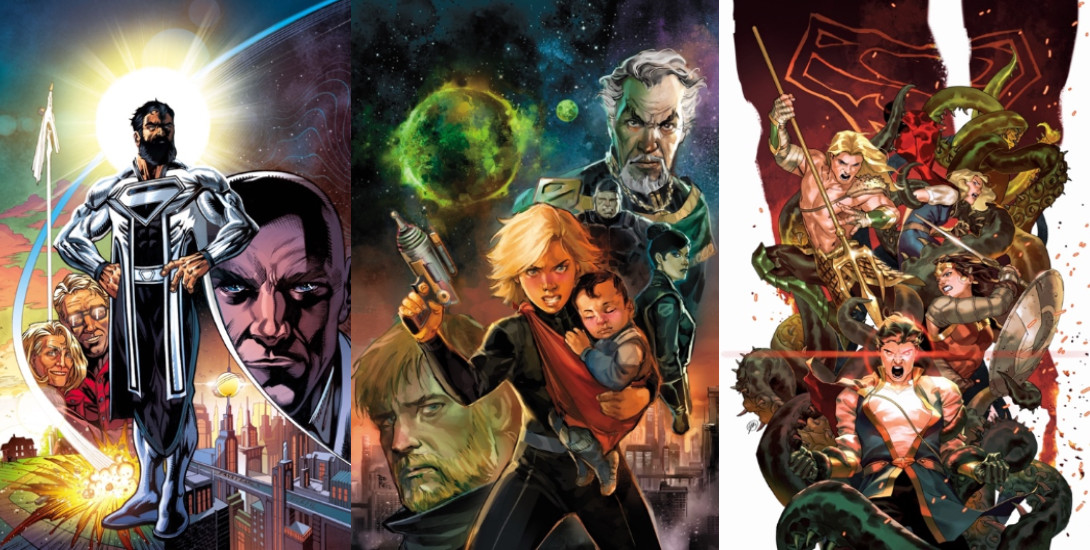
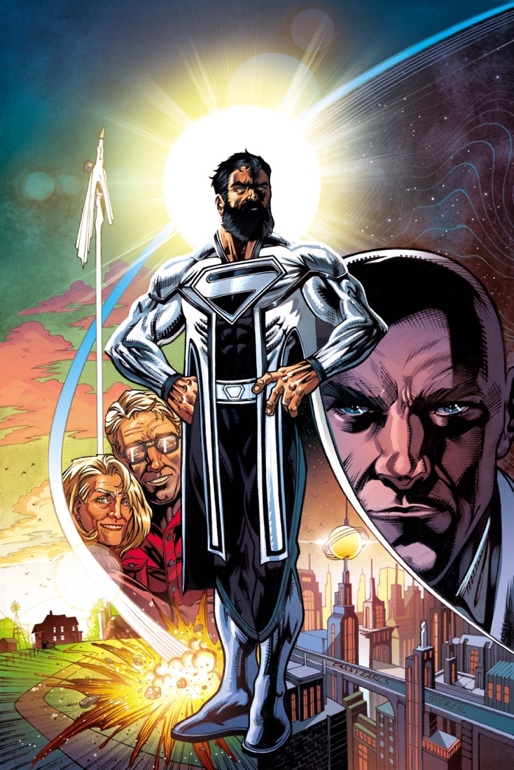
Launching on May 27, Superman: Father of Tomorrow presents a profound "what if" scenario that redefines the genesis of Earth’s greatest hero. Written by Kenny Porter with art and covers by Danny Earls, this series explores a universe where it is Jor-El, not his infant son Kal-El, who escapes the doomed planet Krypton and crash-lands in rural Kansas. The narrative immediately pivots on this singular, monumental change. Instead of growing up with the Kents and developing into the symbol of hope and truth known as Superman, Jor-El finds himself in a new world, imbued with the same incredible powers under Earth’s yellow sun.
The thematic implications of this premise are vast. Jor-El, a brilliant scientist and a leader on Krypton, brings an entirely different set of experiences, knowledge, and perspectives to his role as Earth’s protector. His inherent scientific intellect, combined with Kryptonian advancements, could lead to a very different kind of "Man of Tomorrow"—one perhaps more reliant on ingenuity and strategic thinking alongside raw power. This series promises to delve into how Jor-El, a mature Kryptonian with a profound understanding of advanced technology and a deep sense of responsibility from his home world, adapts to human culture and uses his abilities to safeguard a planet that is not his birthright, but his adopted home. The creative team of Porter and Earls is tasked with crafting a compelling character study, exploring themes of adaptation, legacy, and the definition of heroism through the lens of a father figure assuming the mantle traditionally reserved for his son. The May debut sets a high bar for the summer’s Elseworlds offerings, challenging preconceived notions of the Superman mythos.
2. Supergirl: Survive
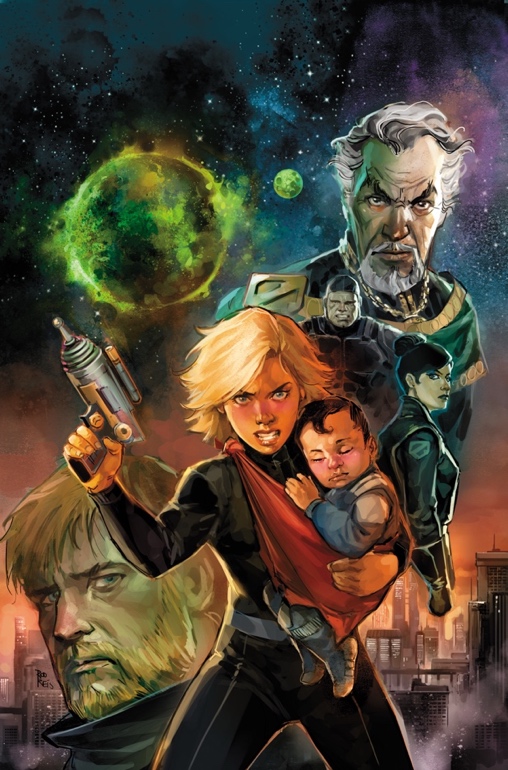
Following in June, specifically on June 3, Supergirl: Survive by Ethan S. Parker and Griffin Sheridan, with art and covers by the acclaimed Rod Reis, introduces a harrowing tale of survival for Krypton’s last children. The series synopsis describes a teenage Kara Zor-El, burdened with the care of an infant Kal-El, as Krypton crumbles around them. They are launched into a prototype rocket, thrust into a "hostile universe" that cares little for their fate. This premise immediately elevates the stakes, moving beyond a simple origin story to one focused on desperate endurance against overwhelming odds.
The narrative promises to be an intense exploration of sibling bonds under extreme duress. Kara, typically portrayed as a beacon of hope and strength, is here depicted in a raw, vulnerable state, forced to mature rapidly to protect her baby cousin. The "hostile universe" implies not just the physical dangers of space travel but potentially antagonistic alien species, environmental hazards, or cosmic forces that stand against their very existence. Ethan S. Parker and Griffin Sheridan, known for their Eisner Award-nominated work on Kill Your Darlings, bring a proven ability to craft suspenseful and character-driven narratives. Rod Reis, celebrated for his distinctive artistic style in titles like New Mutants, is expected to lend a visually stunning and emotionally resonant aesthetic to this desperate journey. His visionary art will be crucial in conveying the vastness and indifference of the cosmos, as well as the intimate struggles of Kara and Kal. This series is positioned as a key component of DC’s "Summer of Supergirl" celebration, aiming to spotlight the character in a fresh and impactful way.
3. Dark Knights of Steel II
The summer concludes with the highly anticipated return of a fan-favorite fantasy epic, Dark Knights of Steel II, launching on July 15. Written by Tom Taylor with art by Otto Schmidt and covers by Yasmine Putri, this sequel promises to continue the medieval DC Universe saga that captivated readers with its initial run. The original Dark Knights of Steel reimagined the DC pantheon as denizens of a fantastical realm, replete with kings, queens, knights, and magic, all infused with the familiar powers and personalities of DC’s iconic heroes and villains. The series masterfully blended high fantasy with superheroics, exploring themes of political intrigue, dynastic conflicts, and the clash of superpowers in a pre-industrial setting.
The return of this beloved alternate-universe saga underscores its significant critical and commercial success. Tom Taylor has carved out a niche for himself as a master of alternate-reality narratives, notably with his work on Injustice, demonstrating an unparalleled ability to twist familiar characters into new, compelling roles while maintaining their essence. His storytelling is often characterized by high emotional stakes, unexpected plot twists, and a keen understanding of character motivation. Otto Schmidt’s art brought a distinctive vibrancy and dynamic quality to the first series, perfectly complementing the blend of fantasy and action. Yasmine Putri’s covers were instrumental in establishing the series’ unique visual identity. While specific plot details for Dark Knights of Steel II are being kept under wraps, the announcement alone has generated considerable excitement, promising a continuation of the "fire and fury" that defined its predecessor and further forging the legend of this unique DC Universe.
The Enduring Legacy and Resurgence of Elseworlds
The Elseworlds imprint has a rich and storied history within DC Comics, dating back to its formal inception in 1989 with the groundbreaking Gotham by Gaslight. This seminal title, which depicted Batman as a Victorian-era vigilante pursuing Jack the Ripper, immediately established the imprint’s core philosophy: to tell "imaginary stories" that free creators from the shackles of established continuity. Before its formal branding, DC had a long tradition of "imaginary stories" in its Silver Age, but Elseworlds brought a modern, sophisticated approach to these alternate narratives.
Over the decades, Elseworlds has delivered some of DC’s most critically acclaimed and fan-adored stories. Titles like Kingdom Come by Mark Waid and Alex Ross presented a dystopian future where older heroes clashed with a new, violent generation. Superman: Red Son by Mark Millar, Dave Johnson, and Killian Plunkett envisioned a world where Kal-El’s rocket landed in Soviet Russia. JLA: The Nail by Alan Davis explored a world without Superman, dramatically altering the course of the Justice League. These stories, by their very nature, allowed for radical character redesigns, altered power sets, and dramatic narrative conclusions that would be impossible in the main continuity.
The current resurgence of the Elseworlds line, following a period of less frequent releases, reflects a broader industry trend and DC’s strategic embrace of the multiverse concept. In an era where multiversal storytelling dominates popular culture—from cinematic universes to animated series—the Elseworlds imprint offers a dedicated platform for exploring these diverse realities within the comic book medium. It caters to a desire for fresh takes on classic characters, allows for experimental storytelling, and provides entry points for new readers who might find the decades of main continuity intimidating. This strategic expansion in 2026 demonstrates DC’s intent to capitalize on the imprint’s proven appeal and artistic flexibility.
Creative Talent Driving the Vision
The success of any Elseworlds title hinges on the strength of its creative teams, and DC’s selection for these three new series underscores a commitment to bringing top-tier talent to these alternate-universe explorations.
- Kenny Porter and Danny Earls on Superman: Father of Tomorrow: Porter is known for his compelling character work and ability to explore the emotional core of superheroes. Earls’ art style often brings a grounded yet expressive quality, essential for reimagining such an iconic figure as Jor-El in a new light. Their collaboration promises a nuanced take on the Superman mythos.
- Ethan S. Parker, Griffin Sheridan, and Rod Reis on Supergirl: Survive: Parker and Sheridan, having earned an Eisner Award nomination for Kill Your Darlings, demonstrate a capacity for crafting intense, emotionally charged narratives. Their ability to delve into psychological depth will be critical for a story centered on survival and trauma. Rod Reis, with his distinct and often painterly art style, brings a visual sophistication that can elevate the cosmic drama and emotional intimacy of Kara and Kal’s journey. His work is known for its atmospheric quality, perfectly suited for depicting a "hostile universe."
- Tom Taylor and Otto Schmidt on Dark Knights of Steel II: Tom Taylor has become one of DC’s most reliable and celebrated writers for alternate-reality stories. His work on the original Dark Knights of Steel showcased his unparalleled skill in blending genres and making bold, often shocking, narrative choices that resonate deeply with readers. Schmidt’s dynamic and clean art style complements Taylor’s storytelling, delivering clear action and expressive character work. Their return to this medieval universe is a testament to the success of their initial collaboration and promises a continuation of the intricate world-building and high-stakes drama that defined the first series. Yasmine Putri’s evocative cover art further solidifies the aesthetic continuity, ensuring fans recognize the return to this beloved world.
This curated selection of creators highlights DC’s strategy: pairing writers known for impactful, character-driven narratives with artists capable of bringing unique visual identities to these distinct universes. The result is a slate of titles that are not only conceptually intriguing but also artistically ambitious.
Strategic Implications for DC Comics
The expansion of the Elseworlds line in 2026 carries several significant strategic implications for DC Comics. Firstly, it represents a diversification of their publishing portfolio. By offering stories that do not require extensive knowledge of the main continuity, DC can attract new readers who might otherwise feel overwhelmed by decades of lore. This "fresh start" approach for each series makes them accessible and appealing.
Secondly, Elseworlds serves as a vital creative sandbox. It allows writers and artists to experiment with core concepts, character designs, and narrative structures without the risk of destabilizing the primary DC Universe. Successful elements or beloved character interpretations from Elseworlds can, in turn, subtly influence main continuity storytelling or inspire new interpretations in other media, such as film and television, where alternate takes on heroes are increasingly popular.
Thirdly, this initiative reinforces DC’s commitment to exploring the full breadth of its intellectual property. By revisiting popular concepts like a medieval DC Universe or reimagining the origins of its flagship characters, DC ensures that its vast roster of heroes remains dynamic and relevant. This continuous reinvention is crucial for maintaining reader engagement in a competitive market.
Finally, the emphasis on digital platforms like DC Universe Infinite (DCUI) underscores DC’s multi-faceted approach to content delivery. DCUI, offering a vast library of comics digitally, serves as an excellent complement to new physical releases, allowing readers to explore the history of Elseworlds or delve into the broader DC catalog. While DCUI is not available in all countries and is not intended for children, its role in expanding access to DC’s rich storytelling is undeniable.
The launch of Superman: Father of Tomorrow, Supergirl: Survive, and Dark Knights of Steel II in Summer 2026 marks a pivotal moment for DC’s Elseworlds imprint. These three new series, helmed by celebrated creative teams, promise to deliver bold, imaginative, and deeply resonant stories that push the boundaries of what readers expect from their favorite heroes. By embracing the freedom of alternate realities, DC is poised to offer a compelling narrative experience that celebrates its legacy while forging exciting new paths for its future. Fans are encouraged to follow official DC channels and visit dc.com for the latest updates and to prepare for a summer of unparalleled alternate-universe adventures.