
The Return of Young Jon Kent and the Tragic Rebirth of Tomorrow Man Mark a Pivotal Shift for DC’s Superman Mythos


The landscape of DC Comics’ Superman family has undergone its most significant transformation in years, as the long-controversial aging of Jon Kent, the son of Clark Kent and Lois Lane, has been partially reversed. In a move that simultaneously rectifies a contentious past editorial decision and introduces a poignant new character arc, the original adolescent Jon Kent has been restored to the main continuity, while his older, teenage self forges a new, isolated identity as the superhero "Tomorrow Man." This complex narrative development, unfolding in the pages of Superman Unlimited #11 and #12, has profound implications for the Kent family, the broader DC Universe, and the very concept of legacy heroes, leaving fans with a mixture of elation for the past and concern for the future.
The Genesis and Evolution of Jon Kent: A Brief History
To fully appreciate the gravity of this recent shift, it is essential to trace the intricate history of Jon Kent. First introduced in 2015’s Convergence: Superman #2 and further developed in the critically acclaimed Superman: Lois and Clark series (2015-2016), Jon Kent emerged as the biological son of Superman and Lois Lane, born in secret on an alternate Earth before their integration into the prime DC continuity during the "Rebirth" era. His early adventures, particularly alongside Damian Wayne (Robin) in the beloved Super Sons series (2017-2018), quickly endeared him to a broad readership. As a young, optimistic, and slightly mischievous Superboy, Jon represented a fresh, hopeful addition to the Superman mythos, embodying the next generation of heroism with an innocence and boundless potential that resonated deeply with fans. His dynamic with his parents, learning to control his powers, and navigating the challenges of growing up with the weight of the Superman legacy on his shoulders, provided fertile ground for engaging storytelling. He was a symbol of family, continuity, and the inherent goodness that defines the Superman ideal.
However, this widespread affection took a dramatic turn with a controversial editorial decision that significantly altered Jon’s trajectory. In 2018, during Brian Michael Bendis’s tenure on the Superman titles, Jon Kent was aged up from a ten-year-old boy to a seventeen-year-old teenager. This rapid maturation occurred off-panel, explained by a convoluted storyline wherein Jon was kidnapped by Jor-El and later imprisoned by Ultraman on Earth-3, where years passed for him while only a few weeks elapsed on Earth. This "age-up" was met with considerable backlash from the fan community and critics alike. Many felt it was a forced development that stripped Jon of his unique youthful charm, disrupted his popular dynamic with Damian Wayne, and robbed readers of the opportunity to see him organically grow into his powers and role. The character, now older and having experienced significant trauma, struggled to find his footing as "the second Superman" in the shadow of his father. Despite efforts to give him new relationships and a distinct identity, including becoming the main Superman in Superman: Son of Kal-El (2021-2022) and exploring his bisexuality, a segment of the fanbase perceived his character as having entered a period of stagnation, longing for the return of the energetic, younger Superboy.
The Catalyst for Change: A Timeline of the Restoration
The stage for Jon Kent’s complex restoration was set within the ongoing Superman Unlimited digital-first series. This series, known for its experimental narratives and willingness to explore different facets of the Superman family, provided the perfect crucible for addressing the long-standing fan desire for a return to Jon’s earlier iteration.
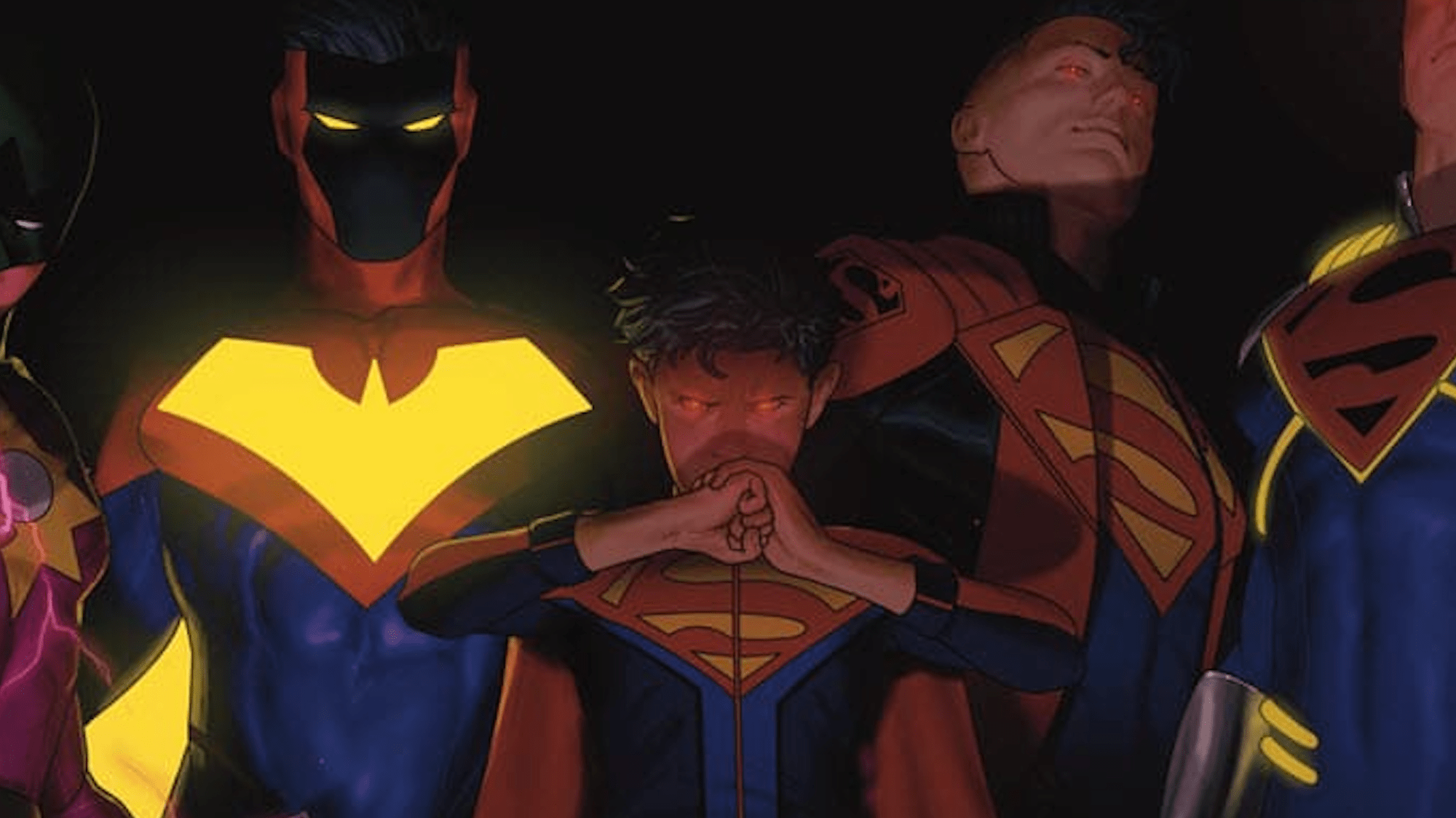
The pivotal events transpired across two crucial issues:
- Superman Unlimited #11: This issue saw the older Jon Kent grappling with his identity and purpose, feeling the weight of expectation and the lingering shadow of his father. He encountered Master Txyz, a powerful Fourth-Dimensional villain capable of manipulating time. During this confrontation, Jon underwent a profound internal struggle, confronting his perceived failures and the lack of a clear personal impact distinct from his Superman lineage. In a moment of self-discovery and defiance, he forged a new identity, declaring himself "Tomorrow Man." This new moniker symbolized his commitment to shaping his own future and creating a legacy independent of his past and his father’s. Crucially, following Master Txyz’s defeat, the villain, in a surprising turn, gifted Jon with a younger version of himself—specifically, the Jon Kent from the moment just before his fateful imprisonment on Earth-3 and the controversial age jump. This act laid the groundwork for an unprecedented narrative bifurcation.
- Superman Unlimited #12: The subsequent issue immediately delved into the profound aftermath of this game-changing retcon. The younger Jon Kent, bewildered and displaced, found himself in a timeline he didn’t recognize, having been plucked from his past. The existence of two Jon Kents—the young Superboy and the older Tomorrow Man—created an immediate and significant temporal paradox. To prevent a catastrophic alteration of the timeline and to ensure that his younger self would not endure the trauma and lost years he experienced, Tomorrow Man made a monumental decision: he would conceal his identity from everyone, including his own family. He became an anonymous guardian, dedicating himself to guiding his younger self back into the fold of the Kent family without revealing his true nature.
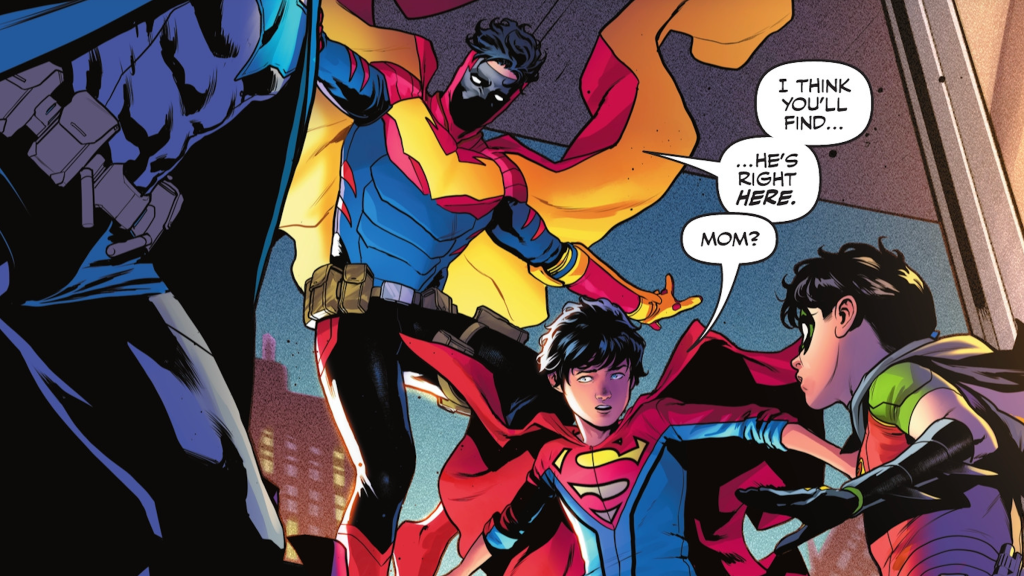
The emotional core of this issue revolved around Tomorrow Man’s sacrifice. He brought the young Superboy to Lois Lane, who, overwhelmed with joy and relief, tearfully embraced her son, now restored to his familiar age. It was a moment long-awaited by readers, a powerful validation of their desire to see the "original" Jon Kent back. However, this heartwarming reunion was profoundly bittersweet, as Tomorrow Man watched from the shadows, an unseen and unrecognized figure. Lois showed him kindness, but without any knowledge that he was also her son, her love and recognition were reserved solely for the younger Superboy.
The Tragic Isolation of Tomorrow Man: An Outsider Looking In
Tomorrow Man’s decision to hide his identity thrust him into an immensely tragic and isolated situation. By actively choosing to preserve his younger self’s original timeline and ensure he received the childhood he himself had lost, the older Jon effectively sacrificed his own present relationships and his place within the Kent family. He became an outsider, an observer to his own life, forced to witness his mother’s loving embrace of a version of himself who would now occupy the very role he had sought to fill.
This narrative choice creates a profound sense of pathos for Tomorrow Man. He has gone from being a hero who was beginning to forge his own distinct identity as Superman, to a figure completely disconnected from his most fundamental bonds. His friends, his father, and especially his mother, now perceive him as a stranger, or not at all. This self-imposed exile, while heroic in its intent, carries immense emotional weight. It highlights the often-unseen costs of heroism and the sacrifices made for the greater good, even when that good is the restoration of one’s own past. The irony is palpable: just as Jon Kent finally carves out a unique identity as Tomorrow Man, free from the shadow of Superman, he simultaneously severs all the connections that defined his existence, becoming a solitary sentinel.
Broader Implications and Future Trajectories for the Two Jons
The introduction of two concurrently existing Jon Kents presents both exciting narrative opportunities and significant challenges for DC Comics. The immediate and long-term implications are far-reaching for both characters and the wider DC Universe.
For the Younger Jon Kent (Superboy):
The restoration of the adolescent Jon Kent is a clear response to sustained fan demand. This iteration of the character is beloved for his youthful energy, his burgeoning powers, and his dynamic interactions, particularly with Damian Wayne in Super Sons. His return opens the door to revisiting popular storylines, allowing him to grow organically within the DC Universe without the burden of his accelerated aging. This could mean new adventures as Superboy, potentially re-establishing the Super Sons partnership, or simply allowing readers to experience his formative years as a hero, something many felt was unjustly cut short. This move signals a willingness by DC to listen to its readership and course-correct narrative choices that proved unpopular.
For the Older Jon Kent (Tomorrow Man):
Tomorrow Man’s future is shrouded in uncertainty, making his arc arguably the most compelling and tragic aspect of this development. Stripped of his home, his family, and his established identity, he is now a hero without a conventional place. Several potential paths could unfold:
- Intergalactic Hero: Much like his father, who has often ventured into the cosmos, Tomorrow Man could embrace an identity as an intergalactic protector, operating beyond Earth’s familiar boundaries. This would allow him to forge new connections and face unique challenges, carving out a legacy entirely separate from his Earth-bound past.
- A New Legionnaire: A prominent theory suggests Tomorrow Man could eventually join a version of the Legion of Super-Heroes. Ironically, one of the initial motivations behind aging Jon up was to integrate him into the Legion in the 31st century. His return to this concept, perhaps joining a reformed Legion free from Darkseid’s corruption, could bring his character full circle, allowing him to connect with other teenage heroes and find a new "family" in the future.
- Multiversal Guardian: Given his exposure to time manipulation and the Fourth Dimension, Tomorrow Man could become a guardian of the multiverse or the timeline itself, operating in the shadows, ensuring cosmic balance, and perhaps even occasionally intervening to protect his younger self from afar.
- The "One Jon Kent" Dilemma: The most precarious aspect remains the existence of two Jon Kents in close proximity. Comic book history suggests that such paradoxes are rarely permanent. It is highly improbable that DC will maintain two versions of Jon Kent—a child and a teenager—in the same timeline indefinitely. This raises the specter of one Jon ultimately being removed from the equation.
- Imposter Theory: One possibility is that the "restored" younger Superboy is not truly the original Jon Kent, but an imposter with nefarious intentions, creating a dramatic confrontation where Tomorrow Man must protect his family from a false version of himself.
- Sacrifice: Alternatively, Tomorrow Man might be forced to make the ultimate sacrifice, permanently removing himself from existence to ensure the younger Jon can fully thrive and retake the spotlight. This would cement his tragic heroism, providing a definitive, albeit heartbreaking, conclusion to his current arc.
Impact on the Superman Family and DC Universe:
The implications extend beyond Jon himself. Superman’s reaction upon his return from his multiversal voyages will be a focal point. How will the Man of Steel process the seemingly de-aged son he knew and the mysterious, older hero who now operates in the shadows, unbeknownst to him as his own son? Lois Lane’s emotional journey, having experienced both the grief of her son’s rapid aging and the joy of his restoration, adds layers of complexity. Furthermore, the return of young Jon Kent could pave the way for a resurgence of the popular Super Sons dynamic with Damian Wayne, a partnership many fans dearly missed.
From a meta-narrative perspective, this event highlights DC Comics’ ongoing struggle with continuity and fan service. By restoring the younger Jon, the publisher is directly addressing a significant source of fan dissatisfaction. However, by simultaneously creating Tomorrow Man, they are attempting to honor the character’s journey since the age-up, giving him a new purpose rather than simply erasing him. This balancing act is crucial for maintaining reader trust while also pushing new stories.
Conclusion
The narrative unfolding in Superman Unlimited marks a profound turning point for Jon Kent, transforming a controversial character into a figure of both renewed hope and poignant sacrifice. The return of the beloved young Superboy offers a chance for nostalgic joy and fresh storytelling, while the emergence of Tomorrow Man introduces a compelling, tragic hero forced into a lonely existence for the sake of his own past. This complex dual-character dynamic presents DC Comics with a rich tapestry of narrative possibilities, but also significant challenges in ensuring both iterations of Jon Kent receive satisfying and meaningful arcs. Whatever the ultimate fate of Tomorrow Man, his self-imposed isolation and sacrifice for his younger self are undeniably heartbreaking, cementing his place as a uniquely selfless hero within the vast pantheon of the Superman family. The story of the two Jon Kents is far from over, and its future developments will undoubtedly have lasting implications for the very heart of the DC Universe.


