The Intersection of Generative AI and Indie Horror Filmmaking: A New Frontier for Creative Production

Horror cinema has historically thrived on the philosophy of limited budgets fostering limitless imagination. From the rubber-mask monsters of the drive-in era to the lo-fi aesthetic of the found-footage boom, the genre has long been defined by its ability to turn budgetary constraints into stylistic signatures. Today, that tradition is undergoing a rapid, technology-driven evolution as a growing number of independent filmmakers adopt artificial intelligence to bridge the gap between abstract concepts and visual execution. This shift, while empowering for creators with limited resources, has sparked an urgent dialogue regarding artistic labor, ethical transparency, and the future of genre marketing.
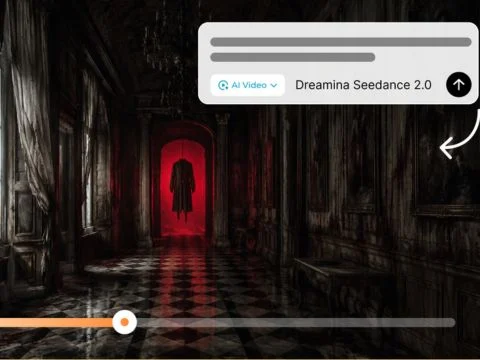
The utility of AI image generation in the horror space is primarily functional. Tools like Dreamina, Midjourney, and Stable Diffusion allow filmmakers to transform written prompts into visual mood boards, creature concept art, storyboards, and preliminary poster mockups within seconds. For a director working on a micro-budget, the ability to visualize a haunted location or a visceral prosthetic effect before a single camera has rolled is a massive advantage. These tools serve as a bridge between the script’s text and the actual production phase, helping to align cast and crew on a unified vision.
A Chronology of the Digital Shift
The integration of generative AI into creative workflows has accelerated significantly between 2023 and 2026. While early adopters in the tech and graphic design industries began experimenting with latent diffusion models in late 2022, the adoption within the indie horror sector hit a critical inflection point in 2025.
By mid-2025, horror crowdfunding platforms—most notably those hosting projects on Kickstarter and Indiegogo—began to see a surge in campaigns using AI-generated concept art. This trend coincided with the release of more accessible, user-friendly interfaces from major developers like the CapCut team, whose Dreamina platform lowered the technical barrier for non-designers. As the tools became more robust, the visual quality of the output improved, leading to a surge in projects that utilized AI for promotional assets. However, this convenience created an immediate friction point: audiences, highly attuned to the uncanny valley, began to scrutinize pitch materials, leading to public debates about the authenticity of independent horror projects.
Supporting Data and Market Trends
The financial implications of this shift are significant. In traditional indie film production, hiring a concept artist to create a series of storyboards or a key art poster can cost anywhere from $500 to several thousand dollars—a sum that often exceeds the entire daily operating budget for a micro-budget production.
According to industry surveys conducted by digital arts organizations in early 2026, roughly 34% of independent horror creators reported using AI tools at least once during their pre-production process. Of that group, 62% indicated that the primary driver for adoption was cost reduction. However, there is a clear distinction in how these tools are applied. The majority of successful projects currently use AI as a planning tool, with 78% of those surveyed stating they still hire human illustrators or designers to produce the final, public-facing artwork. This "hybrid approach" appears to be the current industry standard, balancing the efficiency of AI for conceptualization with the craftsmanship of human labor for the final product.
Ethical Considerations and Transparency
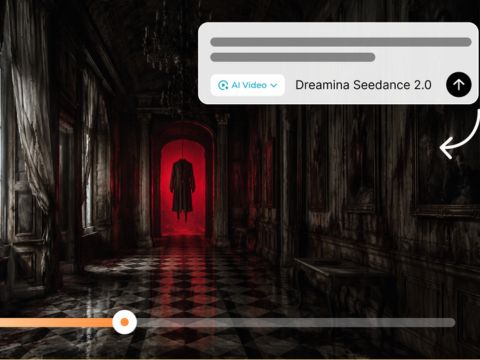
The transparency issue is perhaps the most contentious aspect of this technological integration. Crowdfunding campaigns rely on the trust of potential backers. When a project presents an AI-generated image as a "film still," it can be perceived as deceptive, particularly if the final product lacks the high-fidelity lighting and composition of the AI-generated concept art.
Industry experts and film consultants have increasingly called for standardized labeling. The consensus among professional guilds is that creators should clearly disclose the use of AI in their pitch materials. This serves a dual purpose: it protects the creator’s reputation against accusations of "catfishing" potential backers, and it respects the traditional artistry that has been the backbone of the horror genre for decades. Failure to disclose has led to several high-profile instances where potential supporters pulled their funding after discovering that key promotional images were generated without human oversight.
The Rights and Legal Landscape
The legal status of AI-generated content remains in a state of flux. Providers like Dreamina explicitly state that while they grant commercial use rights to users, the user assumes responsibility for ensuring that the generated output does not infringe upon the copyrights of third parties. This creates a significant "gray zone."
For instance, a prompt that asks for an image in the "signature style" of a famous creature designer or a living horror illustrator can result in images that mimic the protected visual language of those artists. While the law is currently struggling to define whether style itself can be copyrighted, the industry backlash against "style-jacking" has been swift. Major horror studios and creative collectives have warned that utilizing AI to imitate specific artists can lead to reputational damage and potential litigation. Furthermore, under current U.S. copyright law, works created entirely by AI without sufficient human creative input are often ineligible for copyright protection. This leaves indie filmmakers in a precarious position: if they rely too heavily on AI, they may struggle to protect their own intellectual property.
Technical Limitations and the "Uncanny" Aesthetic
While AI tools have reached impressive levels of technical proficiency, they still possess distinct limitations that are particularly noticeable in horror. The genre relies on precise anatomical details, especially in creature design. AI generators frequently struggle with complex, non-human anatomy, resulting in the infamous "distorted hands" or "melted details" that have become a hallmark of early-generation AI images.
For the horror filmmaker, these glitches can sometimes be an asset. A distorted, unsettling figure is often exactly what a horror film requires. However, these technical failures are less forgivable in professional poster design, where clarity, typography, and professional composition are essential. The "seams" of the technology remain visible to trained eyes, and as audiences become more adept at identifying AI-generated imagery, the novelty is beginning to wear off.
Broader Implications for the Genre
The rise of generative AI in horror is not merely a technical update; it is a fundamental shift in how the genre is conceptualized. By democratizing the ability to create high-quality concept art, AI lowers the barrier to entry for aspiring filmmakers. However, it also threatens to displace the entry-level illustrators who have traditionally cut their teeth by working on low-budget horror posters and concept art.
The future of the genre likely lies in a symbiotic relationship between technology and traditional craft. As AI tools become more refined, they will likely be integrated into standard industry software suites—much like how digital editing replaced physical film splicing. The most successful creators will be those who use AI to augment their vision, not replace the human touch. As we move further into the decade, the industry will likely see a move toward a "Certified Human" movement, where creators emphasize the traditional, hand-crafted nature of their practical effects and illustrative work as a premium, value-added feature of their horror productions.
Ultimately, while the tools of creation change, the fundamental goal of the horror genre remains constant: to evoke fear, tension, and curiosity in the viewer. Whether an image is born from a pencil sketch or a text prompt, its value to the audience remains the same. The challenge for the next generation of filmmakers will be to utilize these powerful new tools with the transparency and creative integrity that horror fans expect and deserve.