Freak War: A New Hybrid Card Game Blends Trading Card Mechanics With Fast-Paced Party Gameplay

The landscape of tabletop gaming is currently undergoing a significant shift as designers increasingly look to bridge the gap between complex, strategy-heavy trading card games (TCGs) and the accessible, high-energy environment of modern party games. The latest entrant into this space is Freak War, a title developed by cartoonist Nate Galbraith under the banner of Sheltonshire Games. By distilling the essence of creature-evolution mechanics and competitive card play into a format that requires little to no preparation, Freak War represents a deliberate attempt to lower the barrier to entry for tabletop hobbyists.
The game, which is currently seeking funding through a Kickstarter campaign that concludes on June 13, has already surpassed its initial $10,000 target. This success suggests a growing consumer appetite for games that provide the thematic depth of genre giants like Pokémon without the associated time commitment or financial burden of building and maintaining a competitive deck.
The Origins and Creative Genesis
The conceptual foundation of Freak War stems from a practical observation made by Galbraith. While observing children attempting to emulate the mechanics of Pokémon battles using standard 52-card decks—an exercise that often resulted in frustration due to the inherent lack of specialized rules—Galbraith identified an opportunity. He noted that the kids were essentially trying to reinvent the classic game of War, but were missing the flavor and tactical variability provided by a dedicated card system.
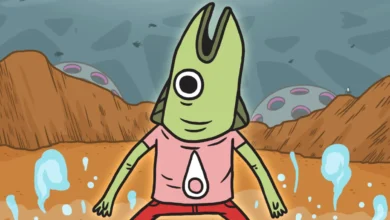
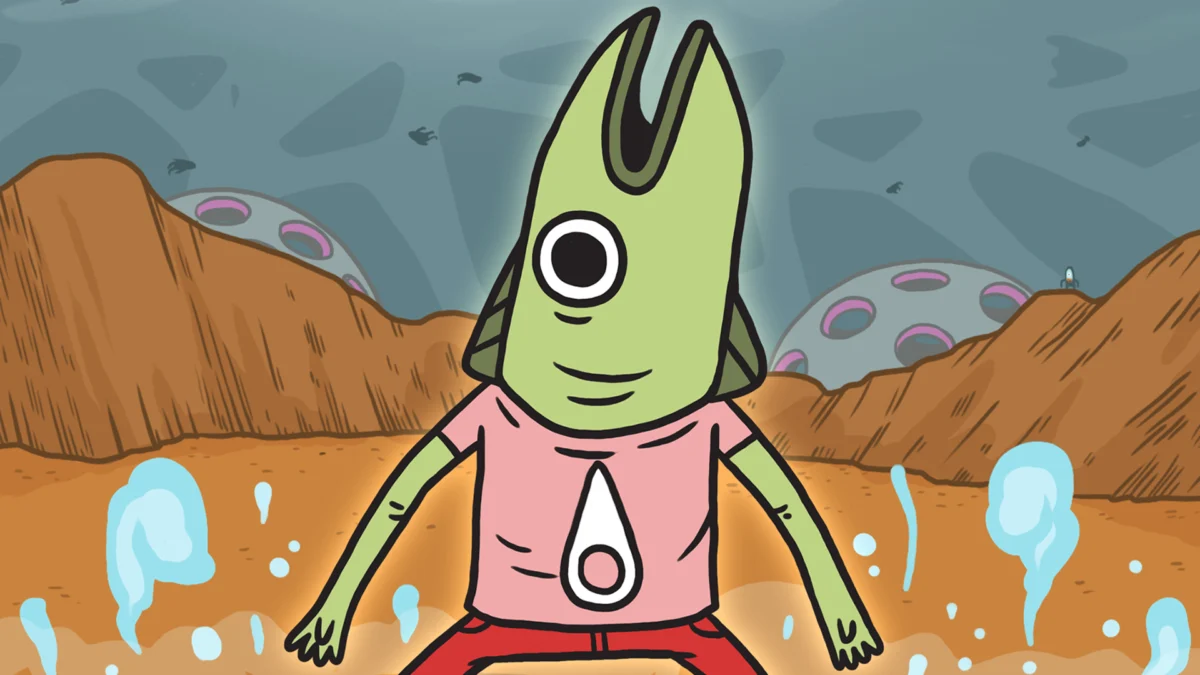
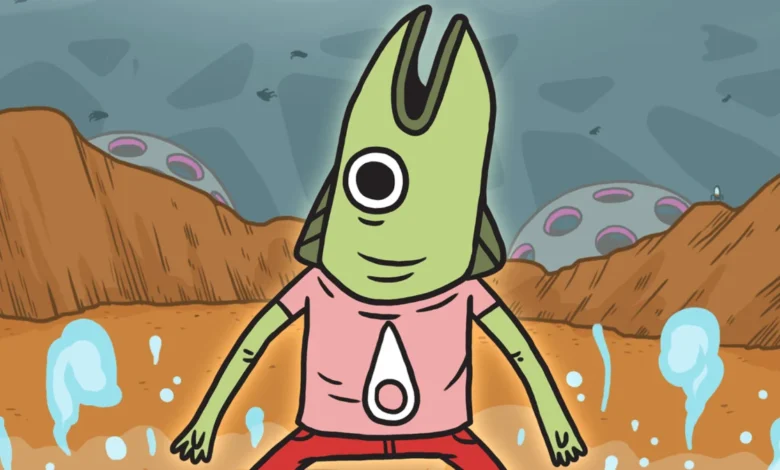
Galbraith, who operates under the moniker "sketchnate," began developing the game as a synthesis of three distinct gaming philosophies: the tactical progression of TCGs, the "take-that" aggression found in party staples like Exploding Kittens, and the simplistic, pick-up-and-play nature of traditional card games. The result is a deck-based game where the lore is driven by a cataclysmic event—the emergence of a second sun—that has mutated the local fauna into an array of bizarre, anthropomorphic combatants. From time-traveling tigers to "Man Cats," the game’s aesthetic is designed to be intentionally absurd, providing a whimsical backdrop to what is, at its core, a game of statistical comparison and reaction.
Mechanics and Gameplay Structure
Unlike traditional TCGs that require players to curate their own decks—a process that can take hours of study and investment—Freak War is designed for immediate play. A standard deck can be shuffled and distributed among up to four players, allowing a game to commence within seconds.
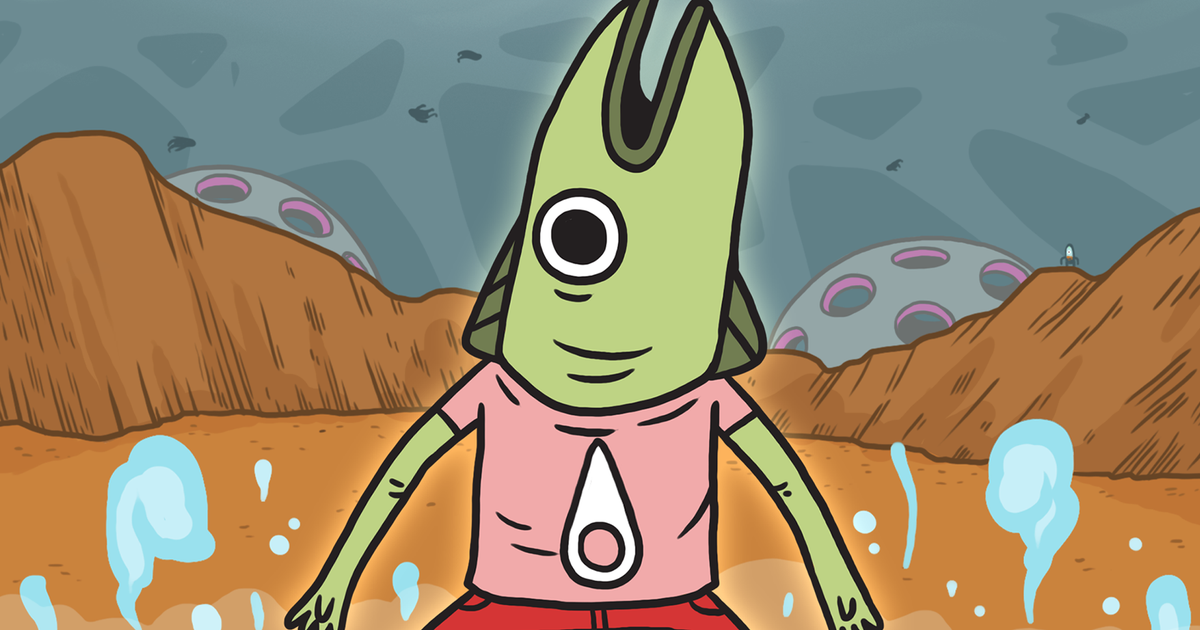
The core loop relies on simultaneous play. Each participant deploys a creature card, and the victory condition is determined by the creature’s "attack level." If a player plays a higher-value card than their opponent, they win the round and claim the played cards, adding them to their victory pile. This cycle continues until one player has successfully acquired all the cards. However, the game introduces several layers of complexity through "modifier" cards and evolution chains.
These modifiers, such as the "Super Sword" or "Super Duper Sword," function as gear that can boost a creature’s attack value or, in some cases, hinder an opponent’s performance. The evolutionary mechanic, while reminiscent of the Pokémon franchise, is streamlined; players do not need to manage complex energy requirements or evolution stages. Instead, specific cards allow for direct transformation during the combat phase, rewarding players who hold back certain cards for the right tactical moment.
The game offers two primary modes of play: "War" and "Battle." The former is defined by its chaotic, high-variance nature, often requiring players to flip the top card of their deck blindly. The latter is a more strategic variation where players make decisions based on the cards in their hand. These modes can be further customized with "King of the Hill" or team-based rules, providing a degree of replayability that is often absent in simpler party games.
Broader Market Context and Industry Implications
The tabletop gaming industry has seen a massive surge in growth over the last decade, with market analysts projecting continued expansion. According to recent industry reports, the global board games market reached a valuation of approximately $17 billion in 2023, with expectations for it to climb steadily through 2030. Within this market, the TCG sector has remained particularly resilient, driven by high-value collectibles and an ever-expanding player base.
However, the "gatekeeping" effect of high-complexity TCGs—where new players are often discouraged by the steep learning curve and the high costs of competitive decks—has created a vacuum. Freak War enters this space as a "gateway game." By adopting the familiar card layout and visual language of established TCGs while eschewing the rigorous deck-building requirements, it positions itself as an entry point for younger players or casual groups who enjoy the aesthetic of card battles but lack the desire to participate in the "meta-game" of competitive tournaments.
The decision to market the game at a $20 price point for a standard deck is a strategic move aimed at the impulsive consumer market. By avoiding the blind-pack business model common to larger TCG franchises, Sheltonshire Games is betting on a model of transparency and accessibility.

Development Timeline and Future Outlook
The crowdfunding campaign, which functions as both a pre-order system and a community-building exercise, has set a clear trajectory for the game’s release. With the campaign scheduled to end in mid-June, the development team has outlined a rigorous schedule for production and fulfillment.
Current projections indicate that the finished product will be delivered to backers in June of the following year. This timeline accounts for the manufacturing of custom-printed card decks, packaging, and the logistics of international shipping. For a small studio, this is a critical period; the transition from a digital crowdfunding page to a physical retail product often serves as the "make-or-break" moment for independent tabletop developers.
The inclusion of expansion packs, featuring diverse creature types like "buff penguins" and "cute-looking snails," suggests that the studio intends to support the game post-launch. This iterative approach to content creation is essential for maintaining engagement in the party game market, where titles often face the risk of becoming stale after a few play sessions.
Analytical Perspective on Design
From a design standpoint, the "meta" elements included in the card effects—such as the "Fly Guy" card, which gains power based on the presence of physical food near the gaming table—indicate a shift toward "living room" gaming. This design philosophy acknowledges that the environment in which a game is played is just as important as the rules printed on the cards. By breaking the fourth wall, the game encourages a social, high-energy atmosphere that prioritizes laughter and interaction over rigid competitive integrity.
While the game acknowledges its influences, it remains distinct from the "Cards Against Humanity" style of party games that dominated the 2010s. Where those games relied heavily on shock value and edgy humor, Freak War opts for a "silly, yet strategic" tone. This pivot away from potentially polarizing content may broaden the game’s appeal, making it suitable for a wider demographic, including families and younger players.
In summary, Freak War represents a calculated effort to democratize the TCG experience. By stripping away the administrative overhead of competitive card games and focusing on the core "fun" of creature combat, Sheltonshire Games has created a product that is uniquely positioned to capitalize on the casual tabletop market. Whether it can maintain momentum after its initial release will depend on the depth of its gameplay and the studio’s ability to consistently provide fresh, engaging content for its growing community of backers. As the industry continues to evolve, the success of titles like Freak War will likely influence how future designers approach the integration of complex mechanics into accessible, party-friendly formats.