Mad Cave Studios Unleashes Satanic Panic #1: Merging 1980s Moral Hysteria With the Splatter Genre

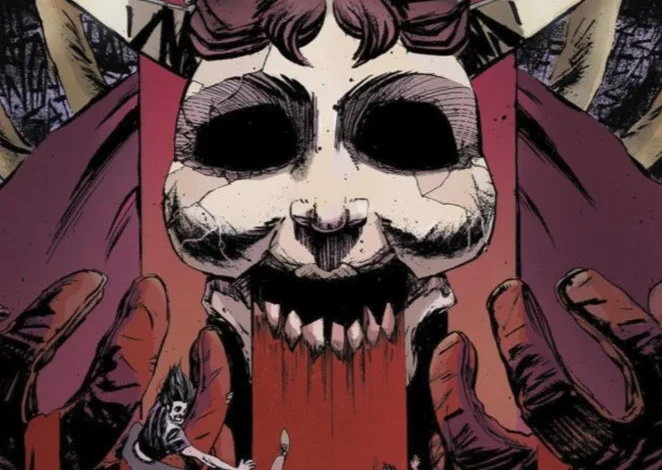
Mad Cave Studios has officially launched the first issue of Satanic Panic, a high-stakes, four-issue comic book miniseries that examines the intersection of 1980s societal paranoia and traditional slasher tropes. Released on Wednesday, the debut issue bridges the real-world anxieties of a bygone era with visceral, blood-soaked storytelling.
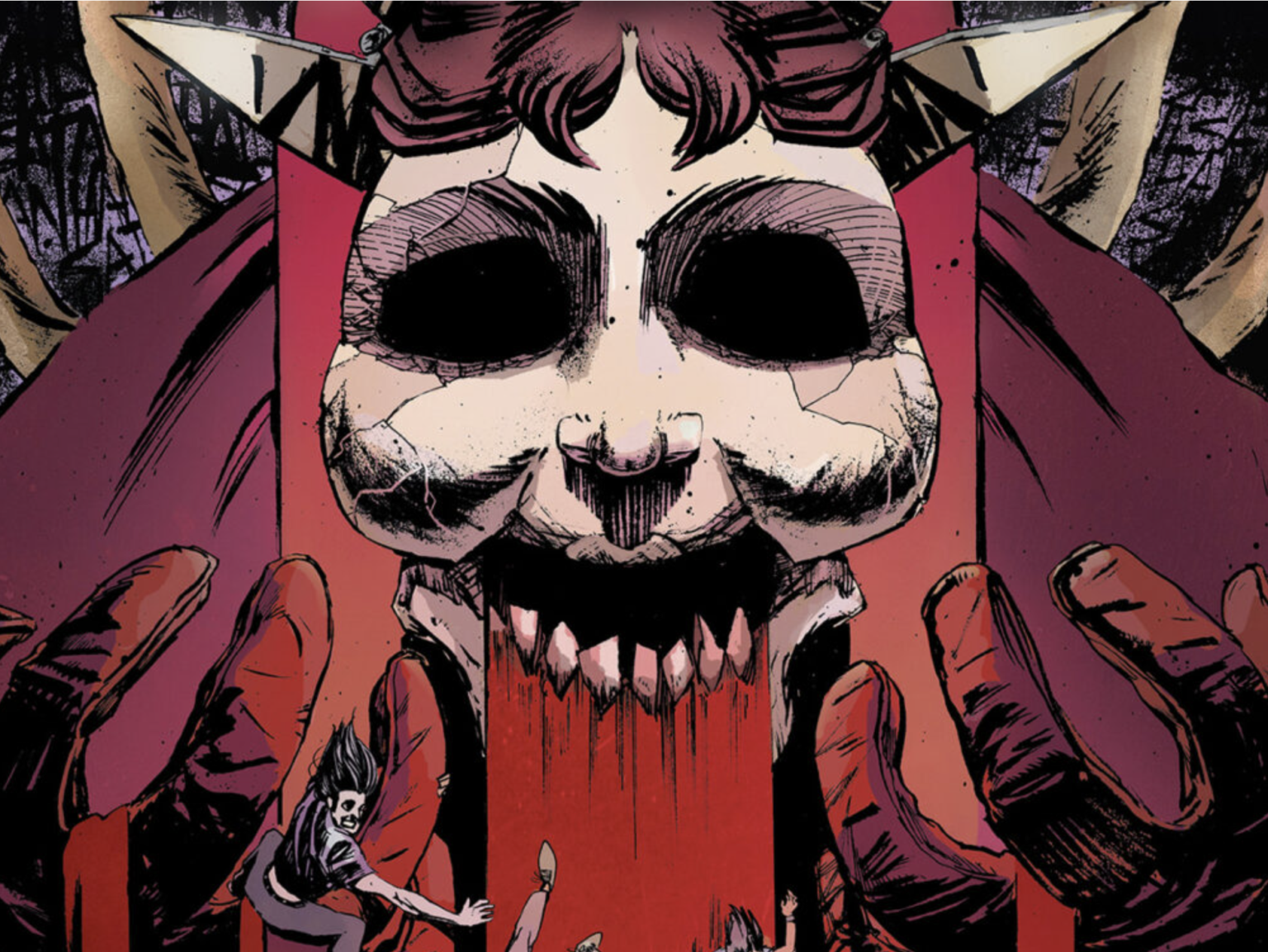
Written by Matt Miner—noted for his work on Young Men in Love—the miniseries features interior artwork by Clayton McCormack, color work by Oliver Mertz, and lettering by Matt Krotzer. Issue #1 is currently available as a physical and digital single issue retailing for $4.99, accompanied by four distinct variant covers, including foil and glow-in-the-dark editions designed by artist Justin Coffee.
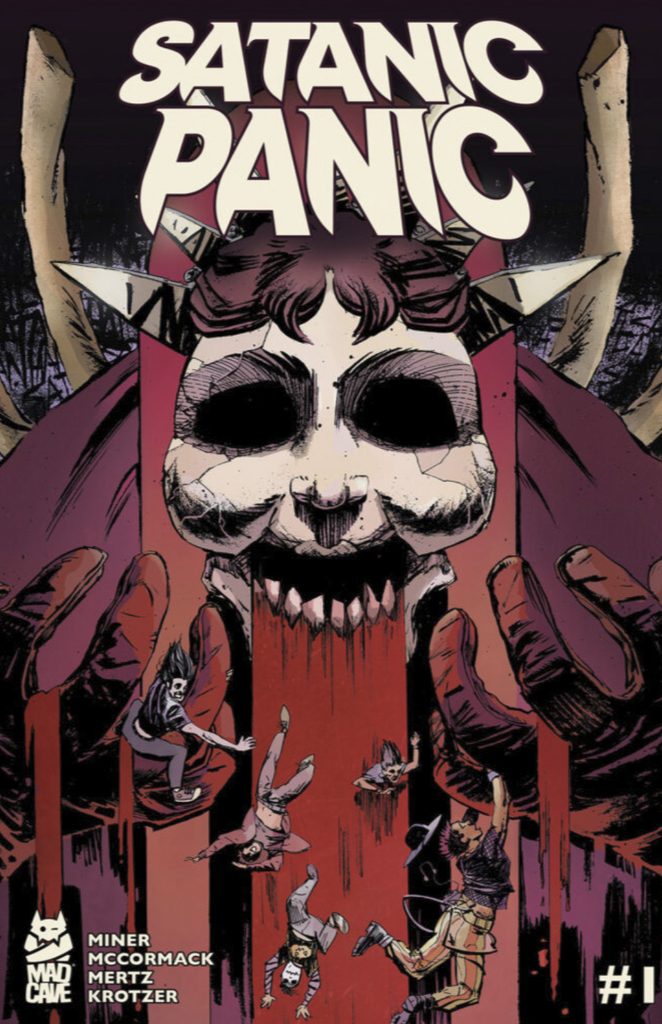
Main Facts of the Release
Satanic Panic #1 introduces readers to a claustrophobic small-town setting where an elusive, masked killer begins murdering local residents. Amid the resulting terror, the community quickly redirects its fear and suspicion toward three local outcasts: Naz, Sal, and Terry. Brandished as dangerous devil worshippers by an agitated populace, the trio must navigate a double-fronted battle. They are forced to dodge the community’s aggressive witch hunt while actively tracking down the true perpetrator of the murders to clear their names and prevent further bloodshed.

The premiere issue is available through traditional comic book specialty shops, Mad Cave Studios’ direct-to-consumer online platform, and digital distribution networks such as Amazon, GlobalComix, and Neon Ichiban. As of publication, Mad Cave Studios has not disclosed official release dates for issues two through four, though the miniseries is slated to conclude its four-part run in the coming months.
Background Context: The Real-World Satanic Panic of the 1980s
To fully understand the premise of the comic, one must examine the socio-cultural phenomenon from which it draws its title. The "Satanic Panic" of the 1980s and early 1990s was a period characterized by widespread moral hysteria, primarily originating in the United States and spreading to other Western nations. During this era, unsubstantiated allegations of Satanic ritual abuse, occult conspiracies, and ritualistic murders surfaced in communities, schools, and daycare centers.
Concurrently, a massive cultural backlash targeted forms of entertainment popular among teenagers and young adults. Heavy metal music, fantasy role-playing games such as Dungeons & Dragons, and horror media were frequently accused by religious groups, conservative politicians, and concerned parent organizations of serving as gateways to devil worship and juvenile delinquency. Sensationalized media coverage and dubious psychological therapies frequently reinforced these anxieties, leading to ruined reputations, wrongful convictions, and widespread censorship.
Matt Miner has noted that the creative genesis for the comic book was deeply personal. The writer drew directly from his mother’s firsthand experiences of becoming swept up in the religious hysteria surrounding heavy metal and Dungeons & Dragons during the period. According to Miner, the project aims to expose the profound absurdity of that specific cultural moment by filtering historical paranoia through the unapologetic lens of a classic horror narrative.
Chronology of Production and Distribution
The development and rollout of Satanic Panic have followed a strategic trajectory typical of independent comic book publishing in the modern market:
- Conception and Writing: Developed by Matt Miner, the script utilizes personal familial history to inform the fictionalized small-town narrative of Naz, Sal, and Terry.
- Artistic Assembly: Clayton McCormack, Oliver Mertz, and Matt Krotzer finalize the visual and textual elements, establishing a gritty aesthetic appropriate for a 1980s-set slasher story.
- Variant Cover Promotion: Mad Cave Studios commissions Justin Coffee to produce specialty variants, incorporating collector-focused features such as foil stamping and glow-in-the-dark treatments to drive initial physical sales.
- Launch Date (Wednesday): Issue #1 hits shelves globally in both physical comic shops and major digital storefronts, establishing the baseline narrative conflict.
- Future Rollout: Issues #2 through #4 remain un-dated, though sustained consumer interest following the debut is expected to dictate the publication schedule.
Supporting Data and Purchasing Information
Satanic Panic #1 is positioned as an accessible entry point for both horror aficionados and fans of historical fiction. Key details regarding its release include:
- Publisher: Mad Cave Studios
- Creative Team: Matt Miner (Writer), Clayton McCormack (Artist), Oliver Mertz (Colorist), Matt Krotzer (Letterer)
- Cover Artist (Variants): Justin Coffee (featuring standard, foil, and glow-in-the-dark options)
- Format: Single issue comic book / Digital download
- Cover Price: $4.99 USD
- Availability: Local comic shops, Mad Cave Studios online storefront, Amazon, GlobalComix, and Neon Ichiban.
Broader Impact and Industry Implications
The release of Satanic Panic arrives during a notable resurgence of 1980s nostalgia within popular culture, though the comic deliberately subverts comforting retro tropes by focusing on the era’s darker, more exclusionary social dynamics. By combining the fast-paced action of the slasher subgenre with biting social commentary, Mad Cave Studios continues its trend of publishing genre-bending material that appeals to mature readers.

Furthermore, the comic contributes to a broader cultural re-examination of the 1980s moral panic era. As cultural historians, documentarians, and fiction writers continue to unpack the psychological damage caused by unchecked mass hysteria, works like Miner and McCormack’s miniseries offer a darkly comedic yet critical look at how fear of the unfamiliar can weaponize communities against their most vulnerable members.

As the miniseries progresses toward its eventual four-issue conclusion, the central question for readers remains whether Naz, Sal, and Terry can survive both a relentless masked killer and the manufactured fury of their own neighbors.
Related posts: