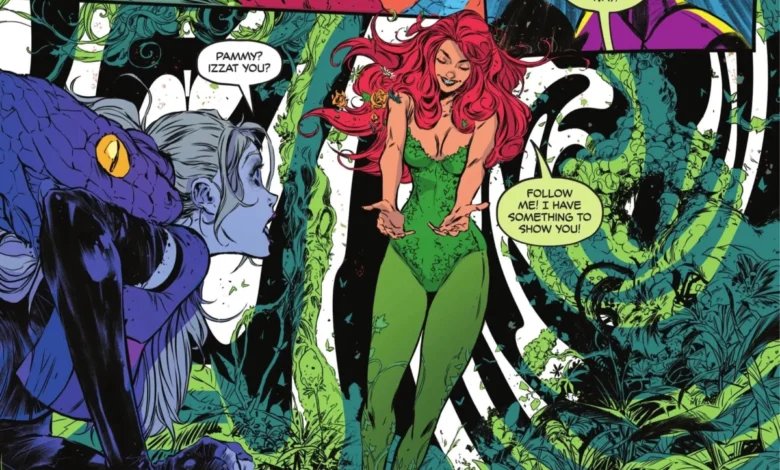
The conclusion of DC Comics’ high-profile crossover event, "Bad Seeds," arrived on Wednesday, October 28, 2026, upending the status quo in Gotham City across several core titles and tie-in issues. Published by DC Comics, the final chapter of the storyline spans Batman: Bad Seeds: Sunrise #1 by Matt Fraction, G. Willow Wilson, Giuseppe Camuncoli, and Cliff Rathburn; Batman: Bad Seeds: Gotham General #1 by Greg Rucka and Rosa Ekedal; Harley Quinn #67 by Elliott Kalan and Carlos Olivares; and Poison Ivy #49 by G. Willow Wilson and Alex Lins.
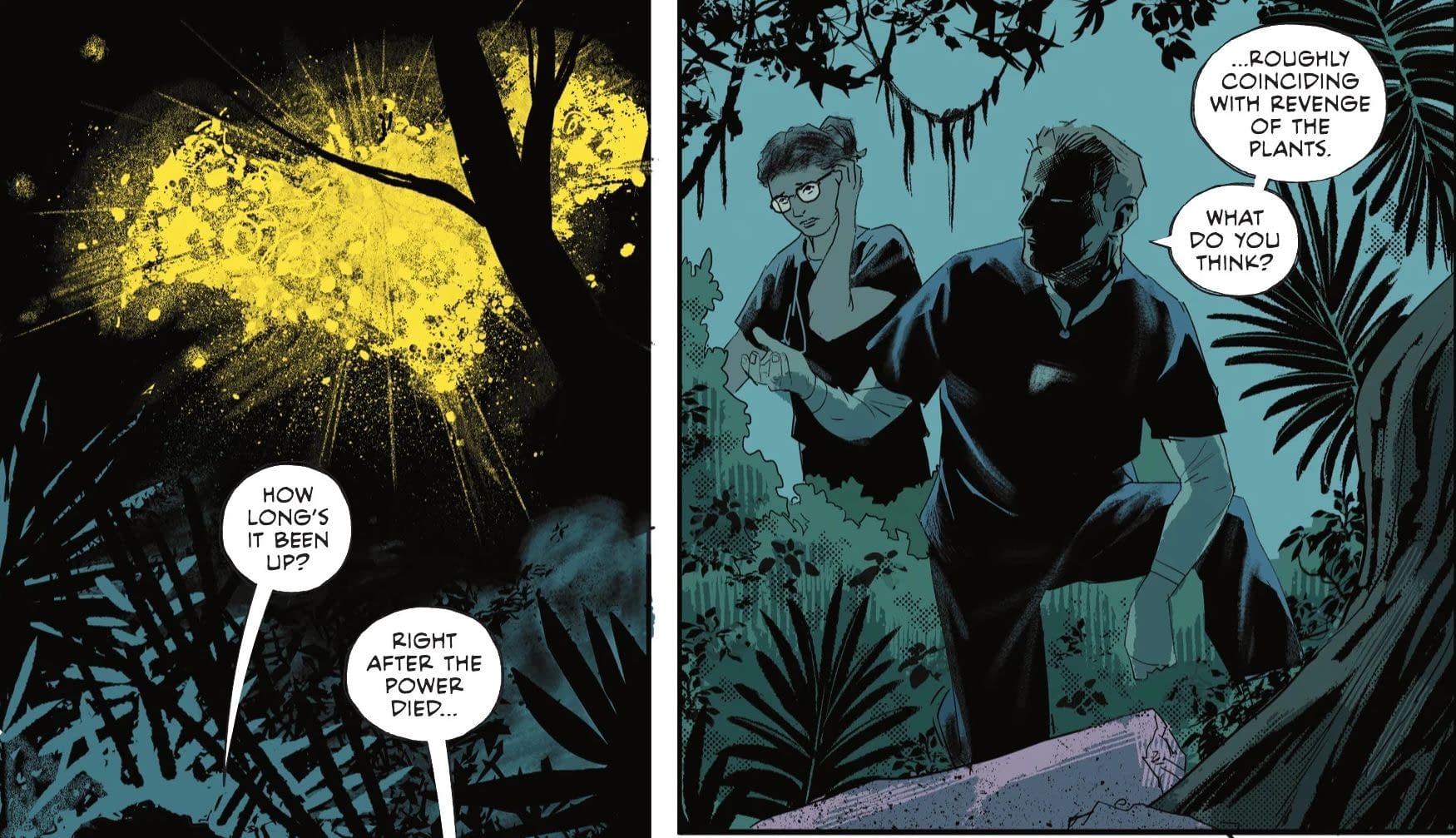
The sprawling narrative event, which has dominated Gotham-centric publishing lines for months, reaches a chaotic crescendo involving major transformations for Poison Ivy, Harley Quinn, Vandal Savage, Killer Croc, and Stephanie Brown. The aftermath of the event leaves the city grappling with the combined environmental devastation of prehistoric flora and emergency flash-freezing protocols, setting the stage for a drastically altered landscape within the Bat-family corner of the DC Universe.
Main Facts of the Bad Seeds Finale
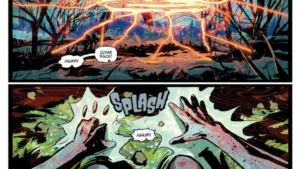
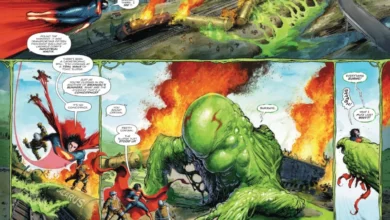
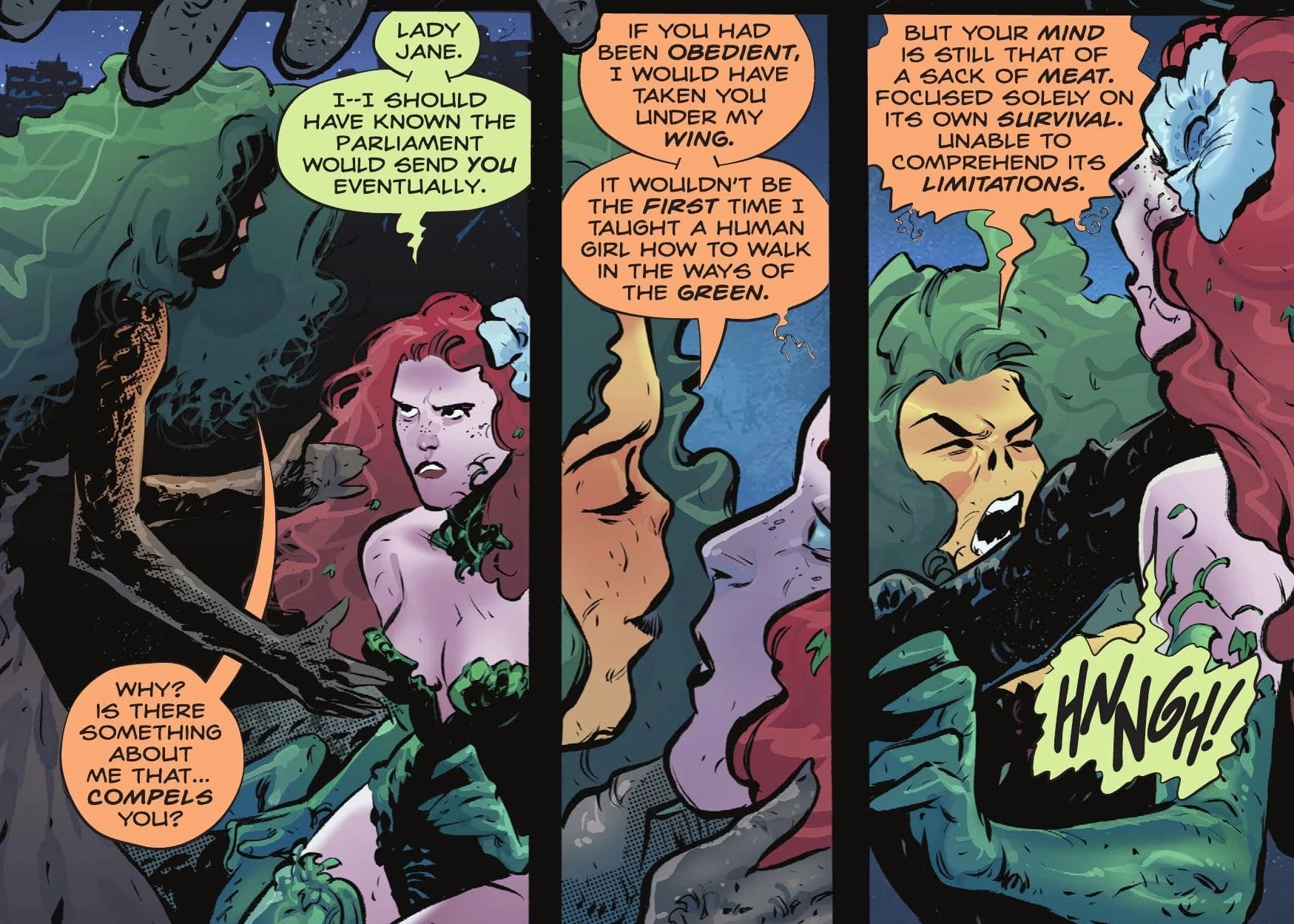
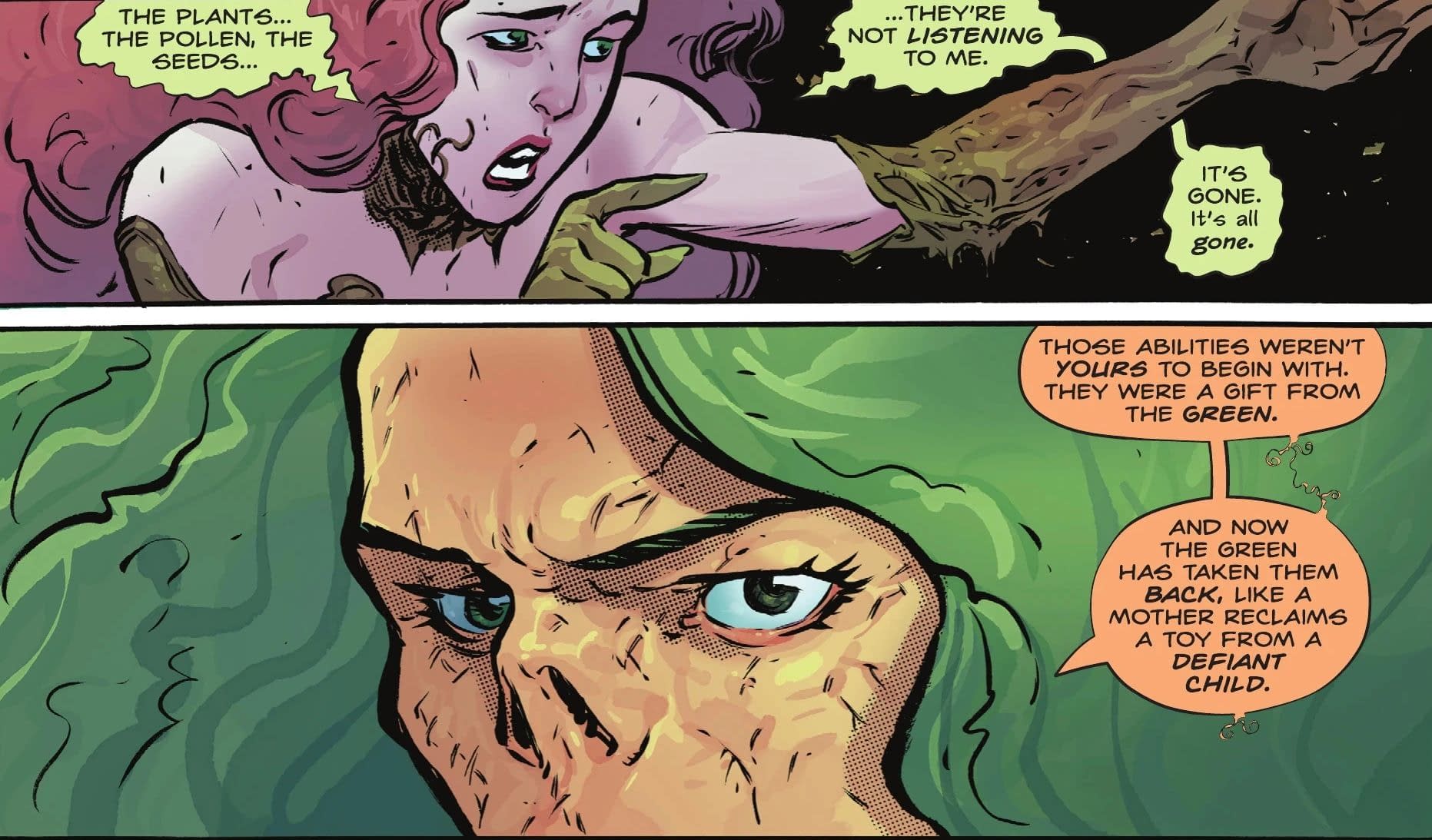
The core conflict of the "Bad Seeds" event centers on the weaponization and subsequent loss of Poison Ivy’s plant elemental powers, a crisis that snowballed from her complex relationship with the Parliament of Trees. In Poison Ivy #49 and Batman: Bad Seeds: Sunrise #1, the consequences of Ivy’s connection to the Parliament reach a devastating head. Stripped of her full elemental majesty, Ivy is left reduced in power, viewed merely as a child by the Parliament, while Gotham faces catastrophic terraforming initiated by prehistoric plant life.
Simultaneously, the city faces a two-pronged assault. On one front, the immortal warlord and corporate mogul Vandal Savage steps into a position of immense authority, leveraging municipal and private military might—specifically his TUCO Squad—to deploy an experimental herbicide dubbed "Ivycide" (or I.C.E.) across the metropolis. On the other front, a flash-freeze protocol, mirroring methods historically associated with Mr. and Mrs. Freeze, is unleashed across Gotham to halt the super-blooming flora, plunging the city into a devastating deep freeze.
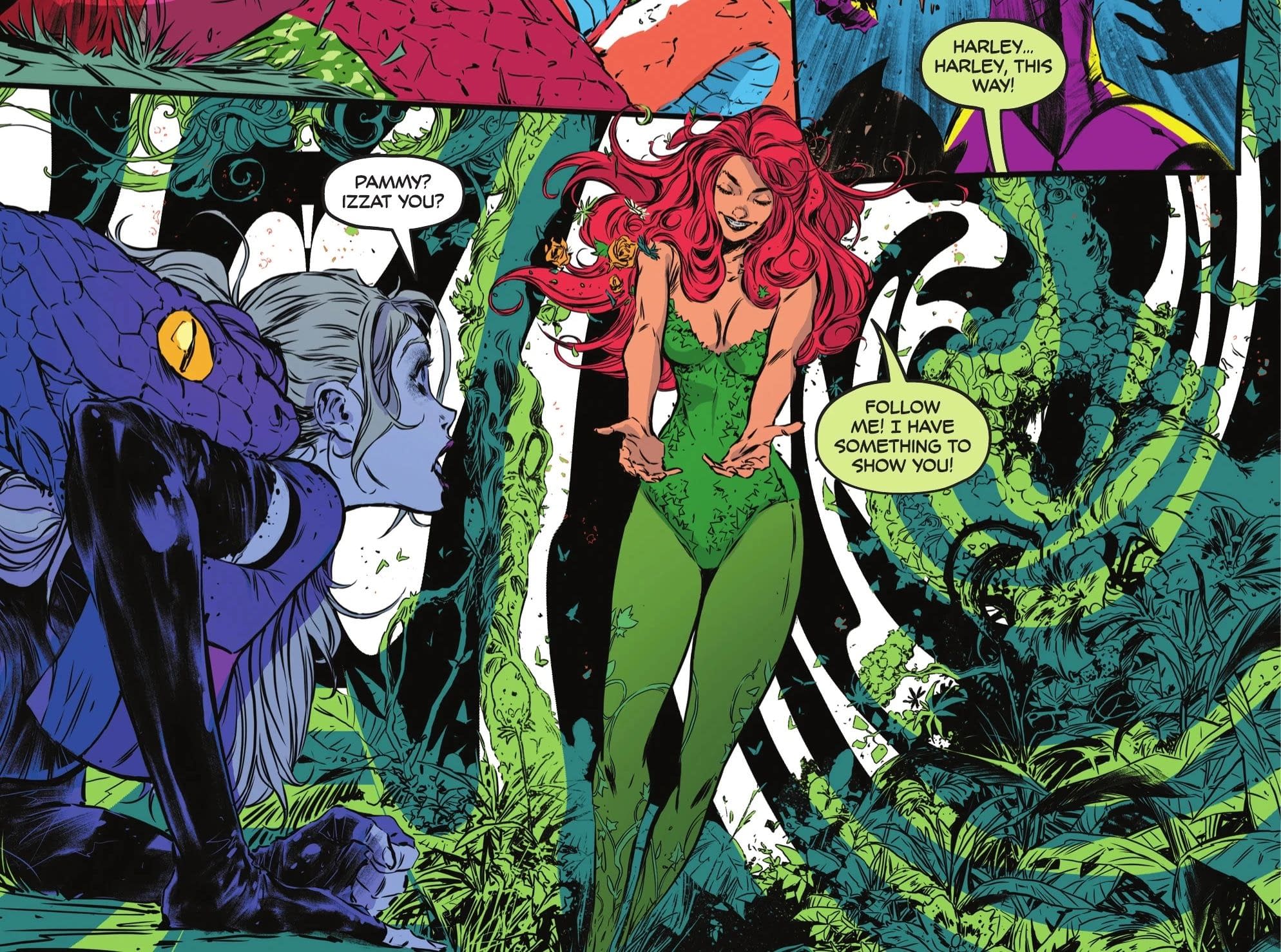
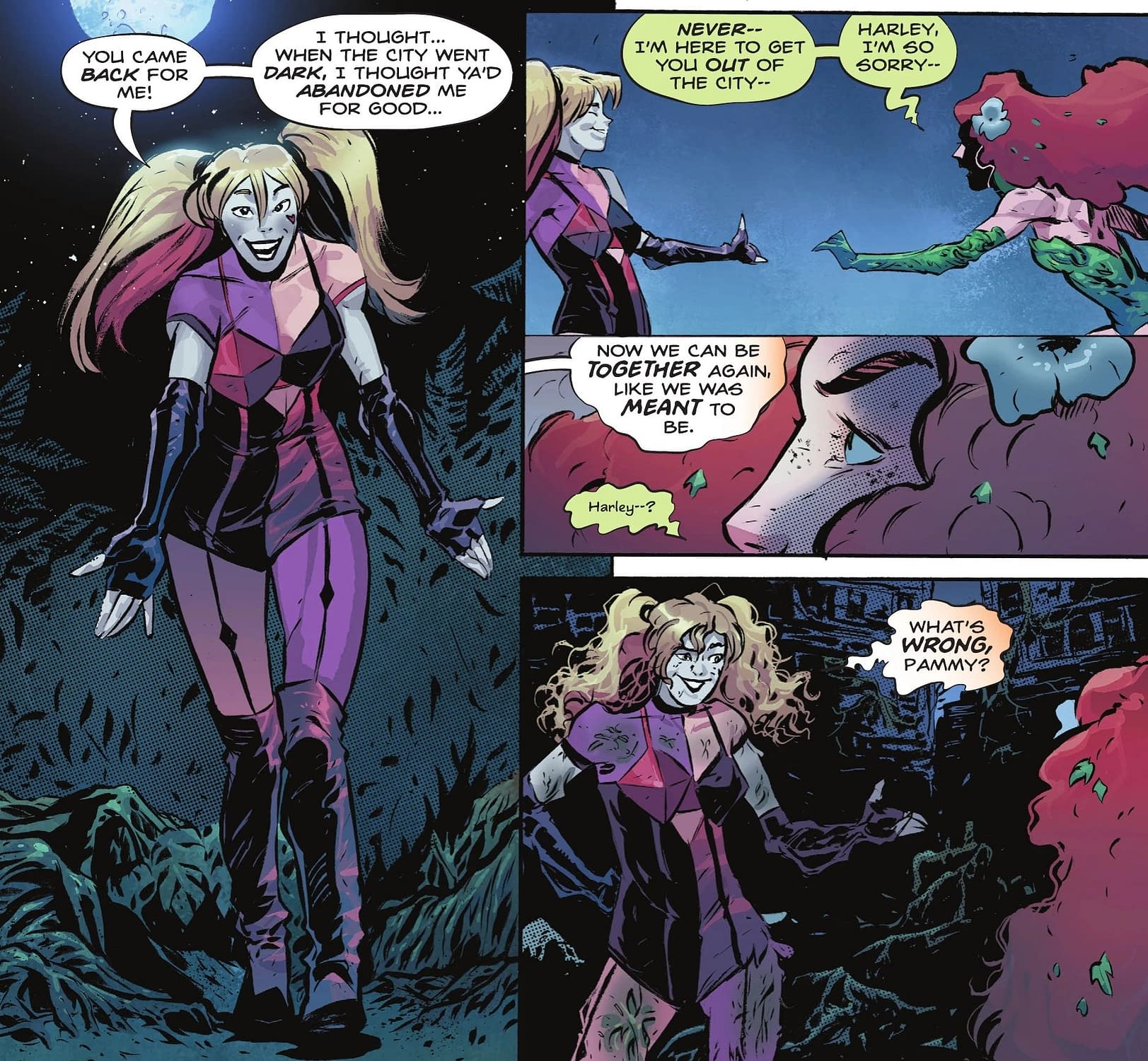
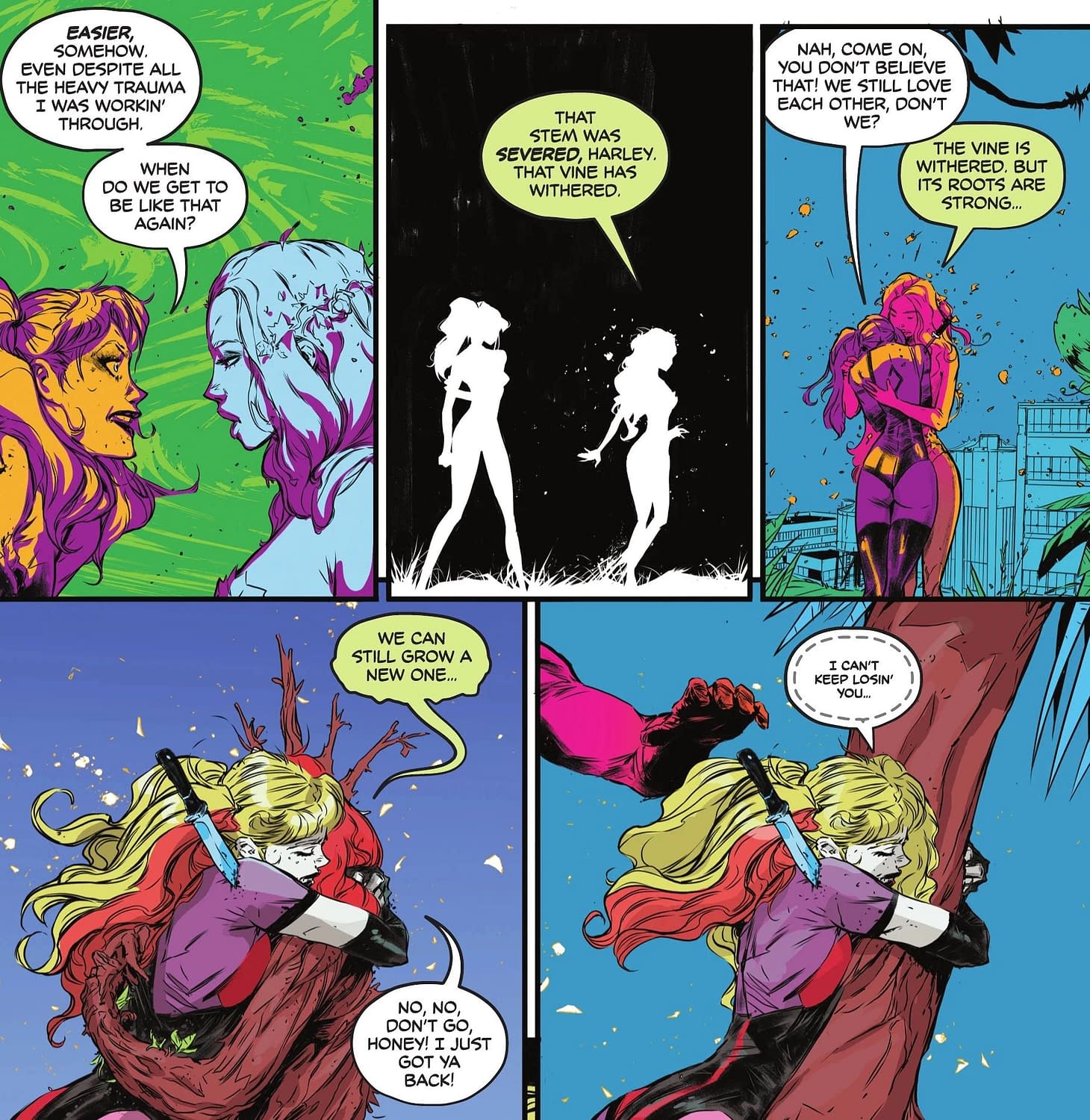
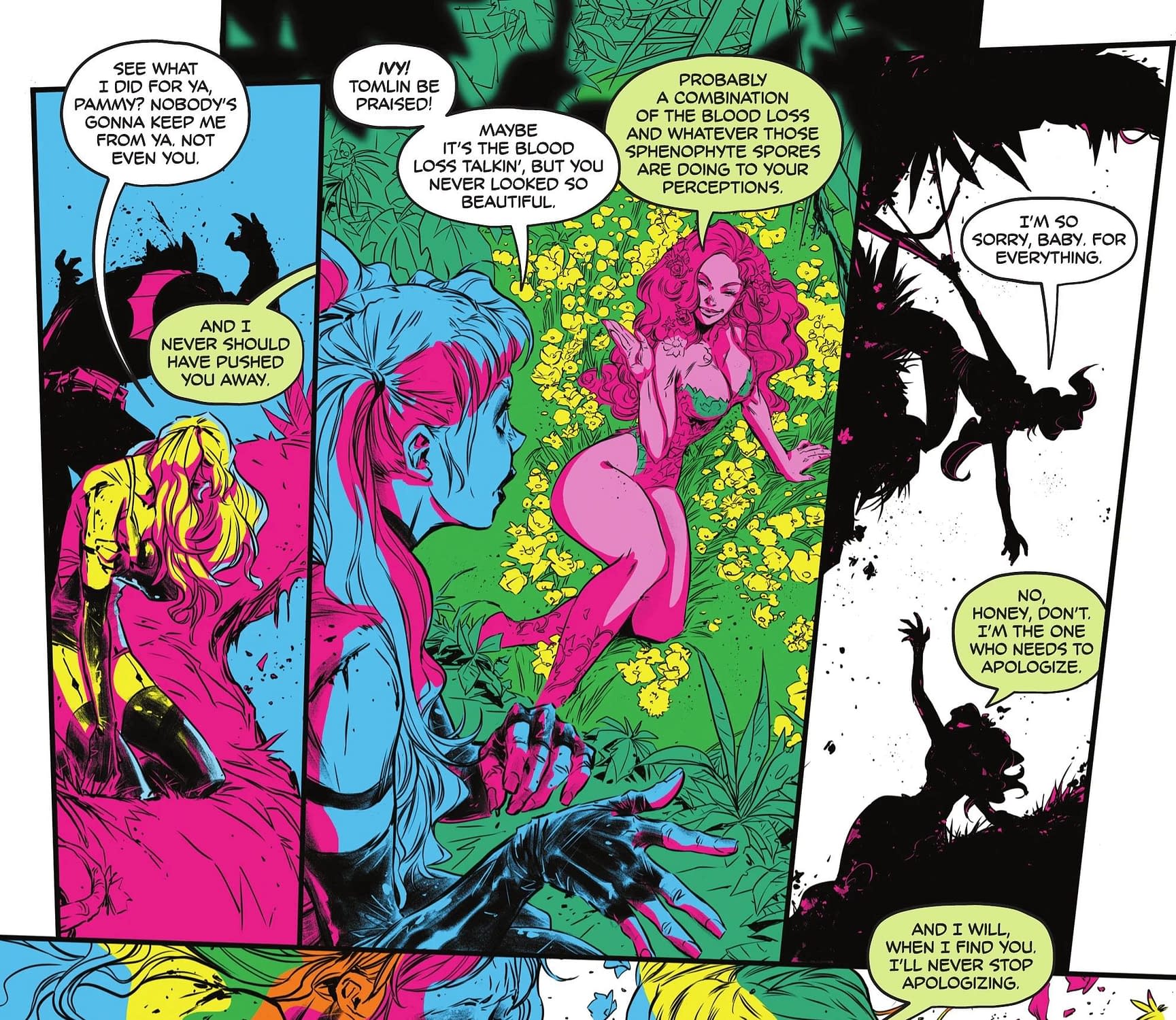
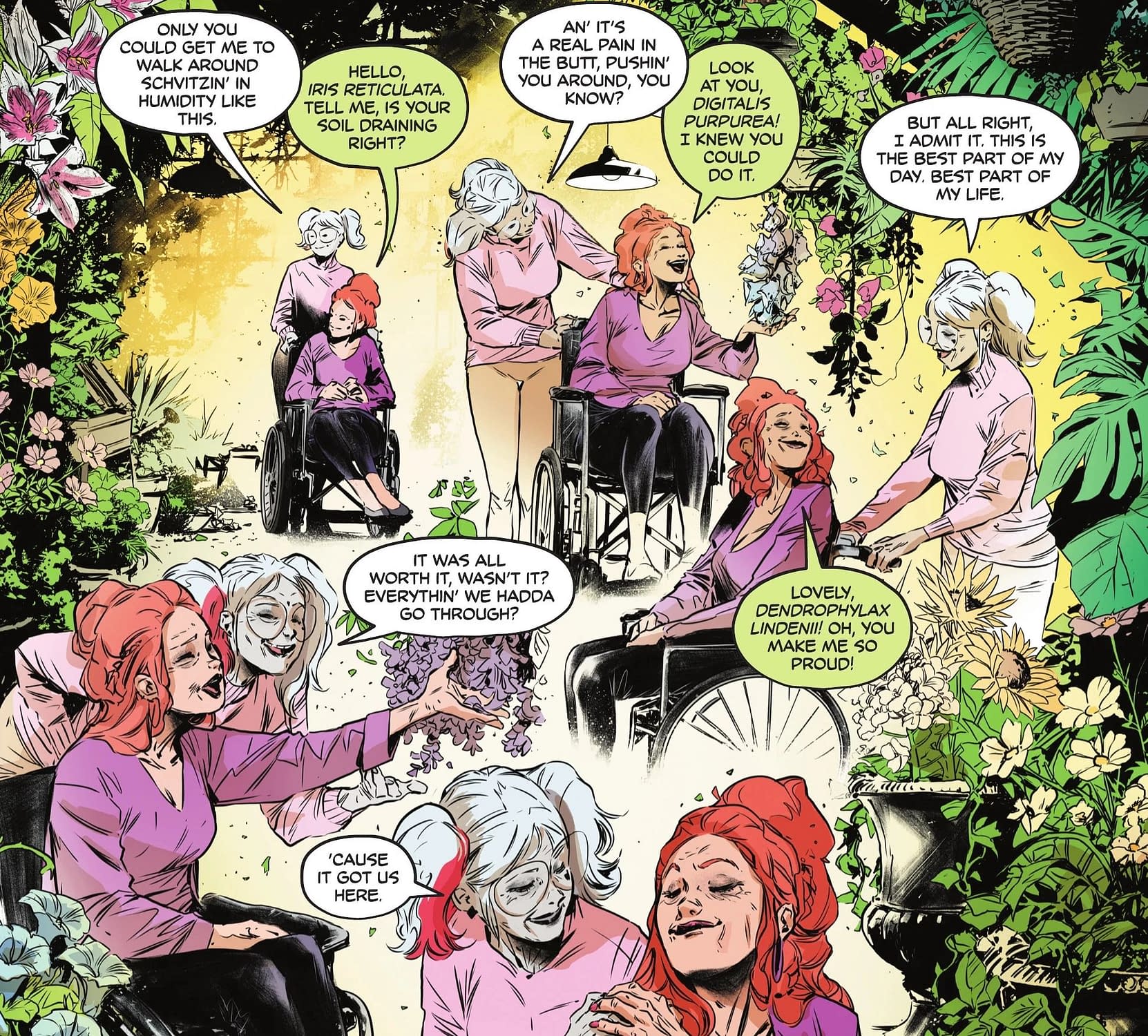
Amid the destruction, the emotional and physical tolls on Gotham’s residents are heavy. Harley Quinn spends the event navigating a series of surreal, emotionally charged hallucinations and alternate realities searching for Pamela Isley, ultimately acting as a fierce defender in Ivy’s physical absence. Meanwhile, characters like Stephanie Brown and Killer Croc find themselves thrust into the center of the chaos, with Croc stepping in to assist in the power vacuum and Brown receiving critical medical attention across parallel tie-in narratives.
Chronology and Narrative Progression
The publishing timeline for the event’s conclusion highlights a sprawling, multi-perspective approach to storytelling. While Poison Ivy #49 and Harley Quinn #67 depict the psychological and immediate street-level fallout of the botanical disaster, Batman: Bad Seeds: Sunrise #1 accelerates the narrative timeline, presenting characters already in recovery or facing fatal confrontations.
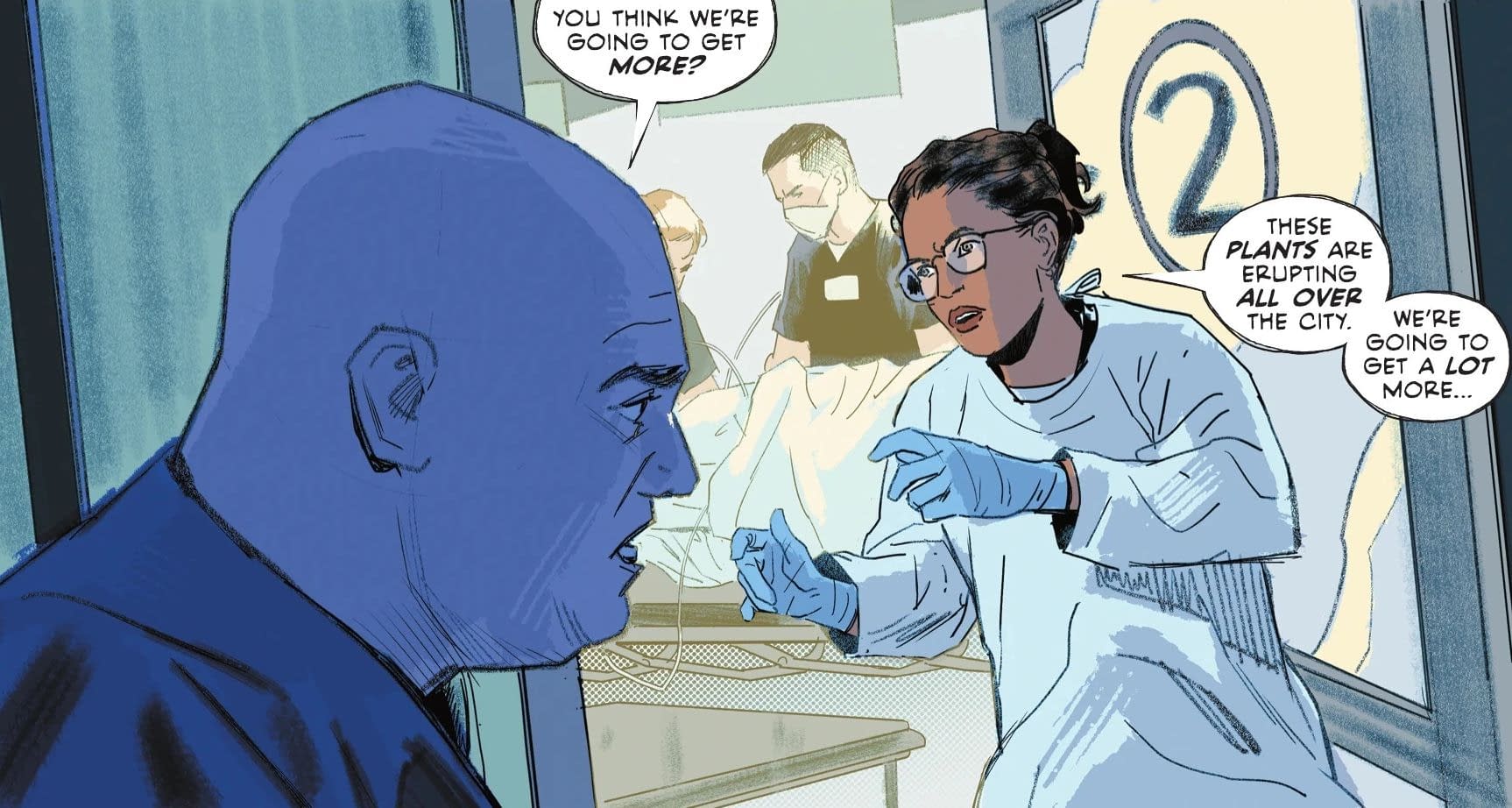
Notably, Batman: Bad Seeds: Gotham General #1 experienced minor logistical delays, hitting stands slightly out of sync with the primary narrative thrust. The issue deals directly with the admission of Stephanie Brown (Spoiler) to a Gotham medical facility, whereas Sunrise features her already further along in recovery. This structural anomaly underscores the breakneck pace at which Gotham’s medical and infrastructural systems collapse under Vandal Savage’s regime.
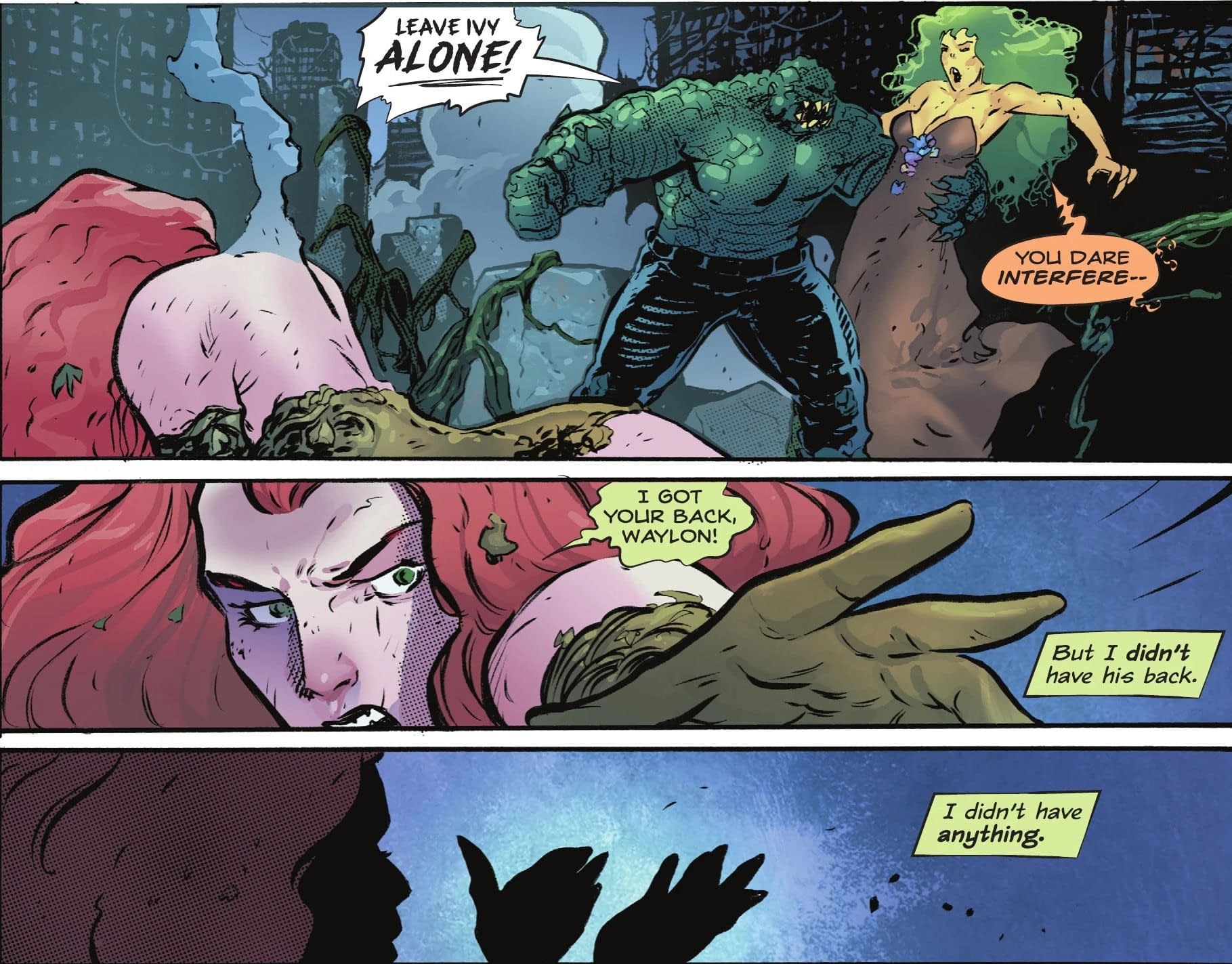
As Vandal Savage marches his forces over the rubble of Gotham, claiming executive control and attempting to inherit the city’s ruined infrastructure—even operating with the handicap of a missing eye—he targets Pamela Isley for elimination. However, Savage’s hubris proves to be his undoing. Distracted by his attempts to assassinate both Ivy and Batman, Savage fails to account for Killer Croc, who emerges from the Gotham sewer system with lethal intentions. In a shocking climax depicted in Sunrise #1, Vandal Savage’s legendary immortality is put to the ultimate test when he is decapitated, raising immediate questions about the limits of his regenerative biology.
Supporting Data and Creative Teams
The "Bad Seeds" event represents a significant collaborative effort among top-tier creators within the DC Comics stable. The creative roster responsible for wrapping up the storylines includes:
- Batman: Bad Seeds: Sunrise #1: Written by Matt Fraction and G. Willow Wilson, with art by Giuseppe Camuncoli and inks by Cliff Rathburn.
- Batman: Bad Seeds: Gotham General #1: Written by Greg Rucka with artwork by Rosa Ekedal.
- Harley Quinn #67: Penned by Elliott Kalan with illustration by Carlos Olivares.
- Poison Ivy #49: Authored by G. Willow Wilson with interior art by Alex Lins.
The visual storytelling across these issues emphasizes contrasting environments: the vibrant, suffocating sprawl of prehistoric plant overgrowth giving way to stark, chilling blues and whites of the flash-freeze initiative, culminating in the industrial, militarized gray of Vandal Savage’s occupying forces.
Broader Impact and Implications for Gotham City
The conclusion of "Bad Seeds" leaves Gotham City in a state of unprecedented vulnerability. The event systematically dismantled several established power dynamics:
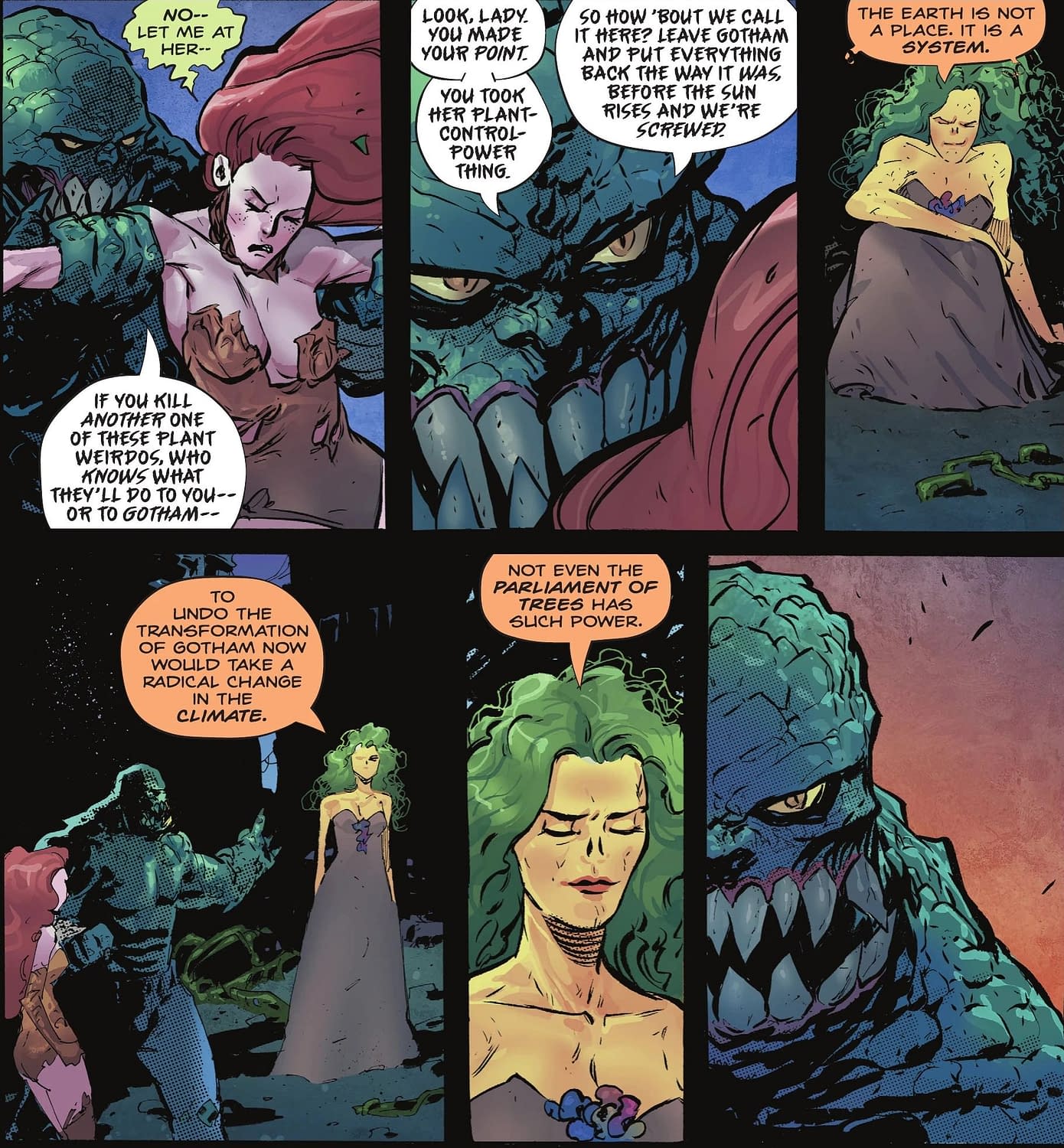
- Poison Ivy’s Status: Stripped of her prime elemental status by the Parliament of Trees, Pamela Isley’s identity and capabilities are fundamentally altered. Her transition from a global ecological threat to a marginalized figure within the plant kingdom sets up a long road to recovery, deeply tied to her complex psychological relationship with Harley Quinn.
- The Leadership Void: With Vandal Savage’s temporary (or permanent) removal via decapitation, Gotham’s municipal infrastructure—already battered by plant overgrowth and sub-zero temperatures—is left without a clear authoritarian figure, inviting a scramble for power among surviving criminal syndicates and civic authorities.
- The Bat-Family and Allies: The physical toll on operatives like Batman (dealing with heavy injuries) and Stephanie Brown highlights the exhaustion of Gotham’s protectors. Medical facilities like Arkham Towers and Gotham General are operating at maximum capacity, pointing toward a sustained recovery arc for the city’s civilian and costumed populations alike.
As DC Comics moves past the "Bad Seeds" event, the ramifications of Ivy’s lost dominion, Savage’s violent overreach, and the psychological scars left on Harley Quinn will undoubtedly resonate through the publisher’s Gotham-centric titles for months to come.