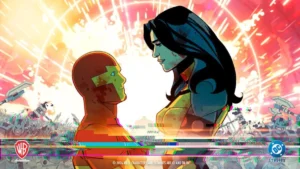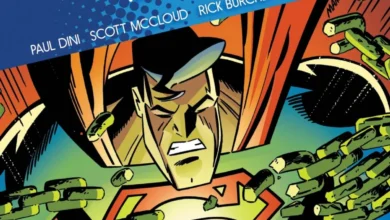
The DC Elseworlds imprint, historically defined by its mandate to explore high-concept, "what if" scenarios outside the restrictive continuity of mainstream DC canon, is entering a period of significant growth. As of March 2026, DC has confirmed the expansion of this signature line, announcing three distinct series slated for release throughout the summer. These titles—Superman: Father of Tomorrow, Supergirl: Survive, and Dark Knights of Steel II—represent a diverse cross-section of creative talent and narrative ambition, signaling a strategic focus on alternate-universe storytelling as a pillar of the publisher’s 2026 editorial roadmap.
A Chronological Roadmap for the Summer Releases
The upcoming release schedule is designed to sustain momentum across the summer months, effectively bridging the spring and mid-summer publishing cycles. The rollout is structured as follows:
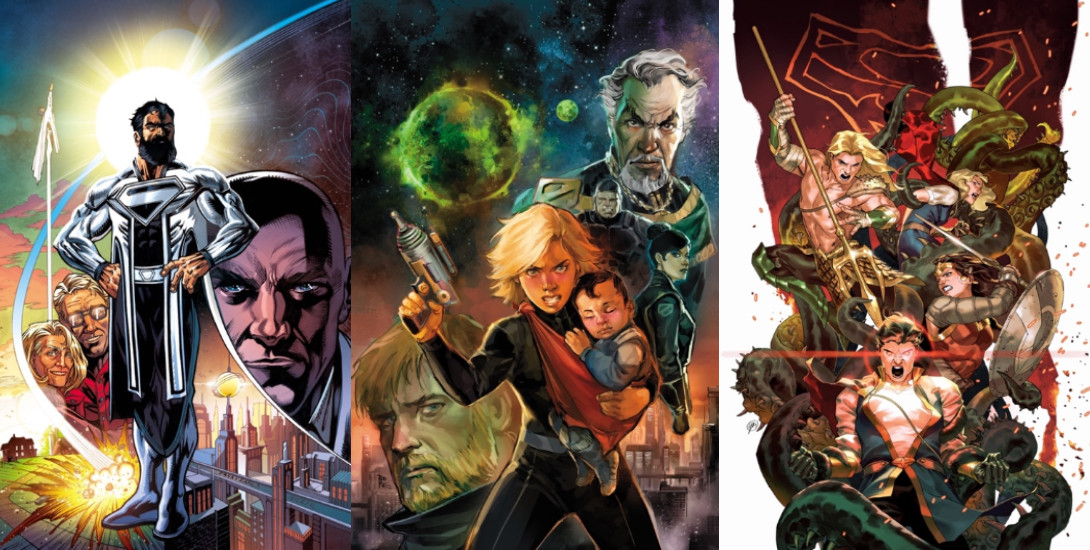
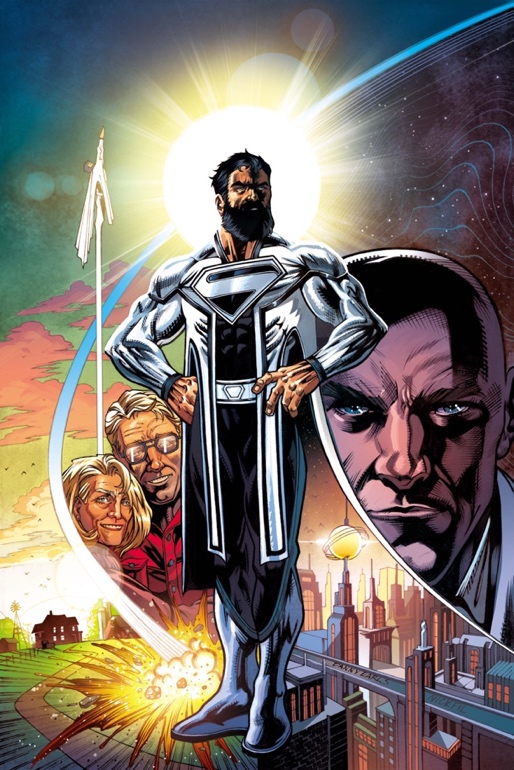
- May 27, 2026: Superman: Father of Tomorrow #1, written by Kenny Porter with art and covers by Danny Earls.
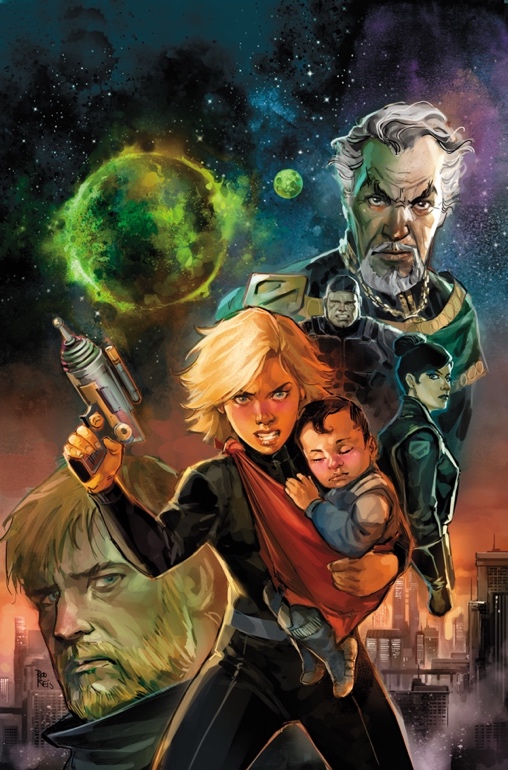
- June 3, 2026: Supergirl: Survive #1, written by Ethan S. Parker and Griffin Sheridan with art and covers by Rod Reis.
- July 15, 2026: Dark Knights of Steel II #1, written by Tom Taylor with interior art by Otto Schmidt and cover art by Yasmine Putri.
This staggered release strategy allows DC to maintain market presence while highlighting different facets of its intellectual property. By launching a major Superman-centric title in late May, followed by a Supergirl-led project during the industry’s "Summer of Supergirl" marketing campaign, and concluding with a return to a high-fantasy fan favorite in July, the publisher is catering to both new readers and established franchise loyalists.
Deep Dive: Analysis of the New Elseworlds Slate
The three upcoming titles represent a deliberate mix of reimagined origins and the continuation of successful alternative-continuity worlds.
Superman: Father of Tomorrow
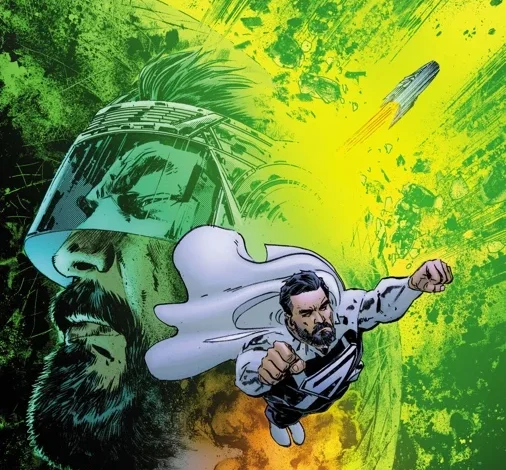
The premise of Superman: Father of Tomorrow serves as a subversion of the foundational Superman mythos. By shifting the perspective from the child Kal-El to his father, Jor-El, the narrative explores the "Man of Steel and Science" archetype. In this iteration, the tragedy of Krypton’s destruction results in the patriarch, rather than the heir, crash-landing in Kansas. The narrative implications are significant: whereas Kal-El’s journey is typically one of self-discovery and acclimation to Earth, Jor-El arrives with an established intellect, a scientific background, and the potential for a different mode of leadership. This displacement suggests a story focused less on "coming of age" and more on "cross-cultural integration" and the application of superior Kryptonian science to human development.
Supergirl: Survive
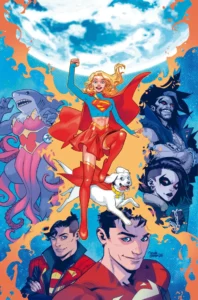
Supergirl: Survive shifts the tone toward a more harrowing, survival-oriented experience. Featuring Eisner Award-nominated writers Ethan S. Parker and Griffin Sheridan, the book is positioned as a visceral look at the trauma of planetary collapse. The inclusion of an infant Kal-El alongside a teenage Kara Zor-El introduces a protective dynamic that is often absent in standard portrayals of the duo. By setting this story within a hostile, unforgiving universe, the creative team appears to be leaning into themes of resilience and familial bonds under extreme duress. Rod Reis’s involvement, noted for his distinct painterly aesthetic, is expected to heighten the emotional stakes of the series.
Dark Knights of Steel II
The return of Dark Knights of Steel marks a critical milestone for the Elseworlds line. The original series, which transplanted iconic DC characters into a medieval fantasy setting, proved to be a commercial and critical success. Bringing back writer Tom Taylor, the architect of the first arc, ensures a continuity of tone and world-building that is essential for fantasy-based serialized storytelling. With Otto Schmidt taking over interior art duties, the series is positioned to retain its high-stakes, epic fantasy identity while providing a fresh visual direction for the kingdom of El and its adversaries.
The Strategic Context of the Elseworlds Imprint
The Elseworlds brand has long been a vital tool for DC, allowing creators to detach from the "Main Universe" (often referred to as Earth-0) without the pressure of maintaining long-term continuity. This freedom is essential for attracting top-tier creative talent who may wish to tell self-contained stories without the burden of decades of baggage.
In the current comic book market, there is a measurable trend toward "prestige" miniseries and limited-run event books. By investing in these three titles, DC is acknowledging the consumer preference for defined, finite narratives. Market data from the past five years suggests that readers are increasingly drawn to projects with clear "start and end" points, as these are more accessible to new readers who may be intimidated by the expansive, multi-title scope of the core DC Universe.
Implications for the DC Publishing Ecosystem
The expansion of the Elseworlds line is not merely a creative choice; it is an economic one. By positioning these stories outside of the main continuity, DC mitigates the risk of "continuity creep," where new readers find it difficult to jump into the middle of ongoing sagas. Furthermore, these titles serve as testbeds for new character interpretations. Historically, successful Elseworlds concepts have occasionally influenced the main canon, proving that this line is a vital laboratory for character evolution.
From a production standpoint, the appointment of creators like Tom Taylor and the collaboration of writers like Parker and Sheridan signals a commitment to high-quality output. The use of established artists like Rod Reis and Otto Schmidt further cements these books as premium products within the publisher’s monthly catalog.
A Note on Accessibility and Future Growth
For readers looking to engage with these stories, DC has positioned them as accessible entry points. The digital infrastructure provided by the DC UNIVERSE INFINITE (DCUI) platform plays a crucial role here, as it allows for the digitization and preservation of these Elseworlds stories, making them readily available to a global audience. While the platform has regional restrictions, its utility as a repository for both classic Elseworlds tales—such as The Nail or Kingdom Come—and new, concurrent releases, is a cornerstone of the publisher’s current digital strategy.
The upcoming summer months are set to define the trajectory of the Elseworlds line for the remainder of 2026. As these series hit the stands, the industry will be watching to see how these "alternate histories" resonate with a modern readership. For fans, the appeal is clear: the ability to see familiar icons in unfamiliar, challenging, and occasionally radical new environments provides a form of escapism that only the Elseworlds format can reliably deliver. With these three series, DC is not only honoring the history of the imprint but is also aggressively looking toward the future of its creative portfolio.
As the launch dates approach, anticipation continues to build, particularly regarding the unexplored mechanics of the Dark Knights of Steel sequel and the emotional stakes of the Supergirl: Survive narrative. Whether these titles will achieve the same cultural impact as their predecessors remains to be seen, but the initial reception from the fan community suggests that the hunger for high-quality, high-concept alternate-universe storytelling is stronger than ever.