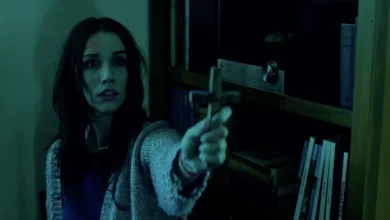
RETURN OF THE LIVING DEAD: AFTERMATH’ STARRING LINNEA QUIGLEY & ROTLD ORIGINALS AVAILABLE THIS HALLOWEEN

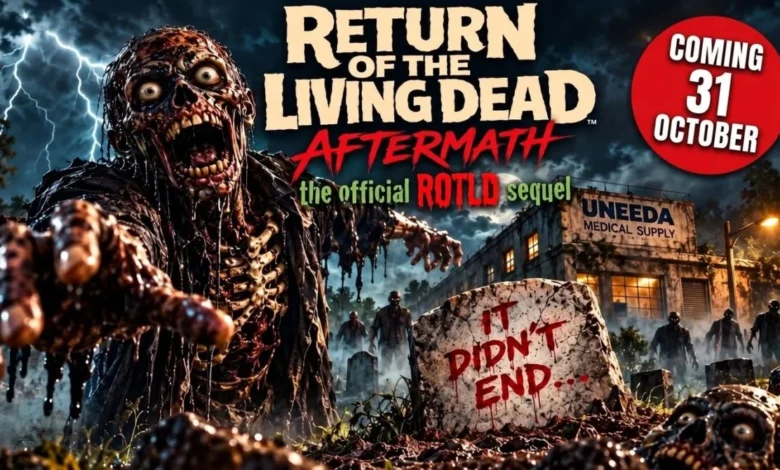
The horror genre has long thrived on the delicate balance between nostalgia and innovation, a threshold that DragonFlix aims to cross on October 31, 2026, with the highly anticipated release of Return of the Living Dead: Aftermath. Representing a direct narrative continuation of the seminal 1985 punk-horror masterpiece, the project seeks to bridge the gap between the practical effects-driven aesthetic of the mid-80s and the immersive technological capabilities of the mid-2020s. Managed by the specialized horror public relations firm Marketing Macabre, this release is positioned not merely as a film, but as a definitive digital archival event for the franchise’s dedicated fanbase.
A Legacy Reunited
The production of Return of the Living Dead: Aftermath is notable for its commitment to reuniting the creative forces that defined the original Dan O’Bannon classic. The cast list serves as a testament to the film’s authenticity, featuring the return of Linnea Quigley, Beverly Randolph, Miquel Nunez, John Philbin, Don Calfa, Thom Mathews, and Drew Deighan.
For many fans, the inclusion of these original "ROTLD Originals" provides a sense of narrative continuity that has been absent from various tangential sequels over the last four decades. By integrating the actors who defined the initial cultural phenomenon, DragonFlix is signaling a departure from the franchise’s more experimental later iterations, aiming instead for a tone that mirrors the dark humor, anarchic spirit, and relentless pacing of the 1985 original.
The Digital Collector’s Experience
In an era where physical media is often sidelined in favor of fleeting streaming availability, the distribution model for Aftermath marks a significant pivot. DragonFlix has opted for a comprehensive digital pre-order package priced at $19.00, which functions as a "definitive collector’s edition."
The core of this offering is the presentation of the feature film in three distinct formats. This multi-format approach addresses the diversifying habits of modern audiences, providing a standard viewing experience alongside high-fidelity options designed for modern virtual reality headsets, specifically utilizing Full SBS (Side-by-Side) 3D. This move suggests an industry-wide trend where independent horror distributors are leveraging VR hardware to enhance the visceral nature of the "zombie experience," effectively placing the viewer inside the frame of the chaos.
Beyond the film itself, the package includes an extensive library of supplementary materials. This includes behind-the-scenes retrospectives, deep-dive interviews with the cast members regarding the evolution of the franchise, and access to the original PDF script. By bundling these assets, DragonFlix is catering to the "completist" demographic, treating the film as a piece of cultural history rather than a disposable content drop.
Historical Context and Franchise Evolution
The Return of the Living Dead franchise has a complex, fragmented history. Following the 1985 release, which famously introduced the concept of the "Tarman" and redefined the behavior of zombies in popular media—shifting them from slow-moving threats to sentient, fast, and often articulate entities—the series saw several sequels with varying degrees of critical and commercial success.
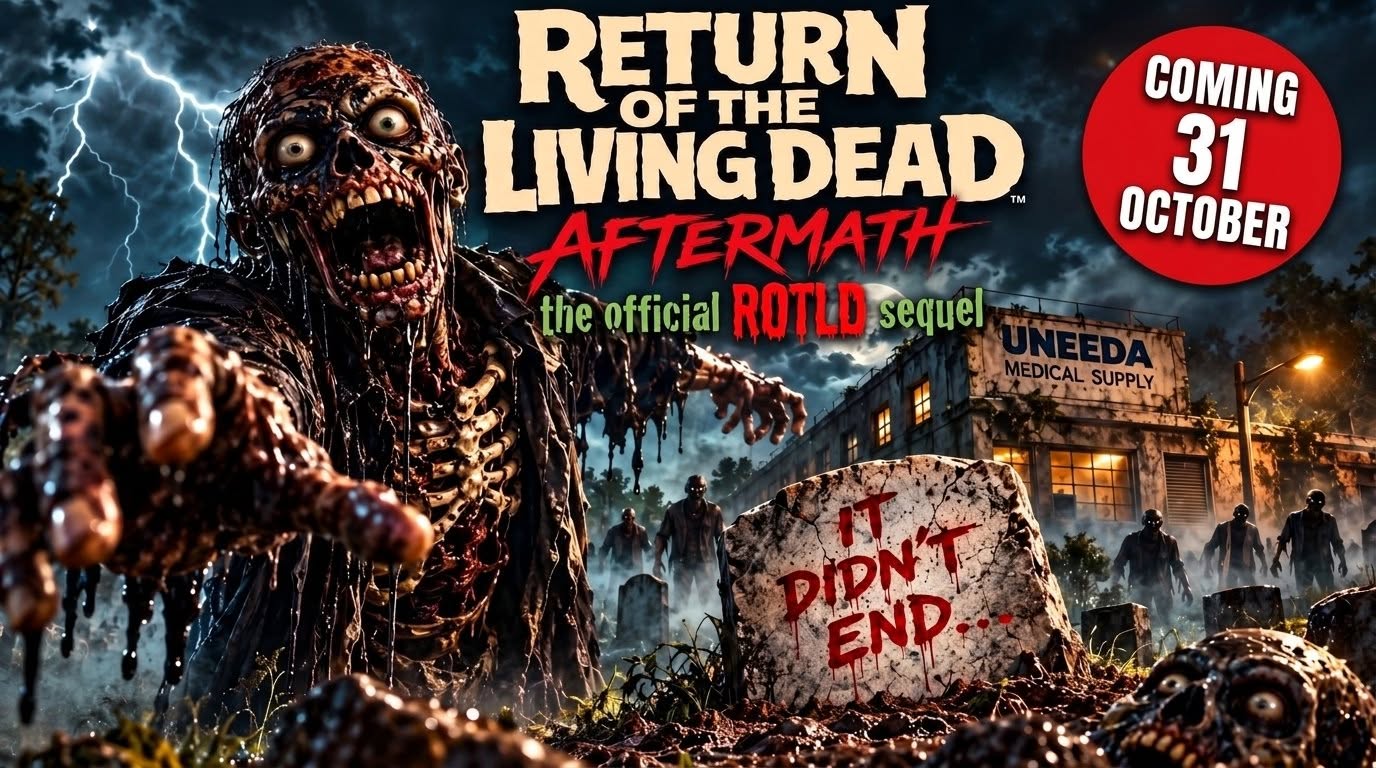
The original film was a commercial success, grossing over $14 million against a modest budget, and it became a cornerstone of the VHS rental era. Its influence on subsequent media, from music videos to high-concept horror films, is immeasurable. The 2026 release of Aftermath comes at a time when "legacy sequels"—films that ignore previous failed entries to pick up the narrative thread from the original—have become a dominant trend in Hollywood, as seen in the recent revivals of the Halloween and Scream franchises. By positioning Aftermath as the "official" sequel, the creators are banking on the audience’s desire for a return to the roots of the series.
Industry Implications and Strategic Distribution
The decision to release the film exclusively via the DragonFlix platform on Halloween night is a strategic move designed to capitalize on peak seasonal demand. Halloween is historically the most lucrative period for the horror industry, and by bypassing traditional theatrical windows in favor of a direct-to-digital model, the production team maintains tighter control over their intellectual property and the overall fan experience.
Marketing Macabre, acting as the bridge between the creators and the audience, has utilized a campaign that emphasizes the "indie" spirit of the project. In the current landscape, where independent filmmakers are increasingly finding success outside of traditional studio systems, the success of this model could serve as a blueprint for future cult-classic revivals. If the $19.00 price point for a multi-format digital bundle proves successful, it may validate a new standard for independent film distribution, where value is derived from the depth of the archive rather than the breadth of the theater chain.
Chronology of the Release
- 1985: The original Return of the Living Dead is released, cementing its place in cinema history.
- 2024-2025: Development and production of Aftermath take place, with a focus on securing the original cast and developing the 3D/VR technical components.
- Early 2026: Initial announcements and teaser campaigns begin, managed by Marketing Macabre.
- October 2026: The pre-order window is finalized, and the marketing campaign enters its peak phase.
- October 31, 2026: The official digital launch of Return of the Living Dead: Aftermath on the DragonFlix platform.
Official Perspectives
In a statement provided during the announcement, representatives for DragonFlix emphasized the importance of balancing technological advancement with historical reverence. "We wanted to give the fans the ultimate sequel package that respects the history of the original film while delivering cutting-edge tech like the Full SBS 3D version for VR headsets," the statement read.
The focus on "unreleased archival material" suggests that the production has been granted access to production history that has remained locked away for decades. This is a critical selling point for the project, as it suggests that the release is not merely a modern imitation but a genuine continuation that respects the DNA of the 1985 original.
Broader Impact on the Horror Genre
The arrival of Return of the Living Dead: Aftermath represents a significant moment for the genre’s niche, yet vocal, community. The reliance on legacy talent and the inclusion of extensive behind-the-scenes content demonstrates a shift toward "fan-centric" production. This is an era where the audience is not just a consumer of content, but a participant in the legacy of the film.
Furthermore, the integration of VR as a standard format option for independent films suggests that the technical barriers to high-immersion horror are falling. For a franchise as iconic as Return of the Living Dead, which was defined by its innovative practical effects and makeup, moving into the VR space is a logical, albeit bold, evolution.
As the release date of October 31, 2026, approaches, the success of Aftermath will be measured not only by its reach but by its ability to satisfy a generation of horror enthusiasts who have waited decades for a coherent, respectful, and technologically updated continuation. By prioritizing a direct-to-consumer digital model and bundling a wide array of retrospective content, DragonFlix is effectively creating a new standard for how legacy cult films can be resurrected in the modern digital age. Whether the film can live up to the high bar set by the original remains to be seen, but the infrastructure surrounding the release suggests that no detail has been left to chance.