Brazen Heist at Brazilian Airport Leads to Discovery of Stolen RTX 5090 Graphics Cards on Secondary Markets

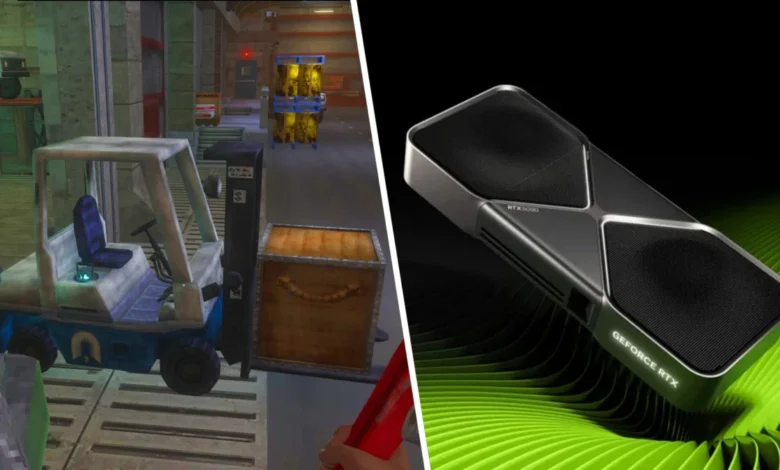
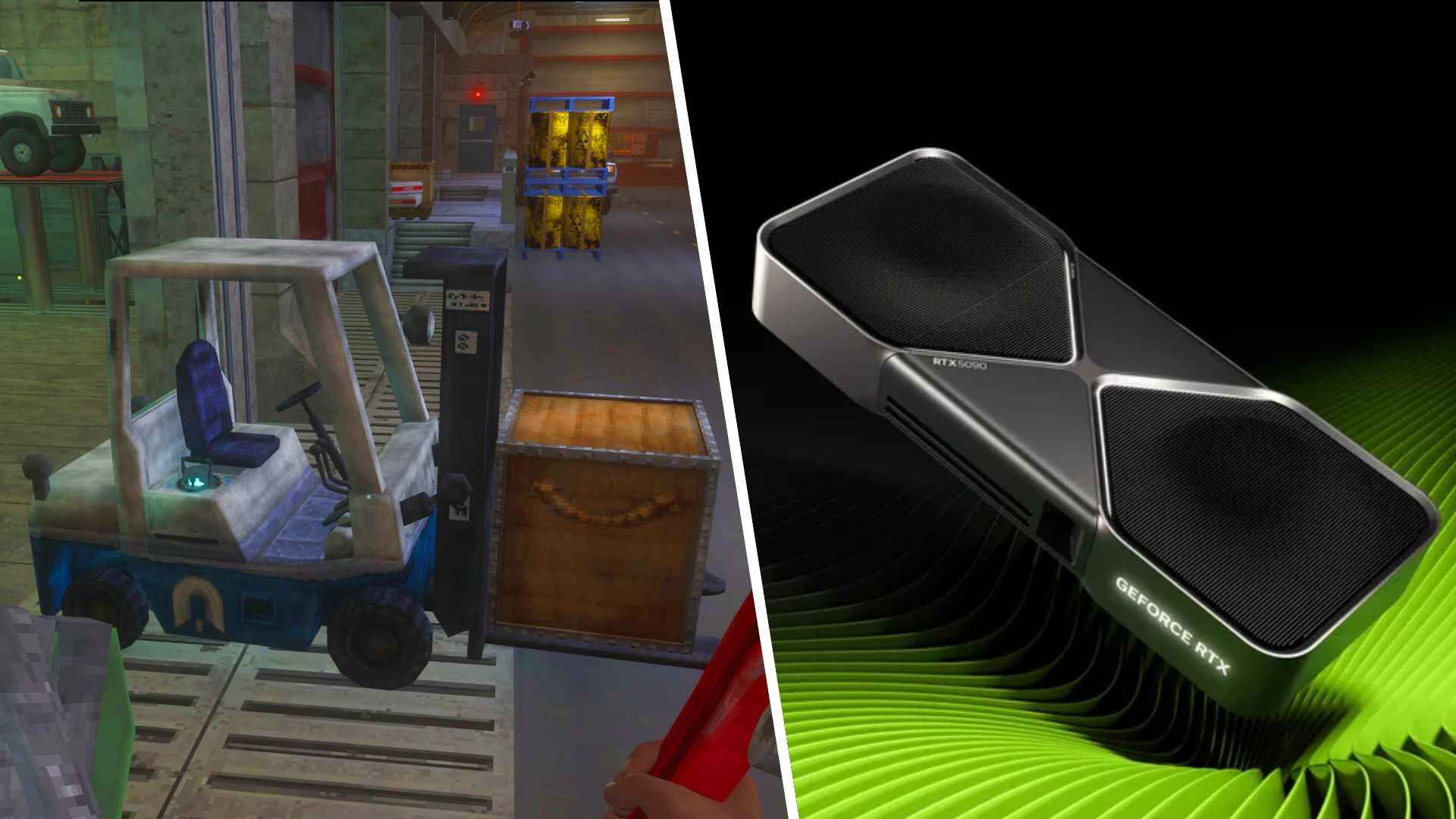
A high-stakes criminal operation involving the theft of two entire pallets of Nvidia RTX 5090 graphics cards from a Brazilian airport has taken a new, incriminating turn as investigators identify stolen hardware appearing on popular online marketplaces. The incident, which resulted in the loss of approximately $495,000 (R$2.5 million) worth of cutting-edge hardware, has triggered a wide-reaching investigation involving airport security, law enforcement, and the victimized electronics distributor, Oderço Group.
Chronology of the Incident
The operation appears to have been a well-coordinated inside job. According to preliminary reports from the Brazilian police, the theft occurred on September 21. Surveillance footage and subsequent investigations suggest that two outsourced forklift operators were directly responsible for removing the high-value pallets from the secure confines of a warehouse at Guarulhos International Airport.
A third employee, also believed to be connected to the logistics chain at the facility, is alleged to have provided critical assistance by facilitating the movement of the cargo through electronic security checkpoints. By bypassing these protocols, the suspects were able to spirit away a significant volume of next-generation hardware that had only recently arrived for distribution within the Brazilian market. The disappearance was not immediately publicized, allowing the perpetrators a window of opportunity to begin testing the market for potential buyers.
Digital Evidence and Marketplace Discovery
The investigation gained significant momentum following a broadcast by the Brazilian news outlet Jornal da Band, which identified a listing for an RTX 5090 on OLX, a prominent secondary-market platform in Brazil. The listing, which caught the attention of both the public and investigators, was particularly brazen: the seller had included a photo clearly displaying the unit’s serial number.
Upon cross-referencing this serial number with the manifest provided by the Oderço Group, authorities confirmed that the card was indeed part of the stolen shipment. The listing was priced at R$32,000, or approximately $6,400 USD. While the card is notoriously difficult to acquire through official retail channels, the asking price represented a significant markup, highlighting the desperation of the current market for high-end gaming and AI-capable hardware. Following the report, the advertisement was promptly removed from the platform, though it served as a critical piece of evidence linking the physical theft to the digital black market.
Stakeholder Responses and Official Investigations
The fallout from the theft has placed significant pressure on the administration of Guarulhos International Airport. In response to inquiries from GMC Online and other media outlets, airport representatives confirmed that they have been cooperating fully with law enforcement. The airport administration stated that upon discovering the security breach, they immediately notified the relevant authorities and opened a line of communication with the importer’s representatives to initiate the formal compensation and insurance processes.
Oderço Matos, CEO of the Oderço Group, has been vocal about the incident, utilizing social media platforms to demand transparency and accountability. In a video statement, Matos emphasized the gravity of the loss, noting that the theft represents more than just a financial blow—it impacts the company’s ability to fulfill commitments to retailers and consumers in a market where the RTX 5090 has become an item of intense scarcity. The company is currently working with investigators to determine how deep the internal conspiracy goes and whether additional personnel were involved in the facilitation of the theft.

Broader Context: The Scarcity of the RTX 5090
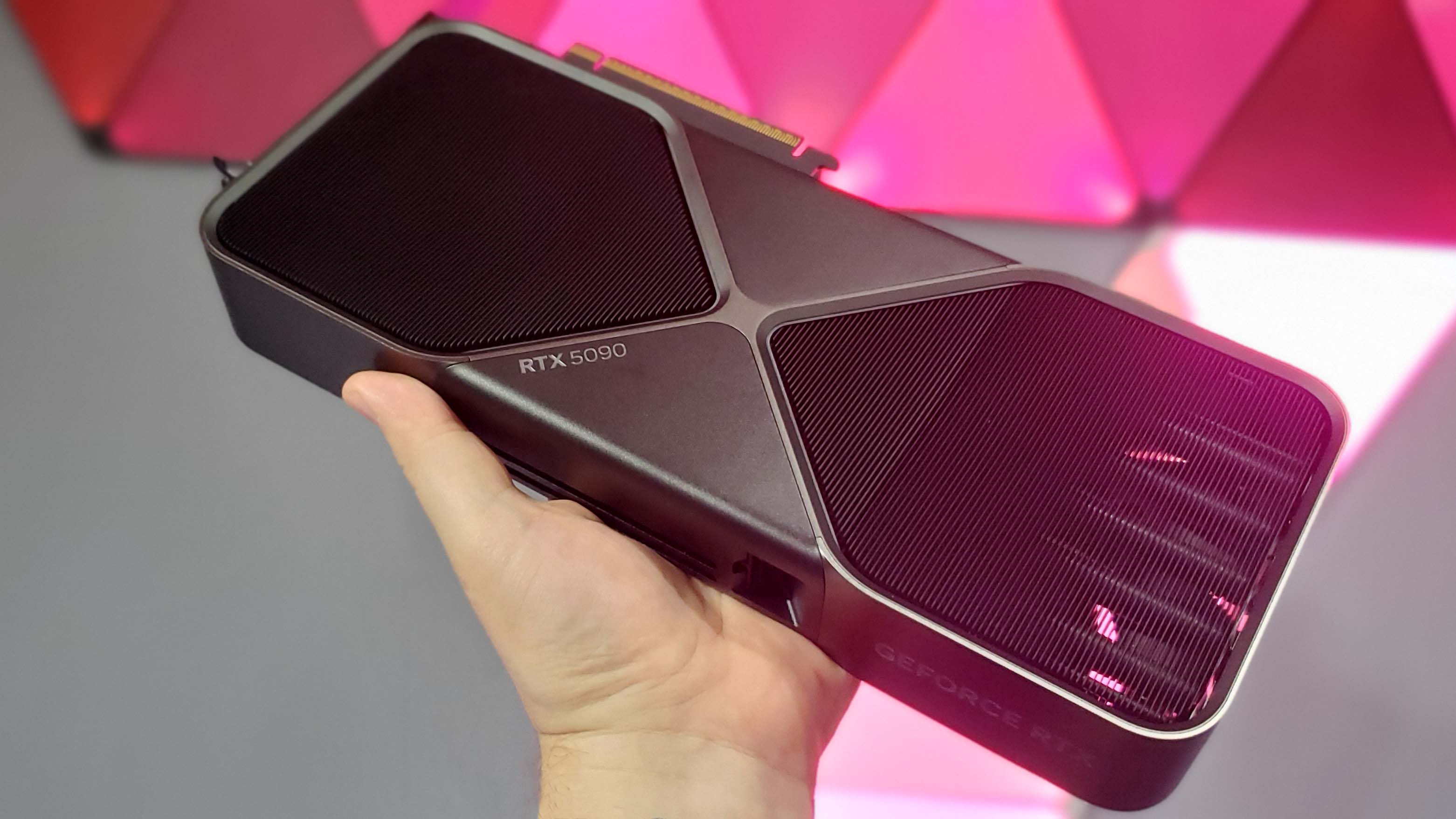
The theft occurs at a time when the Nvidia RTX 5090 is arguably the most sought-after consumer graphics card in the world. Its performance capabilities, particularly regarding ray tracing and AI-driven upscaling, have made it the gold standard for enthusiasts and professional creators alike. However, the product has faced a turbulent rollout.
Earlier this year, Nvidia GeForce chief Jeff Fisher addressed concerns regarding the card’s availability, confirming that production remains steady despite its mysterious absence from many official marketplace listings. This perceived "vanishing act" from retail shelves has created a vacuum, driving up prices on third-party sites and making stolen inventory highly attractive to illicit actors. The current market volatility has forced industry observers, including the PC Gamer editorial team, to stop tracking specific pricing on these cards, as the sheer number of speculative and fraudulent listings renders standard market analysis unreliable.
Analysis of Implications
The brazen nature of the theft at a major international logistics hub raises serious questions about the security protocols governing high-value electronics. In recent years, the surge in demand for powerful GPUs—driven by both the gaming industry and the rapid expansion of AI research—has turned these components into "digital gold."
For logistics firms, this incident serves as a stark reminder of the risks associated with transporting high-value, low-volume goods. The fact that the perpetrators felt confident enough to list a stolen unit on a public-facing marketplace suggests a level of audacity that often accompanies organized cargo theft. However, the move was ultimately a strategic error; by exposing the serial number, the thieves provided the police with a direct trail to track the inventory and potentially uncover the network responsible for the theft.
Furthermore, the incident highlights the ongoing challenges faced by authorized distributors in emerging markets. When supply chain security is compromised at the port of entry, it creates a ripple effect that damages brand reputation and disrupts local economies. As law enforcement agencies in Brazil continue their investigation, the focus remains on the identification and apprehension of the remaining suspects and the recovery of the rest of the shipment.
Future Outlook
As of this report, the investigation remains active. Brazilian authorities have not released further details on potential arrests beyond identifying the three employees involved in the initial theft. The case has served as a catalyst for a broader review of security procedures at major transport hubs in the region, with many logistics companies reconsidering how they handle and monitor high-value, small-parcel electronics.
For consumers, the advice remains consistent: purchasing high-end hardware from unauthorized, third-party sellers on secondary marketplaces carries significant risks. Beyond the potential for receiving defective or tampered hardware, buyers of stolen goods risk entanglement in legal proceedings. As the industry grapples with the fallout of this heist, the focus for both Nvidia and its partners will be to stabilize the supply chain and ensure that the "unobtanium" status of the RTX 5090 does not continue to incentivize such criminal activity.
The theft of the Oderço Group’s shipment is not merely an isolated crime; it is a symptom of a hardware market pushed to its breaking point by extreme demand and limited supply. Whether the recovered serial numbers will lead to the recovery of the two pallets remains to be seen, but the incident has already served to tighten the net around those who sought to profit from the vulnerability of the global supply chain.