Dynasty Warriors Producer Tomohiko Sho Prefers Creating New Titles Over Remastering Legacy Projects As Franchise Celebrates Milestone

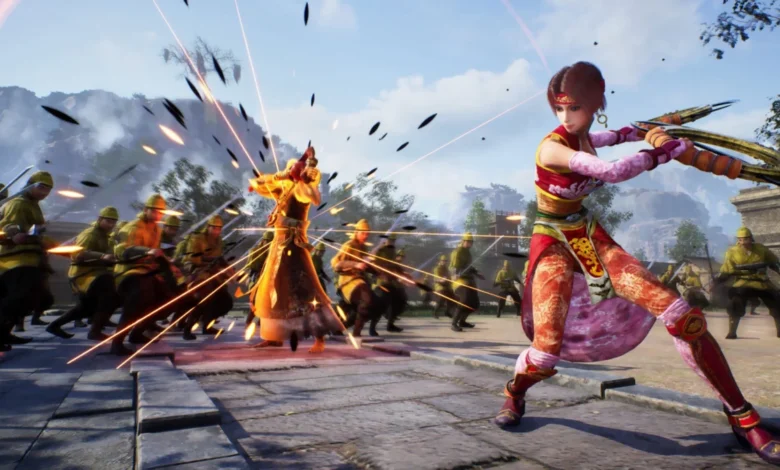
The long-running hack-and-slash historical action franchise Dynasty Warriors has cemented its place in video game history, captivating millions of players worldwide with its massive battlefield skirmishes, legendary figures of the Three Kingdoms era, and distinctive Musou combat mechanics. However, as the series commemorates its monumental 25th anniversary, creative leadership is looking firmly toward the horizon rather than reflecting on the past. Tomohiko Sho, a veteran producer at Koei Tecmo and one of the pivotal figures guiding the franchise’s trajectory, has openly expressed his desire to spend the remaining years of his active career developing original games and fresh sequels rather than overseeing nostalgic remasters of classic titles.
This sentiment emerged following the recent global launch of Dynasty Warriors 3 Complete Edition Remastered, a high-profile project that breathed new life into one of the most beloved PlayStation 2 classics using modern development tools. While the title has successfully rolled out across contemporary platforms—including the Nintendo Switch 2, Windows PC, PlayStation 5, and Xbox Series X/S—its chief architect is already eager to pivot away from retrospective development. For Sho, the motivation to innovate stems from both professional ambition and a personal reckoning with the finite nature of his career in the gaming industry.
Looking Ahead: The Creative Dilemma of a Veteran Producer
In a candid interview with Japanese gaming outlet 4Gamer, Sho discussed the realities of revisiting decades-old codebases. While he acknowledged that the commercial performance of Dynasty Warriors 3 Complete Edition Remastered will ultimately dictate whether Koei Tecmo greenlights future retro projects, he made no secret of his personal preferences. Approaching his fifties, Sho reflected on the broader arc of his professional life and the limited timeframe available to leave a fresh imprint on interactive entertainment.
"I can’t say anything at the moment, and I haven’t even thought about it, but it’s not impossible that we’ll remaster titles that aren’t available on Steam," Sho stated during the interview. "However, to be honest, I don’t want to do it. It would be almost a complete remake, and even this time I sometimes thought, ‘Why am I remaking something I made myself?’ I’m in my fifties now, and I sometimes think about ‘how many more games can I make before I retire’, so I’d rather make new games or sequels."
This perspective highlights a common creative tension within the modern video game industry. As publishers increasingly rely on remasters, remakes, and HD ports to capitalize on nostalgia and mitigate the escalating financial risks of developing triple-A games from scratch, veteran creators who spent their youth building foundational IPs often find themselves caught between fan demand and personal artistic fulfillment. For developers like Sho, the urge to build new worlds, refine mechanical systems, and push technological boundaries naturally outweighs the meticulous, often repetitive process of modernizing legacy software.
Striking a Balance Between Fan Expectations and Artistic Ambition
Despite his personal reluctance to spearhead future remaster initiatives, Sho is far from dismissive of the passionate community that has sustained the Dynasty Warriors franchise for a quarter of a century. He recognizes a clear obligation to accommodate veteran players who yearn to experience older iterations of the series on modern hardware with improved performance, updated resolutions, and modern quality-of-life adjustments.
To resolve this dichotomy, Sho hinted at a pragmatic delegation strategy for the future. Rather than involving himself directly in the arduous rebuilding process of historical Koei Tecmo catalogs, he suggested that he may hand over the reins of any subsequent remaster projects to younger, emerging talent within the development team. This approach would allow Sho and his core creative unit to focus entirely on uncharted territory, conceptualizing entirely new intellectual properties or expanding the primary Dynasty Warriors chronology, while ensuring that legacy demands are still competently met by dedicated teams.
A Quarter-Century of Battlefield Supremacy: The Evolution of Dynasty Warriors
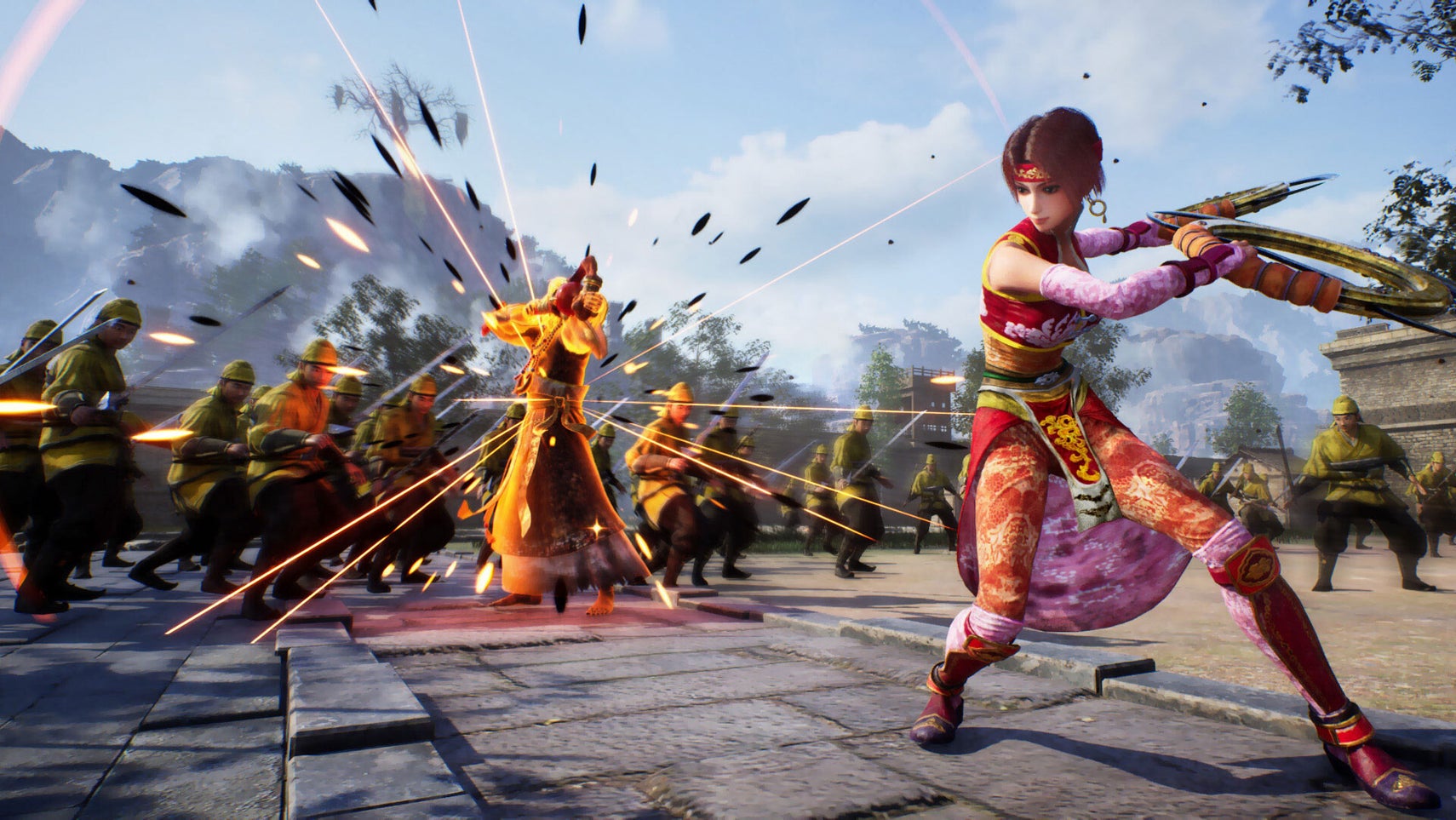
To understand the weight of Sho’s comments, it is necessary to examine the profound journey of the Dynasty Warriors franchise since its inception. What began in 1997 as a weapon-based fighting game on the original PlayStation transformed radically with the release of Dynasty Warriors 2 in 2000 for the PlayStation 2. That pivotal title effectively birthed the modern "Musou" genre—characterized by a single powerful warrior cutting through hundreds of generic enemy soldiers across sprawling, open-ended battlefields inspired by Luo Guanzhong’s historical epic Romance of the Three Kingdoms.
Throughout the 2000s and 2010s, Koei Tecmo and its internal development studio, Omega Force, iterated rapidly on this formula. The series expanded numerically through numerous sequels, branching spinoffs, and crossover collaborations under the Warriors umbrella, including critically acclaimed partnerships with external intellectual properties such as Samurai Warriors, Hyrule Warriors, Fire Emblem Warriors, and One Piece: Pirate Warriors.
However, Dynasty Warriors 3, released originally in 2001, holds a particularly sacred place in the hearts of early adopters. It was the entry that truly popularized the franchise globally, introducing cooperative multiplayer, enhanced combat fluidity, memorable voice acting, and iconic musical scores that defined an era of couch co-op gaming. Bringing this specific title into the modern era required more than a simple resolution bump; it demanded a comprehensive technical overhaul utilizing Unreal Engine 5 to handle the massive rendering loads, particle effects, and high-fidelity character models expected by today’s audiences.
Technical Triumph and Critical Reception of the Latest Release
The launch of Dynasty Warriors 3 Complete Edition Remastered marks a significant technical milestone for Omega Force. Built from the ground up to leverage the computational power of current-generation hardware—including early deployments on the anticipated Nintendo Switch 2, alongside the PlayStation 5, Xbox Series X/S, and PC via Steam—the game successfully bridges a 25-year technological gap.
Early indicators suggest that the gamble has paid off handsomely. On digital distribution platforms like Steam, user reviews have consistently hovered at a "Very Positive" threshold, proving that the core gameplay loop of strategic territory control, general dueling, and cathartic crowd-clearing remains timeless. Fans have praised the faithful retention of the original game’s charm paired with dramatically reduced load times, stabilized frame rates, and polished visual fidelity that honors the original PlayStation 2 aesthetics while meeting contemporary standards.
Broader Implications for Koei Tecmo and the Musou Genre
Sho’s public declaration underscores a broader strategic pivot within Koei Tecmo. As the publisher evaluates its vast library of foundational titles spanning decades of Japanese game development, management must weigh the operational costs and opportunity costs of pursuing retro adaptations versus cultivating cutting-edge new experiences.
The commercial success of Dynasty Warriors 3 Complete Edition Remastered proves that a robust market exists for curated historical revivals. However, the creative friction articulated by Tomohiko Sho serves as a reminder that the vitality of the gaming industry relies fundamentally on the forward-facing drive of its creators. By signaling his intention to dedicate his remaining professional years to uncharted creative endeavors, Sho ensures that the next generation of Dynasty Warriors titles—and potential new intellectual properties—will benefit from the uncompromised vision of one of the genre’s most experienced architects.
As the dust settles on the 25th-anniversary celebrations, the message from the development floor is clear: while honoring the past remains an important duty, the true future of the battlefield lies in conquering new frontiers.
Related posts: