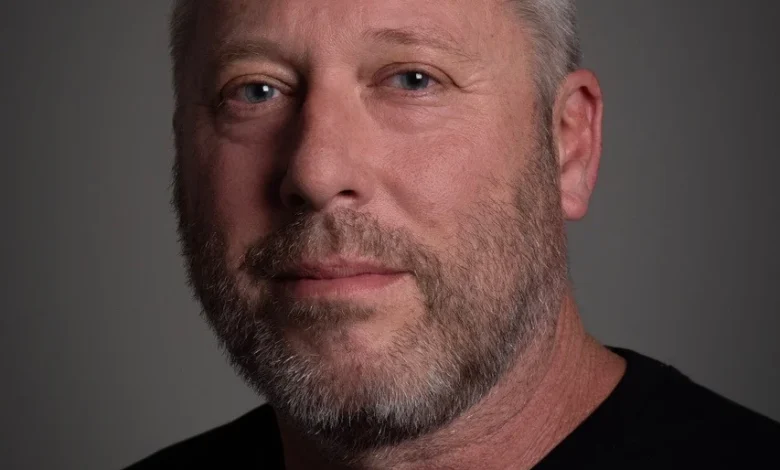
The world of film production design is often described as the silent narrative of cinema, where the physical environment dictates the mood, tension, and believability of a story. Few professionals have navigated the complexities of this field as effectively as production designer Nick Bassett. With a career spanning high-octane television series like Ash vs. Evil Dead to the claustrophobic terror of the Insidious franchise, Bassett has established himself as a master of world-building. His process, which balances rigorous preparation with the fluid adaptability required by modern filmmaking, offers a masterclass in the technical and creative demands of the industry.
The Architectural Blueprint of Horror
For Bassett, the process of production design begins long before the cameras roll. It is a methodical journey from the abstract imagery of a first script reading to the tangible reality of a sound stage. During the initial reading of a screenplay, Bassett avoids the trap of immediate technical over-analysis. Instead, he focuses on sensory impressions—notes on color palettes, potential prop requirements, and visual motifs that capture the atmosphere of the text.
This preliminary phase is crucial for establishing the “look book,” a collection of visual references that serves as the guiding document for the entire art department. As Bassett notes, the transition from initial concepts to a concrete set design is a collaborative evolution. In the fast-paced environment of major horror productions, where timelines are notoriously tight, the ability to synthesize these visual ideas into a cohesive plan is essential. By the time he enters the meeting room with directors and cinematographers, his visual foundation is robust enough to withstand the inevitable revisions that occur during the collaborative process.
Strategic Collaboration and Industry Dynamics
The efficiency of a production often hinges on the strength of the crew and the synchronization of its departments. Bassett’s experience on Insidious highlights the importance of institutional knowledge. Working at the Docklands Studios in Melbourne, he relied on a seasoned team, including long-term collaborator and cinematographer Dave Garbett. The synergy between a production designer and a cinematographer is a cornerstone of visual storytelling; their shared history on projects like Ash vs. Evil Dead allowed for a seamless integration of lighting and set design, which is particularly vital in the horror genre.
The logistical challenges of modern film production are significant. For instance, the use of off-site prefabrication, managed by expert construction teams such as Grant Slotboom’s "Illusions," allows for high-quality builds even when sound stage access is limited. This level of technical oversight ensures that even when a production faces a demanding prep schedule, the final output maintains a premium aesthetic. The result is a high-fidelity environment that enhances the actor’s performance and the director’s vision, transforming empty stages into immersive, terrifying realities.
The Evolution of a Career: From Ash vs. Evil Dead to Hivemind
Bassett’s professional trajectory serves as a case study in the growth of a production designer. His transition from art direction to full production design on the Starz series Ash vs. Evil Dead marked a pivotal moment. The project, directed by industry veteran Sam Raimi, required a delicate balance between the slapstick comic genius of Bruce Campbell’s Ash Williams and the gritty, visceral nature of classic horror.
One of the most significant lessons learned during this period was the value of location scouting. While the series was filmed in Auckland, New Zealand, the story was set in Michigan. Bassett utilized a brief trip to the actual location to gather photo references, which provided the art department with the authentic textures and architectural nuances needed to replicate the American Midwest on a global stage. This experience underscored a fundamental truth in production design: the camera does not lie, and the accuracy of environmental detail is the primary anchor for audience immersion.
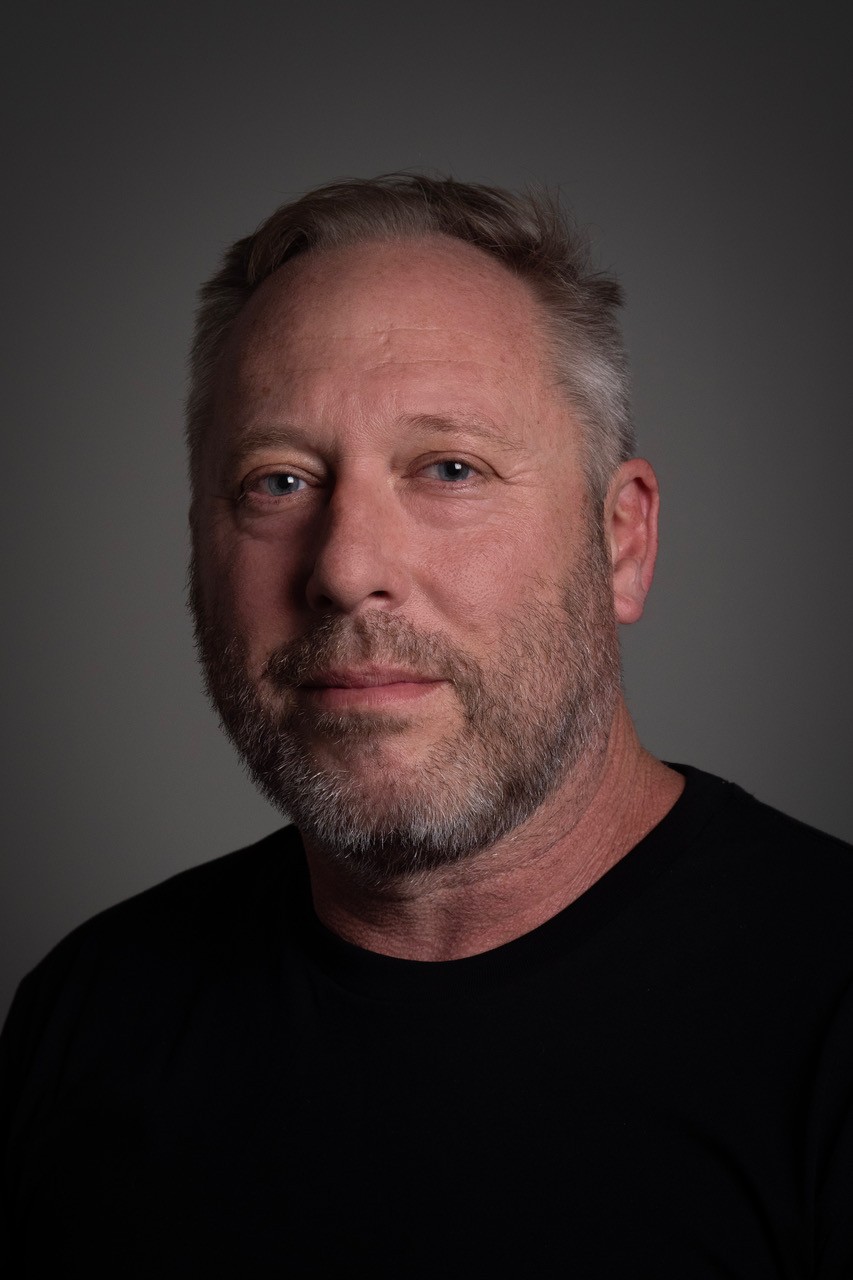
Following the success of Ash vs. Evil Dead, Bassett’s career has continued to scale. His recent work on the environmental horror-comedy Hivemind, directed by Ciaran Foy and produced by Amazon and Thunder Road, further demonstrates his range. By integrating high-profile talent like Samara Weaving and Nicholas Braun, Hivemind represents the current trend of blending genre-specific thrills with character-driven performances.
Persistence and the Pipeline: Advice for Aspiring Designers
The film industry is often perceived as an impenetrable fortress, but professionals like Bassett emphasize that the barrier to entry is frequently bridged by professional persistence. Networking in the art department is not merely about finding a job; it is about establishing a reputation for reliability and initiative. Bassett observes that while many individuals inquire about entry-level positions, the distinguishing factor among those who succeed is the discipline of follow-up.
In a competitive market, timing is often as important as talent. However, because production cycles are unpredictable, maintaining a consistent professional presence is vital. For those entering the field, the advice is clear: be proactive, keep checking in with established professionals, and, above all, remain open to mentorship. The industry values those who treat every project as a learning opportunity, regardless of the scale or budget.
The Future of Horror Production Design
As the horror genre continues to evolve, the demands on production designers are shifting. Modern audiences have become increasingly sophisticated, requiring a higher standard of "world building." Horror is no longer just about the jump scare; it is about creating a consistent, logical, and atmospheric universe where the threat feels immediate and the stakes are palpable.
Looking ahead, Bassett is already immersed in the early prep stages of Sleepover, a project with Blumhouse Pictures. The collaboration with the studio, known for its strategic approach to low-to-mid-budget horror, indicates a continued focus on narrative-driven design. As he prepares to bring another terrifying vision to life, his focus remains on the core tenets of his craft: clear focus during the early reads, deep collaboration with the crew, and an unwavering commitment to the physical reality of the screen.
Analysis of the Impact of Detailed Design on Box Office Performance
Data from the past decade suggests that films with meticulous production design—those that establish a distinct visual identity—frequently outperform their peers in terms of critical reception and audience retention. Horror, in particular, relies on the "uncanny valley" of set design, where familiar spaces are distorted to provoke anxiety. When a production designer successfully manages the integration of practical effects, lighting, and spatial arrangement, the result is an elevated cinematic experience.
The case of Insidious is illustrative. By utilizing sound stages effectively and investing in high-quality construction and dressing, the production achieved a "high-quality" finish that resonated with fans of the franchise. This attention to detail reduces the need for digital post-production intervention, often resulting in a more grounded, visceral, and effective final product.
In conclusion, Nick Bassett’s career trajectory serves as a testament to the fact that behind every frame of a terrifying sequence lies an extensive network of planning, research, and collaborative effort. From the initial notebook scribbles to the final set wrap, the production designer acts as the architect of the audience’s nightmares. As the industry continues to push the boundaries of what is possible within the horror genre, the role of the production designer will remain at the forefront of cinematic innovation, bridging the gap between imagination and the screen.