Behind the Screams: Makeup FX Artists Marli Kruger and Natasha du Toit Break Down the Practical Gore and Killer Clowns of Tubi Slasher Buzzkill

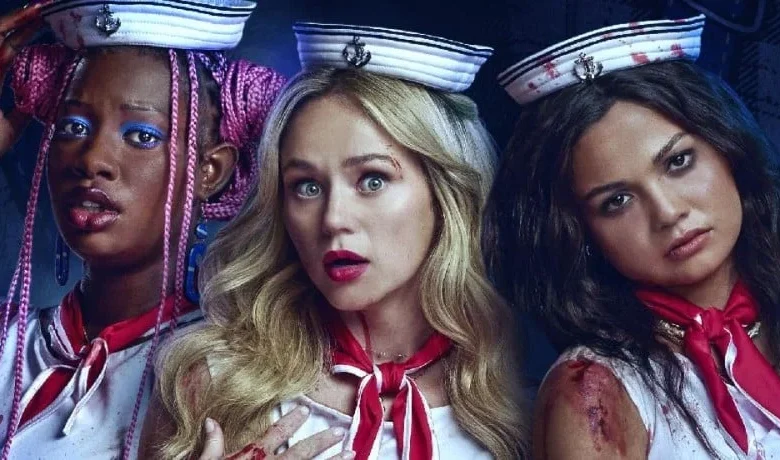
The modern landscape of horror comedy has found a vibrant new entry point with the premiere of Buzzkill, a slasher feature now streaming for free on Tubi as part of the platform’s extensive Terror on Tubi hub. Directed by Jem Garrard—known for R.L. Stine’s Pumpkinhead—and written by Suzanne Keilly, whose previous credits include the 2021 reboot of Slumber Party Massacre, Buzzkill blends traditional genre tropes with sharp, self-aware humor. The narrative centers on a group of sorority sisters attempting to survive a relentless, revenge-seeking killer. The twist rests on the shoulders of Nora, a hard-partying character played by Siena Agudong, whose alcohol-induced blackouts paradoxically serve as the key to unlocking the murderer’s identity. As Nora discovers, the more intoxicated she becomes, the more her tipsy recollections reveal vital clues regarding the carnage unfolding around her.
Behind the vibrant aesthetic, chaotic energy, and high-concept kills of Buzzkill lies an intricate orchestration of practical effects, prosthetic artistry, and cross-departmental collaboration. Key figures in bringing this heightened world to life are makeup and prosthetic designers Marli Kruger and Natasha du Toit. In recent interviews, the two artisans detailed the rigorous logistical planning, pop-culture inspirations, and technical challenges required to execute the film’s memorable practical gore sequences and distinct character styling.
Pre-Production Logistics and the Art of the Practical Kill
Creating gruesome, highly stylized cinematic kills requires a meticulous synchronization of efforts across multiple film departments, leaving little room for improvisation on shooting days. According to Marli Kruger, the foundation of every death sequence in Buzzkill was laid long before cameras rolled, initiated by comprehensive "Wounds and Kills" production meetings.
These planning sessions brought together direction, stunt coordination, prop mastery, costume design, and makeup FX teams to meticulously break down every sequence. Discussions centered on camera framing, logistical time constraints, practical reset limitations, and the precise execution required for each visual gag. Because practical blood effects and prosthetic appliances frequently demand extensive cleaning and resetting of both actors and set dressings, director Jem Garrard strategically captured non-gore story beats first to maximize shooting efficiency.
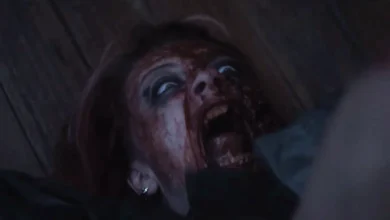
Natasha du Toit emphasized the intentional reliance on practical effects over digital manipulation. Rather than depending on camera angles or post-production computer-generated imagery to "sell" a violent moment, the production prioritized tactile, physical effects. This approach not only provided the actors with tangible textures and physical reactions to work against but also preserved the visceral atmosphere characteristic of classic horror cinema.
The execution of these physical gags often demanded complex engineering. As du Toit explained, many kills relied on specialized blood rigs designed by the Special Effects (SFX) team, paired with custom weapon rigs fabricated by the props department. To ensure actor comfort and safety during intense physical sequences, the prosthetics team produced miniature body-part life-casts, allowing prop makers to mold weaponry directly to the performers’ physiques. On set, rapid execution was paramount, with turnaround times frequently restricted to brief windows to preserve the singular, high-impact nature of initial blood sprays.
Subverting Slasher Tropes Through Aesthetic and Character Design
Buzzkill engages directly with established slasher conventions, subverting familiar tropes through heightened visual storytelling and distinct character differentiation. When conceptualizing the look of the film’s violence and overall aesthetic, Kruger drew inspiration from satirical and horror-comedy touchstones such as Scream Queens and the Scream franchise. These references provided a template for balancing genuine terror with absurd humor, while honoring the practical effects tradition of the horror genre.
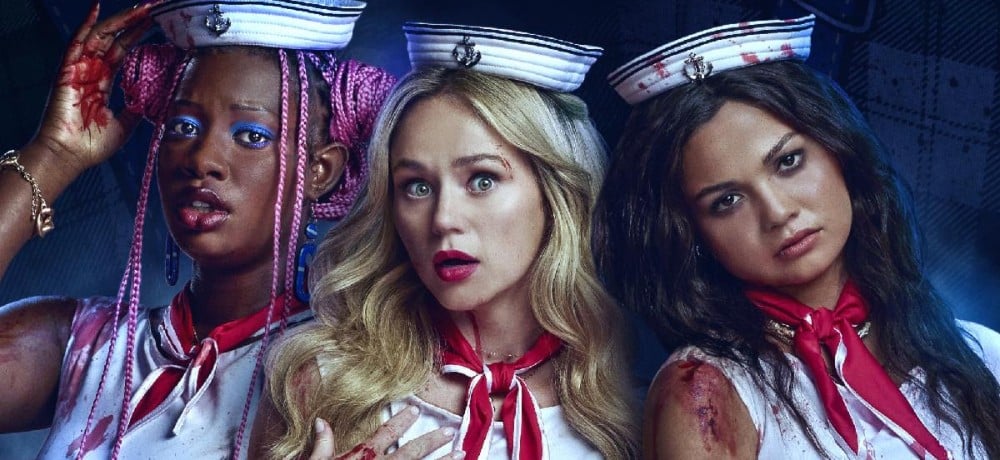
Character distinction within the expansive sorority cast was achieved through a collaborative process bridging script analysis, mood boarding, and costume design. By reviewing the text and incorporating the unique traits brought by the cast members, the makeup department established distinct visual identities for each student, ensuring the audience could easily track individual fates amid the chaos.
One of the standout design challenges of the production involved the introduction of a group of clown-themed antagonists. Directed by Jem Garrard to evoke familiar pop-culture clown archetypes while maintaining originality, the sequence required a division of labor between Kruger, who managed hair styling and custom wigs, and du Toit, who sculpted and fabricated the prosthetic appliances.
Technical Challenges: Navigating Nora’s Multi-Layered Perspectives
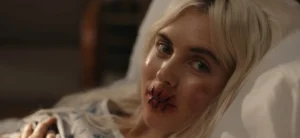
A central narrative mechanic of Buzzkill involves Nora’s "buzz," functioning simultaneously as a narrative device and a visual puzzle. The film plays with blurred vision and fragmented memories, presenting unique continuity challenges for the makeup and continuity teams.
Kruger highlighted a specific sequence type where director Garrard utilized the protagonist’s point of view to place multiple iterations of the character within a single frame. On certain days, the production managed three distinct versions of Nora simultaneously: Siena Agudong, a picture double, and a stunt double. Because these scenes required varying degrees of visible intoxication, disheveled hair, and blood spatter, the makeup team had to execute rapid transformations on set. While matching continuity perfectly under these conditions presented obstacles, the subjective nature of the protagonist’s flashbacks provided a degree of stylistic flexibility.
Despite the physical discomfort inherent in wearing theatrical blood—which can become sticky, cold, and rigid over long shooting hours—the cast maintained high morale. Kruger praised the performers for their patience during continuous touch-ups required to keep gore looking fresh across extended scheduling blocks.
Broader Implications and Streaming Distribution Strategy
The release of Buzzkill underscores a broader industry shift toward streaming-first horror distribution, particularly through platforms dedicated to niche genre fandoms. By anchoring the film’s release within the Terror on Tubi programming block, the production leverages a curated ecosystem designed to capture horror enthusiasts year-round. This distribution model allows mid-budget genre features to bypass traditional theatrical bottlenecks, connecting directly with targeted audiences while capitalizing on seasonal viewing spikes, such as the Halloween holiday window.
For aspiring effects artists and Halloween enthusiasts, Kruger and du Toit offered professional insights drawn from their work on the film. Emphasizing the importance of layering, Kruger noted that realistic injuries require a complex build-up of tones, textures, and bruising rather than a uniform application of synthetic blood. Furthermore, attention to anatomical accuracy, gravity, and product safety remains paramount. Du Toit echoed these sentiments with a practical maxim for seasonal costuming: selecting high-quality products prevents skin irritation and discomfort, ensuring that the physical residue of a night of celebration does not outlast the event itself.
Buzzkill is currently available to stream for free on Tubi, offering audiences a comedic and blood-soaked addition to contemporary slasher cinema.