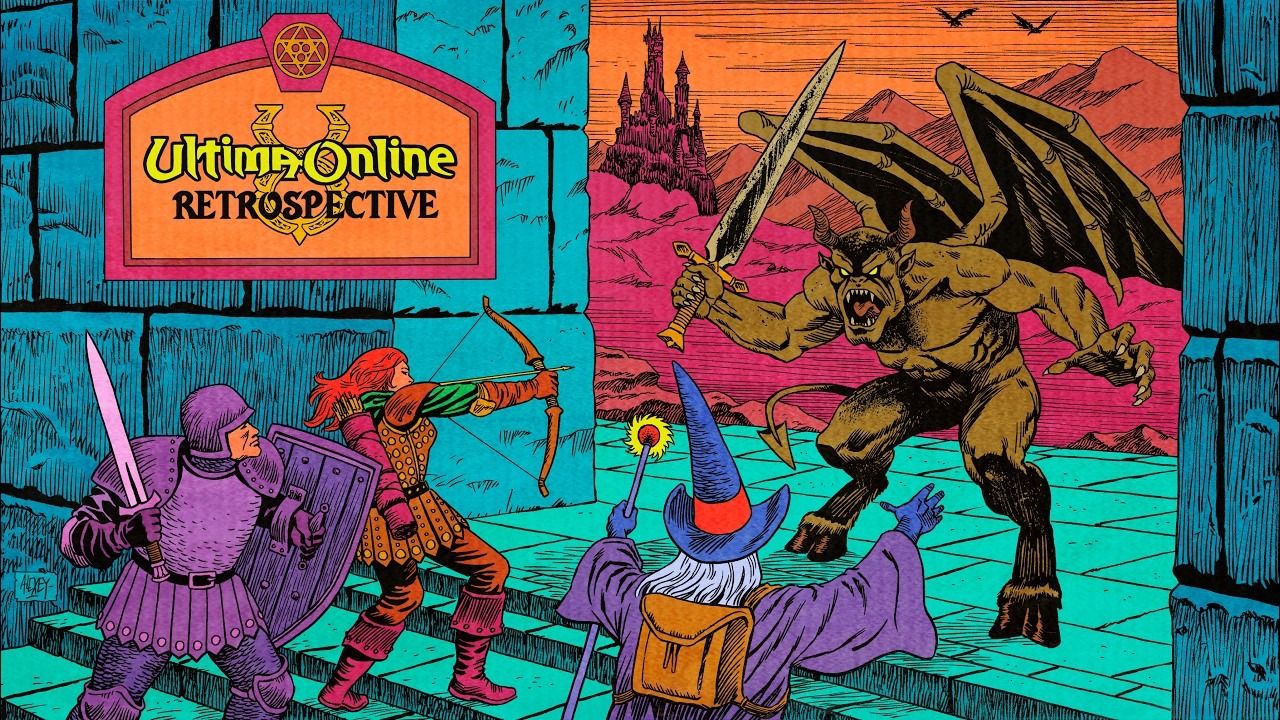
Drop everything and grab the popcorn: Majuular’s 4.5-hour documentary on Ultima Online is here to devour your…

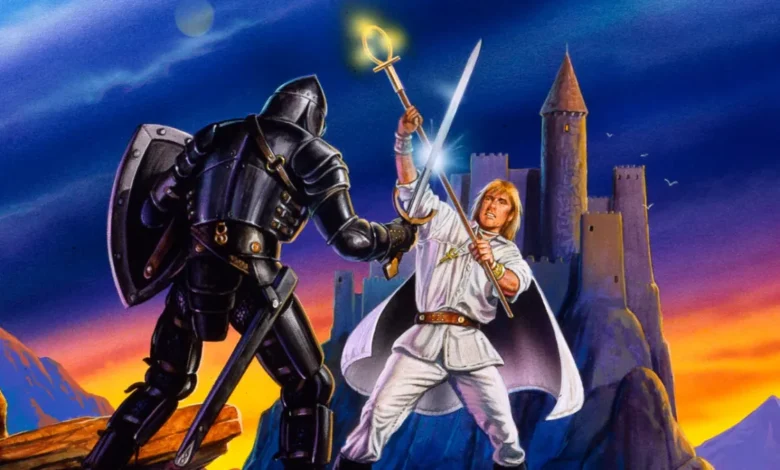
The Genesis of a Digital Frontier
To understand the significance of this documentary, one must consider the landscape of the mid-1990s. Before the launch of Ultima Online in 1997, the concept of a persistent, graphical online world populated by thousands of simultaneous players was largely theoretical. Under the leadership of Richard Garriott, the creator of the Ultima series, and producer Starr Long, Origin Systems sought to translate the high-fantasy ethos of the Ultima franchise into a social, interconnected space.
The project was not merely a technical challenge; it was a philosophical experiment. The team, which notably included Raph Koster—a visionary designer who would later become a leading voice in game design theory—faced the monumental task of balancing player freedom with the limitations of 1990s internet infrastructure. The documentary traces how these pioneers navigated the "wild west" era of the internet, where griefing, economy management, and player-driven narratives were being invented in real-time.
A Chronology of Virtual Innovation
Majuular’s retrospective provides a structured timeline that contextualizes the evolution of the game. Key milestones covered in the documentary include:
- 1995–1996: Conceptualization and Beta Testing: The period where the team struggled to reconcile the single-player Ultima experience with the unpredictability of human social interaction.
- September 1997: Commercial Launch: The release of Ultima Online, which surprised the industry by achieving over 100,000 subscribers in its first year—a staggering figure for the era.
- 1998–2000: The Era of Emergent Gameplay: The period where player-versus-player (PvP) mechanics, house building, and complex crafting systems cemented the game’s reputation.
- The Post-Garriott Transition: The departure of core leadership and the shift in management under Electronic Arts, which fundamentally altered the game’s trajectory and design philosophy.
By analyzing these eras, the documentary illustrates how Ultima Online became a prototype for every major MMORPG that followed, including EverQuest, World of Warcraft, and Star Wars Galaxies.
Data-Driven Analysis of the MMORPG Boom
The impact of Ultima Online is best understood through its influence on industry growth. In the late 90s, UO was the standard-bearer for a nascent market. According to historical industry reports from that period, the game helped validate the subscription-based business model for online services, proving that users were willing to pay a monthly fee to inhabit a persistent virtual environment.
At its peak, the game boasted over 250,000 active subscribers. While these numbers are dwarfed by modern titles like World of Warcraft or Final Fantasy XIV, the economic footprint of UO was profound. The game’s economy—a complex ecosystem of player-manufactured goods and resources—served as an early case study for digital economists. The documentary delves into the systemic challenges of these economies, particularly the impact of hyperinflation and the rarity of certain digital assets, which continue to be studied by game developers today.
The Preservation of Digital Heritage
A recurring theme in Majuular’s work is the importance of digital preservation. As many official servers for older games are shuttered or updated beyond recognition, fan-run projects have stepped in to keep history alive. The retrospective highlights the In Mani Ylem server, which seeks to provide an authentic, "era-accurate" experience for players.
This trend toward server preservation is an essential development in the gaming industry. It addresses the "lost media" problem, where the original vision of a game becomes inaccessible due to software obsolescence. By highlighting these private servers, the documentary acts as a bridge, allowing modern gamers to interact with the same code and constraints that defined the online experience for millions in 1997.
Critical Reception and Cultural Impact
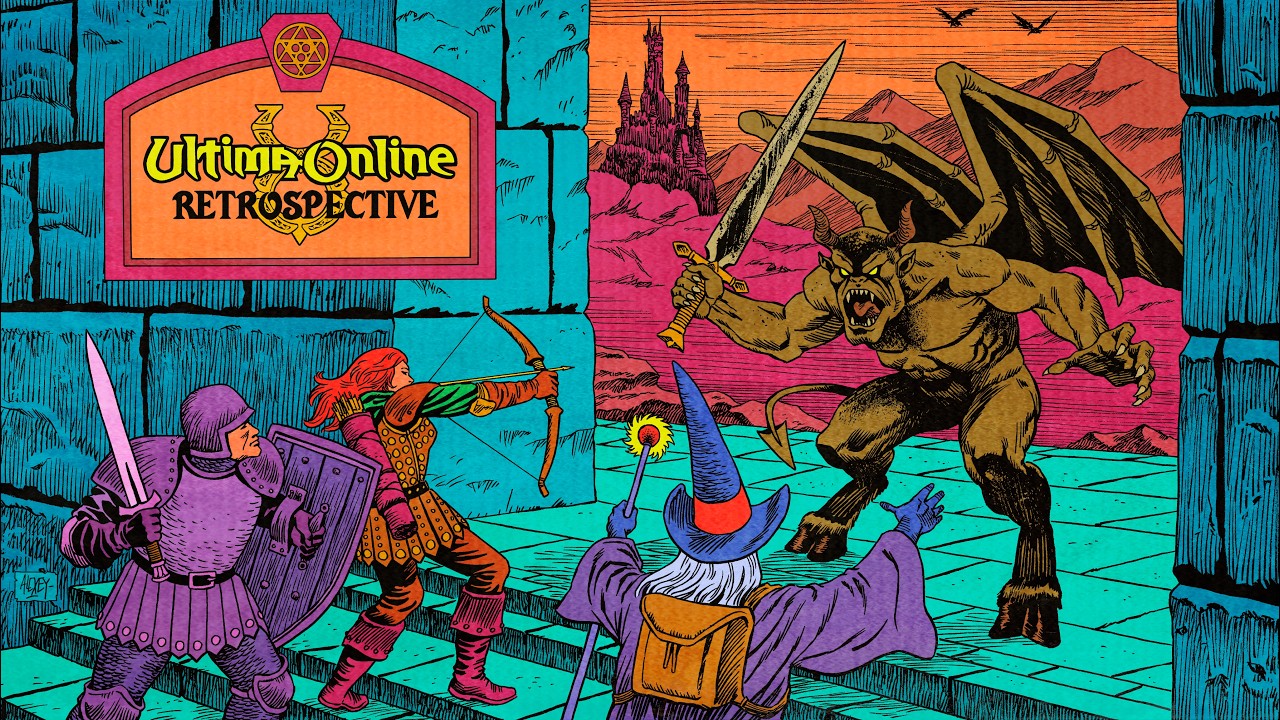
The broader impact of the Ultima series, and by extension this documentary, lies in its role as a vessel for gaming history. Majuular’s project has spanned over two years and resulted in more than 20 hours of content, a level of commitment rarely seen in video essay production. This depth has attracted a massive following, with the creator amassing over 200,000 subscribers.
Industry observers note that this type of "fastidious, affectionate critique" serves a vital function. By documenting the "dirty work" of playing these games—navigating bugs, outdated interfaces, and brutal learning curves—the documentary provides an honest look at the development struggles of the late 20th century. It humanizes the developers who worked under immense pressure to deliver an experience that, at the time, had no roadmap or precedent.
Implications for Modern Game Design
The analysis provided by the retrospective serves as a cautionary tale and a guide for contemporary developers. The core tensions present in Ultima Online—such as the conflict between "sandbox" freedom and "themepark" guidance—remain the central debates in modern RPG design.
When examining the trajectory of Ultima Online, analysts point to the "identity shift" the game underwent. As the market matured, the pressures of accessibility often clashed with the core design principles that made UO unique. The documentary argues that this tension is not a sign of failure but a symptom of a genre attempting to scale to a broader audience. Understanding this pivot is essential for any developer looking to design multiplayer experiences that prioritize player agency and long-term community retention.
Conclusion: A Legacy Reaffirmed
As the Ultima series moves toward its final chapters in this documentary format, the significance of the work becomes increasingly clear. Majuular’s retrospective does more than just recount the history of a single game; it creates a holistic understanding of how an idea—often born from nothing more than a prototype and a vision—can reshape the digital landscape.
For the audience, the retrospective offers a chance to look back at the origins of the social internet. For the industry, it provides a comprehensive archive of the decisions, failures, and triumphs that built the foundation of modern digital interaction. Whether one is a veteran of the original Britannia or a modern gamer curious about the roots of the genre, the documentary stands as a testament to the enduring power of the Ultima legacy. The story of Ultima Online is not just about the game itself, but about the transition from isolated gaming to the interconnected, persistent digital worlds that now form the backbone of modern interactive entertainment.
Related posts: