Marvel Age of Comics: Ytasha L. Womack on the nature of “Miles Morales” Exploring his connections to music, Afrofuturism and Brooklyn NY

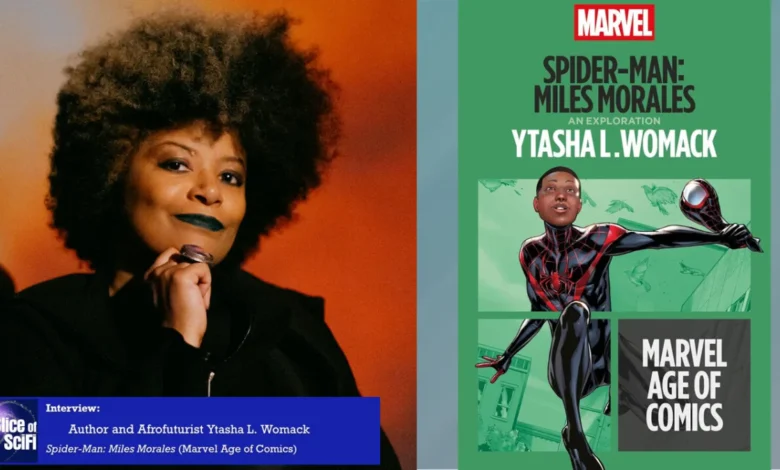
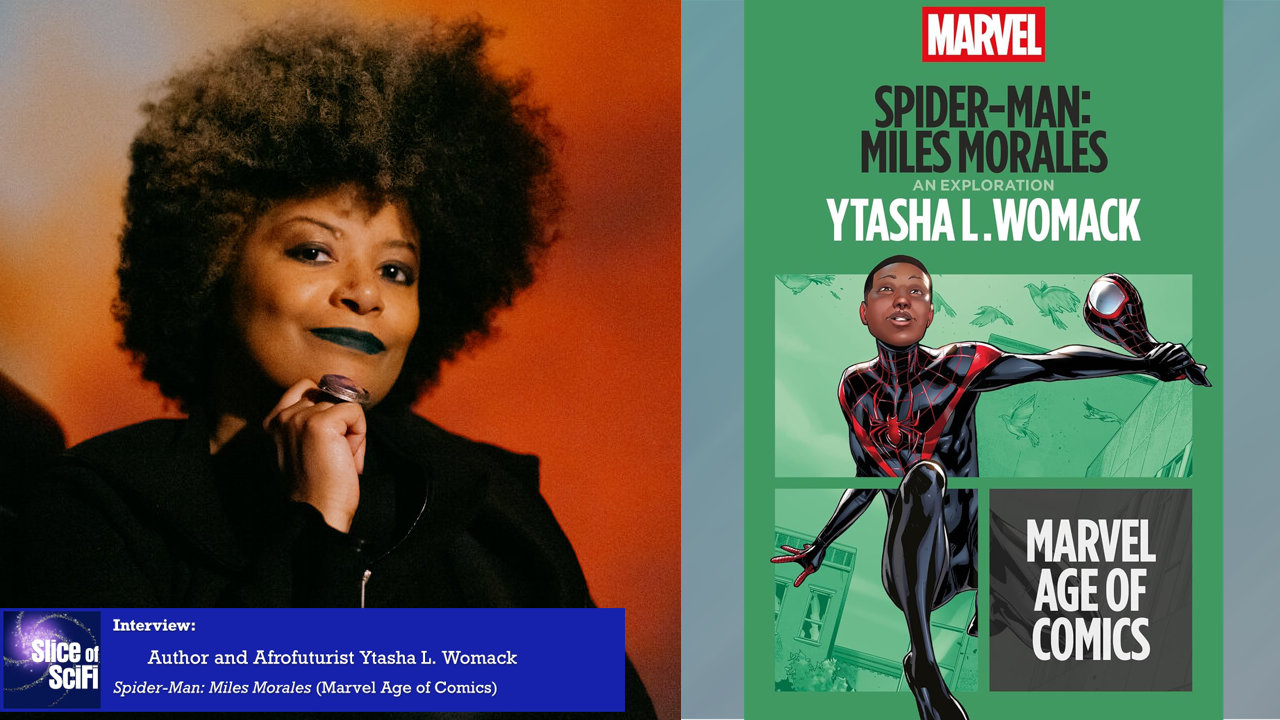
The cultural phenomenon of Miles Morales as Spider-Man continues to resonate deeply across contemporary media, a topic thoroughly dissected in the latest installment of the Slice of SciFi podcast. Award-winning author, filmmaker, and leading Afrofuturist theorist Ytasha L. Womack recently sat down to discuss her new book, Spider-Man: Miles Morales, published as part of Bloomsbury Academic’s prestigious "Marvel Age of Comics" series. Womack’s analytical deep dive into the character uncovers hidden dimensions of the beloved web-slinger, specifically his intrinsic ties to music, the cultural geography of Brooklyn, New York, and the foundational tenets of Afrofuturism.
Main Facts and the Bloomsbury "Marvel Age of Comics" Series
Bloomsbury Academic’s "Marvel Age of Comics" series is designed to critically evaluate the historical, cultural, and literary impact of Marvel’s most iconic heroes. By commissioning leading scholars, critics, and creative professionals to write dedicated volumes, the publisher bridges the gap between pop culture fandom and rigorous academic analysis. Womack’s contribution focuses on Miles Morales—a character created by writer Brian Michael Bendis and artist Sara Pichelli, who first debuted in Ultimate Fallout #4 in August 2011.
Unlike previous entries in academic comic studies that often generalize superhero tropes, Womack’s book zeroes in on the specific sociocultural framework that makes Miles unique. During her podcast appearance, she detailed how her personal discovery of the character led to a broader academic and artistic inquiry. She explored the subtle, yet deeply intentional, connections woven into the character’s narrative—connections linking his heroism to the rhythm of music, the vibrant tapestry of Brooklyn, and a modern reimagining of what it means to be a superhero of color in the 21st century.
Chronology of a Cultural Icon: From Ultimate Universe to Global Phenomenon
To understand the weight of Womack’s analysis, it is essential to examine the chronology of Miles Morales’s rise within the Marvel canon:
- August 2011: Following the fictional death of Peter Parker in the Ultimate Marvel imprint, a half-Black, half-Puerto Rican teenager from Brooklyn named Miles Morales takes up the mantle of Spider-Man.
- 2015: Following Marvel’s "Secret Wars" crossover event, Miles Morales is integrated into the mainstream Marvel Universe (Earth-616), cementing his status as a permanent fixture in Marvel’s core continuity alongside Peter Parker.
- December 2018: Sony Pictures Animation releases Spider-Man: Into the Spider-Verse, a visually groundbreaking film starring Miles Morales that wins the Academy Award for Best Animated Feature and grosses over $384 million worldwide. The film introduces a mainstream global audience to the specific cultural markers of Miles’s identity, including his soundtrack choices and Brooklyn upbringing.
- November 2020: Insomniac Games releases Marvel’s Spider-Man: Miles Morales for the PlayStation 4 and PlayStation 5, becoming one of the best-selling launch titles for the next-generation console and further embedding the character into interactive media.
- June 2023: Spider-Man: Across the Spider-Verse hits theaters, expanding on Miles’s struggle to balance his personal identity, familial expectations, and multiversal responsibilities, grossing over $690 million globally.
- Present: Scholarly works like Ytasha L. Womack’s Spider-Man: Miles Morales mark a transition in comic book culture, where modern heroes are subjected to rigorous literary and sociological examination by top-tier intellectuals.
Background Context: Peter Parker Versus Miles Morales
A central pillar of Womack’s discussion centers on the contrasting support systems and life pressures experienced by Peter Parker versus Miles Morales. While Peter Parker’s origin story is rooted in the quintessential mid-20th-century white middle-class experience in Forest Hills, Queens—primarily supported by Aunt May and Uncle Ben—Miles navigates a vastly different modern landscape.
Miles operates within a tight-knit, multi-ethnic family structure, featuring his African American father, Jefferson Davis (a police officer), and his Puerto Rican mother, Rio Morales (a nurse). This dynamic introduces unique socioeconomic and familial nuances into Miles’s daily life. Womack highlights how Miles must juggle the expectations of a contemporary, diverse urban family while concealing his secret identity, attending a prestigious boarding school, and facing systemic pressures that Peter Parker, as a white male in a different era, never had to navigate.
Furthermore, the backdrop of Brooklyn plays an active, almost character-driven role in Miles’s journey. Brooklyn is not merely a setting; it is a cultural incubator. Womack’s research identifies how the borough’s rich history of hip-hop, street art, and multicultural community spaces directly inform Miles’s rhythm, moral compass, and aesthetic choices.
The Intersection of Music, Afrofuturism, and Superhero Lore
As an authority on Afrofuturism—a cultural aesthetic and philosophy that explores the intersection of African diaspora culture with technology, science fiction, and magic—Womack applies a specialized lens to Miles Morales. Afrofuturism reclaims spaces where people of color have historically been marginalized, projecting them into dynamic futures and vibrant present-day realities.
In Spider-Man: Miles Morales, music serves as a bridge between his cultural heritage and his heroic identity. Whether it is the soundtrack of the Spider-Verse films curated with hip-hop and Latin beats, or the physical rhythm with which Miles moves through the urban environment, music acts as his sixth sense. Womack argues that these auditory cues are not decorative; they are foundational to his resilience and his unique approach to problem-solving. Where classic superheroes often rely on stoic, classical heroism, Miles’s movements mirror the syncopation, improvisation, and innovation inherent in jazz and hip-hop.
Broader Impact and Industry Implications
The publication of Womack’s book by Bloomsbury Academic reflects a broader shift in the literary and academic evaluation of comic books. Once dismissed as disposable children’s entertainment, comic books are now recognized as complex mythologies that mirror societal anxieties, triumphs, and demographic shifts.
The conversation on Slice of SciFi also touched upon related works in the cultural study of Black masculinity in comics, referencing the documentary White Scripts and Black Supermen: Black Masculinities in American Comic Books (accessible via Kanopy) and Womack’s own graphic novella, Black Moon Ritual (published by AWA Studios). These works collectively illustrate a growing demand for nuanced storytelling that centers creators and subjects from diverse backgrounds.
By analyzing Miles Morales through the frameworks of music, urban geography, and Afrofuturism, Womack elevates the discourse surrounding modern comic book characters. Her book suggests that Miles is more than just a demographic milestone or a marketing success for Marvel; he is a complex cultural artifact who redefines what a modern American hero looks, sounds, and moves like. As academic institutions and publishers continue to invest in deep-dive analyses of pop culture icons, works like Spider-Man: Miles Morales ensure that the cultural evolution of the comic book medium is thoroughly documented, critiqued, and celebrated for generations to come.