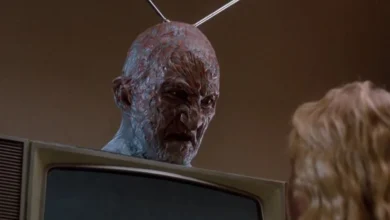
The Creep Tapes Season 3 Premieres on Shudder and AMC Plus Bringing Back Mark Duplass and His Unsettling Wolf Mask Persona

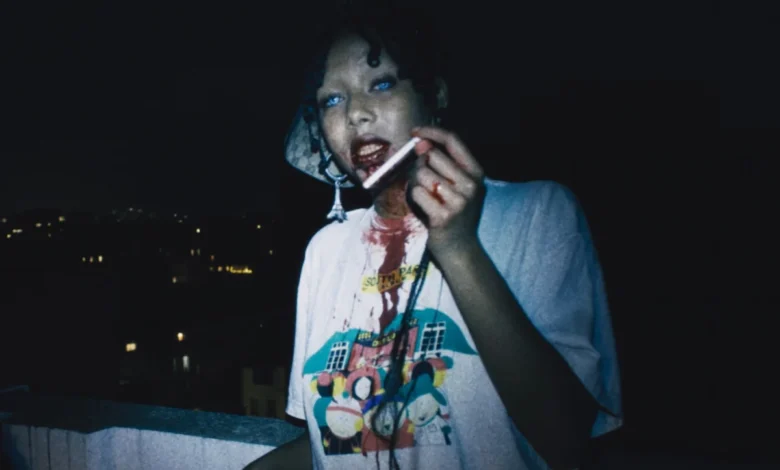
The landscape of contemporary television horror has long relied on high-concept premises, supernatural threats, and elaborate visual effects to generate terror. However, a select group of independent creators continues to prove that the most visceral dread often emerges from the quietest, most mundane human interactions. Shudder and AMC+ have officially premiered the first two episodes of the third season of The Creep Tapes, continuing the found-footage anthology’s distinct tradition of weaponizing awkward small talk, polite social obligations, and unassuming classified ad encounters.
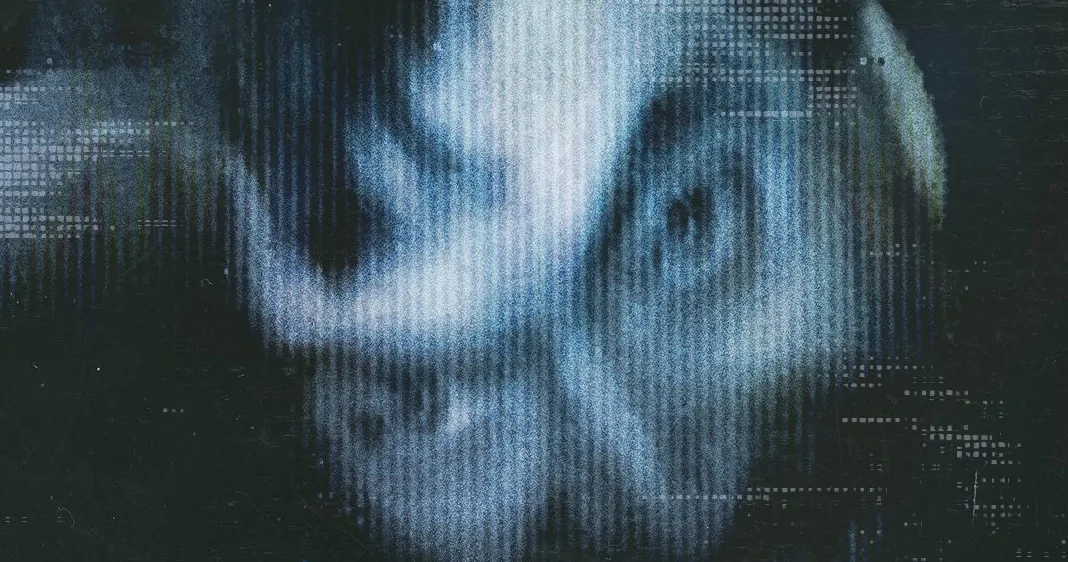
For fans of modern psychological horror, the return of the series marks another chapter in an ongoing exploration of uncomfortably intimate evil. Mark Duplass reprises his role as the elusive, deeply unsettling antagonist known variously across the franchise as Josef, Aaron, Bill, David, and to a devoted online fanbase, simply "Peachfuzz." Donning his signature grinning wolf mask, the character once again utilizes the guise of an eccentric hobbyist or documentary subject to lure unsuspecting targets into seemingly innocuous private spaces, meticulously documenting every psychological breakdown and physical confrontation through the lens of a handheld camera.
Behind the camera, series co-creator Patrick Brice has returned to direct all six episodes of the current season. Brice and Duplass share writing duties, maintaining the creative continuity that has defined the property since its inception as a pair of critically acclaimed feature films before transitioning into a serialized streaming format. While the foundational DNA of the franchise remains intact—anchored by prolonged sequences of excruciating social tension that curdle into lethal peril without warning—the third season introduces a broader narrative ambition, promising to expand significantly upon the psychological architecture of its central monster.

Expanding the Cast and Delving Into Lore
While previous iterations of The Creep Tapes relied heavily on a localized, two-hander dynamic between the killer and a single victim, the third season broadens its dramatic scope by introducing a notable roster of guest stars. Kate Siegel, Nic Hamilton, and Elliott Fullam join the ensemble, bringing fresh victims and reluctant confidants into the killer’s meticulously curated orbit. Furthermore, the casting of Ora Duplass signals a notable narrative detour, featuring prominently in a dedicated throwback episode designed to excavate the distant history of the enigmatic killer.
According to statements from Mark Duplass, the primary objective of the third season is to "dive more into the lore" of the character. For years, viewers have debated the motivations, origins, and psychological triggers of the man behind the wolf mask. While the earlier films and initial seasons of the anthology deliberately kept the antagonist’s background shrouded in ambiguity to heighten the mystery, the new episodes take calculated steps toward addressing fundamental questions regarding his pathology. Why does he operate this way? What compels him to document his crimes under the guise of artistic collaboration or friendly documentation?
Despite this deeper dive into the character’s history, creators Duplass and Brice have assured audiences that the core tension of the viewing experience remains unaltered. The episodes continue to exploit social norms, demonstrating how individuals routinely ignore internal alarm bells out of politeness, fear of awkwardness, or a desire to be accommodating—vulnerabilities that the killer exploits with chilling precision.
Release Schedule and Distribution Strategy
The rollout of The Creep Tapes Season 3 follows a measured weekly release schedule designed to sustain audience engagement across the streaming platforms. Following the simultaneous debut of the first two episodes, the remaining four installments will premiere in pairs on consecutive Tuesdays, culminating in the season finale on September 29.
This episodic distribution model reflects a broader strategic shift within specialty streaming services like Shudder and AMC+. Rather than employing a traditional binge-release model that encourages rapid consumption followed by immediate viewer churn, serialized weekly drops allow horror communities time to dissect narrative developments, analyze subtext, and foster online discussions regarding the fate of each episode’s unfortunate subjects.
The Evolution of the Found-Footage Format

To understand the cultural resonance of The Creep Tapes, one must examine the evolution of the found-footage subgenre over the past two decades. Popularized commercially by films like The Blair Witch Project and later modernized by Paranormal Activity, the format eventually suffered from market saturation, often characterized by shaky-cam aesthetics, supernatural tropes, and repetitive narrative structures.
Creep (2014) and its sequel Creep 2 (2017) revitalized the subgenre by pivoting away from the paranormal and toward psychological realism. By framing the horror through the lens of digital video diaries, the films capitalized on contemporary anxieties surrounding modern loneliness, the gig economy, the perils of meeting strangers via online classified ads, and the omnipresence of recording devices.
When Shudder greenlit the concept as a television anthology, industry analysts questioned whether the specific claustrophobic tension of a feature film could successfully translate to an episodic format. However, the subsequent success of the series proved that audiences remained deeply receptive to character-driven terror. The anthology format allows Brice and Duplass to experiment with different interpersonal dynamics, varying power imbalances, and distinct psychological triggers while maintaining the overarching framework of a single, deeply unstable protagonist.
Critical Reception and Industry Implications

The premiere of the third season arrives during a period of sustained growth for specialized horror streaming platforms. Shudder, operating under the AMC Networks umbrella, has carved out a distinct market niche by catering directly to dedicated horror enthusiasts who demand high-concept original programming alongside classic genre retrospectives.
Industry observers note that the success of properties like The Creep Tapes demonstrates the viability of micro-budget, high-concept storytelling within a landscape increasingly dominated by expensive franchise intellectual property. By keeping production overhead relatively low and focusing intensely on script development, performance, and atmospheric tension, the creative team has established a sustainable blueprint for independent horror expansion.

Furthermore, the involvement of actors like Kate Siegel—a prominent figure in contemporary horror recognized for her work in projects helmed by Mike Flanagan—signals the growing prestige of the anthology series. Talent within the horror community frequently expresses a desire to participate in projects that prioritize intense, theatrical acting challenges over conventional action sequences. The extended two-person dialogue scenes characteristic of The Creep Tapes require a high degree of improvisational skill and theatrical discipline, making the series an appealing vehicle for respected genre performers.
Broader Cultural Context and Psychological Resonance

Beyond its technical execution and structural innovations, the enduring appeal of the Creep franchise lies in its uncanny reflection of modern social anxieties. In an era where digital communication often replaces face-to-face interaction, contemporary society places a high premium on politeness and the avoidance of conflict. People are routinely conditioned to suppress their instincts, ignore red flags, and override their internal fight-or-flight responses to avoid appearing rude or paranoid.
The antagonist of The Creep Tapes weaponizes this social conditioning against his victims. He presents himself as unthreatening, occasionally vulnerable, and deeply eager for connection. His victims frequently recognize that something is fundamentally wrong with the situation, yet they continue to smile, laugh nervously, and participate in the interaction because social convention demands civility. The horror of the series is not derived from sudden jump scares or monstrous apparitions, but from the agonizing realization that the victim’s own good manners are actively contributing to their entrapment.
By expanding upon the lore of the character in this third season, the creators run the risk of demystifying a villain whose primary power has always been his unknowability. However, initial reactions from the opening episodes suggest that the exploration of his history serves to deepen the psychological horror rather than diminish it. By examining the roots of his behavior, the series offers a darker reflection on the isolation and detachment that characterize contemporary digital life.
Looking Forward
As the remaining episodes of The Creep Tapes Season 3 roll out weekly through September 29, attention will inevitably turn to the trajectory of the broader franchise and the future of its creators. Patrick Brice and Mark Duplass have consistently demonstrated an ability to reinvent their signature property without losing the intimate, unsettling tone that initially captivated audiences over a decade ago.
For subscribers of Shudder and AMC+, the return of Peachfuzz provides a reliable, albeit nerve-wracking, anchor for the autumn television season. As the anthology continues to dissect the terrifying boundaries of human interaction, social obligation, and hidden darkness, it remains a defining touchstone for independent horror in the streaming era—proving once again that the most frightening monster in the room is often the one wearing a smile and holding a camera.