Why Godzilla Minus Zero Will Finally Deliver the Ultimate Kaiju Clash That King of the Monsters Left in the Dark

The upcoming release of Godzilla Minus Zero on November 3 in Japan and November 6 in North America has reignited intense fan discussion regarding the cinematic portrayal of giant monster battles. Recent promotional material released by Toho on September 8 features a familiar, unmistakable auditory cue—a thunderous roar underneath cascading gold lightning that veteran fans immediately trace back to 1964. This unmistakable signature heavily implies the return of King Ghidorah, the legendary three-headed golden dragon who has served as Godzilla’s most persistent adversary for six decades. Should this tease materialize into a full-fledged cinematic rematch, it would mark only the second live-action feature matchup between the two titans this century, following their 2019 clash in Legendary Pictures’ Godzilla: King of the Monsters. While the prospect of another titanic confrontation excites the global fanbase, it also brings to light lingering technical criticisms from the previous American-produced encounter, raising fundamental questions about how modern blockbuster scale is visually communicated to audiences.
Chronology and Background of the MonsterVerse Showdown
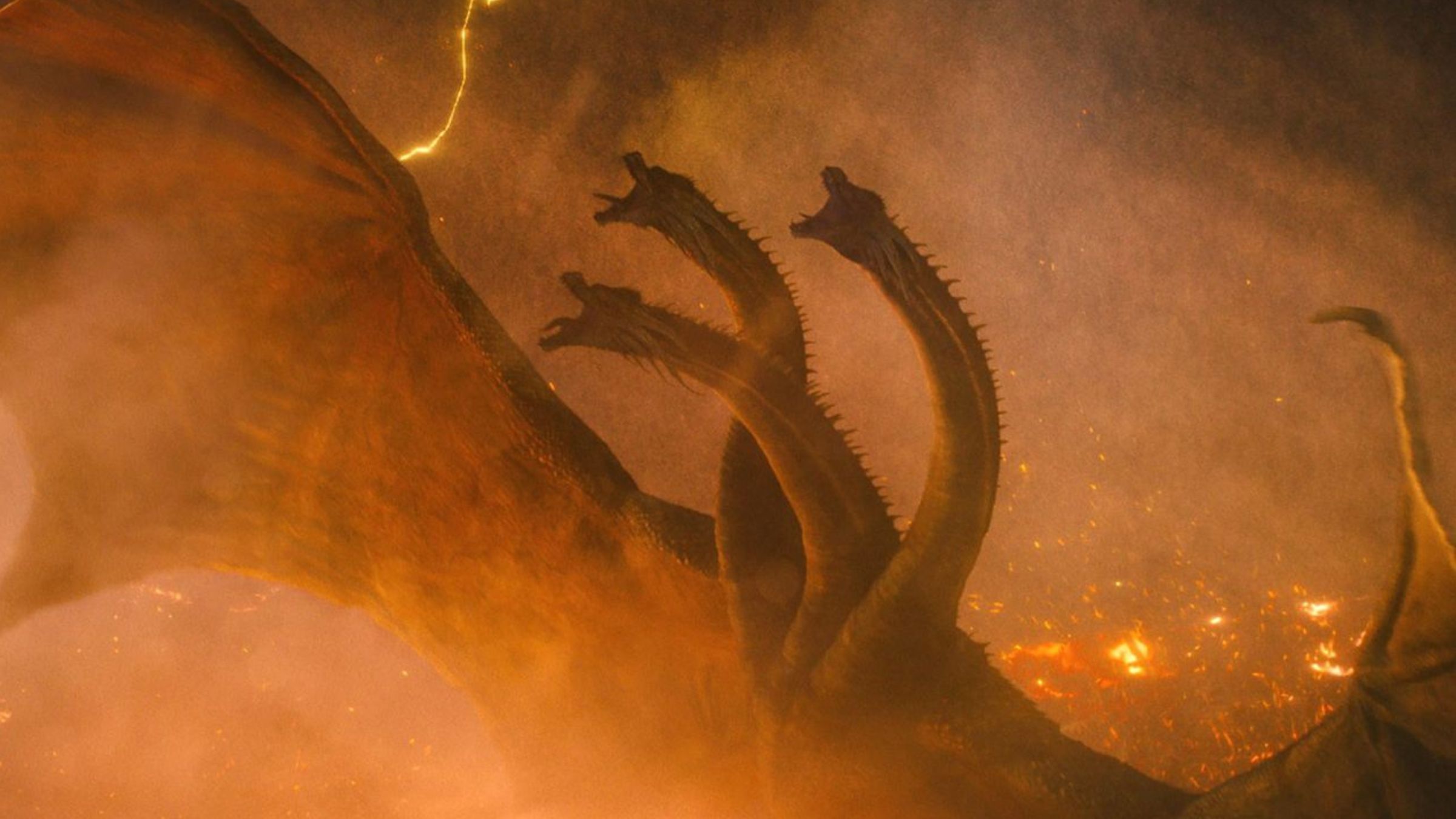
To understand the anticipation and anxiety surrounding a potential Godzilla and King Ghidorah rematch, one must examine the trajectory of the modern monster genre over the past decade. The contemporary cinematic landscape for Toho’s iconic kaiju split into two distinct streams following the launch of Legendary’s MonsterVerse with Gareth Edwards’s Godzilla in 2014. Edwards established a distinct aesthetic style built on scale, atmospheric dread, and visual obfuscation. Cinematographer Seamus McGarvey famously noted that monsters in the 2014 film were intentionally framed elliptically—immersed in dense fog, obscured by dust, and glimpsed only through brief flashes of lightning rather than fully illuminated.
This stylistic choice was amplified in the 2019 sequel, Godzilla: King of the Monsters, directed by Michael Dougherty. While the film successfully introduced classic Toho monsters like Rodan, Mothra, and King Ghidorah to the Hollywood franchise, its box office and critical reception suffered. The movie grossed approximately $387 million worldwide against a production budget estimated at around $170 to $200 million, falling short of studio expectations and landing a franchise-low 42% critical approval rating on Rotten Tomatoes from roughly 350 reviews. A significant portion of the audience and critical backlash centered not on the narrative complexity, but on the physical legibility of the monster action.
Anatomy of a Visual Problem: The 2019 Controversy
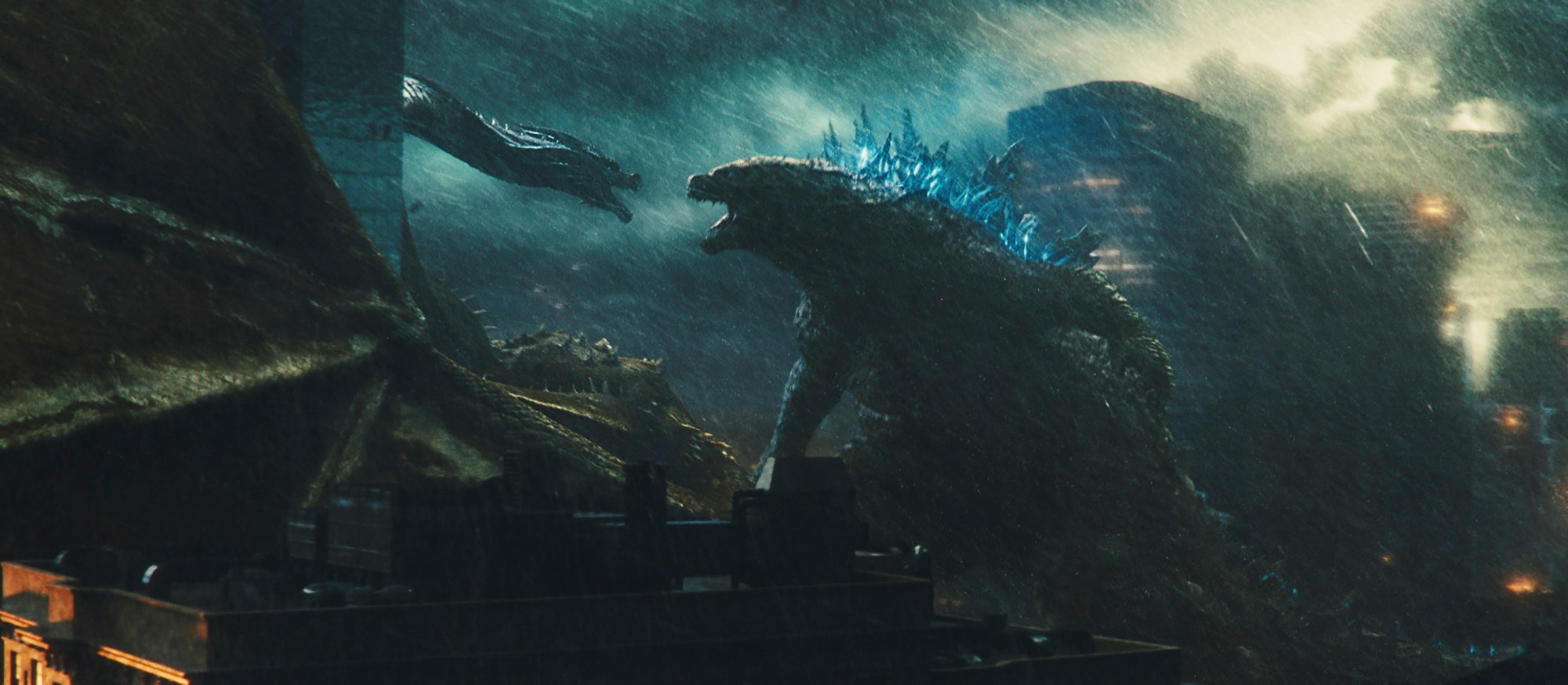
The climax of Godzilla: King of the Monsters takes place in a rain-soaked Boston during the dead of night, enveloped in a sprawling, unnatural meteorological tempest that the narrative spends hours establishing. Other set pieces rely heavily on dense volcanic ash and blinding snowstorms. While these environmental hazards added a layer of gritty realism, they severely compromised the clarity of the creature combat.
Rather than being an accidental byproduct of rushed post-production or budgetary constraints, the filmmakers deliberately engineered this visual obscurity. Cinematographer Lawrence Sher explained during the film’s theatrical run that interactive lighting was specifically designed to simulate relentless storms because the majority of the narrative and monster conflicts occurred within severe weather. Director Michael Dougherty similarly defended the stylistic choice, expressing concern that the increasing digitization of cinema was resulting in images that were "too clean and perfect," thereby diluting the atmospheric tension traditionally achieved through deep shadows, grain, and stark contrasts of light.
Despite these artistic justifications, the execution alienated a substantial portion of the ticket-buying public, many of whom voiced frustration at their inability to visually track the movements, scale, and anatomy of the combatants during the film’s most expensive and anticipated sequences.
Course Correction and the Evolution of Monster Cinema
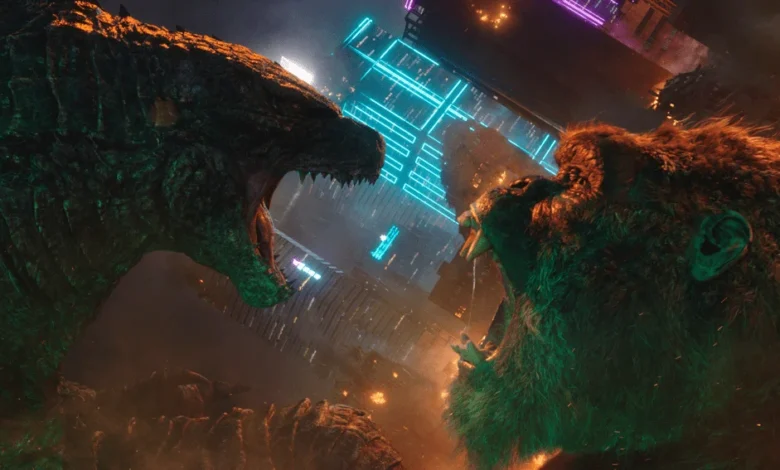
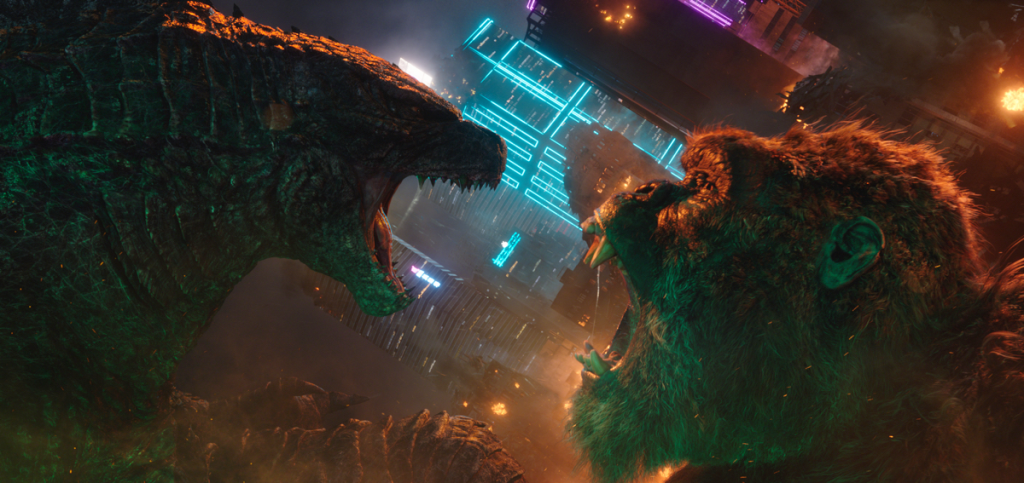
Recognizing the audience feedback regarding visual legibility, the MonsterVerse executed a sharp pivot in its subsequent installments. Godzilla vs. Kong, released in 2021 and directed by Adam Wingard, largely abandoned the perpetual gloom and heavy atmospheric storms of its predecessor. Instead, the film showcased its monumental clashes in brightly lit environments, including an opening battle on the open ocean in broad daylight and a climactic showdown set against the vibrant, neon-drenched backdrop of a hyper-stylized Hong Kong.
Reviewers and audiences immediately noted the intentional contrast, praising the film for its crisp, easy-to-follow choreography. Godzilla vs. Kong achieved a critical approval rating of 75% on Rotten Tomatoes and secured an "A" CinemaScore from audiences, making it the highest-graded theatrical release in the franchise’s American run. Its follow-up, Godzilla x Kong: The New Empire, continued this trend of high-visibility action by moving much of its conflict into the sunlit expanses of the Hollow Earth. Although the narrative received mixed reviews resulting in a 54% Rotten Tomatoes score, visibility remained a non-issue.
Despite these American franchise adjustments, Godzilla and King Ghidorah have not shared a screen since their obscured 2019 encounter. The prospect of a modernized rematch handled with contemporary techniques remains an unfinished chapter in modern monster cinema.
The Takashi Yamazaki Paradigm Shift
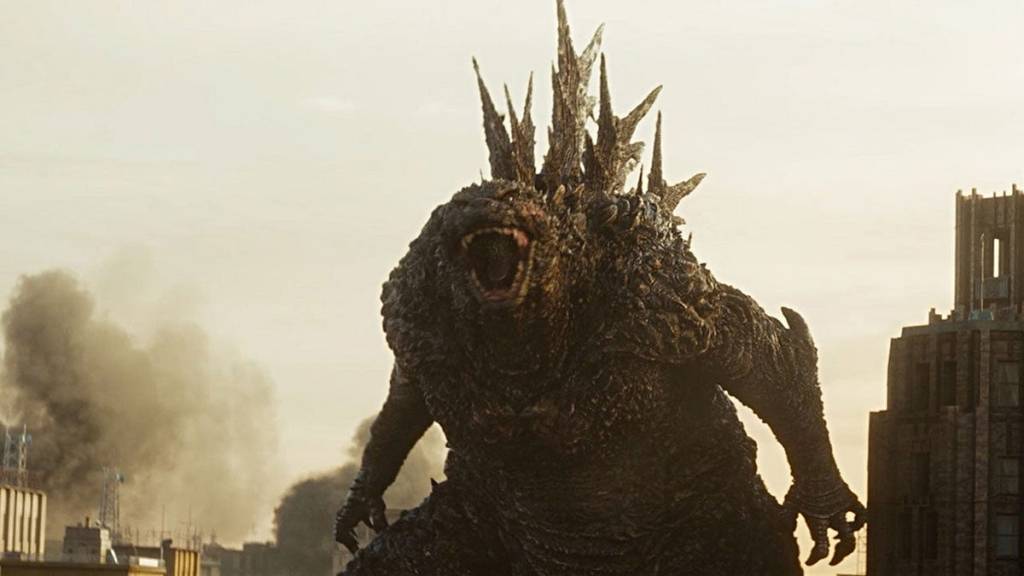
As Hollywood recalibrated its approach to monster visibility, Japanese productions were redefining what was visually possible on screen. Godzilla Minus One, written, directed, and featuring visual effects supervised by Takashi Yamazaki, became a global cultural and critical phenomenon following its late 2023 release. The film achieved an astonishing 99% critical approval rating on Rotten Tomatoes across more than 200 reviews and made history in March 2024 by winning the Academy Award for Best Visual Effects—marking the first Oscar win for the franchise in its seventy-year history.
While critics and fans heavily praised the film’s grounded post-war human drama and emotional resonance, its technical triumph lay in its commitment to visual clarity. Aside from a moody opening sequence on Odo Island, Yamazaki largely rejected the trope of hiding his titular monster in shadows or perpetual weather anomalies. The devastating Ginza attack occurs in the middle of a clear afternoon on a crowded urban thoroughfare, presenting Godzilla in full daylight from snout to tail. The sheer terror of the sequence stems not from concealment, but from inescapable, high-definition clarity.
Implications of Godzilla Minus Zero and the IMAX Standard
With Takashi Yamazaki returning to helm Godzilla Minus Zero—once again writing, directing, and overseeing the visual effects—the production standards are elevated even further. Crucially, Godzilla Minus Zero is confirmed as the first Japanese production ever officially shot "Filmed For IMAX," utilizing the towering 1.43:1 aspect ratio for key sequences.
This format represents the tallest and most demanding canvas in commercial exhibition. Large-format IMAX projection inherently rewards deliberate framing, sustained shots, and deep environmental scale, while ruthlessly punishing rapid, chaotic editing used to mask substandard digital effects or poor lighting. A filmmaker cannot easily hide subpar choreography behind quick cuts on a screen of that magnitude without inducing visual fatigue in the audience.
Yamazaki has previously emphasized that the true essence of Godzilla is realized when the creature is experienced within the immersive environment of a premium theatrical space. The recent promotional trailers suggest that Toho is prepared to deliver a spectacle that bridges classic kaiju combat with state-of-the-art cinematic precision.
Broader Industry Impact
The impending release of Godzilla Minus Zero serves as more than just a continuation of a legendary franchise; it acts as a compelling case study in the evolution of visual effects cinematography. By contrasting the storm-shrouded, polarizing aesthetics of 2019’s Hollywood blockbuster with the brightly lit, award-winning clarity established by Yamazaki, the industry demonstrates a growing consensus: modern audiences demand to see the scale and complexity of the monsters they pay to watch.
Whether the September 8 trailer’s golden lightning definitively signals a full-scale rematch between Godzilla and King Ghidorah remains a point of intense fan speculation. However, the technical framework being deployed ensures that if these two legendary titans do clash once again, every scale, horn, and atomic blast will be presented with absolute, unforgiving clarity. When Godzilla Minus Zero arrives in theaters this November, audiences will discover whether this new era of kaiju cinema successfully resurrects past rivalries into the dazzling light of day.