Xbox Strategy Under Scrutiny as Executives Clarify Future of Console Exclusives and Studio Restructuring Impact

The landscape of the video game industry is undergoing a period of profound transformation, and at the center of this shift is Microsoft’s Xbox division. Following a high-profile summer showcase and a series of jarring internal reorganizations, the company is attempting to navigate a dual reality: celebrating a robust pipeline of upcoming software while managing the fallout of massive workforce reductions and a shifting philosophy regarding console exclusivity. As the dust settles from the latest round of corporate restructuring, Xbox leadership has begun to speak more candidly about the criteria that determine which titles remain exclusive to the Xbox ecosystem and which will eventually migrate to competing platforms like the PlayStation 5 and Nintendo Switch.
The Executive Stance on Exclusivity
In a recent series of communications intended to stabilize the narrative surrounding the brand, Xbox Chief Strategy Officer Matthew Ball and Chief Content Officer Matt Booty provided insights into the company’s current roadmap. The primary concern among the Xbox faithful has been the perceived erosion of the "exclusive" brand, particularly after Microsoft ported several high-profile titles—including Sea of Thieves, Hi-Fi Rush, Pentiment, and Grounded—to rival consoles earlier this year.
Addressing these concerns, Matthew Ball emphasized that the concept of exclusivity remains a pillar of the Xbox business model, even as the boundaries become more porous. "I can assure you, Gears of War: E-Day and Clockwork Revolution are not the only titles we’re planning," Ball stated, reaffirming that the company recognizes the necessity of "must-have" software to drive hardware sales and Game Pass subscriptions. He noted that to grow a platform of Xbox’s scale, exclusive games and services are essential components that provide a unique value proposition to the consumer.
However, Matt Booty added a layer of complexity to this stance. While there has been an industry-wide assumption that Microsoft would bifurcate its library—keeping single-player narrative games exclusive while sending multi-player live-service games to all platforms—Booty cautioned against such rigid categorization. He suggested that the strategy is fluid and that the company "wouldn’t overly fixate on single-player" as a definitive marker for exclusivity. This ambiguity suggests that Microsoft is moving toward a case-by-case evaluation process, often referred to internally and by industry insiders as "Project Latitude."
The Gears of War: E-Day Controversy
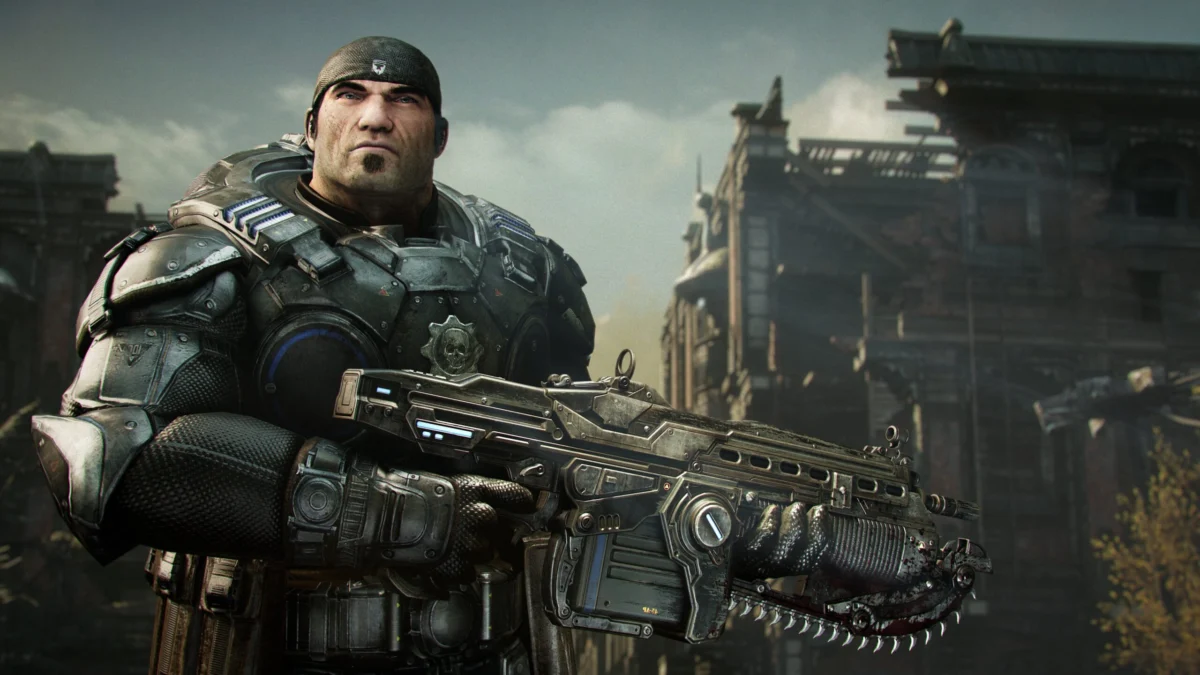
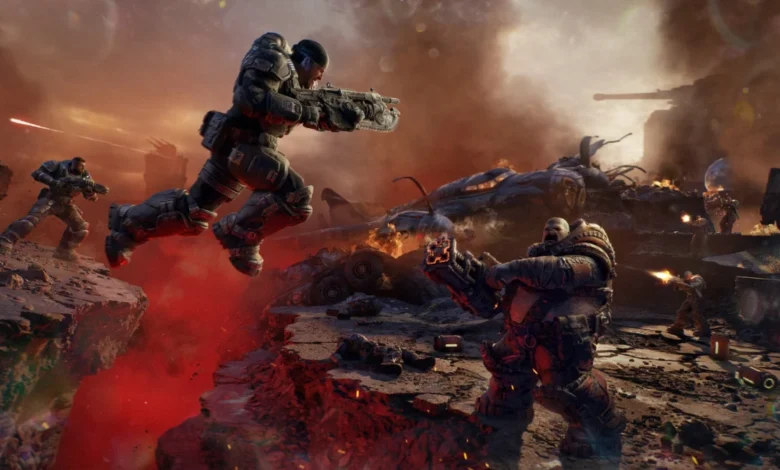
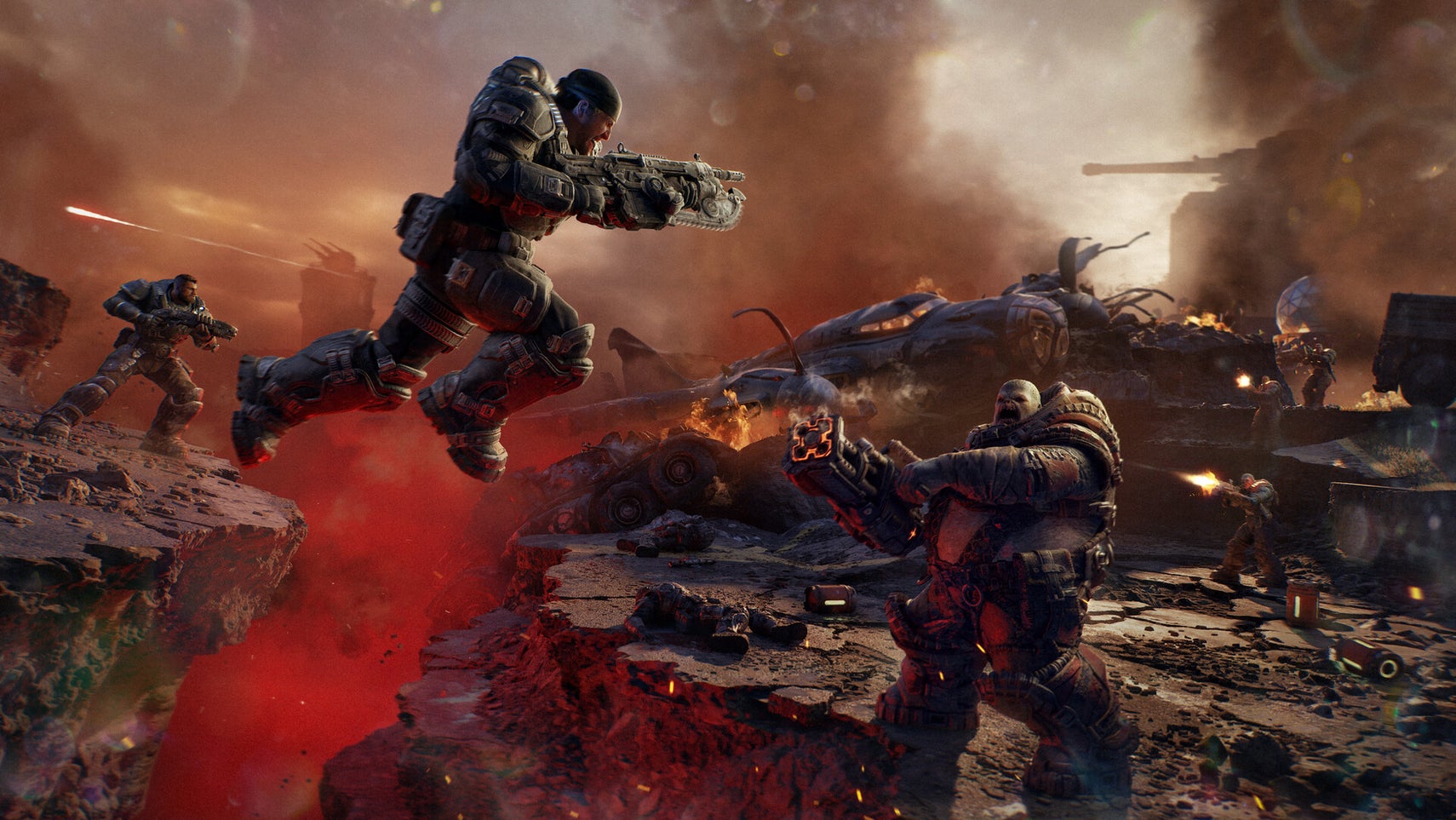
The debate over exclusivity reached a fever pitch with the announcement of Gears of War: E-Day, a prequel to the legendary franchise developed by The Coalition. As one of Xbox’s "Big Three" franchises alongside Halo and Forza, the status of Gears of War is often viewed as a bellwether for the health of the Xbox console ecosystem.
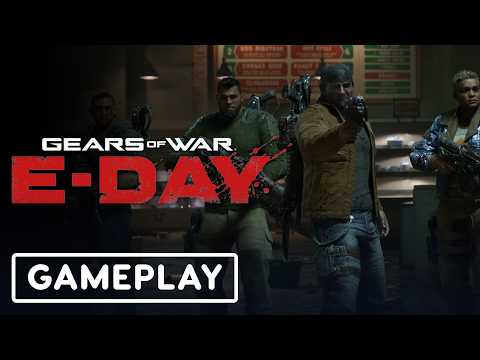
Following the game’s reveal at the June 2024 Xbox Games Showcase, rumors immediately began to circulate regarding a potential PlayStation 5 version. While developers at The Coalition have publicly maintained that the game is being built specifically for Xbox and PC, eagle-eyed fans pointed to retracted marketing materials and social media posts that appeared to omit the "Xbox Exclusive" branding usually reserved for such titles.
The longevity of Gears of War: E-Day is also a point of strategic contention. Historically, Gears titles have relied on robust multiplayer components—such as Horde Mode and competitive Versus—to maintain player engagement for years after launch. If Microsoft’s goal is to maximize the player base for live-service environments, a multi-platform release for E-Day would logically follow the precedent set by Sea of Thieves, which saw a massive surge in players after its PS5 debut. Yet, the pressure to maintain a reason for consumers to buy Xbox hardware remains a powerful counter-incentive.
A Chronology of Uncertainty and Restructuring
To understand the current state of Xbox, one must look at the timeline of the past eighteen months, which has been characterized by record-breaking acquisitions followed by unprecedented contractions.
- January 2023 – October 2023: Microsoft navigates a grueling regulatory battle to finalize its $69 billion acquisition of Activision Blizzard King. This deal, the largest in tech history, was predicated on the promise of bringing massive franchises like Call of Duty to more players across more devices.
- January 2024: Shortly after the acquisition closed, Microsoft announced the layoff of approximately 1,900 employees across its gaming divisions, primarily affecting Activision Blizzard and the Xbox core teams.
- February 2024: Xbox leadership held a "business update" podcast to address rumors of a total exit from the hardware space. They confirmed four titles would go multi-platform as an "experiment," while insisting that Starfield and Indiana Jones and the Great Circle were not currently part of that plan.
- May 2024: In a move that shocked the industry, Microsoft shuttered several studios under the Bethesda/ZeniMax umbrella, including Tango Gameworks (creators of the award-winning Hi-Fi Rush) and Arkane Austin (creators of Prey and Redfall).
- June 2024: The Xbox Games Showcase was widely praised as one of the best in the company’s history, featuring Fable, Perfect Dark, and South of Midnight. However, the high was immediately followed by reports of an additional 1,300 layoffs and the divestment of certain smaller projects.
- The Road to 2025: Projections indicate that between now and next summer, an additional 1,600 roles may be impacted as Microsoft seeks to streamline its massive workforce of over 30,000 gaming employees to meet profitability targets set by the parent corporation.
Financial Pressures and the Game Pass Dilemma
The primary driver behind this strategic volatility is the shifting economics of the "Prestige" game. Development budgets for AAA titles like Senua’s Saga: Hellblade II or the upcoming Clockwork Revolution now frequently exceed $100 million, with marketing costs doubling that figure.
Microsoft’s primary service, Xbox Game Pass, has fundamentally changed how the company recoups these investments. While the service provides a steady stream of recurring revenue, it also cannibalizes traditional retail sales. If a game is "Free" on Game Pass, fewer people buy it on the Xbox Store. To offset this, Microsoft is increasingly looking at the 120 million PlayStation 5 owners and the 140 million Nintendo Switch owners as a necessary revenue stream to keep these massive projects sustainable.
Supporting data from recent quarterly earnings calls suggests that while Xbox hardware revenue has seen a year-over-year decline (down 31% in the most recent quarter), content and services revenue has spiked by 62%, largely due to the integration of Activision Blizzard. This financial reality reinforces the "platform-agnostic" approach that Matthew Ball hinted at, even as he attempted to reassure the console-buying audience.
The Bethesda Factor and Future Roadmaps
In an effort to provide "appeasement-style" news amidst the layoffs, Bethesda recently revealed an aggressive roadmap for its existing franchises. Following the monumental success of the Fallout television series on Amazon Prime, which brought millions of new players to the games, Bethesda confirmed that Fallout 5 is in pre-production. Additionally, Fallout 76 is slated for a massive map expansion, and rumors of remasters for Fallout 3 and New Vegas have gained significant traction.
While these announcements are intended to excite the fan base, they also highlight the internal friction at Microsoft. The closure of Tango Gameworks—a studio that produced a critical darling and a commercial success in Hi-Fi Rush—has left many wondering if "quality" is enough to guarantee safety within the Xbox ecosystem. The current mandate appears to be "scale at all costs," favoring massive, established IPs over experimental or mid-sized projects.
Broader Industry Implications and Analysis
The confusion surrounding Xbox’s strategy is a microcosm of a larger identity crisis within the gaming industry. As Sony begins to port its own "untouchable" exclusives like God of War and The Last of Us to PC, the traditional "Console War" is being replaced by an "Ecosystem War."

For Microsoft, the goal is no longer just to sell a plastic box that sits under a TV; it is to ensure that the Xbox logo is the entry point for gaming on phones, PCs, cloud devices, and rival consoles. However, this transition is fraught with risk. If consumers feel that an Xbox console is no longer necessary to play Xbox games, the hardware business may enter a terminal decline, leaving Microsoft as a third-party publisher similar to the path taken by Sega in the early 2000s—albeit on a much larger scale.
The admission by Matthew Ball that the current strategy may not be "obvious to all our players" is a rare moment of corporate humility. It acknowledges that the messaging has been inconsistent, oscillating between "exclusive to Xbox" and "gaming for everyone."
Conclusion: A Pivot Point for the Brand
As Xbox prepares for the release of Avowed, Indiana Jones, and eventually Gears of War: E-Day, the company remains in a state of high-stakes experimentation. The leadership’s refusal to "carve in stone" a definitive rule for exclusivity suggests that the next two years will be a period of trial and error.
For the players, the benefit is more access to high-quality games on more devices. For the employees, the reality is a period of continued instability as the company seeks a sustainable headcount. And for the Xbox brand itself, the challenge remains to define what it means to be an "Xbox gamer" in a world where the console is no longer the center of the universe. The success or failure of Gears of War: E-Day—both as a piece of software and as a strategic asset—will likely determine the trajectory of Microsoft’s gaming ambitions for the next decade.