ZA/UM Studio Announces Major Workforce Reduction Following Commercial Struggles of Zero Parades For Dead Spies

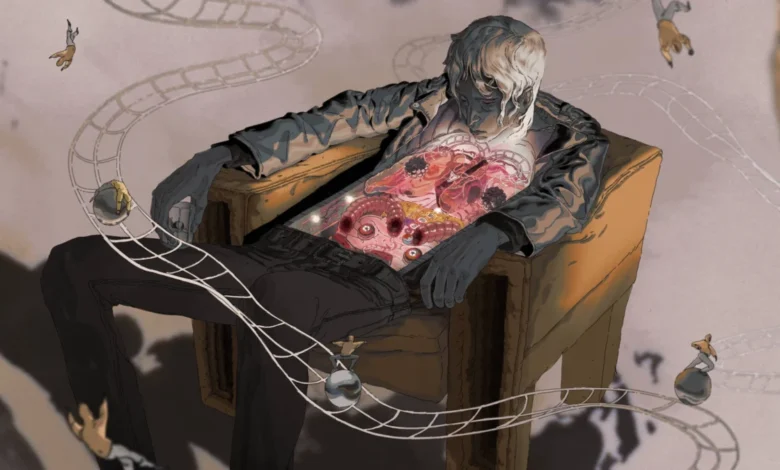
ZA/UM Studio, the developer behind the critically acclaimed role-playing game Disco Elysium, has officially announced a significant restructuring process that will result in the layoff of up to 32 employees across all departments. The decision follows the recent release of the studio’s spiritual successor, Zero Parades: For Dead Spies, which, despite receiving high marks from critics, failed to achieve the commercial milestones necessary to sustain the company’s current operational scale. This development marks yet another turbulent chapter for a studio that has been defined by internal strife, legal battles, and high-profile departures since its breakout success in 2019.
In a statement released via social media, ZA/UM management confirmed that the "commercial performance" of Zero Parades: For Dead Spies was the primary driver behind the redundancies. The studio, which was reported to employ approximately 100 people as of late 2025, noted that the current size of the workforce is no longer viable given the revenue generated by its latest title. The layoffs are expected to impact roughly one-third of the total staff, with redundancy and "at-risk" notices being served to personnel in various roles, ranging from creative development to administrative support.
The Paradox of Critical Acclaim and Commercial Failure
The announcement has sent shockwaves through the gaming community, primarily because Zero Parades: For Dead Spies was widely considered a creative triumph. Reviewers praised the game for its intricate narrative, "bristling reactivity," and "gorgeous prose," noting that it captured much of the lightning-in-a-bottle magic that made Disco Elysium a cultural phenomenon. Critics described the game as a "fine-tuned caricature of humanity’s petty, poisoned psyche," and many industry analysts expected it to be a runaway success.
However, the transition from critical praise to financial stability has proven elusive for ZA/UM. Market analysts suggest that the studio may have struggled with "brand toxicity" following years of public legal disputes with its original founders. Additionally, the niche nature of narrative-heavy isometric RPGs means that even a highly-rated title requires a significant marketing reach and a loyal, unified fanbase to recoup high development costs. With the studio’s internal culture frequently under fire, the "built-in" audience for ZA/UM products appeared fragmented during the launch window of Zero Parades.
A Timeline of Internal Conflict and Legal Disputes
To understand the current state of ZA/UM, one must look back at the acrimonious history that began shortly after the launch of Disco Elysium. In 2022, it was revealed that the game’s core creative trio—director Robert Kurvitz, art director Aleksander Rostov, and lead writer Helen Hindpere—had been "summarily fired" from the studio they helped build. This sparked a series of events that would play out in the public eye for years.
- October 2022: Kurvitz and Rostov accuse the studio’s new management, specifically Ilmar Kompus and Tõnis Haavel, of a "fraudulent takeover." They alleged that the pair used funds belonging to the studio itself to purchase a majority stake, effectively stealing the intellectual property from the original creators.
- November 2022: ZA/UM management retaliates with allegations of misconduct against the fired founders. The studio claimed the creators had created a "toxic work environment," engaged in verbal abuse, and attempted to illegally sell ZA/UM’s intellectual property to other major gaming entities.
- 2023: Extensive investigative reporting and documentaries highlight the complexity of the dispute. While some legal claims are settled or dropped, the animosity remains. Multiple lawsuits are filed across different jurisdictions, involving complex arguments over shares, dividends, and IP rights.
- February 2024: ZA/UM undergoes its first major round of layoffs, cutting approximately 24 jobs and reportedly cancelling a standalone expansion for Disco Elysium. Reports emerge of a workplace "rife with crunch, burnout, and conflict."
- October 2025: In a landmark move for the UK gaming industry, ZA/UM staff form a recognized union represented by the Independent Workers Union of Great Britain (IWGB). This "ZA/UM Workers’ Alliance" was established to protect employees amid the ongoing instability of the studio’s leadership.
The Role of the ZA/UM Workers’ Alliance
The inclusion of the ZA/UM Workers’ Alliance in the official layoff announcement is a significant detail. The studio stated that it has "continued to consult and work with representatives" of the union throughout the redundancy process. This suggests that while the layoffs are a result of financial necessity, the presence of the union may have influenced how the notices were served and how severance packages are being negotiated.
The IWGB has been vocal in the past about the precarious nature of game development, where workers often bear the brunt of management’s strategic failures. In the case of ZA/UM, the union’s role has been to provide a buffer between the rank-and-file staff and a management team that has been embroiled in litigation for over three years. Despite these protections, the loss of 32 jobs represents a devastating blow to a team that had recently delivered a product of high artistic caliber.
Broader Implications for the Narrative RPG Genre
The struggles at ZA/UM highlight a growing concern within the mid-sized "AA" game development sector. While the industry has seen massive successes in the RPG space, such as Larian Studios’ Baldur’s Gate 3, smaller studios focused on "literary" or "avant-garde" experiences face a difficult path to profitability. The high cost of quality writing, voice acting, and branching narrative paths makes these games expensive to produce, while their appeal is often limited to a specific demographic of "hardcore" narrative fans.
Furthermore, the "spiritual successor" market is becoming increasingly crowded. At least four separate studios have been founded by former ZA/UM employees, including Longdue and Summer Eternal, each claiming to carry the torch of the "Disco-like" genre. This fragmentation of talent and IP has created a scenario where multiple entities are competing for the same audience, often while bogged down in their own respective legal or financial hurdles.
Analysis of Management and Studio Purpose
In its statement, ZA/UM management insisted that while the "shape" of the studio is changing, its "purpose" remains the same. The claim that "artistic standards remain unchained" is likely intended to reassure investors and the remaining staff that the studio will continue to develop high-end narrative games. However, industry skeptics point out that maintaining such standards becomes exponentially more difficult as veteran talent departs—either through layoffs or voluntary resignations driven by the studio’s reputation.
The reaction on social media has been largely critical of the management team. Many fans of the original Disco Elysium view the current leadership as having "poisoned the brand," arguing that the commercial failure of Zero Parades is a direct result of the alienation of the original creative team. The irony of a studio that produced a world-renowned anti-capitalist masterpiece now struggling with the cold realities of corporate restructuring and commercial viability has not been lost on the public.
The Future for Impacted Workers
As ZA/UM moves forward with a reduced headcount, the focus shifts to the 32 individuals now seeking employment in a tightening global job market. The studio’s statement included a plea to other employers: "To anyone currently hiring, please consider the colleagues leaving ZA/UM." Given the high critical praise for Zero Parades, these workers are expected to be highly sought after for their narrative and technical skills, though the general downturn in the gaming industry over the past two years makes any transition difficult.
The 2024-2025 period has been one of the most volatile eras for video game employment in history, with tens of thousands of layoffs across major publishers and independent studios alike. ZA/UM’s current situation is a microcosm of this trend, where even the delivery of a "five-star" product does not guarantee job security in an era of rising costs and unpredictable consumer behavior.
For now, ZA/UM persists as a smaller, leaner entity. Whether it can regain the trust of its audience and the stability of its operations remains to be seen. The legacy of Disco Elysium continues to loom large, serving as both the studio’s greatest achievement and the shadow from which it has yet to emerge. As the legal battles potentially continue and the new "spiritual successor" studios begin to reveal their own projects, the story of ZA/UM remains one of the most complex and cautionary tales in the modern history of interactive entertainment.
Related posts: