Epic Games Unveils Unreal Engine 6 Roadmap Featuring Cross Game Asset Portability and Massive Multiplayer Scaling

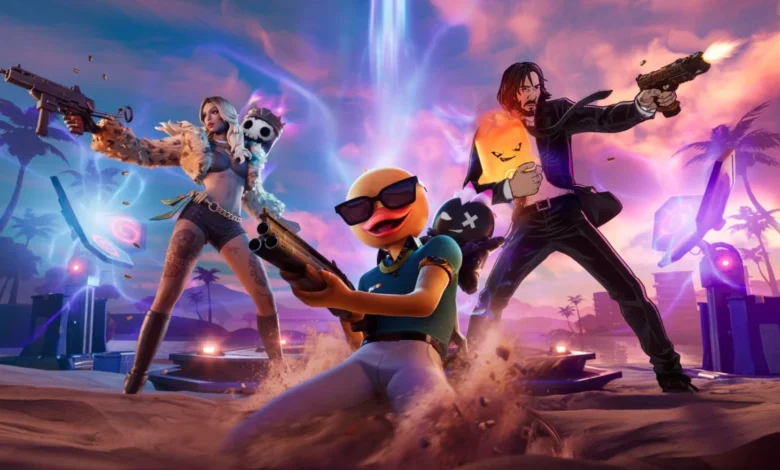
Epic Games has officially pulled back the curtain on the future of interactive entertainment, detailing a transformative vision for Unreal Engine 6 (UE6) that centers on a "shared economy" and unprecedented asset interoperability. During the latest State of Unreal broadcast, the company outlined a strategy to dismantle the digital silos currently separating individual gaming experiences. The centerpiece of this initiative is the ability for players to carry their digital identities—specifically Fortnite cosmetics and skins—across a vast ecosystem of games built on the Unreal Engine framework, effectively creating a universal digital wardrobe for the modern gamer.
Marcus Wassmer, Epic Games’ Development Team Lead, articulated a future where content and code are no longer tethered to a single application. According to Wassmer, the goal is to provide the global games industry with a new methodology for ecosystem growth, utilizing cross-promotion and "portable player value." This strategy leans heavily into Metcalfe’s Law, which suggests that the value of a telecommunications network is proportional to the square of the number of connected users of the system. By connecting social graphs and asset libraries across disparate titles, Epic intends to amplify the value of every individual purchase and hour spent within their ecosystem.
The Foundation of Asset Portability
The first practical application of this interoperable future will involve Fortnite, Epic’s flagship title and a cultural juggernaut with over 500 million registered accounts. Fortnite cosmetics will serve as the "proof point" for asset portability. Epic plans to migrate the game’s base cosmetic system to an open Unreal Engine 6 module. This transition will grant third-party developers the option to allow players to use their existing Fortnite outfits within new, independent games. Conversely, developers will be provided with the tools to create original assets for their own titles that are inherently compatible with the Fortnite environment.
This move marks a significant departure from the traditional "walled garden" approach to digital content. Currently, most in-game purchases are locked to the specific title in which they were bought. By enabling "smart assets"—functional items with embedded logic that maintain their utility across different software environments—Epic is attempting to redefine digital ownership. This system is designed to recognize player investment in a more holistic manner, ensuring that a skin purchased in one game retains its value even if the player migrates to a different experience.
Technological Leap: From Unreal Engine 5.8 to UE6
The announcement of Unreal Engine 6 comes at a time when the industry is still acclimating to the capabilities of Unreal Engine 5. To bridge the gap, Epic recently rolled out Unreal Engine update 5.8, which introduced built-in generative AI and Large Language Model (LLM) integration. These features are intended to streamline the development process, allowing creators to use natural language processing to automate complex coding tasks and asset generation.
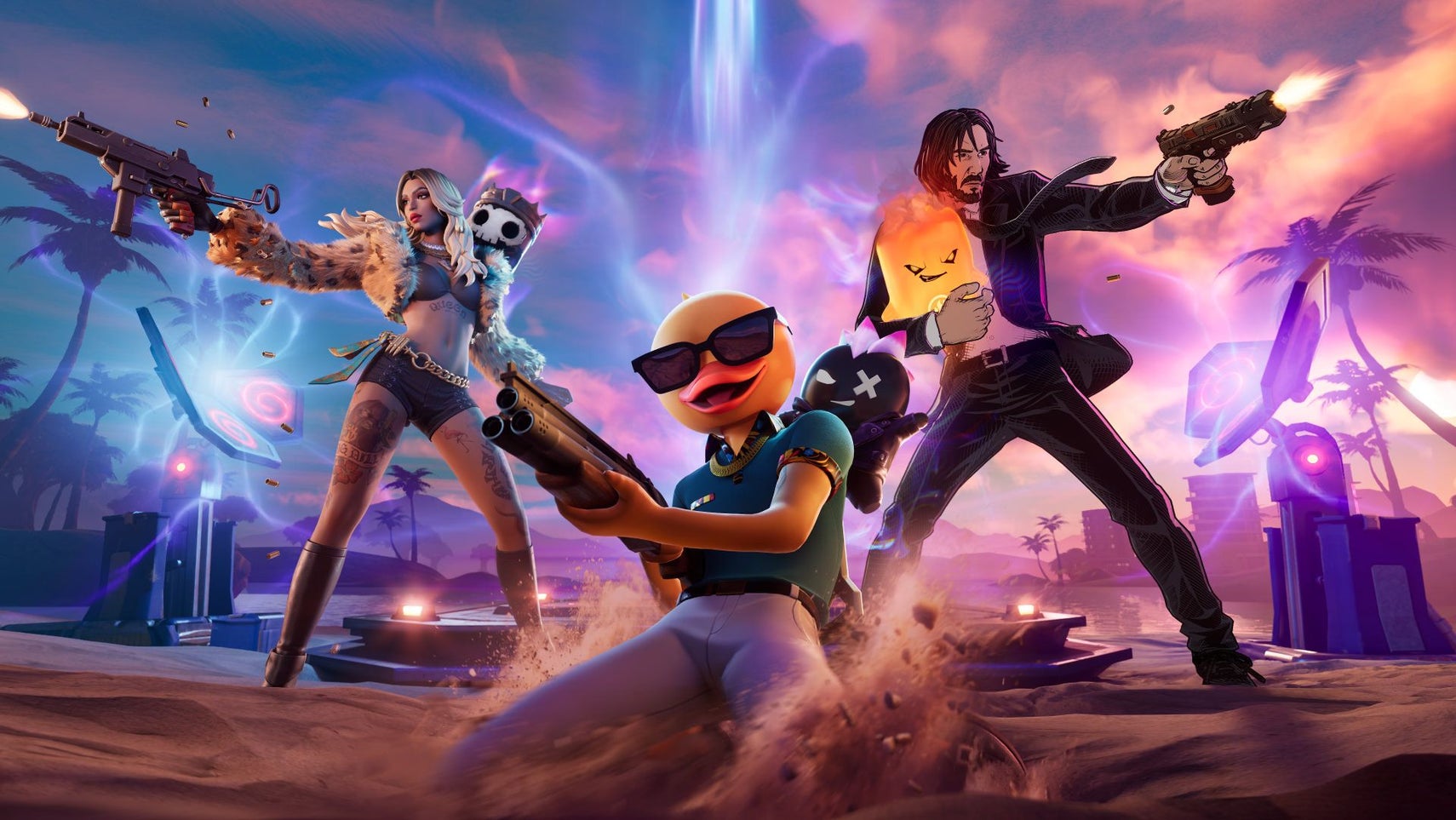
However, Unreal Engine 6 aims to push these boundaries significantly further. Beyond the AI advancements, the next-generation engine is being engineered to support massive player concurrency. Tim Sweeney, CEO of Epic Games, referenced a future where games are no longer limited to 100-player lobbies, as seen in the current Battle Royale genre. Instead, UE6 is being designed to support thousands, tens of thousands, or even millions of players within a single, persistent shard. This scalability is a cornerstone of Epic’s vision for a "metaverse"—a persistent, shared 3D space where social interaction and commerce happen at a scale previously thought impossible for real-time rendering.
Chronology of Development and Release Windows
Despite the ambitious nature of the announcement, Epic Games has cautioned that Unreal Engine 6 is still several years away from a stable public release. The development timeline shared during the broadcast suggests a deliberate and cautious rollout:
- Late 2027 ("ish"): Early access testing is scheduled to begin. Epic emphasized the "ish," noting that the complexity of the engine’s new modular architecture may require additional refinement.
- 2028 – 2029: A full commercial release is expected roughly 12 to 18 months after the initial early access phase.
- Interim Period: Epic will continue to update Unreal Engine 5 (versions 5.9, 5.10, etc.), gradually introducing modular components that will eventually form the backbone of UE6.
This timeline allows current developers to plan their long-term project cycles around the upcoming shift. It also provides Epic with the necessary time to resolve the immense technical challenges associated with synchronizing logic and physics for portable assets across different game worlds.
Streamlining Cross-Platform Development
A secondary but equally vital focus for Unreal Engine 6 is the optimization of cross-platform workflows. Historically, developers have had to expend significant resources to port games from high-end PCs to mobile devices or consoles, often requiring substantial alterations to the code and art assets.
Epic’s goal for UE6 is to create a "write once, run anywhere" environment. The engine is being built to handle the heavy lifting of optimization automatically, ensuring that a game looks and plays consistently across high-end gaming rigs and handheld devices without requiring developers to redo their work. This focus on efficiency is intended to democratize game development, allowing smaller indie studios to achieve the same multi-platform reach as major AAA publishers.
Implications for the Global Gaming Economy
The shift toward a shared economy has profound implications for the business of video games. By making assets portable, Epic is positioning itself as the central clearinghouse for digital identity. If a player knows that a "skin" or "item" they purchase today will be usable in dozens of future games, their willingness to spend is likely to increase.

Industry analysts suggest that this could lead to a "Metaverse Standard," where developers who opt into the Unreal Engine ecosystem gain access to a pre-existing pool of high-spending players. However, this also raises questions regarding licensing and intellectual property. For example, it remains unclear how licensed collaborations—such as skins featuring characters from Disney, Marvel, or DC—will be handled when moved into third-party games not owned by Epic.
The technical challenge of maintaining "logic and functionality" across games is also substantial. A "smart asset" in a racing game might have different functional requirements than the same asset in a first-person shooter. Epic’s solution involves embedding the logic directly into the asset module, ensuring the item "knows" how to behave regardless of the host environment.
Official Responses and Industry Outlook
While the State of Unreal broadcast was primarily a technical showcase, the underlying message was one of industry-wide collaboration. Marcus Wassmer concluded his presentation by reinforcing that while UE6 will change the technical landscape, the human element remains paramount. "It will not change the thing that matters most," Wassmer stated, "which is that the people in this industry—the game developers, the filmmakers, our Unreal Engine family—are the ones who make anything actually happen."
Initial reactions from the development community have been a mix of excitement and cautious skepticism. Indie developers have praised the potential for increased visibility through the Fortnite ecosystem, while some larger competitors may view the move as an attempt by Epic to further consolidate its influence over the gaming market.
The move also places pressure on other engine providers, such as Unity and Godot, to develop their own interoperability standards. As the industry moves toward 2027, the focus will likely shift from graphical fidelity to the infrastructure of connectivity. Unreal Engine 6 represents Epic’s bet that the future of gaming is not just about how good a world looks, but how easily players can move through it while bringing their digital lives with them.
In summary, the road to Unreal Engine 6 is paved with the concepts of portability, massive scalability, and AI-driven efficiency. By using Fortnite as a living laboratory for these features, Epic Games is not just building a game engine; it is attempting to construct the foundational architecture for the next era of the internet. Whether the industry at large will embrace this shared economy remains to be seen, but Epic has clearly laid out the first steps toward a more connected digital future.
Related posts: