Stormi Maya Brings Old-School Slasher Terror and Genre Authenticity with Her New Feature Film I Just Like to Kill

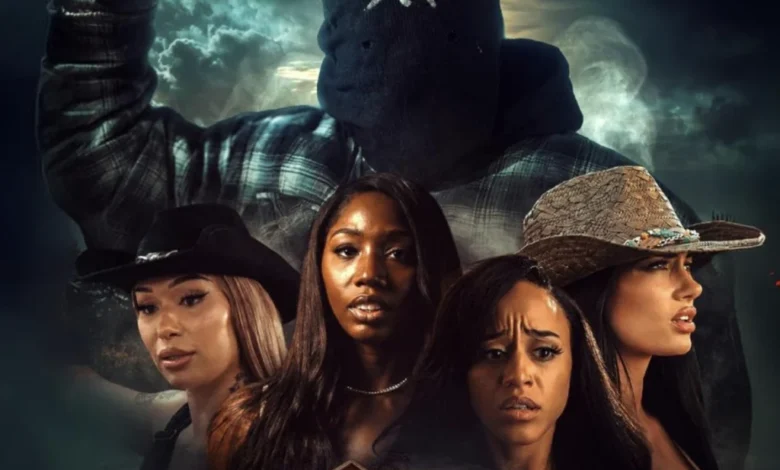
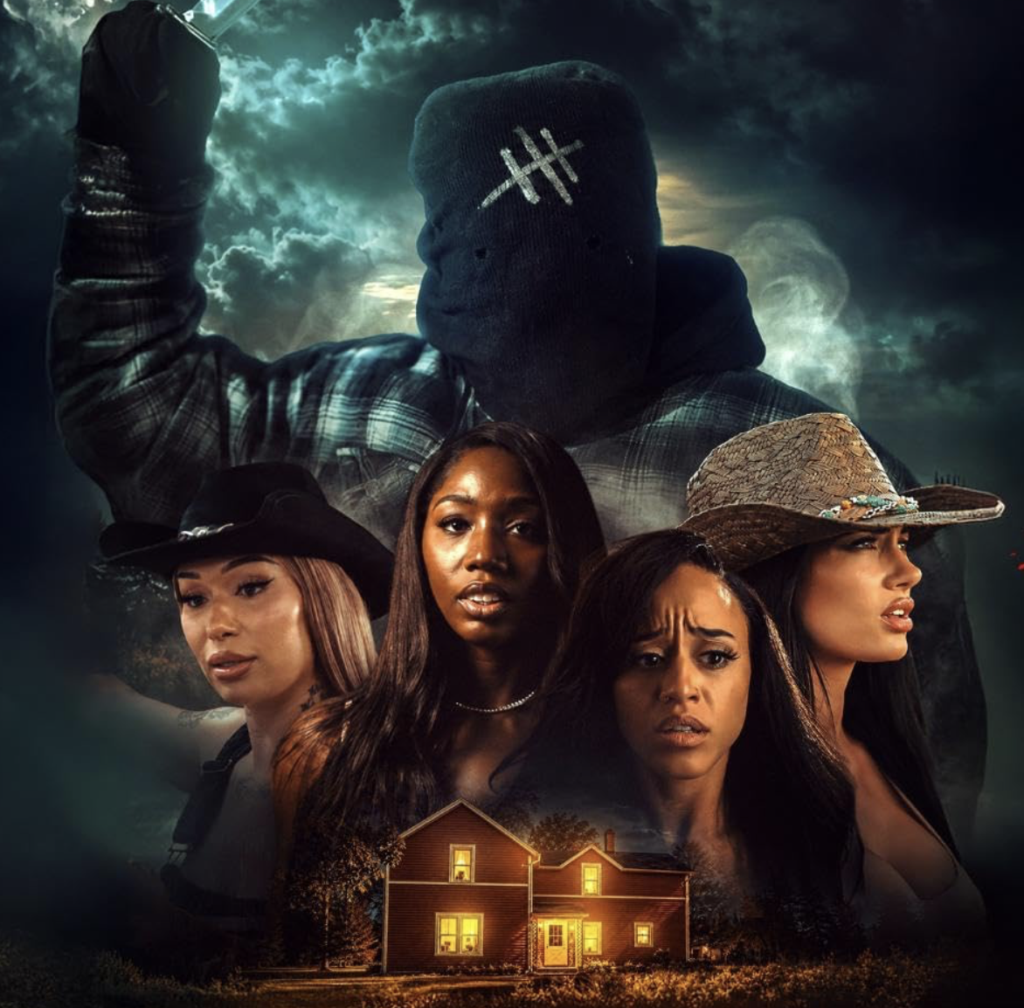
The contemporary landscape of horror cinema has experienced a distinct renaissance through the revitalization of foundational genre tropes, specifically leaning into the gritty aesthetics of 1980s and 1990s slasher films. These narratives frequently rely on remote, rural backdrops—most notably the isolated forest-flanked cabin—combined with practical-effects-driven gore, moments of dark self-awareness, and the ever-popular inclusion of secretive cults. Tapping directly into this nostalgic vein is the upcoming independent feature film I Just Like to Kill, spearheaded by multi-hyphenate entertainment industry veteran Stormi Maya.
Scheduled for its official premiere on November 30th via The TiVi Network, the film represents an unapologetic embrace of classic genre conventions. Directed by Michael Garcia and Peter Hurd, the production was written by Maya alongside co-writer Nehemiah Saintlot and brought to the screen under the banner of Axl Storm Productions. Alongside her behind-the-scenes contributions as a writer and producer, Maya also anchors the project in front of the camera as one of the lead actors. In anticipation of the film’s debut, Maya sat down with Rue Morgue to discuss the creative motivations driving the project, the logistical complexities of executing multiple principal roles on an independent film set, and her long-term vision for transforming the standalone release into an expansive horror franchise.
The Mechanics of Nostalgia: Reimagining the Cabin-in-the-Woods Archetype
While I Just Like to Kill heavily utilizes the familiar structural framework of the cabin-in-the-woods subgenre, Maya is quick to clarify that the production does not attempt to reinvent the cinematic wheel. Instead, the film serves as a deliberate and affectionate homage to the campy, over-the-top slasher movies that defined her formative years as a horror fan. Rather than striving for high-brow psychological commentary, the creative team focused on delivering a high-energy cinematic experience that acknowledges the inherent absurdity often found in classic horror properties.
In discussing the overarching narrative philosophy, Maya emphasized a preference for horror media that rejects excessive self-seriousness in favor of visceral entertainment. The project was deliberately engineered to balance high suspense with inventive kills and a distinct sense of humor. However, beneath the blood and camp lies a secondary, highly intentional objective: creating sustainable pathways into the mainstream film industry for marginalized or stereotyped performers.
Drawing from her own professional background in modeling, Maya has experienced firsthand the systemic limitations imposed by industry gatekeepers who frequently confine performers to narrow archetypes before evaluating their actual capabilities. Through I Just Like to Kill and the operational framework of Axl Storm Productions, Maya aims to dismantle these professional barriers. The production actively casts aspiring actors, Instagram influencers, and OnlyFans creators, offering them legitimate platforms to transition into traditional narrative acting. By combining traditional indie slasher tropes with progressive casting initiatives, the production team hopes to challenge industry biases while delivering traditional genre thrills.
Behind and In Front of the Camera: The Rigors of Independent Production
Executing a feature film independently requires an extraordinary allocation of resources, but the operational strain multiplies exponentially when a single individual assumes the concurrent responsibilities of writer, producer, and lead actor. Maya’s experience on I Just Like to Kill highlights the systemic challenges of micro-budget and independent filmmaking, where human capital is often stretched to its absolute limits.
The day-to-day reality of managing a dual on- and off-camera presence involves rapid psychological shifts. Maya noted the stark contrast between managing high-level production logistics—such as maintaining financial oversight, coordinating complex daily shooting schedules, ensuring crew compliance, and addressing acute on-set crises—and immediately transitioning into a creative performance mindset. Moving from executive problem-solving to sitting in a makeup chair to memorize dialogue and cultivate emotional vulnerability requires immense professional discipline.
Furthermore, occupying both managerial and artistic spaces introduces unique interpersonal dynamics among the cast and crew. Producers must command authority, maintain strict professional boundaries, and enforce institutional standards, whereas actors typically cultivate a more relaxed, peer-to-peer camaraderie. Navigating these overlapping spheres on an independent set can occasionally complicate boundary enforcement and peer perception.
These structural challenges extended to crew acquisition and team building. Maya maintained uncompromising standards regarding on-set professionalism, resulting in difficult mid-production transitions, including staff reallocations and personnel replacements. Operating under the philosophy that independent budgets should not excuse unprofessional conduct, Maya utilized these growing pains to reinforce the foundational corporate culture of Axl Storm Productions. The overarching objective is to establish the production company’s brand identity around operational reliability, creative integrity, and a healthy, collaborative working environment—principles designed to withstand the rigors of future cinematic ventures.
Navigating the Unpredictability of Independent Filmmaking
With approximately a decade of professional experience working as an actress and several years operating within independent production spaces, Maya entered the I Just Like to Kill production cycle with realistic expectations. In the realm of independent cinema, deviation from initial schedules and financial projections is not an exception, but an operational standard.
Rather than succumbing to the panic often associated with micro-budget filmmaking, Maya’s extensive background in diverse production environments fostered a culture of rapid adaptability. From shifting personnel to unexpected logistical roadblocks, the filmmaking process repeatedly demanded immediate, decisive problem-solving. This pragmatic philosophy insulated the production from catastrophic delays and instilled a heightened sense of executive confidence.
The primary operational shift for Maya on this project was the total breadth of her accountability. While traditional acting engagements require a narrow focus on character delivery and performance execution, acting as an executive producer fundamentally alters an artist’s relationship to the final product. Every structural failure or logistical triumph directly traces back to administrative oversight, transforming the filmmaking experience into a comprehensive masterclass in business administration and resilient leadership.
Expanding the Mythos: Franchise Potential and the Cult Narrative
Far from viewing I Just Like to Kill as an isolated cinematic experiment, the production was conceptualized from its inception as the foundation for an ongoing horror franchise. Horror history demonstrates that successful slasher properties thrive on recurring iconography, recognizable killers, and expanding cinematic lore that encourages audience investment across multiple installments.
Maya has already commenced writing the screenplay for the sequel, signaling a long-term commitment to building an enduring intellectual property. While the first film establishes the baseline aesthetic and narrative rules, subsequent installments are designed to systematically expand the mythology surrounding the film’s central cult.
Crucially, the franchise architecture avoids the creative stagnation that frequently plagues long-running slasher series. Rather than relying on a singular, immortal antagonist across every sequel—such as Michael Myers or Jason Voorhees—I Just Like to Kill employs a shifting roster of antagonists. Each subsequent film will feature different killers possessing distinct psychological profiles, unique execution styles, and varied victim pools. This structural flexibility affords the creative team immense narrative freedom, ensuring that each entry maintains a distinct artistic identity while remaining tethered to the overarching mythology of the cult.
Cultural Implications and the Value of Unapologetic Entertainment
As contemporary cinema increasingly evaluates films through lenses of elevated social commentary, psychological depth, and thematic profundity, Maya champions the enduring cultural validity of unpretentious, high-energy genre entertainment. I Just Like to Kill makes no claims to transcendent philosophical messaging; its primary design is to evoke the visceral thrills, campy dialogue, and nostalgic bloodshed of the 1980s and 1990s slasher explosion.
Industry analysts note that commercial horror consistently outperforms other independent genres precisely because it relies on communal viewing experiences, emotional catharsis, and reliable audience expectations. By offering a film that encourages audiences to engage openly with the material—whether by cheering for prospective victims, laughing at absurd narrative turns, or genuinely anticipating the next kill sequence—the filmmakers tap into a reliable consumer demand for unadulterated cinematic escapism.
Ultimately, the release of I Just Like to Kill on The TiVi Network on November 30th serves multiple functions: it delivers a satisfying entry into the modern slasher revival, provides an operational blueprint for independent genre production under Axl Storm Productions, and establishes a launching pad for an expansive, multi-film franchise. For horror enthusiasts weary of overly complex narratives, Maya’s directorial and creative debut offers a straightforward invitation: discard elevated expectations, embrace the camp, and enjoy the bloodshed.