The psychological toll of television viewing involves a profound emotional investment, as audiences spend countless hours forming parasocial attachments with fictional characters. Consequently, when a series is abruptly cancelled, viewers are left without narrative closure, magnifying the frustration of unfinished storytelling. This phenomenon is a shared pain across global fandoms, underscoring systemic issues within modern television production, where financial metrics frequently outweigh creative longevity. Examining programs that were terminated prematurely reveals recurring patterns of mismanaged promotion, shifting network strategies, and the volatile economics of the streaming era.
The Evolution of Television Cancellations and Industry Pressures
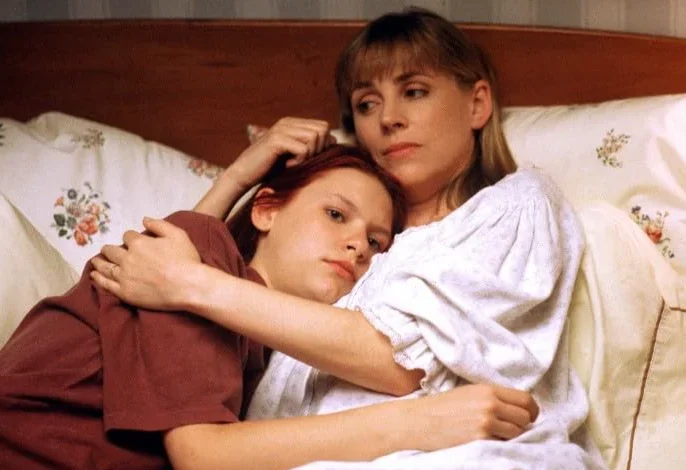
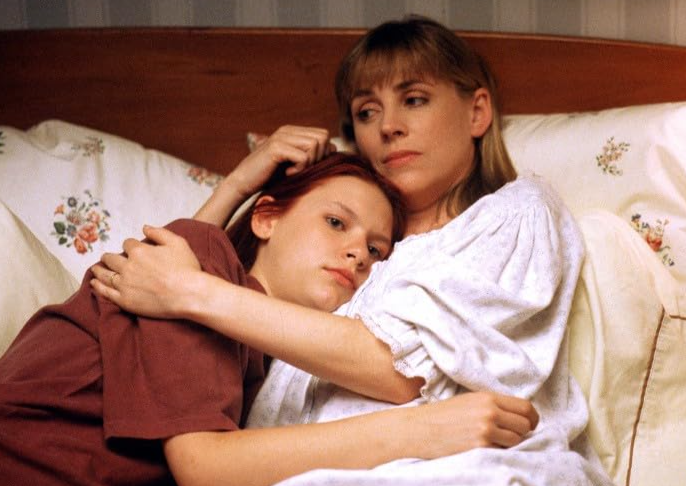
Historically, the television industry operated on a traditional broadcast model where ratings dictated a show’s immediate survival. Series like My So-Called Life, which aired on ABC from August 1994 to January 1995, fell victim to erratic scheduling and a lack of mainstream promotional push despite critical acclaim and industry accolades. Executive decisions were often swift, driven by live-viewing metrics that failed to account for growing, dedicated audiences who consumed media outside of rigid time slots.

As the landscape transitioned into cable and premium networks, prestige television began taking bolder creative risks. Shows such as HBO’s Deadwood (2004–2006) redefined the Western genre but succumbed to escalating production costs and complex contractual negotiations. Despite ranking high on retrospective lists of premature cancellations—such as TV Guide’s 2013 assessment placing it at number eight—the economic viability of maintaining elaborate period sets ultimately outweighed its cultural impact.
Cult Classics and Network Mismanagement
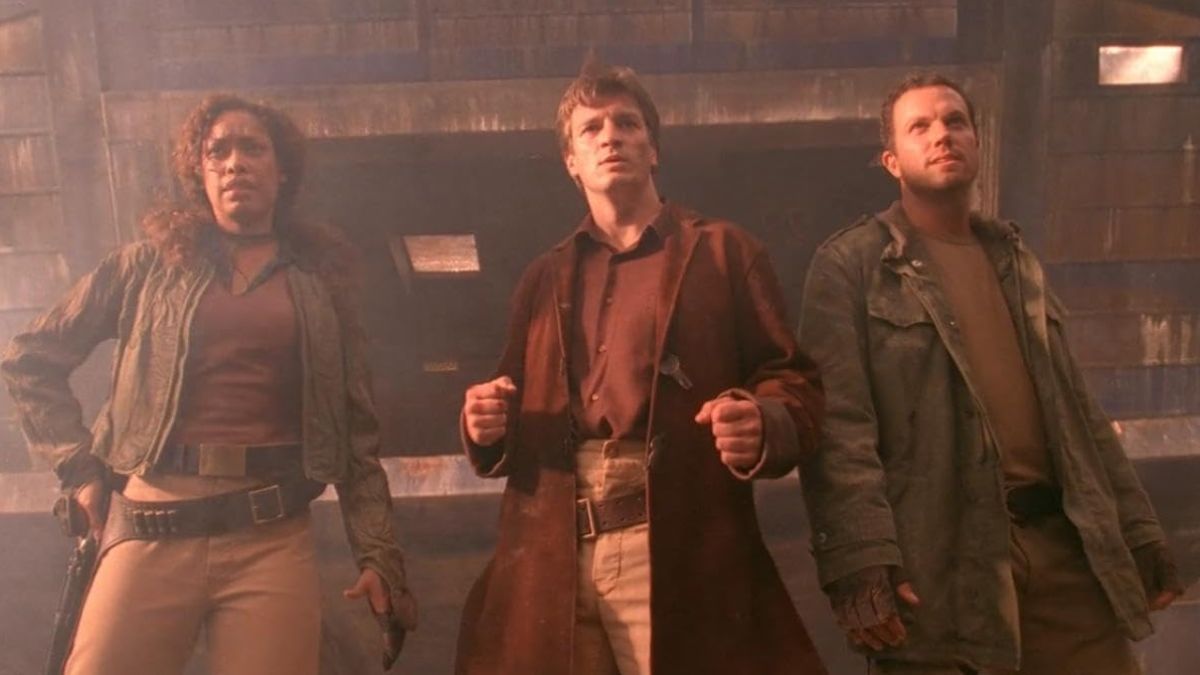
The early 2000s and 2010s demonstrated that even deeply passionate fanbases could not always protect a series from administrative missteps. Fox’s handling of Joss Whedon’s Firefly remains a quintessential case study in network mismanagement. Aired entirely out of order and placed in the infamous Friday night "death slot," the space Western cult classic was cancelled before its first season finished broadcasting. It required a feature film adaptation, Serenity (2005), to provide a semblance of narrative closure for its loyal crew of followers.
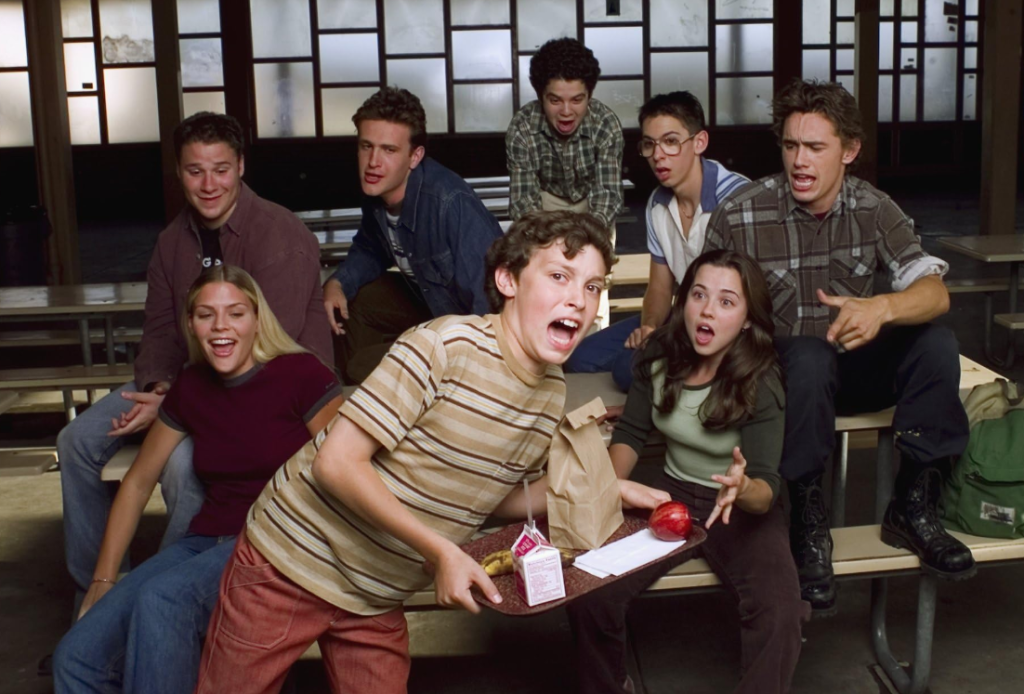
Similarly, NBC’s Freaks and Geeks suffered from poor promotion and an unstable broadcast schedule, resulting in cancellation after just 18 episodes of its inaugural season. Despite its brief run, the series launched the careers of numerous prominent actors and directors, proving that premature termination often curtails cultural mainstays just as they begin to find their footing.
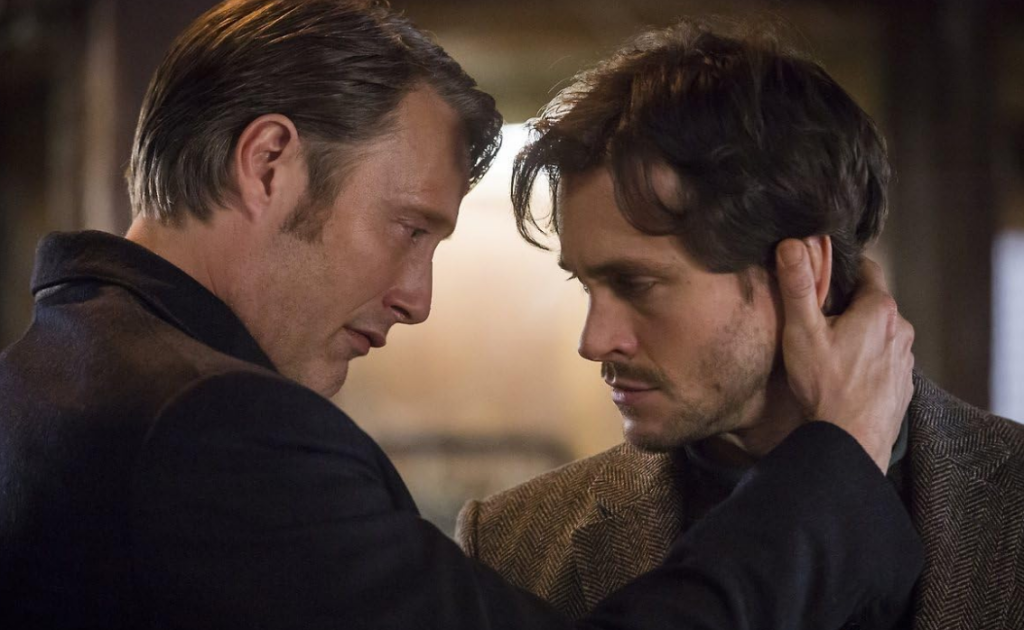
The structural vulnerabilities of network television also plagued high-concept science fiction. ABC’s FlashForward, which premiered in September 2009 with a premise that hooked millions by depicting a simultaneous global blackout, experienced steep ratings declines after mid-season hiatuses. By May 2010, the network officially announced its total cancellation, leaving its intricate mystery unresolved. Likewise, Bryan Fuller’s psychological thriller Hannibal garnered a dedicated following for its stunning visual artistry and complex character dynamics before NBC pulled the plug in 2015, halting the creators’ multi-season vision.
The Streaming Era: High Ambitions and Abrupt Endings
The advent of streaming platforms initially promised a safe haven for ambitious, serialized storytelling that defied traditional broadcast constraints. However, economic realities within companies like Netflix, Amazon, and others introduced a new set of vulnerabilities. Algorithms, completion rates, and subscriber acquisition metrics soon replaced traditional Nielsen ratings.
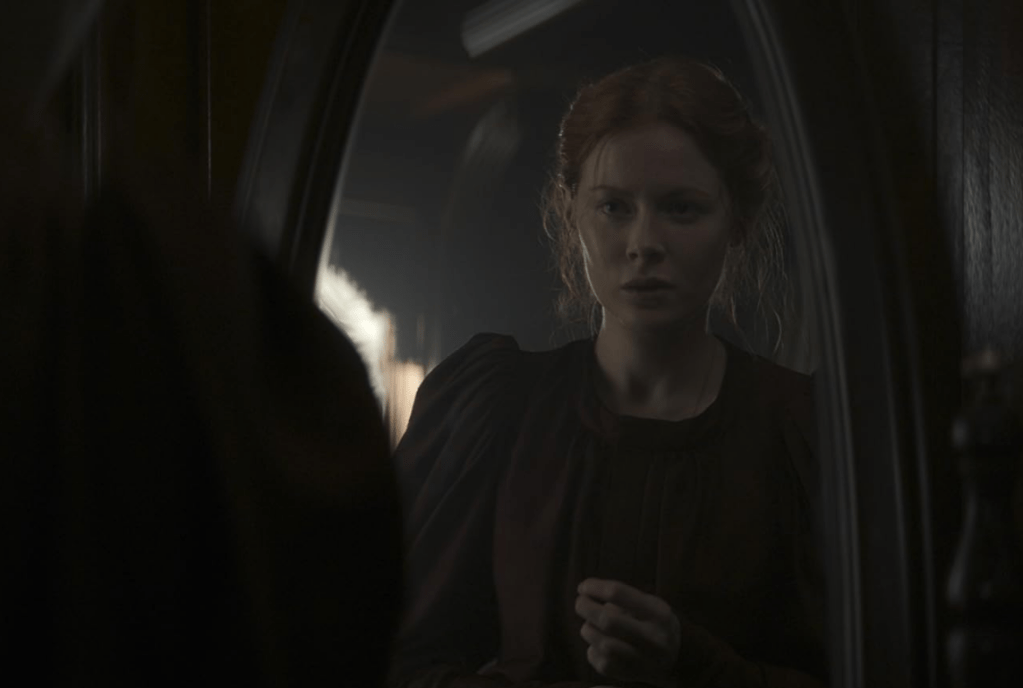
Netflix’s science-fiction mystery 1899, created by the masterminds behind Dark, was cancelled after a single eight-episode season in late 2022, despite the creators having mapped out a comprehensive three-season arc. Fans were left with unresolved cliffhangers, highlighting a growing trend where serialized mysteries are judged almost exclusively on their immediate audience retention during the initial weeks of release.
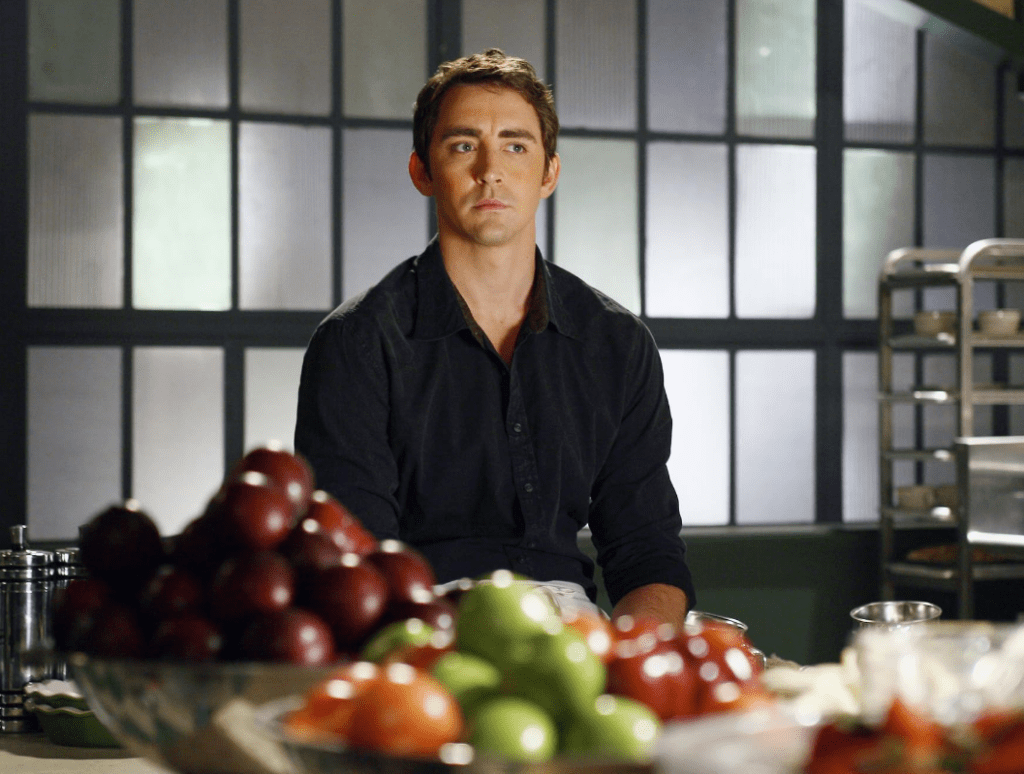
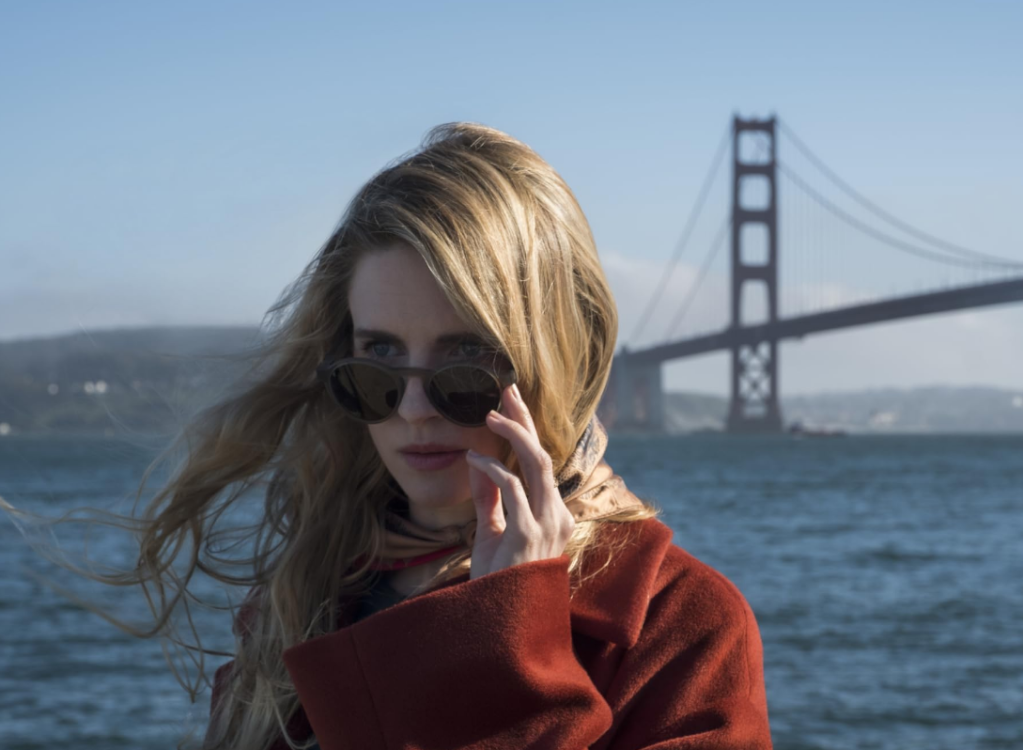
A similar fate befell The OA, a surreal science-fiction mystery that blended complex metaphysical elements with deep emotional drama. Its cancellation without a proper conclusion provoked widespread disappointment among viewers who valued its originality. Likewise, Altered Carbon, based on Richard K. Morgan’s 2002 cyberpunk novel, brought a visually stunning, high-budget future to life before Netflix terminated the ambitious project, curtailing its exploration of a sprawling universe.
Fan Mobilization and Rare Revivals
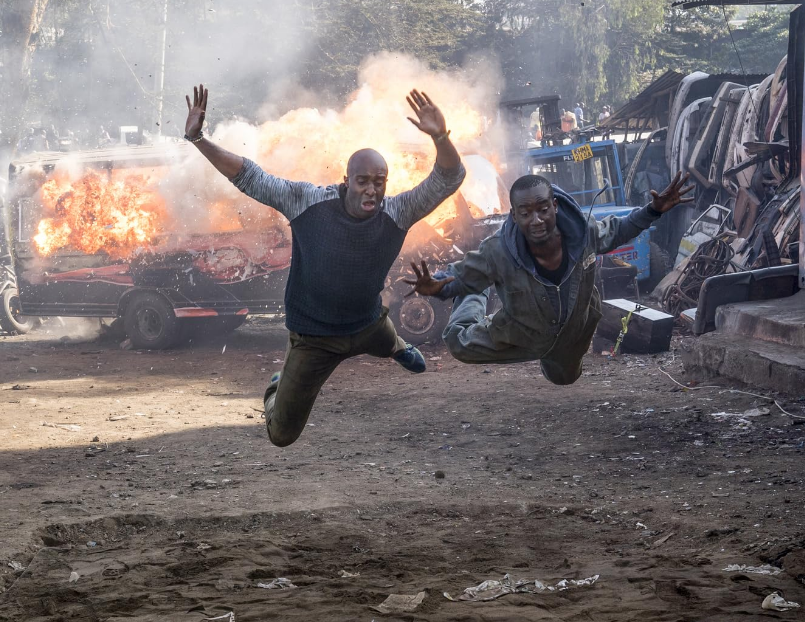
While most cancelled series fade into television history, some fanbases have successfully forced networks and streaming platforms to reconsider. When Netflix cancelled the sprawling sci-fi drama Sense8 after two seasons in 2017, the resulting international fan uproar was unprecedented. The intensity of the petitioning and social media campaigns compelled the platform to commission a 2.5-hour finale movie, which aired in 2018 to wrap up the central character arcs and resolve primary narrative threads.
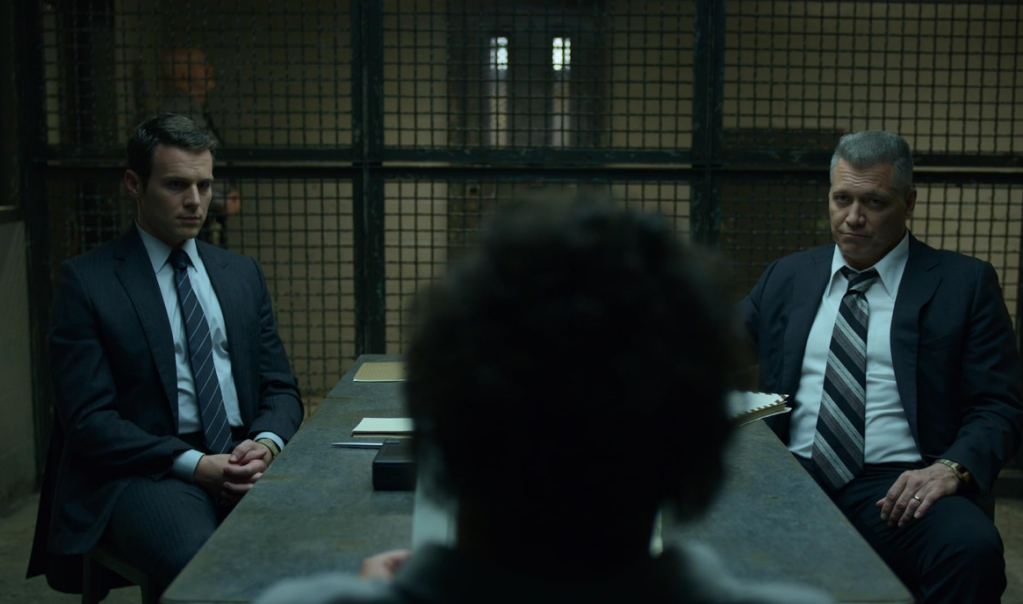
Conversely, public demand has occasionally hit insurmountable roadblocks. David Fincher’s critically acclaimed crime series Mindhunter ran for two seasons before its potential third outing was placed on indefinite hiatus in 2020. By 2023, Fincher confirmed in interviews that the project was permanently over, citing the prohibitive budget required to maintain the meticulous period detail and complex visual effects, combined with the grueling nature of production.
Similarly, the comedy-horror series Santa Clarita Diet was abruptly cancelled by Netflix after three seasons and 30 episodes, leaving characters in the middle of unresolved supernatural plots. Comedy wrestling series GLOW met a similar fate; despite being renewed for a fourth and final season, production was halted by pandemic-related complications, and the streaming service ultimately reversed its renewal decision, denying the cast and crew a planned concluding match.
Unique Casualties of the Pandemic and Changing Landscapes
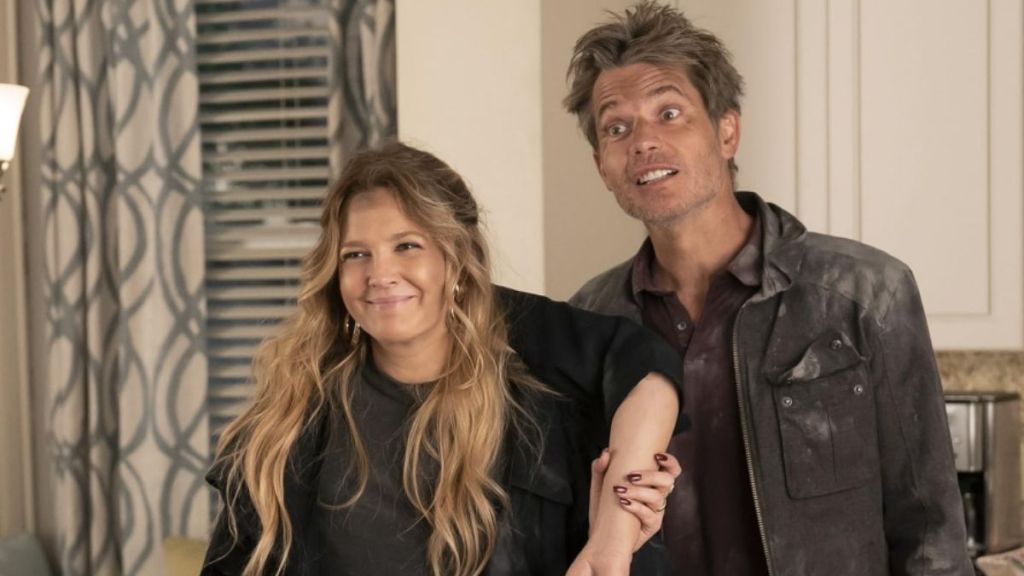
The COVID-19 pandemic introduced unprecedented logistical hurdles to the television industry, directly impacting shows that relied heavily on adolescent casts and physical production continuity. Jonathan Entwistle’s coming-of-age superhero series I Am Not Okay With This premiered on Netflix in February 2020 and was initially renewed for a second season. However, rising production costs, safety protocols, and scheduling delays caused the platform to reverse course, resulting in an official cancellation in August 2020.
Other boundary-pushing projects fell victim to shifting corporate priorities. Bryan Fuller’s Pushing Daisies, a quirky romantic comedy-drama, was cancelled by ABC after two seasons and 22 episodes during the 2007–2008 Writers Guild of America strike. The stoppage severely disrupted momentum, leaving multiple mysteries and major plotlines permanently unresolved despite critical acclaim and multiple Emmy Awards.
Economic Implications and the Future of Serialized Television
The persistent trend of premature cancellations points to a fundamental friction between creative ambition and corporate risk management. Modern television production requires staggering financial commitments, particularly for high-concept science fiction, fantasy, and period dramas that demand extensive post-production, digital effects, and intricate world-building.
When networks and streaming services evaluate a property, the financial risk of investing in multi-season arcs often outweighs the long-term cultural value of completing a narrative. For consumers, this economic calculus translates into a growing hesitation to invest time in new, unproven intellectual properties, fearing that serialized storytelling will be interrupted mid-stride.
As the media landscape continues to consolidate—with platforms experimenting with shorter episode orders, ad-supported tiers, and tighter budgetary controls—the vulnerability of ambitious programming remains a central challenge. While digital communities will likely continue to mobilize through social media petitions and digital campaigns, the definitive resolution of complex narratives will depend heavily on whether industry stakeholders can adapt their metrics to accommodate the long-tail value of dedicated, passionate fandoms.
Related posts: