I bought every ship in Windrose – here’s what you should spend your pirate gold on first

The Strategic Evolution of Naval Assets in Windrose
The progression system in Windrose is anchored by the Wharf, a central hub where players transition from survivors to captains. The initial phase of the game focuses on the Ketch, a versatile but limited vessel that serves as a tutorial for basic sailing and cargo management. However, as the narrative advances into more hostile waters—specifically during high-stakes encounters like the "Needle in a Haystack" main quest—the limitations of the starter vessel become apparent.
Naval experts and high-level players suggest a bifurcated strategy for ship acquisition: prioritizing the Brethren Brig for mid-to-late-game durability and transitioning to the Blackbeard Frigate for endgame supremacy. This approach balances the need for survivability during difficult boarding actions, such as the assault on the Unsinkable, with the raw firepower and speed required for high-seas dominance. A critical component of this strategy is the modular nature of ship equipment; upgrades purchased for a Brig can often be transferred to a Frigate, allowing for a more efficient allocation of piastre, the game’s primary currency.
Detailed Chronology of Ship Progression and Resource Management
The journey through Windrose’s naval tiers follows a strict chronological order dictated by resource availability and crafting station unlocks. Players must first master basic gathering before they can engage in the complex smelting and tanning processes required for higher-tier ships.
The Foundation: Ketch Models and Initial Crafting
The Ketch serves as the entry point for all players. While three variants exist—the standard Ketch, the high-capacity Brethren Ketch, and the high-speed Blackbeard Ketch—most players use this tier primarily to accumulate the resources needed for the Brig class.
Standard Ketch Specifications:
- Durability: 50,000 HP
- Velocity: 19 Max Speed
- Logistics: 28 Cargo Size
- Armament: 3 Guns (12 lbs)
- Maintenance: Low Restoration Cost
To construct a basic Ketch, players must secure 100 Nails (crafted from 20 Copper Ingots), 150 Wood (harvested from standard trees), 40 Coarse Fabric (processed from 120 Plant Fiber), and 30 Rope (refined from 90 Plant Fiber). This initial resource gathering phase establishes the fundamental loop of harvesting, refining at a Workbench, and assembling at the Wharf.
The Mid-Game Workhorse: Brig Class Analysis
Transitioning to the Brig represents a significant leap in both combat capability and resource investment. The Brig class introduces more complex materials, such as Timber and Linen Fabric, which require advanced refining stations like the Smelting Furnace and the Spinning Wheel.
The Brethren Brig is widely considered the superior choice for mid-game progression due to its 90,000 HP and 32 Cargo Size. While it is slower than the Blackbeard Brig (which reaches a speed of 22), the added durability is essential for surviving the atmospheric sea battles that define Windrose’s faction quests.
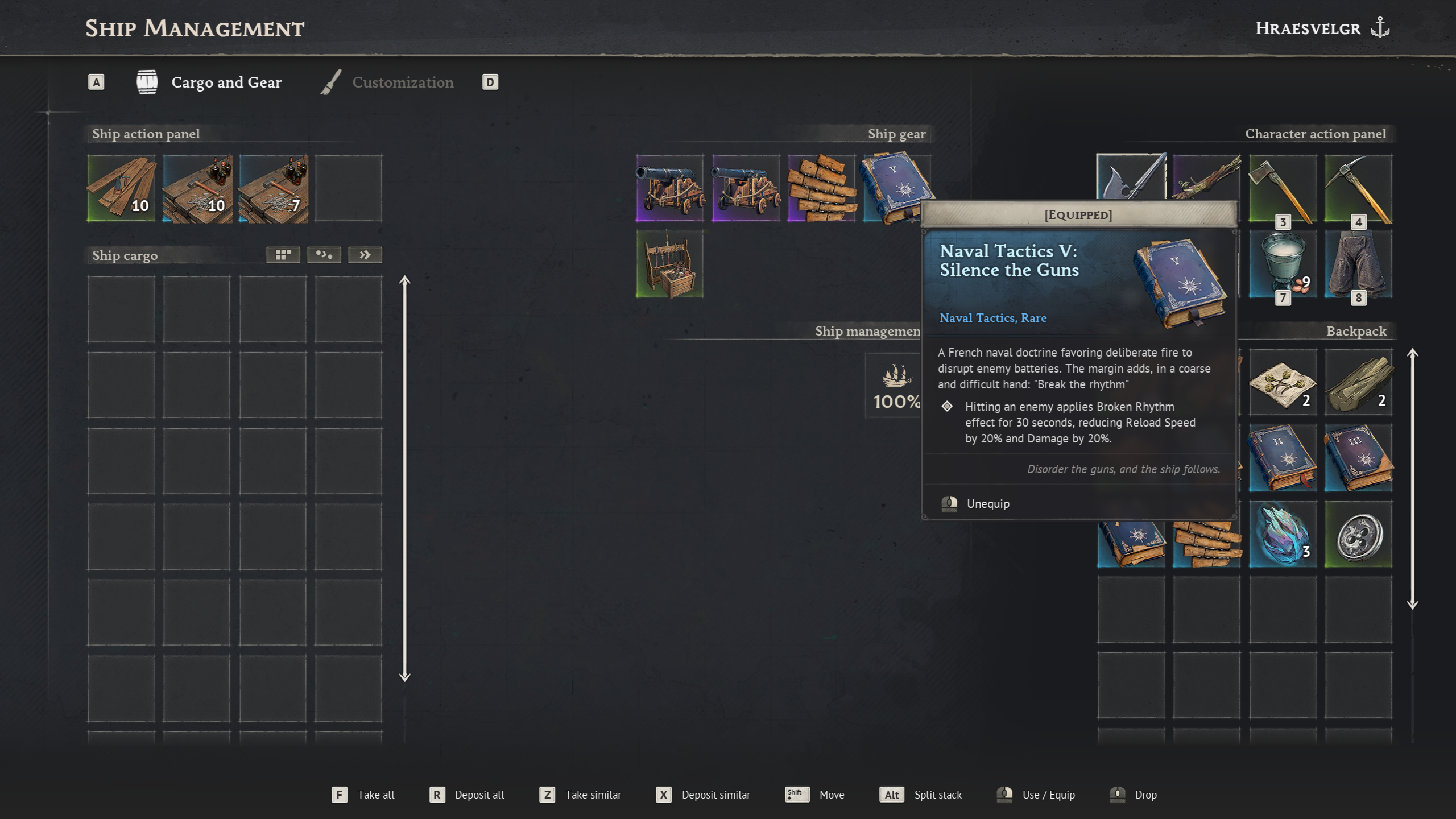
Brig Construction Requirements:
- Nails: 200 (Requires 40 Copper Ingots)
- Copper Ingots: 80 (Processed from 480 Copper Ore and 80 Charcoal)
- Timber: 40 (Refined from 120 Hardwood)
- Wooden Planks: 200 (Processed from 400 Wood)
- Linen Fabric: 40 (Refined from 120 Flax Fiber via Spinning Wheel)
- Coarse Fabric: 120 (Refined from 360 Plant Fiber)
- Rope: 40 (Refined from 120 Plant Fiber)
- Shipwright’s Tools: 30 (Purchased from the Brethren of the Coast Provisioner for 300 piastre)
The Endgame Pinnacle: Frigate Models
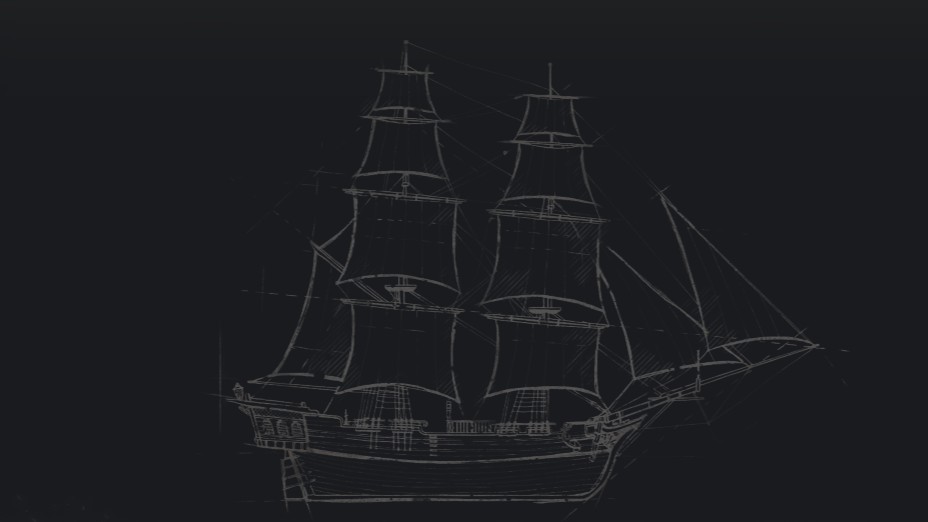
The Frigate represents the current apex of naval engineering in Windrose. These massive vessels feature secondary batteries, allowing for devastating broadsides. The Blackbeard Frigate, despite having lower HP (110,000) than the Brethren variant (200,000), is favored by veteran players for its 20 Max Speed and superior offensive capabilities.
The material requirements for a Frigate are extensive and necessitate the harvesting of Foothills Iron Ore and the production of Tarred components.
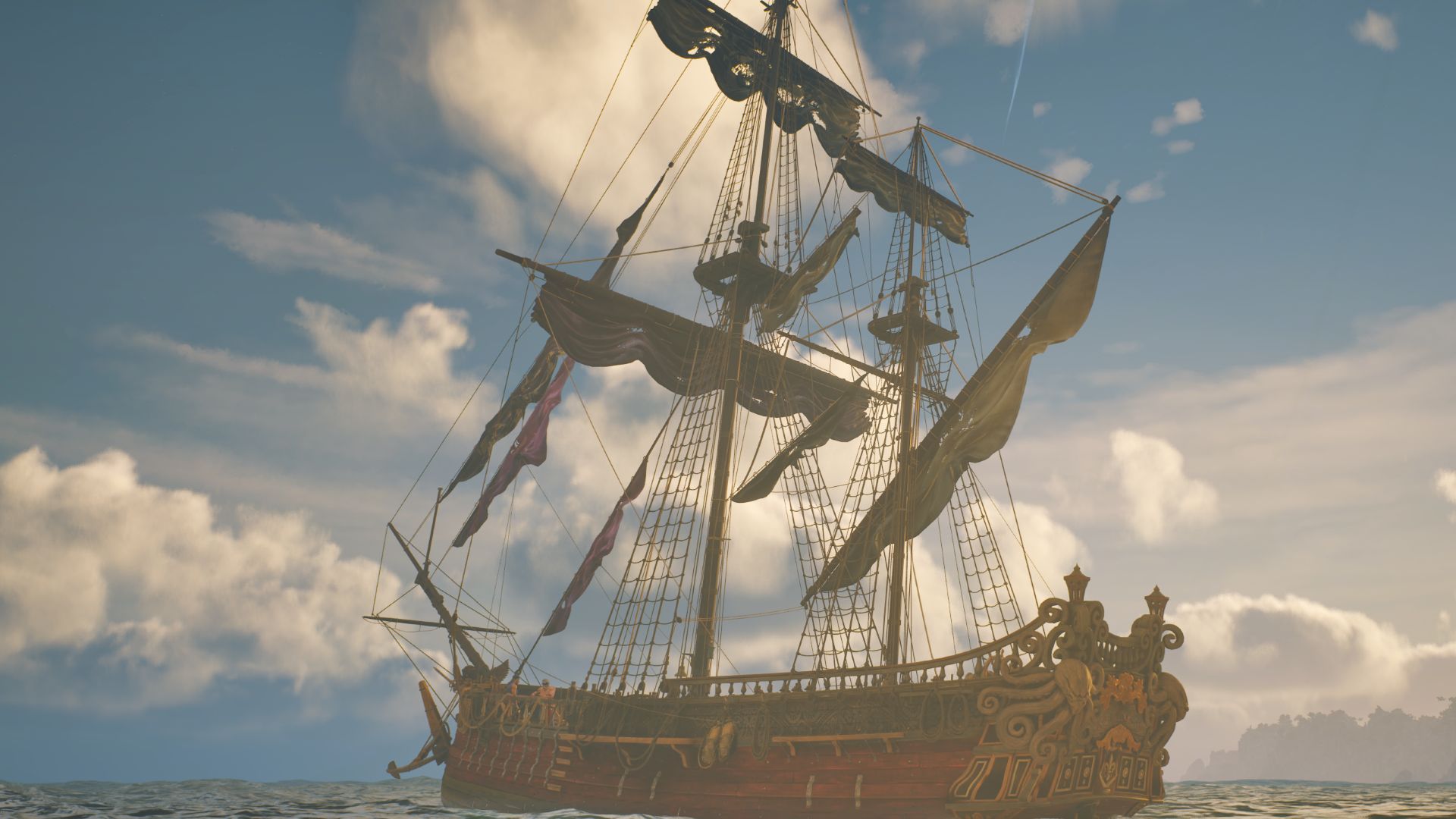
Frigate Construction Requirements:
- Nails: 300 (Requires 60 Copper Ingots)
- Foothills Iron Ingots: 120 (Processed from 360 Iron Ore and 120 Charcoal)
- Wooden Planks: 320
- Timber: 160 (Requires 480 Hardwood)
- Tarred Planks: 80 (Crafted from 80 Wooden Planks and 80 Tar)
- Linen Fabric: 240 (Requires 720 Flax Fiber)
- Tarred Fabric: 80 (Crafted from 80 Linen Fabric and 80 Tar)
- Rope: 80
- Shipwright’s Tools: 50 (Purchased from the Brethren of the Coast Provisioner for 500 piastre)
Equipment and Tactical Systems Analysis
Ship hulls are only as effective as the gear installed within them. Windrose features a modular gear system that allows players to customize their combat style. Based on performance data from the Early Access build, certain equipment pieces have emerged as essential for high-level play.
The Keelhold Hull Bracing Advantage
Perhaps the most significant upgrade available at the Shipwright’s workshop is the Keelhold Hull Bracing. In standard naval combat, taking damage often interrupts the use of repair kits, leading to a "death spiral" where a player cannot recover HP while under fire. The Keelhold upgrade removes this interruption, allowing for continuous repairs during active combat. This single change significantly alters the survivability of both the Brig and Frigate classes.
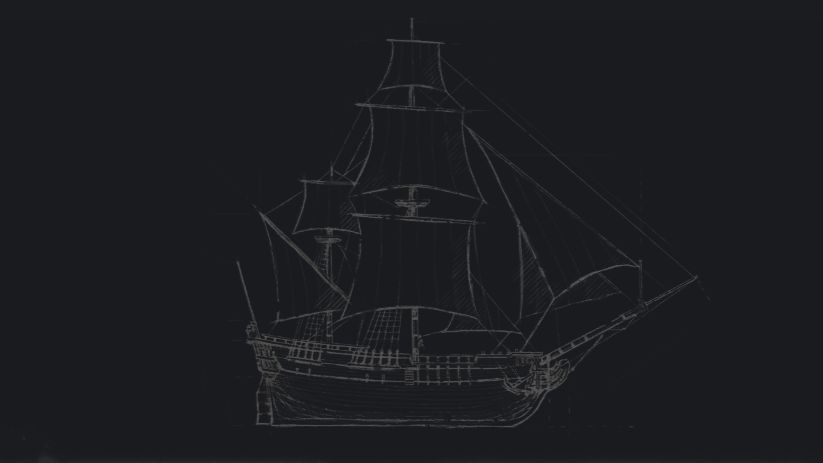
Offensive Volley Mechanics
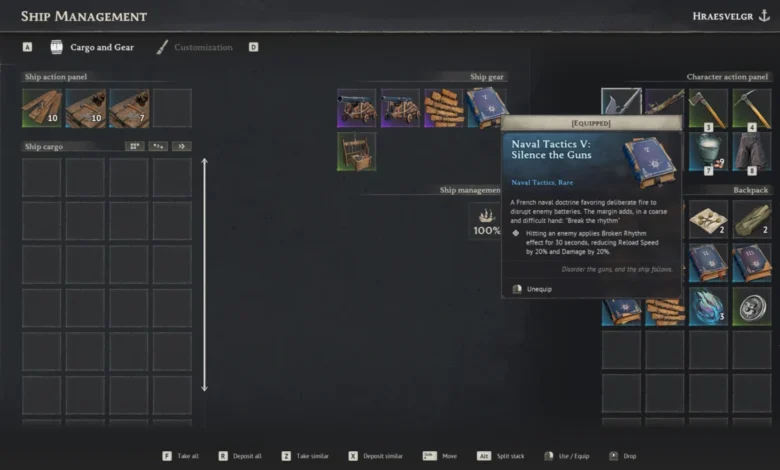
The "Devastating 12-Pounders" serve as the primary cannon recommendation for most builds. Their unique effect—applying the "Raked" status when more than 50% of a volley hits a target—increases all damage dealt to that enemy by 10%, stacking up to three times. When paired with "Naval Tactics V: Silence the Guns," which reduces enemy reload speed and damage by 20% upon impact, players can effectively neutralize larger threats through debuff stacking.
For Frigate users, the "24-Pounders: Perfectly Ordered" secondary battery is recommended. This gear provides a 30% reload speed buff if an enemy is struck within four seconds of a reload, creating a high-cadence firing loop that most AI and player-controlled vessels cannot withstand.
Supporting Data: Economic and Faction Implications
The cost of ship building in Windrose extends beyond raw materials. The "piastre economy" is heavily influenced by faction relations. Players must interact with the Buccaneers Provisioner, the Smugglers Provisioner, and the Brethren of the Coast to acquire specific blueprints and tools.
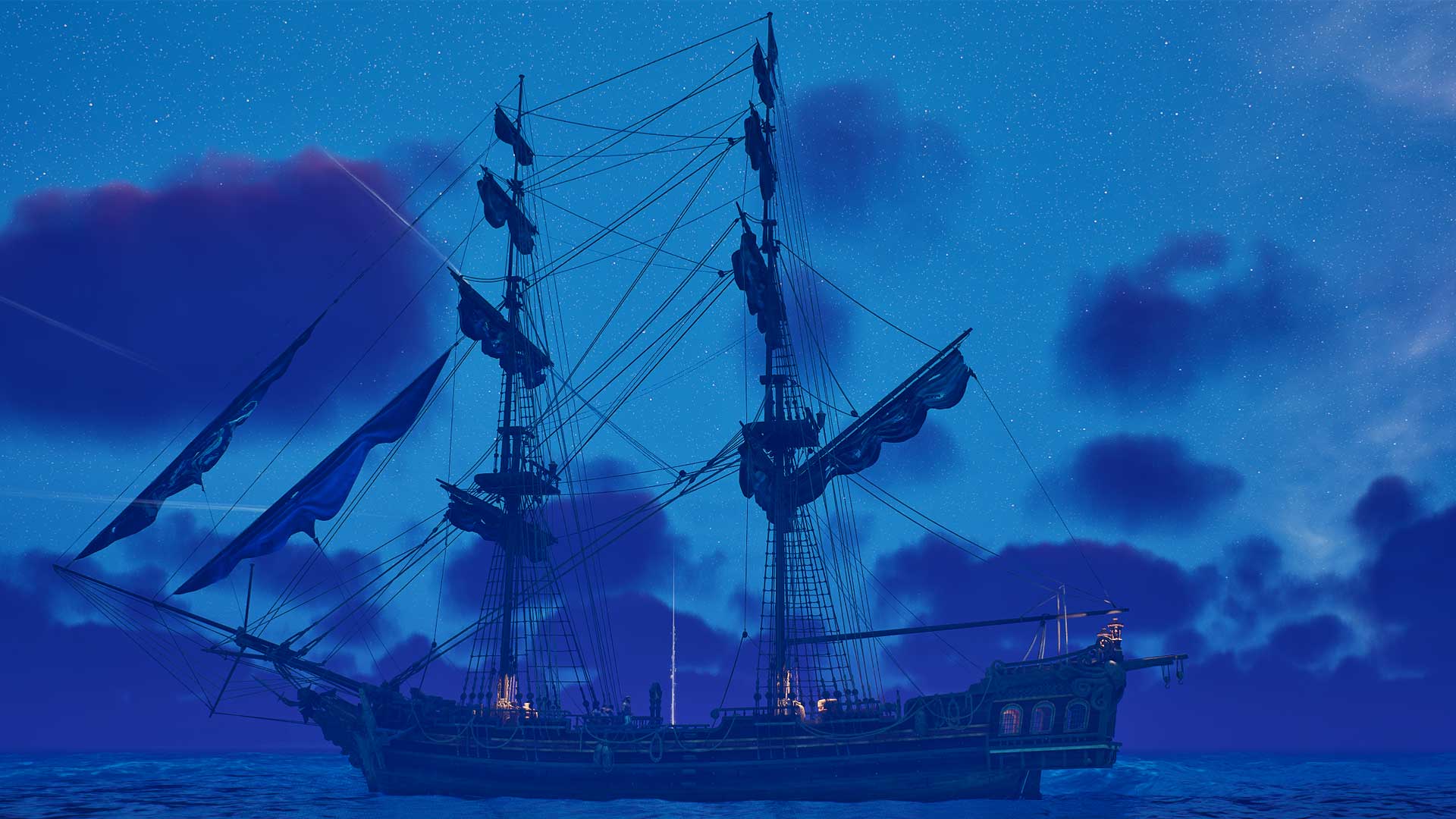
A full Frigate build, including blueprints and Shipwright’s Tools, can cost upwards of several thousand piastre. This necessitates a robust trading and raiding strategy. Observers note that the Brethren Frigate’s 52 Cargo Size makes it the ideal vessel for high-volume trade runs to fund these expensive military upgrades, whereas the Blackbeard variants are optimized for the raids themselves.
Official Context and Developer Trajectory
Kraken Express has indicated that the current ship tiers are subject to balancing adjustments as Early Access progresses. Recent patches have focused on the "Restoration Cost" of vessels, which scales with the ship’s tier. High restoration costs for Frigates serve as a gold sink for endgame players, ensuring that losing a massive vessel in combat carries significant weight.
Furthermore, the developers have hinted at the introduction of more "Boarding Party Gear" in future updates. Currently, players must rely on workshop upgrades to improve their crew’s boarding power, but the framework exists for a more robust marine-based combat system.
Broader Impact and Conclusion
The ship-building system in Windrose is more than a simple progression ladder; it is a complex simulation of naval logistics and tactical decision-making. By choosing between the durability of the Brethren models and the lethal efficiency of the Blackbeard models, players define their role within the game’s world.
The transition from the Ketch to the Brig, and finally to the Frigate, requires a disciplined approach to resource gathering and a keen understanding of the synergy between hull types and equipment. As the game continues to evolve in Early Access, the strategies outlined—specifically the prioritization of the Keelhold Hull Bracing and the calculated jump from the Brethren Brig to the Blackbeard Frigate—remain the most effective methods for mastering the digital Caribbean. For the aspiring pirate captain, the path to glory is paved with copper nails, iron ingots, and the strategic application of devastating 12-pound volleys.