The Return of the Justice League and the Escalation of Global Metahuman Governance: A Comprehensive Analysis of Kingdom Come Chapter Two

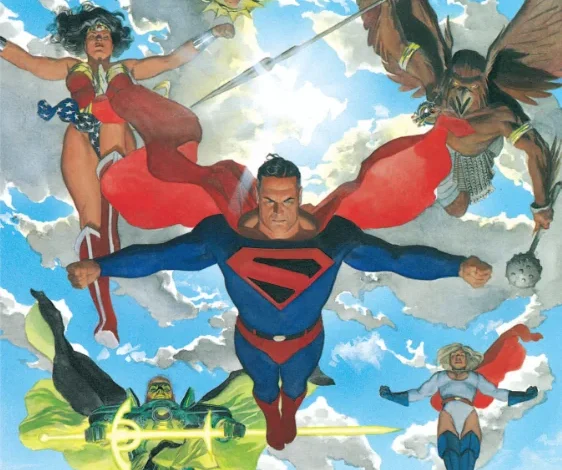
The emergence of the Justice League from its decade-long retirement has triggered a profound shift in the global geopolitical landscape, moving the world away from the chaotic, localized vigilante conflicts that defined the post-Superman era and toward a centralized, albeit controversial, system of metahuman oversight. As the international community grapples with the fallout of the Kansas disaster and the rise of a new, volatile generation of metahumans, the Justice League’s return has prompted an urgent debate regarding the legitimacy of non-state actors wielding absolute power. This analysis examines the progression of these events, the ideological divergence between the League and autonomous tech-security networks, and the resulting instability within Earth-22’s sociopolitical framework.
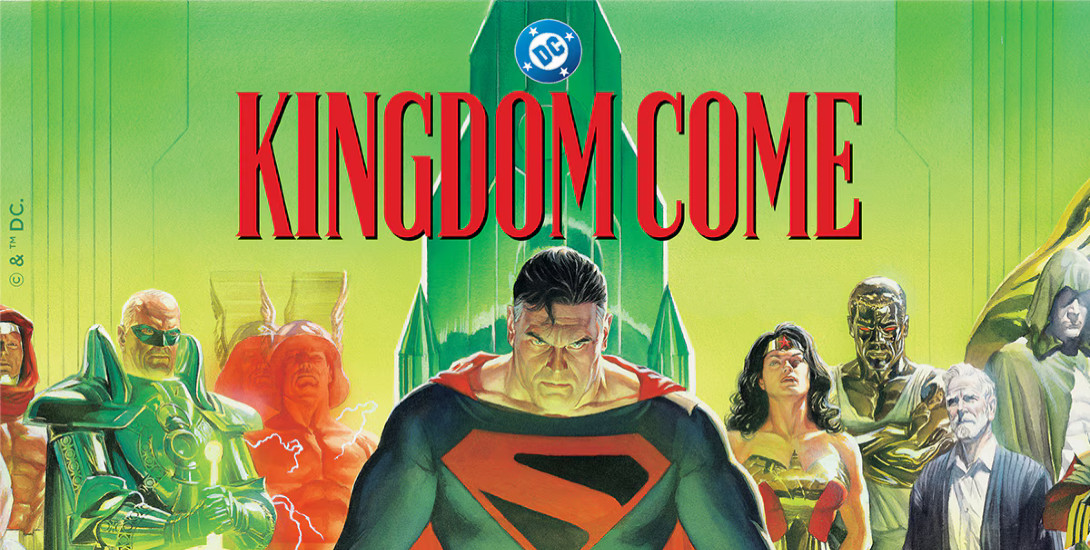
Chronology of Recent Metahuman Developments
The current escalation follows a period of extreme instability characterized by the "Magog Era," during which the public favored aggressive, lethal justice over traditional due process. Key events in the current timeline include:
- The Kansas Catastrophe: A massive metahuman battle resulted in the destruction of the American Midwest, leading to widespread loss of life and a collapse in public trust regarding unregulated metahuman activity.
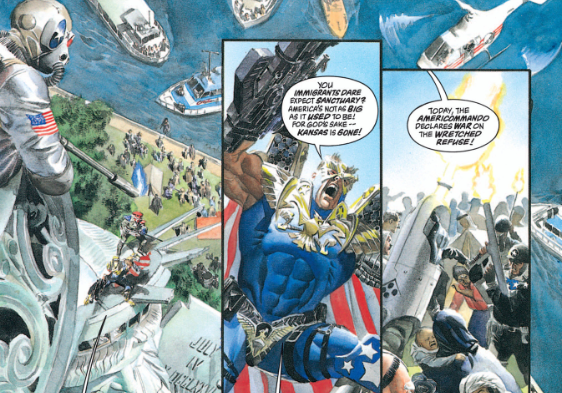
- The Re-emergence: Superman, responding to the escalating violence of the new generation, initiated a public return of the Justice League, beginning with the intervention at the Statue of Liberty.
- United Nations Press Conference: The League declared its intent to "restore order," effectively bypassing established diplomatic channels.
- The Formation of the Gulag: The establishment of an off-world, hyper-secure detention facility designed to house metahumans deemed too dangerous for traditional incarceration.
- The Luthor-Wayne Coalition: The recent, unprecedented alignment of Lex Luthor’s Mankind Liberation Front and Bruce Wayne’s surveillance-based security apparatus to challenge the League’s growing influence.
The Crisis of Authority at the United Nations
The Justice League’s return to the public stage has been marked by a significant lack of coordination with the United Nations or sovereign governments. During a high-profile press conference at the U.N. headquarters, Superman signaled that the League would operate as an independent moral arbiter. This declaration has sparked significant pushback from world leaders who view the League’s unilateral actions as an infringement on national sovereignty.
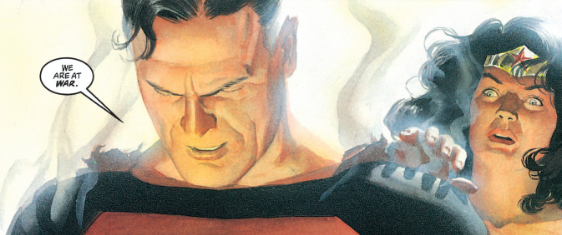
From a governance perspective, the League occupies a precarious position. While they possess the raw power to neutralize threats—such as the recent skirmish at the Statue of Liberty involving the extremist group known as the Minutemen—they lack the democratic mandate to dictate global policy. Legal experts note that when individuals who are not elected officials, judges, or appointed law enforcement begin to enforce "truth and justice" through force, the boundary between protection and occupation becomes increasingly blurred.
Technological Surveillance and the Gotham Model
Parallel to the Justice League’s physical interventions, Bruce Wayne has pioneered a distinct, technology-centric approach to social order. Operating from an expanded network that spans Gotham and Star City, Wayne has utilized automated, robotic surveillance and response units. Unlike the League’s "direct intervention" strategy, the Wayne model relies on data-driven, preemptive suppression of criminal activity.
However, this model has raised severe ethical concerns regarding privacy and the constitutional rights of citizens. The implementation of a surveillance state that monitors movement, facial structure, and communication patterns without public oversight creates a secondary, and arguably more insidious, form of total control. Critics argue that Wayne’s shift toward a high-tech police state is a reaction to the failure of the justice system, yet it creates a perpetual environment of paranoia. The integration of artificial intelligence and automated law enforcement in Gotham serves as a prototype for what some fear could become a permanent, global reality, where human rights are sacrificed for a narrow definition of public safety.
The Strategic Shift of the Mankind Liberation Front
The third major actor in this power struggle is the Mankind Liberation Front (MLF), led by Lex Luthor. Following the destruction of major detention centers like Arkham and Belle Reve, the MLF has successfully integrated many surviving metahumans into a curated "superhero" force. Current intelligence suggests that while these individuals are marketed as heroes, they are deliberately instigating conflicts to further erode public trust in the original Justice League.
Luthor’s strategy relies on a calculated escalation of instability. By forcing the Justice League to take increasingly drastic measures—such as the creation of a massive, extra-legal prison facility—Luthor and his coalition hope to provoke a global uprising against all metahumans. The unexpected alliance between Luthor and Wayne represents a significant pivot in the conflict. While their ideological foundations differ—Wayne seeks order, while Luthor seeks the total eradication of metahuman influence—they are united by a common objective: the dismantling of the Justice League’s current monopoly on power.
Implications for Global Security
The broader impact of these developments is the solidification of a tripartite power structure. On one side, the Justice League seeks to impose a "pax-metahumana" through force and moral persuasion. On the second side, Bruce Wayne’s network utilizes surveillance and technological dominance to maintain a controlled, albeit repressed, societal environment. On the third side, the MLF manipulates these two forces to drive humanity toward a breaking point.
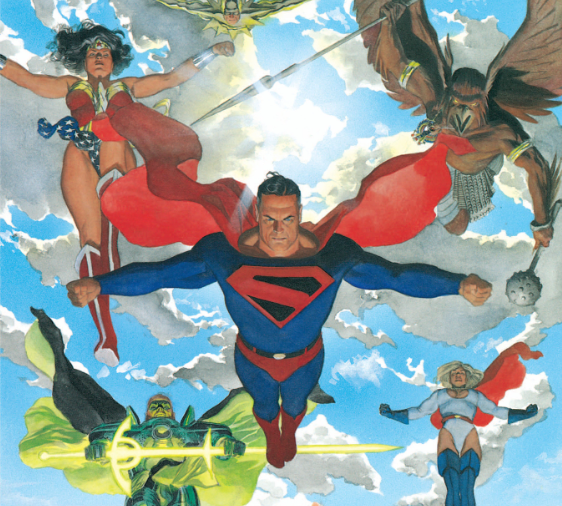
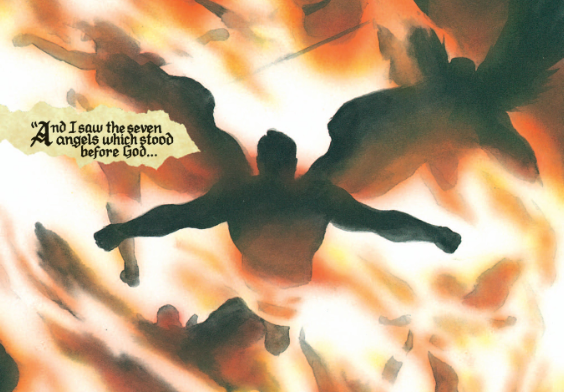
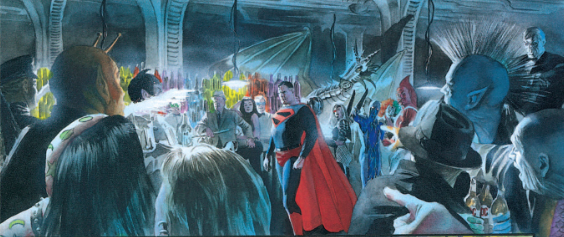
Data from recent months indicates that public confidence in the Justice League is already beginning to fluctuate. While many citizens initially welcomed the return of "The Angels," the increasingly militant nature of the League’s operations—such as the destruction of property in night clubs and the forced detention of unauthorized metahumans—has caused widespread unease. The internal friction between Superman and Wonder Woman further highlights the fragility of this restoration. Wonder Woman’s growing impatience with diplomatic efforts suggests that the League may soon abandon even the veneer of cooperation with human authorities.
Conclusion: The Cost of Order
The fundamental question facing the international community remains: what is the cost of order when it is delivered by self-appointed, untouchable entities? As the Justice League moves to detain all metahumans who refuse to submit to their hierarchy, they are effectively concentrating massive, volatile power in a single, high-security location. This "Gulag" strategy, intended to prevent the next Kansas-level disaster, ironically creates a singular point of failure that could lead to catastrophic consequences should the prison be breached.
As of late 2026, the world stands at a critical juncture. The reliance on super-powered individuals or technological surveillance to bypass the cumbersome, yet protective, mechanisms of law and justice has stripped the public of their ability to govern their own destiny. Whether through Superman’s "force-backed" morality or Wayne’s total surveillance, the erosion of the social contract is evident. Without a return to legal transparency and democratic accountability, the ongoing conflict among these factions threatens to produce a future that is not only unstable but profoundly devoid of the very freedoms the heroes once fought to protect. The coming confrontation, centered on the fate of those caught between these competing systems, will likely define the trajectory of the 21st century.