Nagoshi Studio Officially Closes Its Doors as NetEase Pulls Funding and Cancels Gang of Dragon

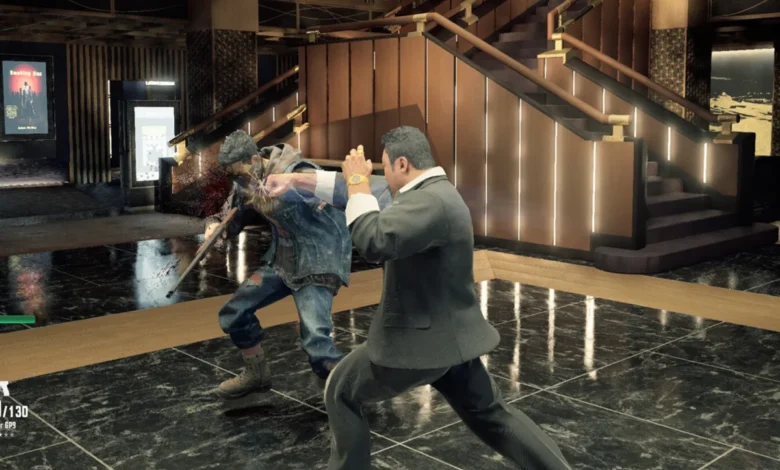
The video game industry has suffered another major blow to its creative landscape with the official closure of Nagoshi Studio, the Tokyo-based developer founded by legendary game creator Toshihiro Nagoshi. Alongside the studio’s shutdown, its debut project, the gritty crime thriller Gang of Dragon, has been effectively cancelled. The closure comes months after primary financial backer NetEase abruptly withdrew its financial support, leaving the studio unable to secure the massive capital required to finish production.
The dissolution of the studio marks a somber milestone for Toshihiro Nagoshi, widely celebrated across the global gaming community as the visionary mastermind behind Sega’s critically acclaimed and commercially successful Yakuza and Like a Dragon franchises. After decades of shaping Sega’s identity, Nagoshi’s departure from the publisher in late 2021 sent shockwaves through the industry. Shortly thereafter, he established Nagoshi Studio under the corporate umbrella of Chinese tech and gaming giant NetEase, promising fans a continuation of his signature cinematic storytelling, intense drama, and visceral crime-drama settings.
However, regulatory filings in the Japanese government gazette Kanpo have now officially confirmed that Nagoshi Studio has ceased operations entirely. The closure leaves a profound void in the Japanese development scene and highlights the deepening crisis facing mid-to-large-scale independent studios reliant on volatile overseas investment.
A Timeline of Ascent and Sudden Collapse
The swift rise and fall of Nagoshi Studio can be traced across a turbulent five-year timeline that reflects the broader economic shifts within the interactive entertainment sector.
In late 2021, Toshihiro Nagoshi officially departed from Sega after 32 years of service. Backed by NetEase Games, he established Nagoshi Studio as a wholly owned subsidiary based in Tokyo, aiming to foster creative freedom and build high-end, globally appealing console titles. The studio slowly staffed up, drawing industry veterans who had previously collaborated with Nagoshi on his most famous works.
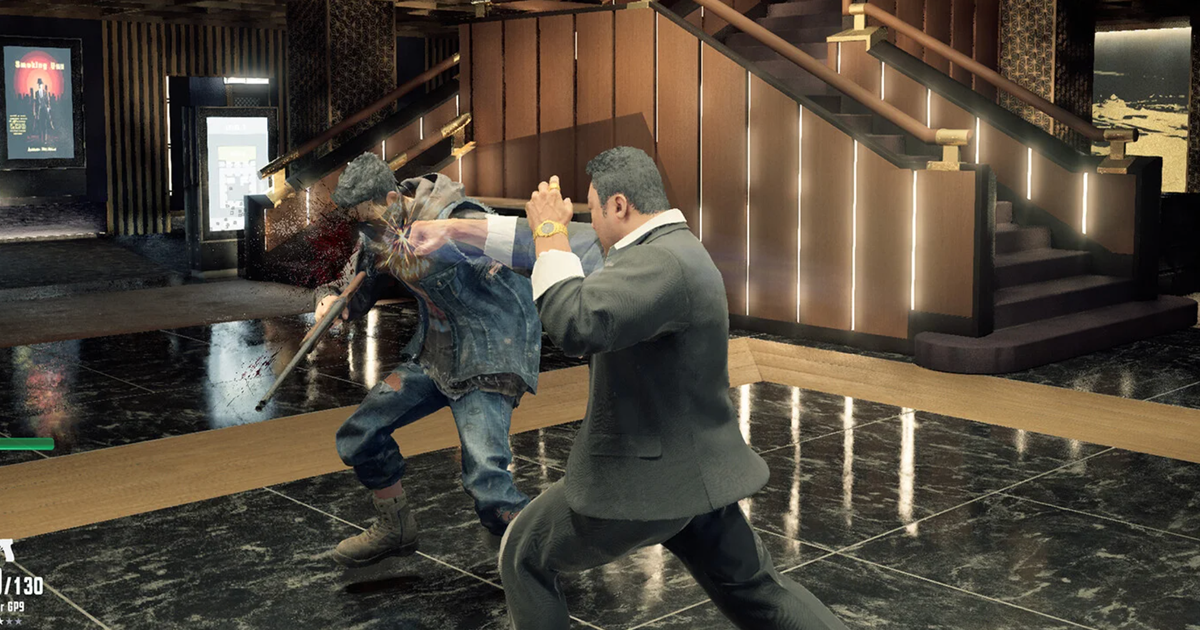
For years, the studio operated largely in the shadows, building its foundational systems and crafting its inaugural intellectual property. The anticipation finally culminated at The Game Awards in December 2025, where Nagoshi proudly stepped onto the global stage to unveil the world premiere trailer for Gang of Dragon. The debut showcased the trademark high-stakes criminal underworld themes, dramatic character interactions, and violent action sequences that fans had come to expect from Nagoshi’s portfolio. Furthermore, the trailer stunned viewers by revealing that the game would star internationally acclaimed South Korean actor Ma Dong-seok—widely known for his powerhouse performances in the blockbuster zombie thriller Train to Busan and Marvel Studios’ Eternals.
Despite the high-profile reveal and enthusiastic public reception, the studio’s financial reality was crumbling behind the scenes. Just weeks after the trailer broadcast, internal pressures mounted as NetEase began reevaluating its global investments. Reports surfaced that Nagoshi Studio required an additional £33.1 million (approximately $44.4 million USD at the time) to push Gang of Dragon through the remainder of its production cycle and achieve commercial release. Faced with this substantial capital requirement, NetEase ultimately declined to provide further funding, placing the studio’s immediate future in extreme jeopardy and setting the stage for the liquidation processes finalized in late 2026.
NetEase and the Changing Landscape of International Investment
The demise of Nagoshi Studio is not an isolated incident, but rather part of a sweeping retrenchment strategy executed by NetEase and several other major Chinese and Western publishing conglomerates over recent years. Faced with tightening economic conditions, shifting consumer habits, and a cooling global venture capital market, major tech firms have systematically scaled back their speculative investments in overseas AAA game development.
NetEase, in particular, has aggressively recalibrated its international portfolio. The company has experienced varying degrees of turbulence across its numerous partnered studios. Earlier, Visions of Mana developer Ouka Studios faced sudden closure mere days after the successful launch of its visually stunning action-role-playing game. Similarly, Worlds Untold—a newly established AAA studio founded by Mass Effect veteran narrative director Mac Walters—was forced to temporarily halt operations as it scrambled to find a new publishing partner. In parallel, a studio headed by Halo Infinite design veteran Jerry Hook ran into remarkably similar headwinds, pausing active work on its debut intellectual property after losing crucial financial backing.
While some high-profile figures managed to weather the storm—most notably Suda51’s Grasshopper Manufacture, which successfully executed a management buyout to regain full independence—the broader macroeconomic climate has proven hostile to newly founded studios that lack an immediate, self-sustaining revenue stream. The reliance on single-source funding from massive multinational corporations has increasingly become a precarious tightrope walk for creative directors attempting to forge independent paths.
The Creative Loss of Gang of Dragon and Ma Dong-seok’s Involvement

The cancellation of Gang of Dragon represents a significant loss for fans of mature, narrative-driven action games. Toshihiro Nagoshi carved out a distinct niche in the industry by blending hyper-stylized Japanese criminal underworld narratives with approachable, hard-hitting brawler gameplay and deep, character-driven subplots.
Gang of Dragon was positioned as the spiritual evolution of this philosophy on a global scale. By enlisting Ma Dong-seok—an actor renowned for his imposing physical presence, deadpan comedic timing, and magnetic screen intensity—Nagoshi intended to bridge Japanese game design sensibilities with broader international cinematic action tropes. The casting of Ma Dong-seok hinted at a game that would lean heavily into raw, kinetic choreography and grounded, brutal confrontation, stepping away from the fictional Japanese districts of Kamurocho to explore a wider, perhaps transnational criminal landscape.
With the studio shuttered and the project shelved, the future of the assets, engine work, and conceptual designs remains entirely uncertain. Given NetEase’s ownership stake and the formal legal closure of the corporate entity, it is highly unlikely that Gang of Dragon will ever see the light of day in its intended form, leaving fans to mourn a promising collaboration that was cut short before it could truly begin.
Industry Implications and the Future of Creator-Led Studios
The closure of Nagoshi Studio serves as a cautionary tale regarding the structural fragility of modern AAA game development. As budgets for high-end console and PC titles routinely soar past the hundred-million-dollar mark, the margin for error has evaporated. Even industry titans with proven track records, such as Toshihiro Nagoshi, find themselves vulnerable to corporate pivots and shifting financial priorities far beyond their direct control.
This event underscores a growing industry-wide debate about the sustainability of the traditional studio-publisher model. As international conglomerates grow increasingly risk-averse, creators are forced to weigh the immense financial security offered by tech giants against the catastrophic risk of sudden funding withdrawal.
For Toshihiro Nagoshi himself, the closure marks an abrupt and painful chapter in an otherwise illustrious career. Whether the veteran director chooses to seek out alternative funding sources, join an established publisher, or step away from the industry entirely remains to be seen. However, the loss of Nagoshi Studio and Gang of Dragon stands as a stark reminder that creative pedigree alone is no longer enough to insulate developers from the harsh financial realities of the contemporary global gaming market.