A Macabre Pilgrimage: Exploring the Intersection of Horror Fiction and History in New Orleans

New Orleans serves as a profound intersection where the visceral reality of historical trauma meets the stylized aesthetic of supernatural fiction, cementing its reputation as the epicenter of American gothic culture. While many major metropolitan areas treat their darker chapters as facets of municipal archives, New Orleans integrates its morbid history into the daily rhythm of the city. This synthesis of the esoteric, the historical, and the macabre has transformed the city into a living set piece for numerous cultural phenomena, from the literary works of Anne Rice to the televised portrayals of the occult in shows like American Horror Story: Coven.
The Historical Foundations of the Occult Capital
The city’s reputation for the supernatural is rooted in a complex historical narrative. Its unique position as a port of entry during the colonial era fostered a collision of cultures, including French, Spanish, West African, and Caribbean influences. This convergence led to the development of unique religious and spiritual practices, including Louisiana Voodoo and Vodou, which have been historically misunderstood and often exploited for entertainment.

The architectural landscape, characterized by above-ground tombs necessitated by the city’s high water table and low elevation, creates an inherent atmosphere of gothic permanence. St. Louis Cemetery No. 1, established in 1789, remains one of the most significant sites for this architectural phenomenon. It serves as the final resting place for figures of immense historical gravity, including Homer Plessy of the landmark civil rights case Plessy v. Ferguson, as well as the famed voodoo practitioner Marie Laveau. The management of these sites by the Archdiocese of New Orleans highlights the ongoing tension between public tourism and the preservation of sacred burial grounds.
Chronology of Cinematic and Literary Influence
The city’s influence on horror media is not merely incidental; it is foundational. Throughout the 20th and 21st centuries, New Orleans has acted as the primary backdrop for exploring themes of immortality, ancestral guilt, and the supernatural.
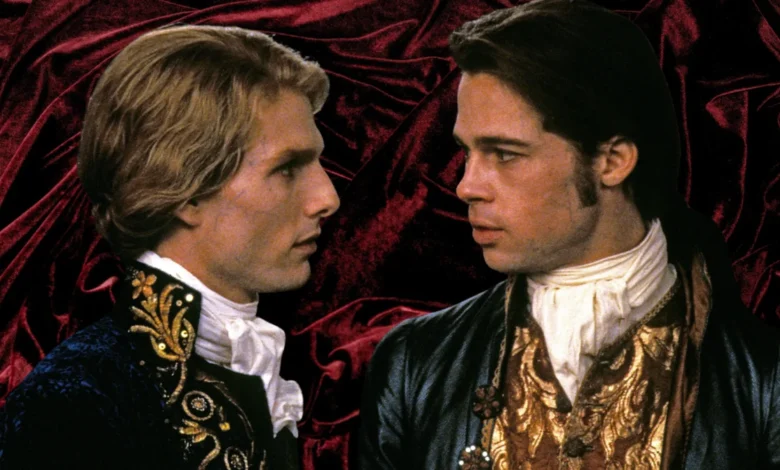
- 1976: Anne Rice publishes Interview with the Vampire, forever linking the romanticized archetype of the vampire to the architecture of the French Quarter and the Garden District.
- 1987: The release of the psychological horror film Angel Heart, directed by Alan Parker, utilizes the city’s claustrophobic humidity and decaying grandeur to explore occult themes.
- 2005: The Skeleton Key brings folk horror into the mainstream, focusing on the specific regional lore of hoodoo and plantation history.
- 2013: The premiere of American Horror Story: Coven revitalizes interest in the historical figures of Madame LaLaurie and Marie Laveau, sparking a massive surge in "dark tourism" to the city.
- 2022–Present: The television adaptation of Interview with the Vampire introduces a new generation to the gothic sensibilities of the city, reinforcing its status as a primary character in modern horror narratives.
Economic and Cultural Impact of Dark Tourism
Dark tourism—travel directed toward places historically associated with death and suffering—represents a significant portion of the New Orleans tourism economy. Industry reports suggest that visitors interested in ghost tours, historical hauntings, and occult lore contribute tens of millions of dollars annually to the local economy.

Operators such as Haunted History Tours provide a structured entry point for this market, capitalizing on the city’s documented history of fires, yellow fever outbreaks, and the brutal reality of the antebellum era. The Andrew Jackson Hotel, for instance, remains a focal point for those interested in the city’s medical history and the aftermath of the Great Fire of 1794. These tours often bridge the gap between historical fact and urban legend, providing a narrative framework for the city’s more harrowing experiences.
The Commercialization of the Supernatural
The demand for immersive experiences has led to the development of specialized businesses that cater specifically to the horror enthusiast. Establishments such as the Vampire Cafe and the Boutique du Vampyre have successfully commercialized the vampire aesthetic. These venues are not merely service providers; they function as nodes in a broader subculture that seeks to participate in the gothic lifestyle.
The logistical challenges of these businesses—such as long wait times during the peak October season—illustrate the sheer volume of interest in supernatural-themed attractions. The ability of these businesses to integrate into the existing fabric of the French Quarter demonstrates a sophisticated understanding of their target demographic: individuals seeking to engage with the aesthetic of horror within a controlled, commercial environment.

Social Implications and Ethical Considerations
The intersection of entertainment and historical reality carries significant ethical weight. When sites like the Buckner Mansion—the filming location for Miss Robichaux’s Academy in American Horror Story—become centers of tourist pilgrimage, the boundary between historical site and pop-culture monument blurs. The Buckner Mansion, a private residence, serves as a testament to the city’s architectural history, yet its popularity is driven almost exclusively by its fictional associations.
Furthermore, the public discourse surrounding figures like Madame LaLaurie requires a careful balance between acknowledging historical atrocities and preventing the "glorification" of historical villains. Cultural critics often argue that while horror media has brought global attention to New Orleans, it risks reducing the city’s complex history to a mere aesthetic palette.
Broader Context: The Legacy of Anne Rice
Perhaps no individual has had a greater impact on the city’s modern identity than the late novelist Anne Rice. Her work did not simply use New Orleans as a backdrop; it elevated the city to the status of a sentient character. Her narratives surrounding the Vampire Lestat and the Talamasca helped foster a global community of readers who view New Orleans through a lens of profound reverence.

The ongoing relevance of her work, particularly through the recent television series, ensures that the city remains the primary destination for those interested in the literature of the macabre. The preservation of her former residences and the continued academic study of her influence on the gothic genre signify that her contributions to the city’s culture are firmly cemented.
Conclusion: A City Defined by Its Shadows
New Orleans remains a unique case study in the power of place. By embracing its morbid, often painful history, the city has crafted an identity that is both authentic and deeply commodified. For the traveler, this offers an opportunity to engage with the past in a way that is both intellectually stimulating and aesthetically immersive. However, it also demands a level of sensitivity toward the real human tragedies that underpin the city’s supernatural reputation.
As New Orleans continues to evolve, its relationship with the horror genre remains a vital component of its economic and cultural health. Whether through the lens of a ghost tour, a visit to a historic cemetery, or the simple appreciation of its architectural heritage, the city ensures that the boundary between the living and the dead remains perpetually thin. For those who seek to understand the darker edges of the American experience, there is perhaps no better place to begin the investigation than the streets of the Crescent City.
Related posts: