Silver Pines Review: A Deep Dive into Wych Elm Games and Team17’s Neo-Noir Psychological Horror Title

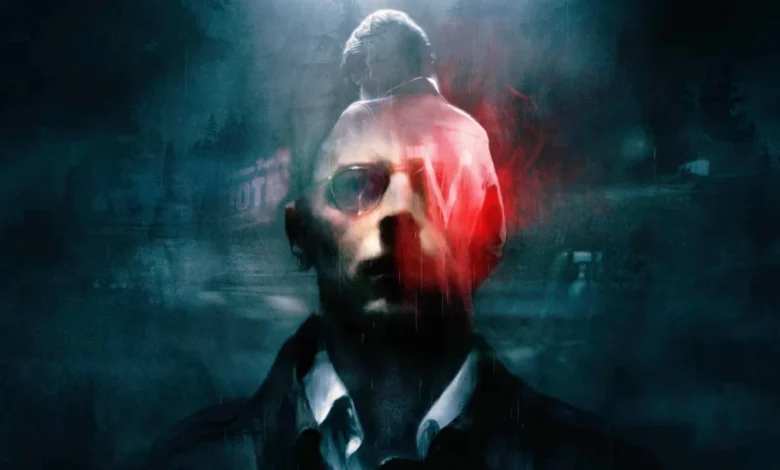
Developed by Wych Elm Games and published by Team17, Silver Pines represents a distinct intersection of classic survival horror mechanics and exploratory Metroidvania design. Set within a fictional, rain-drenched American town caught in the grips of an impending storm, the title blends 1950s aesthetic markers with heavy psychological horror tropes, evoking comparisons to seminal television works like Twin Peaks and interactive media such as the Silent Hill series.
The narrative thrust of the project centers on private investigator Red Walker, an amnesiac protagonist wrestling with a hazy recollection of events, a Valium-dependent demeanor, and a cryptic missing persons case involving a musician named Eddie Velvet. As the software makes its way to the broader gaming market, critics and players alike have begun evaluating its success in marrying atmospheric storytelling with rigid, uncompromising old-school mechanics.
Main Facts and Aesthetic Framework
Silver Pines establishes its tone immediately through a carefully constructed opening sequence. Players assume control of Walker inside a boarded-up, pitch-black 1950s diner as the town braces for severe weather. A ringing public telephone outside the establishment provides the inciting incident, directing Walker toward a motel room and initiating a sprawling investigation.
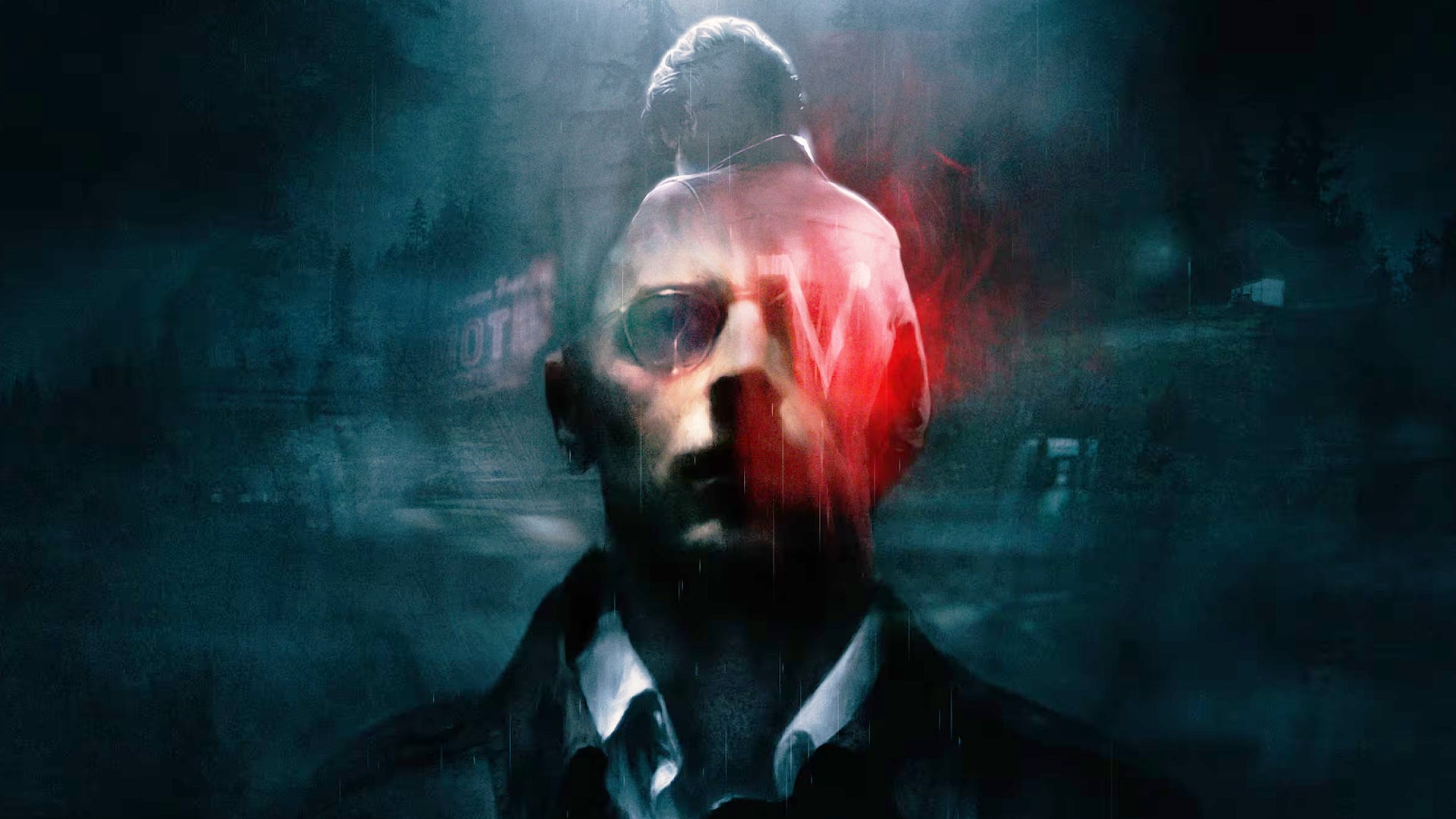
Aesthetically, the project relies on a painterly 2D art style characterized by layered background assets, stark contrasts of light and shadow, and rotoscoped character animations. The visual presentation is complemented by a minimalist, ambient electronic soundscape featuring wind, rain, and subtle synth drones that border on ASMR. According to early development updates from Wych Elm Games, the team prioritized a deliberate, sluggish pacing to allow players to absorb the disheveled melancholy of the fictional municipality.
The structural foundation of Silver Pines deviates from traditional linear horror by employing an interconnected map layout. Players navigate through damp exterior environments and decaying interior spaces, unlocking new pathways and bypassing obstacles retroactively as they acquire specialized equipment. Progression relies on exploration, environmental puzzle-solving, and the strategic deployment of tools such as box cutters to clear plastic-sealed corridors and firearms to destroy rusted padlocks. Notably, the game includes an integrated photography mechanic, enabling users to capture points of interest and pin them directly to their in-game maps for future reference.
Chronology and Development Background
The conceptualization of Silver Pines began several years prior to its commercial release, spearheaded by independent studio Wych Elm Games. Utilizing Team17’s publishing label to secure a wider global distribution network, the development team focused on refining the title’s atmospheric identity and pacing.
- Pre-Production and Concept Phase: Wych Elm Games conceptualized Silver Pines as a hybrid genre piece, combining the claustrophobia of 1990s survival horror with the non-linear progression models popularized by Metroidvania titles.
- Visual and Audio Design Integration: The studio implemented a multi-layered 2D rendering pipeline, hand-painting assets to evoke a drab, desolate atmosphere heavily inspired by early cinematic psychological thrillers and neo-noir conventions.
- Publisher Partnership: Team17 announced its publishing agreement with Wych Elm Games, positioning Silver Pines as a key indie release in its portfolio aimed at fans of narrative-driven, atmospheric horror.
- Public Release and Initial Reception: The title launched to generally favorable reviews, drawing praise for its world-building, sound design, and artistic direction, alongside pointed critiques regarding its punishing difficulty curves and resource management loops.
Supporting Data and Mechanics Analysis
The core gameplay loop of Silver Pines relies on resource scarcity and high-stakes decision-making, parameters that define the modern survival horror subgenre. Players must manage limited ammunition, fragile melee weaponry, and restorative items. However, the game introduces a unique economic constraint by tying multiple critical functions to a single, finite currency: coins discovered throughout the environment.
In Silver Pines, coins serve a dual purpose. They act as the primary currency for purchasing essential supplies—such as duct tape, healing items, and ammunition—from automated vending machines scattered across the map. Simultaneously, coins are required to activate telephone boxes to save the player’s progress. This design choice concentrates operational risk into a single resource pool.
| Resource Type | Primary Function | Scarcity Level | Impact on Gameplay |
|---|---|---|---|
| Coins | Saving progress / Purchasing supplies | Extremely Low | Forces high-risk choices between survival and permanence of progress. |
| Ammunition | Ranged combat / Threat elimination | Low | Mandates strategic avoidance over direct confrontation. |
| Box Cutters / Melee | Environmental access / Close combat | Moderate | Subject to degradation, requiring careful management of swing counts. |
This mechanic enforces an analytical playstyle. Users must calculate route planning, track enemy patrol patterns, and minimize unnecessary combat encounters to preserve weapons and save opportunities. While this design successfully engenders a persistent sense of dread and vulnerability, it also introduces significant friction during exploratory phases, where long stretches of uneventful traversal can be abruptly terminated by unforeseen hazards, necessitating the repetition of large blocks of gameplay.
Official Responses and Studio Intentions
Representatives from Wych Elm Games have maintained that the deliberate pacing and strict save requirements are intentional artistic choices designed to subvert modern trends of friction-free gaming. Speaking on the design philosophy behind Silver Pines, development leads emphasized that modern horror often sacrifices genuine tension by removing the fear of permanent failure.
"The objective was never to create a streamlined action experience," a studio spokesperson noted during a promotional developer diary. "Horror requires vulnerability. If a player knows their progress is secured at every corner, the psychological weight of the environment diminishes. We wanted every decision—from how to spend a single coin to whether to engage an enemy or flee—to carry tangible weight."

Partner publisher Team17 echoed these sentiments, framing Silver Pines as a bold counter-programming effort against homogenized, fast-paced action titles. Market analysts tracking indie game distributions observe that while such uncompromising design choices can alienate mainstream audiences seeking immediate gratification, they effectively cultivate a dedicated core demographic of survival horror enthusiasts who value systemic depth and historical homage.
Broader Impact and Industry Implications
The release of Silver Pines highlights an ongoing debate within the video game industry regarding the balance between nostalgic design conventions and contemporary accessibility standards. As independent studios increasingly revisit the mechanics of late-20th-century survival horror and adventure games, developers face the challenge of honoring source material—such as the classic mechanics popularized by Capcom and Konami in the 1990s—without alienating players accustomed to modern quality-of-life enhancements like auto-saves and checkpoint systems.
The title’s reception suggests that while rigid mechanics can successfully heighten tension and elevate atmospheric immersion, they also risk inducing user fatigue when paired with open-ended, non-linear exploration. For the broader industry, Silver Pines serves as a case study in neo-noir narrative design, demonstrating that while visual presentation and mood can effectively draw players into a fictional world, systemic friction remains a double-edged sword that requires careful calibration to sustain long-term engagement.
As players continue to navigate the mysterious environs of Silver Pines and unravel the fate of Eddie Velvet, the title secures its place as a notable entry in the modern indie horror landscape—one respected for its uncompromising artistic vision, even among those who find its mechanics daunting.